
Short answer: A helicopter tour in Nepal needs two different sets of paperwork, and only one of them is your problem. The operator must hold an air operator certificate from the Civil Aviation Authority of Nepal and file the flight clearance for the route it intends to fly. You are the person who needs the area permit — the Sagarmatha National Park entry permit for anything in the Khumbu, the Annapurna Conservation Area permit for Pokhara, Annapurna Base Camp and Muktinath, a Langtang National Park permit for Langtang and Gosaikunda, and the restricted-area permit structure for Manaslu. On our day tours and scenic flights the operator arranges the permits and the flight clearances and includes them in the price; on trek-up, fly-back itineraries the trekking permits sit inside the package as well. The one permit that is routinely charged on top is the Sagarmatha National Park entry permit at NPR 7,000 per person, which is paid at the gate on Everest routings rather than folded into the fare.
- NPR 7,000Sagarmatha National Park entry permit, per person
- NPR 3,000ACAP conservation permit, per person
- $100Manaslu restricted-area permit, first week (Sep–Nov)
- 5,545 mKala Patthar — the highest landing on our routes
Almost nobody searches for helicopter flight permits nepal out of curiosity about bureaucracy. They search because they have been quoted two prices for what sounds like the same morning, because a friend was told to bring cash for something at a gate, or because they are weighing a helicopter against a trek and want to know which pieces of paper each one needs. Those are the right questions, and the answers are not complicated — but they are specific to the region you fly in, and the differences matter more than most booking pages admit.
This guide sets out every permit that applies to the helicopter routes we operate in 2026, which layer of permission each one belongs to, who files it, what is already inside our published prices and what is genuinely payable on the day. It covers the Everest region, Annapurna and Pokhara, Muktinath and Mustang, Langtang, Gosaikunda, Tilicho, Rara and the restricted-area circuit at Manaslu. Everything here is either a fare or a fee already published on this site or a route fact we can stand behind — where a figure is not something we can verify, the sentence is written without a number rather than with a guess.
Why a Nepal Helicopter Tour Has Three Layers of Permission
The confusion around permits comes from treating one permission as if it were all of them. In practice three separate systems run at once, and they are administered by different bodies.
The first layer is aviation. A commercial helicopter flight in Nepal operates under the operator’s air operator certificate, issued by the Civil Aviation Authority of Nepal, with the aircraft registered, maintained and flown by licensed pilots under that certificate. Every individual flight is then cleared for its route, its altitude and its landing points before departure, and the pilot carries the paperwork for the sectors of the day. This layer is invisible to you, and it should be — you never handle it. What it means practically is that a genuine operator is not simply a broker with a phone number, and a quote from someone who cannot name the certificate under which they fly is a warning sign rather than a bargain.
The second layer is the protected area. Most of the places a helicopter lands in Nepal sit inside a national park or a conservation area, and those areas are managed with an entry permit charged per person. Sagarmatha National Park guards the Khumbu. The Annapurna Conservation Area covers the Pokhara valleys, the Sanctuary below Annapurna Base Camp, the Kali Gandaki up towards Mustang and the Manang side around Tilicho. Langtang National Park covers Langtang and the Gosaikunda lakes. Rara National Park covers the lake in Mugu. The permit is a conservation and access charge, not a flight charge, and it is priced per person rather than per aircraft.
The third layer is the restricted area. A handful of regions in Nepal are closed to independent travel altogether. Manaslu is the one that appears on our helicopter itineraries. A restricted area adds a separate permit with its own fee structure and its own conditions, including a minimum group size and a licensed guide, and it cannot be arranged on the morning you fly. This is the layer where a cheap quote most often falls apart, because the restriction is not something an operator can be flexible about.
Once you separate those three layers, a permit question almost always resolves itself into one of two answers: either the operator handles it and it is in your price, or it is a park entry fee that you pay directly and which is therefore worth asking about before you book rather than at a checkpoint at 7 a.m.
The Permit Table: Every Route, Every Permission
Here is the whole picture in one place. Read the last two columns first — they answer the question most travellers are actually asking.
| Route or product | Area it enters | Permit that applies | Who obtains it | In our published price |
|---|---|---|---|---|
| Everest scenic mountain flight (1 hour, no landing) | Khumbu airspace, no ground stop | No park entry permit — there is no landing | Flight clearance only, filed by the operator | Not applicable |
| Everest Base Camp helicopter day tour ($1,260) | Sagarmatha National Park and Khumbu Pasang Lhamu | Park entry permit where charged, plus landing permission | Operator files the flight and landing paperwork | Park entry permit is payable separately on this routing |
| Private Everest helicopter day charter ($4,500) | Sagarmatha National Park and Khumbu Pasang Lhamu | Same as the shared day tour | Operator | Permits and transfers are in the charter price; park entry at NPR 7,000 per person is not |
| Everest Base Camp helicopter trek, trek up and fly back ($1,840) | Khumbu, on foot and in the air | Sagarmatha National Park permit and the Pasang Lhamu rural municipality permit | Operator arranges both | Included in the 10-day package |
| Gokyo Lakes helicopter tour | Sagarmatha National Park | Park entry permit | Operator | Handled by the operator on the day-tour routings |
| Annapurna Base Camp helicopter day tour from Pokhara ($860) | Annapurna Conservation Area | Conservation area permit; no national park permit is charged for the day landing | Operator | Included |
| Annapurna Base Camp heli return trek, 6 days ($1,199) | Annapurna Conservation Area | ACAP permit and TIMS card | Operator | Included |
| Muktinath helicopter pilgrimage ($1,080) | Annapurna Conservation Area, Mustang | Conservation area permit, arranged with the flight | Operator | Included |
| Tilicho Lake and Manang helicopter tour | Annapurna Conservation Area | Conservation area permit | Operator | Included |
| Langtang and Gosaikunda helicopter tours | Langtang National Park | Langtang National Park entry permit; the trekking regime is separate | Operator | Included |
| Manaslu helicopter return trek, 13 days ($2,160) | Manaslu Conservation Area and a restricted area | Restricted-area permit plus MCAP and ACAP | Operator, and only with a licensed guide in a group | Included — the package is priced around this permit |
| Rara Lake helicopter tour | Rara National Park, Mugu | National park entry permit | Operator | Handled with the flight arrangement |
| Kathmandu Valley aerial and heritage tour | Kathmandu Valley | No park or conservation permit; heritage sites are ticketed individually | Not applicable | Site entry tickets are your own |
Two patterns are worth pulling out of that table. First, the park and conservation permits attach to the area you land in, not to the aircraft you fly in — the same machine crosses two different permit regimes in a single morning if the routing goes from the Pokhara valley into the Sanctuary above it. Second, the only fee that reliably appears as a surprise line on an Everest quote is the Sagarmatha National Park entry permit, because it is charged per person at the gate rather than baked into the charter. Ask about it up front and there is no surprise at all.
The Everest Region: Sagarmatha National Park and the Khumbu Fee
Every visit to the Khumbu — on foot or by air — passes through Sagarmatha National Park, and the park entry permit is the single fee that shows up on the day rather than in the quote. It costs NPR 7,000 per person, roughly the price of a modest dinner in Thamel, and it is required for entry to the region. On our Everest Base Camp helicopter day tour and on the private Everest charter, the flight is arranged, the landing is cleared and the ground arrangements are handled, but this park entry charge is a separate item that you settle directly. On the ten-day Everest Base Camp helicopter trek, where you actually walk into the park and sleep inside it, the park permit and the Pasang Lhamu rural municipality permit are part of the $1,840 package instead.
The distinction is not arbitrary. A trekking route enters the park through a gate where permits are checked and where the rural municipality levy applies to everyone passing on foot. A helicopter that lifts off in Kathmandu and lands at Kala Patthar at 5,545 m does not pass a gate at all, so the paperwork is different in kind: the flight and the landing are cleared through the operator, and the park charge is collected as an entry fee rather than as part of a trekking permit. That is why two Everest products with almost the same itinerary can differ in whether the fee is inside the price.
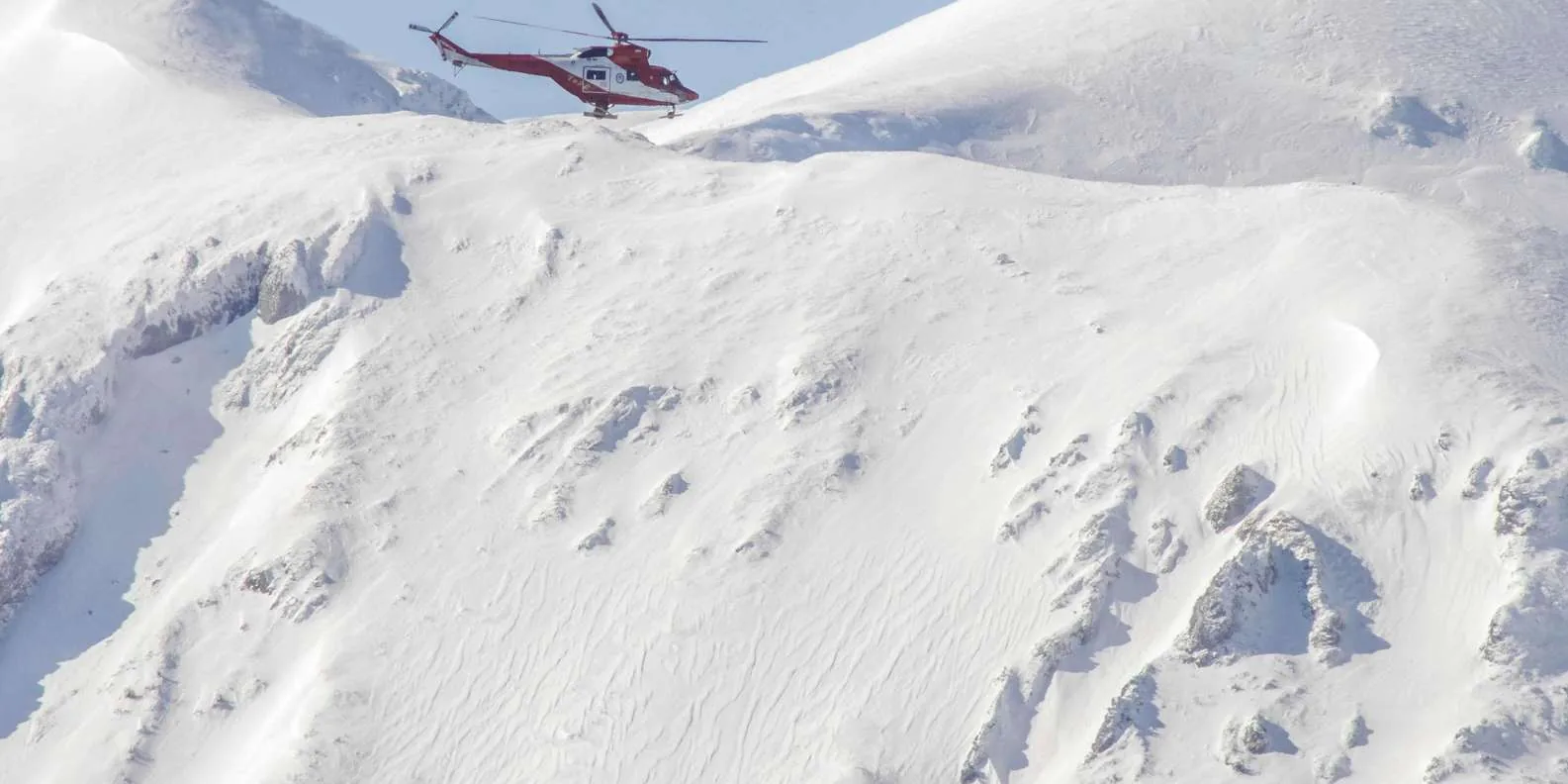
Above all of this sits the plainest rule in the region: altitude. Kala Patthar at 5,545 m is the standard high landing on the day tour, Everest Base Camp itself at 5,364 m is added when conditions allow, and the Everest View Hotel at 3,880 m is the breakfast stop. A helicopter in the Khumbu runs at the edge of its performance envelope, and passenger weights and bag weights are part of the operational paperwork rather than a courtesy. Passport details for everyone on board are collected before departure for exactly this reason — the manifest has to match the clearance. For the one-hour scenic mountain flight, by contrast, there are no landing permits at all: the aircraft never lands, so no park entry permit is issued or charged, and the summit is seen from the air rather than from the ground.
Annapurna, Pokhara and Muktinath: Conservation Area Permits
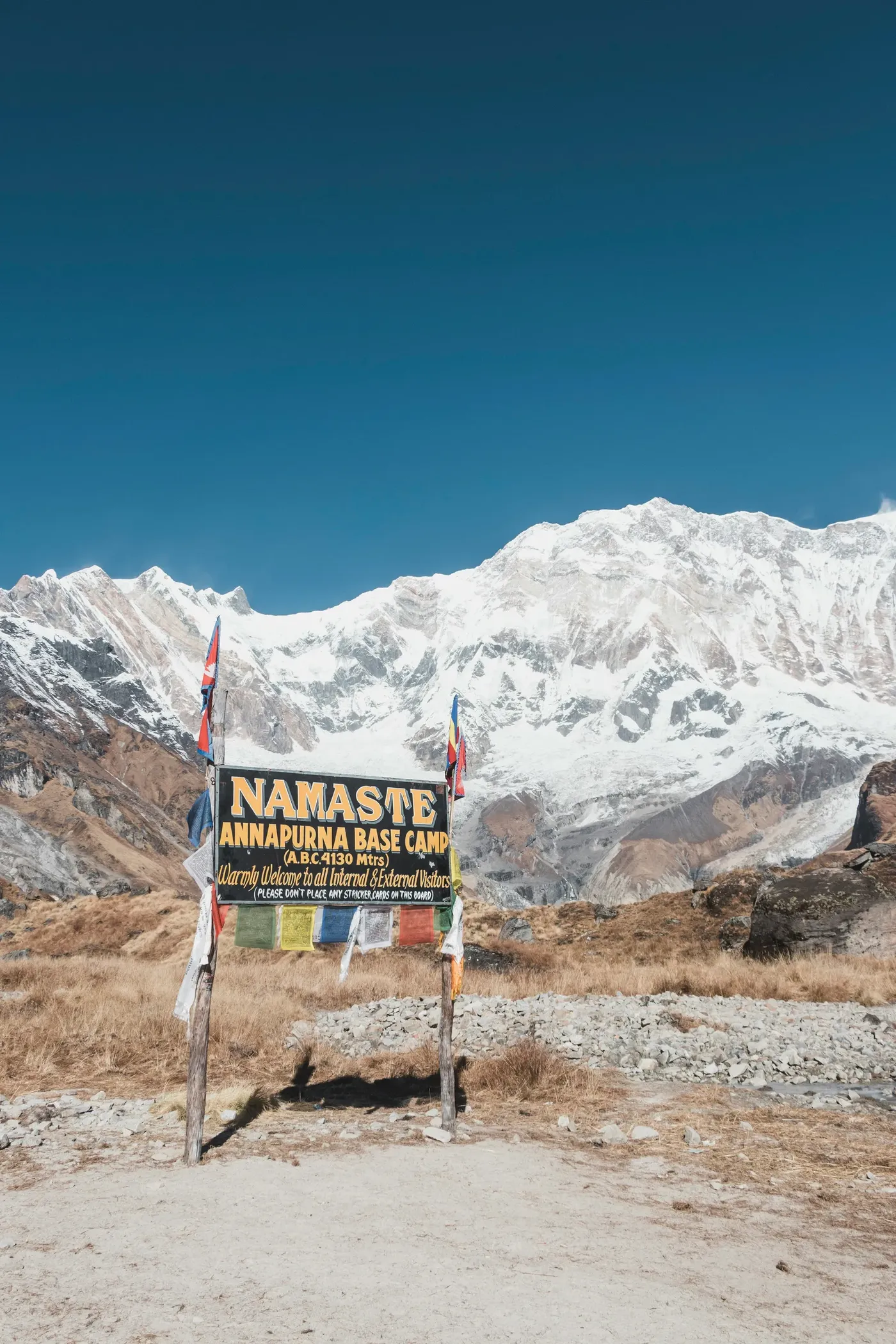
The Annapurna region is a conservation area rather than a national park, and it is administered by the Annapurna Conservation Area Project. The ACAP permit costs NPR 3,000 per person. For trekking itineraries inside the area a TIMS card is required as well; on the helicopter day tours out of Pokhara the conservation charge is handled with the flight arrangement, and — importantly — no national park landing permit is charged for the day landing at Annapurna Base Camp.
That last point surprises people who have flown in the Everest region, where the park fee is a visible line item. The ABC day tour from Pokhara, priced at $860 per person on a shared basis, lands at 4,130 m inside the Sanctuary with the conservation arrangements already inside the price. The six-day Annapurna Base Camp trek with helicopter return, at $1,199 per person, keeps both the ACAP permit and the TIMS card inside the package as well, because that itinerary walks in and needs the trekking paperwork rather than the flight-only arrangement.
Muktinath, at 3,710 m in Mustang, sits inside the same conservation area, so the ACAP regime applies to the pilgrimage flights that land there. What does not apply is the restricted-area permit: Upper Mustang, the walled kingdom north of Kagbeni, is a separately restricted zone with its own permit structure and a guide requirement, and a helicopter pilgrimage to Muktinath does not enter it. Tilicho Lake at 4,919 m is inside the conservation area too, reached on the Manang side, and the same ACAP arrangement covers a landing there.
Langtang and Gosaikunda: A National Park, Not a Conservation Area
Langtang is a national park, and Gosaikunda sits inside it, which makes the permit regime there closer to the Khumbu than to Annapurna. The Langtang National Park entry permit applies to the area around Langtang village at 4,984 m, Kyanjin Gompa and the Gosaikunda lakes at 4,380 m, along with the rural municipality arrangements that go with entry. On our helicopter tours to Langtang and to Gosaikunda the operator arranges the entry permit as part of the flight, and the trekking-side paperwork — checkposts, TIMS where applicable, guide requirements — belongs to walkers on the route rather than to passengers landing for the morning.
Rara Lake, at 2,990 m in Mugu, is the outlier in every sense: it lies inside Rara National Park, far west of the main trekking circuits, and it is reached by a long positioning flight rather than a short hop out of Pokhara or Kathmandu. The park entry permit applies, and the operator handles it with the flight arrangement; the practical constraint on Rara is distance and weather windows rather than paperwork. Kathmandu Valley itself needs no park or conservation permit at all. The UNESCO-listed monuments in the valley are ticketed individually at the site, and that is a site fee rather than a permit — worth knowing so that nobody arrives at Swayambhu expecting a conservation desk.
Manaslu: The One Restricted Area on Our Schedule
Manaslu is where permission stops being paperwork and becomes the reason the trip is structured the way it is. The Manaslu region is a restricted area, which means travel inside it is not open to independent trekkers at all. The permit costs $100 per person for the first week and $15 per day thereafter between September and November, or $75 for the first week and $10 per day thereafter from December to August. On top of that sits the Manaslu Conservation Area Permit at NPR 3,000 and, for the exit section, the Annapurna Conservation Area Permit at NPR 3,000 as well.
The condition attached to the permit matters more than the fee. A restricted-area permit requires a minimum of two trekkers travelling with a licensed guide, and that rule is enforced at checkpoints along the route rather than treated as a formality. This is why a Manaslu itinerary cannot be improvised, why a solo trekker cannot simply buy the permit and go, and why the thirteen-day Manaslu helicopter return trek is priced at $2,160 per person with all of it — restricted-area permit, MCAP, ACAP, guide, teahouses and the helicopter exit after the Larkya La at 5,160 m — inside the figure. The permit structure, not the flying, is the main reason Manaslu costs more per person than the Annapurna equivalent.
For the record of what that buys in landscape terms: the circuit runs beneath Manaslu itself at 8,163 m, crosses one of the great high passes of the Himalaya, and exits by air. The restricted-area status is precisely why the upper Budhi Gandaki still has no road through it. The permit is the price of that, and it is the one item on any Manaslu quote that should never be vague.
What Is Included and What Is Payable on the Day
Quotes in this market are not standardised, and the honest way to compare two of them is line by line. This is the position on our own products.
| Item | Position on our 2026 products |
|---|---|
| Sagarmatha National Park entry permit, NPR 7,000 per person | Payable separately on Everest day-tour and charter routings; included in the 10-day helicopter trek package |
| Khumbu Pasang Lhamu rural municipality permit | Arranged by the operator on trekking itineraries within the Khumbu |
| Everest View Hotel breakfast, approximately NPR 4,600 per person | Paid directly at the hotel, on both the shared day tour and the private charter |
| ACAP conservation permit, NPR 3,000 per person | Included in the Annapurna day tour, the six-day heli return trek and the Muktinath pilgrimage |
| MCAP and ACAP permits for the Manaslu circuit | Included in the $2,160 Manaslu helicopter return trek |
| Manaslu restricted-area permit | Included in the $2,160 package, with the guide and group-size conditions met by the operator |
| TIMS card on trekking itineraries | Included wherever the itinerary walks rather than flies only |
| Flight clearances, crew, fuel and landing fees | Included in every published price |
| Travel and medical insurance with helicopter evacuation cover | Arranged by you before departure, and proof is requested |
Who Actually Files the Paperwork, and When
Almost every permit question we receive resolves into a timing question. Permits for protected areas are issued against names, passport details and dates, and they are issued to a licensed operator rather than to an individual traveller, which means the filing happens once you have confirmed a date and sent your details — not on the morning of the flight.
On a day tour, the sequence is short. You confirm the date and give your passport details, the operator files the flight clearance and the area arrangements, and you board at the domestic terminal before sunrise. On the Everest day tour the park entry fee is settled separately at NPR 7,000 per person, so it is best treated as a known extra rather than an unknown one. On trekking itineraries, and above all on Manaslu, the lead time is longer: the restricted-area permit involves a registered agency, a licensed guide and a group of at least two, and the conservation permits are issued for the exact dates of your trek. That is why the standard advice for a Manaslu departure is to allow one to two months, and longer in the autumn peak.
There is also a plain commercial reason to file early. A restricted-area permit is tied to a route and a date range; if your itinerary shifts, the paperwork has to be reissued rather than simply amended. Operators who leave it late end up asking clients for extra days or rerouting them, and that is a problem that never needs to happen with four weeks of notice.
Weight, Altitude and Weather: The Limits a Permit Does Not Remove
A permit gets you into the airspace and the park. It does not change what an aircraft can lift at 5,000 m, and it does not change the mountains. Two operational realities dominate helicopter flying in Nepal, and both interact with permits in ways passengers rarely expect.
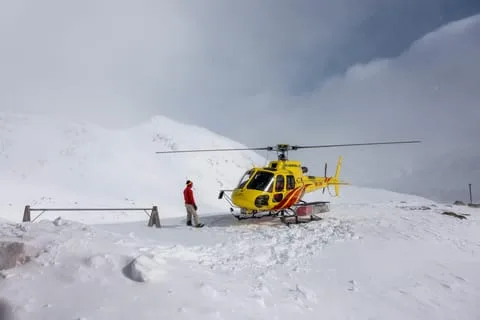
Performance at altitude. The standard aircraft on our mountain routes carries five passengers plus the pilot. That seat count exists because of performance limits at altitude, not because of cabin size, and passengers are weighed before boarding. Bag weight limits are strict — around 15 kg per person on trekking itineraries — and on an Everest day tour the answer is usually to leave everything except a day pack in your Kathmandu hotel. A heavy group can mean a different aircraft assignment or an additional sector, and that is decided operationally rather than commercially.
Weather is the other permit. Mountain flying in Nepal is a weather-dependent activity, and a flight that cannot leave the ground cannot use its clearance. Flights are rescheduled to the next suitable window, which is why a buffer day is worth more than any packing tip we could give you. Our guide to the cancellation and weather policy sets out exactly what happens when a flight is grounded, and the month-by-month view of the seasons explains why October and November, then March and April, are the windows with the highest chance of flying on the day you booked.
Insurance Is Not a Permit, But It Belongs in the Same Folder
There is one document that is more important than any permit on a high-altitude helicopter itinerary, and it is the one travellers most often get wrong: travel insurance that specifically covers helicopter activity and evacuation from altitude. It is not issued by a park office and it is not arranged by us; you bring it, and we ask for proof before you fly.
The reason is arithmetic rather than caution. A helicopter evacuation from the Khumbu or from the Manaslu region is an expensive event, and the rescue aircraft is not something a permit can summon. Nepal’s helicopter rescue work — how it is requested, who authorises it and how an insurer is billed — is set out in our guide to helicopter rescue and evacuation, and the practical requirements for policies are covered alongside it in the safety and insurance guide. If you read one page before you book anything in Nepal, read that one, and read it before you buy a policy rather than after.
How to Check That Your Operator Really Holds the Permits
Because permits are issued to operators, the quality of your paperwork is only ever as good as the company filing it. Four questions separate a licensed operator from a reseller with a website, and all four have short, checkable answers.
- Which certificate do you fly under? A genuine operator can say, without hesitating, that its commercial flights run under its own air operator certificate from the Civil Aviation Authority of Nepal, and that it owns or directly contracts the aircraft. A broker says something about partners.
- Who is the pilot, and how many seasons have they flown these routes? Mountain flying is a specialism. High-altitude landings, valley winds and fast-changing cloud are not things a qualified pilot learns on a first season in the hills.
- What exactly is in the quote, item by item? Ask for permits, park entry fees, landing fees, breakfast, transfers and insurance to be listed separately. A quote that is $150 cheaper very often has the permits outside it.
- Who files the paperwork, and when? On a Manaslu departure the answer must be specific — a registered agency, a licensed guide, and a permit process that starts well before your flight. Our guide to choosing a helicopter operator in Nepal walks through the rest of the checklist.
If you are comparing a helicopter against a trek — and the permit regimes are different enough that the comparison is worth making properly — our helicopter versus trek comparison sets out where the two itineraries genuinely diverge. If what you want is the route-by-route view across regions, the place to start is the planning hub for helicopter tours in Nepal, which collects the permit, packing, insurance and booking pages in one place. And for the Everest region specifically, the Everest Base Camp helicopter day tour guide sets the park fee in context alongside everything else that is and is not included.
Two area-specific guides are worth having open while you plan. For the Annapurna Sanctuary, the permits are the conservation-area permits described above and the trekking version carries a TIMS card; the Annapurna Base Camp helicopter cost guide covers that in full. For the restricted-area circuit, the Manaslu helicopter return trek guide sets out the permit maths that shapes the whole price.
For background on the park itself — its boundaries, its history and why it is managed the way it is — the authoritative reference is the entry for Sagarmatha National Park, which is useful context for anyone whose itinerary enters the Khumbu.
Seven Permit Mistakes Worth Avoiding
These are the patterns we see most often, and each one is avoidable with a single question asked early.
1. Assuming the park fee is in the price. On Everest routings the Sagarmatha National Park entry permit at NPR 7,000 per person is a separate charge. Ask whether it is included before you compare two quotes.
2. Booking a restricted-area trek through an unregistered seller. Manaslu permits are issued through registered agencies with a licensed guide. If a seller cannot explain that, walk away — the checkpoint does not make exceptions.
3. Planning a Manaslu trip solo. The minimum group size of two is a condition of the permit, not a preference. Solo travellers join a small group instead, which is why Manaslu is priced per person on a group basis.
4. Leaving permit filing until the week of travel. Conservation permits are issued for named travellers and dates, and the restricted-area process takes longer than most people expect. Four weeks is a sensible floor; six to eight is comfortable.
5. Assuming a helicopter needs the same permits as a trek. It does not. A day landing is cleared through the operator, while walkers go through the gate and the trekking permit regime. The two itineraries overlap in the terrain and almost nowhere in the paperwork.
6. Forgetting passport details at booking. Manifests, clearances and permits are all issued against names and passport numbers. Sending them late is the most common cause of a needless delay.
7. Treating insurance as optional. It is required on our flights, it is not something we can arrange for you, and a policy without altitude evacuation cover is not cover for the thing that actually happens in the mountains.
Frequently Asked Questions About Helicopter Flight Permits in Nepal
Do I need a permit for a helicopter tour in Nepal?
Yes, but the permit is not something you apply for yourself. Two layers of permission are involved. The operator flies under its own air operator certificate from the Civil Aviation Authority of Nepal and files the flight clearance and landing arrangements for your route. You, separately, enter a protected area — a national park or a conservation area — and that entry is covered by an area permit which the operator arranges. On every day tour and scenic flight we sell, those arrangements are inside the price, with one exception: the Sagarmatha National Park entry permit on Everest routings, which is charged at NPR 7,000 per person.
How much is the Sagarmatha National Park entry permit?
NPR 7,000 per person, which is roughly the equivalent of $55. It is required for any visit to the Everest region, whether you walk in or fly in, and it is the fee most commonly left out of Everest helicopter quotes. On our Everest Base Camp helicopter day tour and on the private Everest charter it is payable separately; on the ten-day Everest Base Camp helicopter trek it sits inside the $1,840 package together with the Pasang Lhamu rural municipality permit.
Do I need a permit for the one-hour Everest scenic mountain flight?
No. The scenic mountain flight is a fixed-wing flight that does not land anywhere in the mountains, so no national park entry permit is issued or charged. The flight operates under the airline and operator clearances for the route it flies. The permit question only arises when the itinerary puts you on the ground inside a protected area.
Do I need a TIMS card for a helicopter tour?
Not for a flight-only day tour. The Trekkers Information Management System card belongs to the trekking permit regime, and a passenger who lands at Annapurna Base Camp or Kala Patthar for a short ground stop is not trekking through the checkposts. On our trek-up, fly-back itineraries — Annapurna, Everest Base Camp and Manaslu — the TIMS card where applicable and the relevant area permits are included in the package price and arranged by the operator.
Which permits apply to the Annapurna Base Camp helicopter day tour from Pokhara?
The Annapurna Conservation Area permit regime applies, and it is handled with the flight arrangement. No national park landing permit is charged for the day landing inside the Sanctuary, which is a real difference from the Everest side. The Annapurna Base Camp helicopter day tour from Pokhara is published at $860 per person on a shared basis, with the conservation arrangements included.
How much is the Annapurna Conservation Area permit?
NPR 3,000 per person. It covers the region around Pokhara, the Annapurna Sanctuary below Annapurna Base Camp at 4,130 m, the Manang side around Tilicho Lake at 4,919 m, and the Kali Gandaki valley up towards Muktinath at 3,710 m. On the six-day Annapurna Base Camp trek with helicopter return it is included in the $1,199 package along with the TIMS card.
What permits does the Manaslu helicopter return trek require?
Three, and they are the reason Manaslu is priced differently from every other route we run. The Manaslu restricted-area permit costs $100 per person for the first week and $15 per day thereafter from September to November, or $75 for the first week and $10 per day thereafter from December to August. Add the Manaslu Conservation Area Permit at NPR 3,000 and the Annapurna Conservation Area Permit at NPR 3,000 for the exit section. The restricted-area permit also requires a group of at least two trekkers with a licensed guide. All of it is inside the $2,160 price of the thirteen-day Manaslu helicopter return trek.
Can I arrange these permits myself?
Not in practice. Park and conservation permits are issued to licensed operators, and the Manaslu restricted-area permit is issued through a registered agency with a licensed guide and a minimum group of two — an individual traveller cannot file for it. This is not a restriction you can work around, which is why the sensible approach is to book with a company that files the paperwork itself rather than through a reseller, and to confirm in writing which permits are inside your price.
Do I need a restricted-area permit to fly to Muktinath?
No. Muktinath at 3,710 m in Mustang lies inside the Annapurna Conservation Area, so the conservation permit applies, and the arrangement is made with the flight. The restricted-area regime for Upper Mustang, the walled kingdom north of Kagbeni, is a separate matter and applies to itineraries that continue beyond Kagbeni; a Muktinath pilgrimage does not enter it. The one-day Muktinath helicopter pilgrimage is published at $1,080 per person on a shared basis with the conservation arrangements included.
How far in advance are the permits filed?
For day tours and scenic flights, once your date is confirmed and passport details are with us, the flight clearance and area arrangements are handled ahead of the morning of departure — a few days to a couple of weeks is normal. For trekking itineraries, and especially Manaslu, allow far more: one to two months is a sensible baseline, and three to five months ahead is wise for October and November departures, when both the restricted-area process and the helicopter schedule are at their busiest.
What documents do I need to bring on the day?
Your passport and your travel insurance details. Passport details are needed at booking, because the flight manifest, the clearances and the area permits are all issued against names and passport numbers. Insurance must specifically cover helicopter activity and evacuation from altitude — the operator will ask for proof before the flight, and it is not something we can arrange on your behalf. Everything else, from the manifest to the landing clearance, is handled by the operator.
What happens if weather cancels my flight after the permits are filed?
The permits are tied to your dates and names, and a grounded flight is rescheduled to the next suitable window rather than simply cancelled, with the operator handling the paperwork side of the move. This is exactly why a buffer day matters on any mountain itinerary in Nepal: it converts a lost flight into a delayed one. Our cancellation and weather policy guide explains how rescheduling works in practice, including what happens when a passenger cannot wait for the next window.
The Bottom Line on Permits
The permit question has a simple answer once you stop thinking of it as one document. Aviation clearance belongs to the operator, and you never see it. The protected-area permit follows the ground you land on, and on our day tours and scenic flights it is arranged and included. The restricted-area permit belongs to Manaslu alone among our routes, it carries a group and guide condition, and the thirteen-day itinerary is built around it. On top of that sits exactly one fee that routinely appears outside the quoted figure: the Sagarmatha National Park entry permit at NPR 7,000 per person on Everest routings, and approximately NPR 4,600 per person if you want breakfast at the Everest View Hotel, paid at the hotel.
Ask two questions before you pay a deposit anywhere in this market. Is the park or conservation permit included, and is the price per seat or per aircraft? A company that answers both plainly is holding the paperwork you need. If you are planning an Everest, Annapurna, Muktinath, Langtang or Gosaikunda departure this season, send us your dates and group size and we will confirm in writing which permits apply to your route, what is included, and what is payable on the day — usually within a few hours.