
Annapurna Base Camp Helicopter Tour: What It Costs in 2026
The Annapurna region is Nepal's most popular trekking destination, and for good reason — it offers dramatic Himalayan scenery, rich Gurung culture, and some of the best teahouse infrastructure in the country. But not everyone has two weeks to walk to Annapurna Base Camp and back. A helicopter tour — or a trek-and-fly-back combination — lets you experience the Annapurna Sanctuary in a fraction of the time. This guide breaks down every Annapurna helicopter option, what each one costs in 2026, and how to choose the right one for your trip.
- $860ABC day tour, per seat
- 4,130 mAnnapurna Base Camp
- 4,919 mTilicho Lake
- 3-4 hrsFlight window from Pokhara
Your Annapurna Helicopter Options
There are three main ways to experience the Annapurna region by air, and they're priced very differently. Understanding the difference is the key to getting a fair price.
1. Annapurna Base Camp Helicopter Tour (Day Trip)
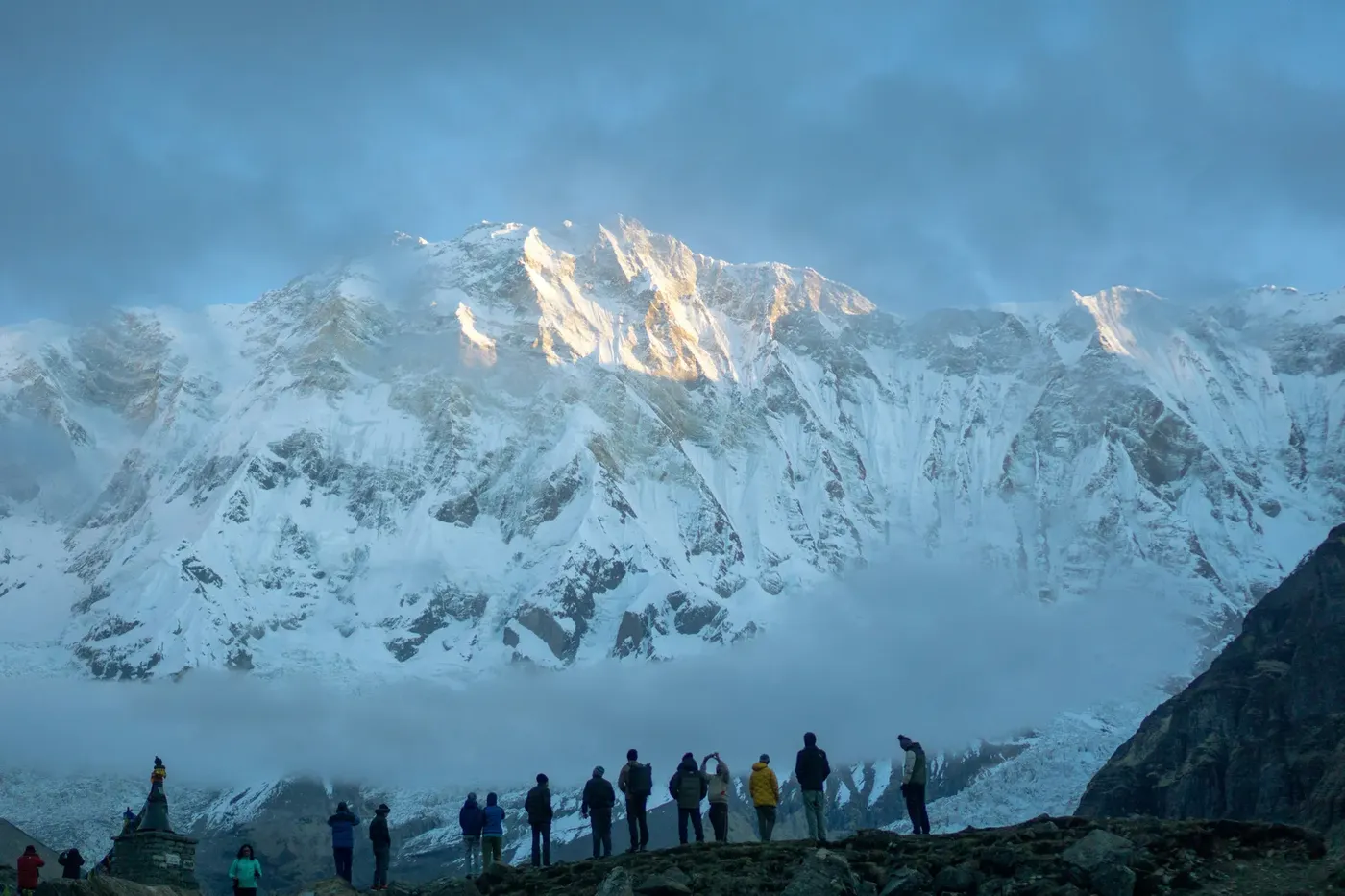
This is the classic day-trip option. You fly by helicopter from Pokhara — the gateway to the Annapurna region — up into the Annapurna Sanctuary, landing at Annapurna Base Camp (4,130m) for a photo stop surrounded by a 360-degree wall of peaks including Annapurna I, Machapuchare (Fishtail), and Hiunchuli. The round trip takes about 2–3 hours from Pokhara, and you're back in time for lunch. See the Annapurna Base Camp helicopter day tour for full details and live availability. Prices run $860 per person on a shared basis in 2026, or $2,585 to charter the whole helicopter for up to five passengers.
2. Annapurna Helicopter Return Trek (Trek Up, Fly Back)
This is the premium option for trekkers. You walk the classic Annapurna Base Camp trail from Pokhara through Ghandruk, Chhomrong, and the Modi Khola valley to Annapurna Base Camp over about 6 days, then fly back by helicopter from the Sanctuary to Pokhara in 25 minutes instead of retracing your steps for 3 days. It costs from $1,199 per person in 2026 and combines the full trekking experience with a spectacular aerial exit. See our Annapurna Helicopter Return Trek itinerary and pricing.
3. Annapurna Panorama Scenic Flight
For those short on time, a fixed-wing scenic flight from Pokhara offers a one-hour aerial tour of the Annapurna and Dhaulagiri ranges with a guaranteed window seat. It's the most affordable option at around $150–$250 per person, and it's a great introduction to the region if you're not ready to commit to a helicopter landing or a multi-day trek.
Annapurna Helicopter Tour Price Breakdown (2026)
Here's a clear comparison of what each option costs and what you get:
- Annapurna Panorama Scenic Flight — $150–$250 per person, 1 hour, fixed-wing, window seat
- Annapurna Base Camp Helicopter Tour — $860 per person, 2–3 hours, helicopter, landing at ABC
- Annapurna Helicopter Return Trek — from $1,199 per person, 6 days, trek up + helicopter return
These are per-person prices on a shared basis; a private charter of the whole aircraft is $2,585. Private charters cost more but offer complete flexibility over timing and itinerary.
What's Included in the Price
When comparing quotes, make sure you're comparing like for like. A reputable operator's price should include:
- Hotel pickup and drop-off in Pokhara
- Helicopter charter or fixed-wing flight costs
- Annapurna Conservation Area Project (ACAP) permit
- An experienced pilot and, for treks, a licensed guide and porter
- Meals where applicable (breakfast on the trek, welcome dinner)
- Oxygen and basic medical kit on board
Things usually not included: international flights, Nepal entry visa, travel insurance, and tips. Always ask for a written breakdown before paying a deposit.
Why the Annapurna Region Is Special
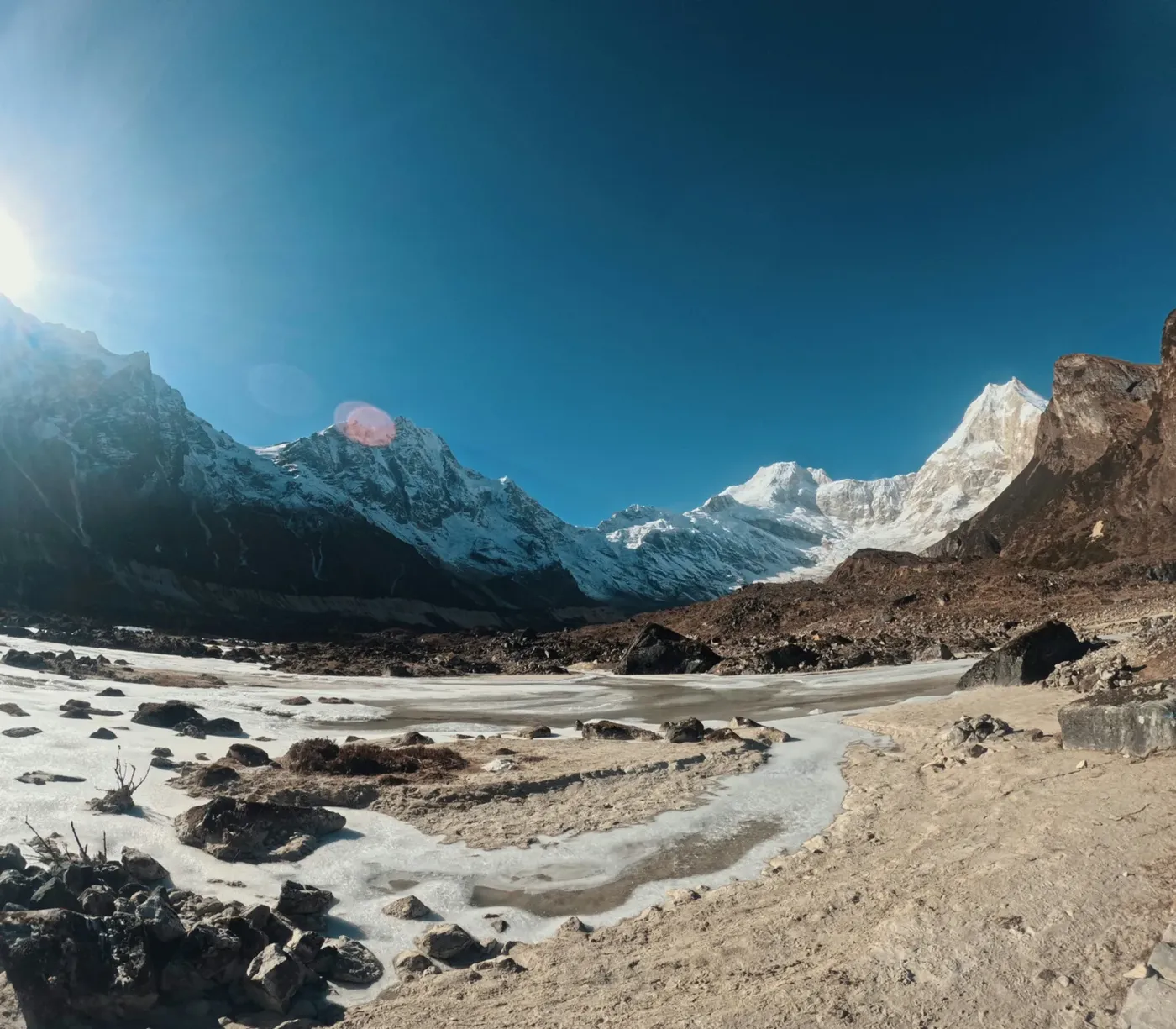
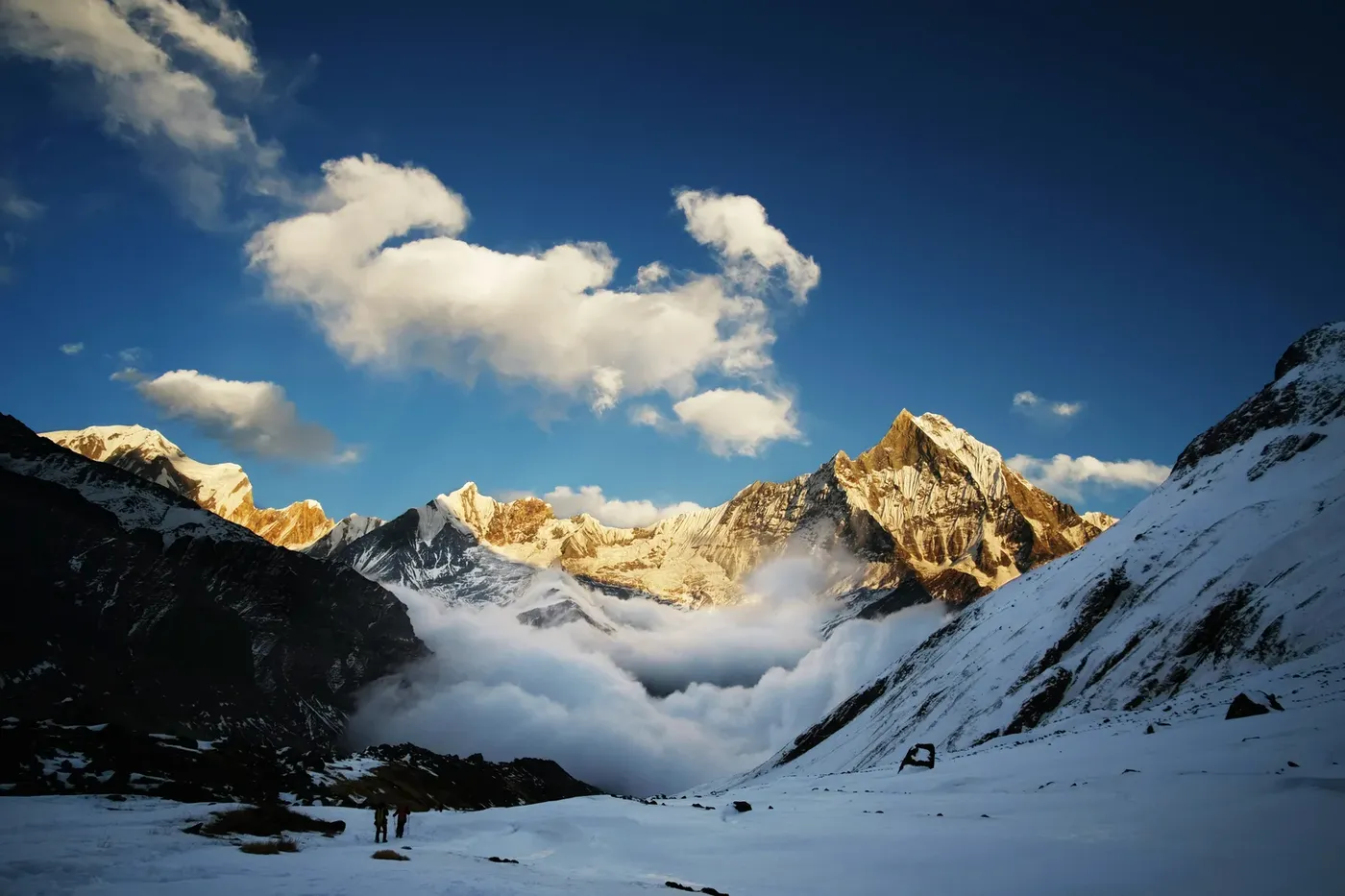
The Annapurna Sanctuary is a natural amphitheater ringed by some of the world's most beautiful peaks. Annapurna I (8,091m) is the 10th-highest mountain on Earth and one of the most dangerous to climb, while Machapuchare (6,993m) — the sacred "Fishtail" peak — has never been summited and is revered by locals. The trek to Base Camp passes through terraced farmland, rhododendron forests, and traditional Gurung villages like Ghandruk and Chhomrong, offering a cultural experience that's every bit as rewarding as the mountain views. From the air, the Sanctuary is even more dramatic — a sudden, jaw-dropping reveal as the helicopter crests the ridge and the full amphitheater opens up below.
Best Time to Fly the Annapurna Region
Like all Himalayan flying, Annapurna helicopter tours are weather-dependent. The two best windows are March to May (spring) and September to December (autumn and early winter). Spring brings blooming rhododendrons and clear mornings; autumn offers crisp, stable air and the clearest mountain views of the year. The monsoon (June to August) brings cloud and rain that frequently ground flights, while deep winter (January to February) is cold but often clear. For the trek-and-fly-back option, the same seasons apply, with autumn being the most popular and reliable.
Safety and What to Look For in an Operator
Safety is non-negotiable at high altitude. Book with a licensed operator that uses certified pilots with Himalayan flying experience, maintains its aircraft to international standards, carries passenger insurance, and provides oxygen on board. Ask about the aircraft type — modern helicopters like the AS350 B3e are well-suited to the Annapurna region's high-altitude operations. A reputable operator will also be transparent about weight limits (typically 15kg per passenger on helicopter legs) and will brief you on altitude safety before you fly. The landing at Annapurna Base Camp is at 4,130m, so even a short stop can trigger mild altitude symptoms if you're not prepared.
How to Book Without Overpaying
Book directly with a licensed Nepali operator rather than an overseas reseller, which adds a markup. Confirm the exact itinerary, the number of passengers on your flight, and the cancellation policy in writing. For the day-trip helicopter tour, book a morning departure when weather is clearest. For the trek-and-fly-back, book 1–2 months ahead so the operator can arrange guides, permits, and accommodation. Build in a buffer day in case weather forces a reschedule, and confirm whether the operator will reschedule at no cost.
Background worth reading before you plan: the Annapurna Massif. Useful context — it does not affect pricing or operations.
Take this further with Annapurna Base Camp Helicopter Day Tour from Pokhara: Price &…, Helicopter Tours from Pokhara 2026: Everest, Annapurna &…, and Kathmandu to Pokhara Helicopter Transfer: Price, Duration and….
Frequently Asked Questions
How long is the Annapurna Base Camp helicopter tour?
The day-trip helicopter tour takes 2–3 hours round trip from Pokhara, including the landing at Base Camp. The trek-and-fly-back option takes 6 days in total.
Can I land at Annapurna Base Camp by helicopter?
Yes — helicopters land directly at Annapurna Base Camp (4,130m), giving you a photo stop surrounded by the full amphitheater of peaks. Ground time is kept short (15–30 minutes) to minimize altitude risk.
Do I need a permit for the Annapurna region?
Yes, you need the Annapurna Conservation Area Project (ACAP) permit and, for the trek, a Trekkers' Information Management System (TIMS) card. A licensed operator arranges both and includes them in the price.
Is the Annapurna trek harder than Everest Base Camp?
The Annapurna Base Camp trek is generally considered slightly easier than Everest Base Camp — it reaches a lower maximum altitude (4,130m vs. 5,364m) and has a shorter duration, though the stone steps on the trail can be tough on knees.
Annapurna vs. Everest: Which Helicopter Tour Should You Choose?
Both regions are spectacular, but they offer different experiences. Everest is about the world's highest peak and the raw drama of the Khumbu — it's the bucket-list choice, and it's more expensive. Annapurna is about the beauty of the Sanctuary, the cultural richness of the Gurung villages, and a more accessible price point. If you want to say you've seen Everest, choose Everest. If you want the most beautiful mountain amphitheater in Nepal with a gentler price tag, choose Annapurna. Many travelers do both — a scenic flight over Everest and a helicopter tour or trek in Annapurna. For a full breakdown of the Everest side, read our guide to Everest helicopter tour costs in 2026.
What to Expect on the Day of Your Flight
For the day-trip helicopter tour, you'll be picked up from your Pokhara hotel early in the morning and driven to the helipad. After a short safety briefing, you board and lift off, climbing over the terraced hills and into the Modi Khola valley. The flight into the Sanctuary is the highlight — the helicopter crests the ridge and the full amphitheater of peaks opens up around you. You land at Annapurna Base Camp for 15–30 minutes of photos, then fly back to Pokhara, landing by late morning. The whole experience is over in a few hours, but the memory lasts a lifetime.
For the trek-and-fly-back, the "day of the flight" is the final day of your trek. After breakfast at Annapurna Base Camp, you board the helicopter for the 25-minute flight back to Pokhara — a surreal contrast after days of walking. You'll soar over the same valleys and villages you trekked through, seeing them from a completely new perspective, before landing in Pokhara in time for a celebratory lunch.
Understanding the Annapurna Trekking Route
The classic Annapurna Base Camp trek begins in Pokhara and follows the Modi Khola river valley upward. The trail passes through terraced farmland and traditional Gurung villages — Ghandruk, with its stone houses and mountain views, and Chhomrong, perched on a ridge with a famous view of Machapuchare. From Chhomrong, the trail climbs through bamboo and rhododendron forest into the Sanctuary itself, eventually reaching Annapurna Base Camp at 4,130m. The trek typically takes 5–6 days up and 3 days back down, which is why the helicopter return is so appealing — it turns a 9-day round trip into a 6-day one-way journey with a spectacular finish.
Budgeting for Your Annapurna Helicopter Tour
Beyond the tour price, factor in a few related costs. Your Nepal entry visa is $50 for 30 days. Travel insurance with high-altitude and helicopter-evacuation coverage is strongly recommended and typically costs $50–$150. Accommodation in Pokhara ranges from $15 budget guesthouses to $100+ lakeside hotels. Meals are inexpensive — a good restaurant dinner runs $5–$15. If you're doing the trek-and-fly-back, budget for trekking gear (rentable in Pokhara or Kathmandu) and tips for your guide and porter, conventionally around 10% of the package cost. All told, a day-trip helicopter tour can be done for under $700 all-in, while the trek-and-fly-back typically lands in the $3,000–$3,500 range with international flights, insurance, and spending money.
Why Book With a Local Nepali Operator
Booking directly with a Pokhara- or Kathmandu-based operator has real advantages. Local operators have direct relationships with the helicopter companies, which means better availability and more flexible rescheduling when weather intervenes. They understand the ACAP permit system inside out and can handle last-minute changes. Their guides and pilots are local, with years of Annapurna experience, and their prices don't carry the reseller markup. Most importantly, a licensed local operator is accountable under Nepali law — you have real recourse if something goes wrong. When you book with a company like Heli Tours Nepal, operated by Enticing Himalayas Travel, you're dealing directly with the people who run the flights.
The Annapurna Sanctuary: A Closer Look
The Annapurna Sanctuary is one of the most remarkable natural amphitheaters on Earth. It's a high glacial basin ringed by a near-continuous wall of peaks, most of them over 7,000 meters. The only way in is through a narrow gorge carved by the Modi Khola river, which makes the reveal at the top all the more dramatic — you walk (or fly) through a narrow valley and suddenly the entire ring of mountains opens up around you. The peaks include Annapurna I (8,091m), the first 8,000-meter peak ever climbed; Annapurna South (7,219m); Hiunchuli (6,441m); and the unmistakable Machapuchare (6,993m), whose twin summit gives it the "Fishtail" name. For trekkers and flyers alike, standing in the middle of this amphitheater is a genuinely humbling experience.
Pokhara: Your Gateway to the Annapurna Region
Most Annapurna helicopter tours depart from Pokhara, Nepal's second city and the adventure capital of the country. Pokhara sits on the shore of Phewa Lake, with the Annapurna range rising dramatically just 30 kilometers to the north — one of the steepest elevation gains anywhere on Earth. The city is a relaxed, lakeside town with excellent hotels, restaurants, and cafes, and it's the natural base for any Annapurna adventure. You can reach Pokhara by a 25-minute flight from Kathmandu or a scenic 6–7 hour drive. If you're doing the trek-and-fly-back, you'll start and end in Pokhara, making it easy to combine your trek with a few days of lakeside relaxation.
Common Mistakes to Avoid
First-time bookers make a few predictable mistakes. Booking the cheapest option without checking the operator is the biggest one — an unlicensed broker can leave you stranded or compromise your safety. Not building in a buffer day is another: mountain weather is unpredictable, and a single buffer day can save your entire trip. Ignoring altitude is a third — even a short landing at 4,130m can trigger symptoms if you're not prepared. Finally, not confirming what's included leads to surprise costs. A five-minute conversation with your operator about inclusions, cancellation policy, and passenger count prevents all of these.
Combining Annapurna With Other Nepal Highlights
The Annapurna region pairs beautifully with the rest of Nepal, and a helicopter tour is easy to slot into a broader itinerary. A common plan is to fly into Kathmandu, spend a day or two exploring the city's UNESCO World Heritage sites, then fly or drive to Pokhara for your Annapurna helicopter tour or trek. From Pokhara, you can also visit the World Peace Pagoda, go paragliding over Phewa Lake, or take a boat out on the lake. If you have more time, combine Annapurna with a Chitwan National Park safari for a complete Nepal experience — mountains, culture, and wildlife in a single trip. A licensed operator can help you stitch these pieces together into a seamless itinerary.
How to Prepare for Your Annapurna Flight
A little preparation goes a long way. Dress in layers — even in spring and autumn, temperatures at Annapurna Base Camp are near or below freezing, and the helicopter cabin can be cool. Bring sunglasses and sunscreen, as the glare off snow and ice at altitude is intense. Pack light — helicopter weight limits are strict, typically 15kg per passenger, so leave the heavy luggage at your hotel. Stay hydrated and avoid alcohol the night before, as both help your body cope with the rapid altitude gain. Finally, charge your camera and phone — you'll want every bit of battery for the views. If you're doing the trek-and-fly-back, your operator will provide a full packing list, but the same principles apply: layers, sun protection, and a light pack.
Final Thoughts on Annapurna Helicopter Tours
The Annapurna region offers some of the most accessible and beautiful helicopter experiences in Nepal. Whether you choose a quick scenic flight, a day-trip helicopter tour with a landing at Base Camp, or the full trek-and-fly-back adventure, you'll come away with memories of one of the most dramatic mountain landscapes on Earth. The key is to book with a licensed, experienced operator, understand exactly what's included, and build in a little flexibility for weather. Do that, and your Annapurna helicopter tour will be the highlight of your trip to Nepal.
Is an Annapurna Helicopter Tour Worth It?
For most travelers, yes. The day-trip helicopter tour is a spectacular way to see the Annapurna Sanctuary without weeks of trekking, and at $860 it's excellent value for a once-in-a-lifetime experience. The trek-and-fly-back option is the best of both worlds — the full trekking experience on the way up, a 25-minute aerial exit on the way back. Whichever you choose, booking with a licensed, experienced operator is the difference between a smooth, safe experience and a stressful one.