
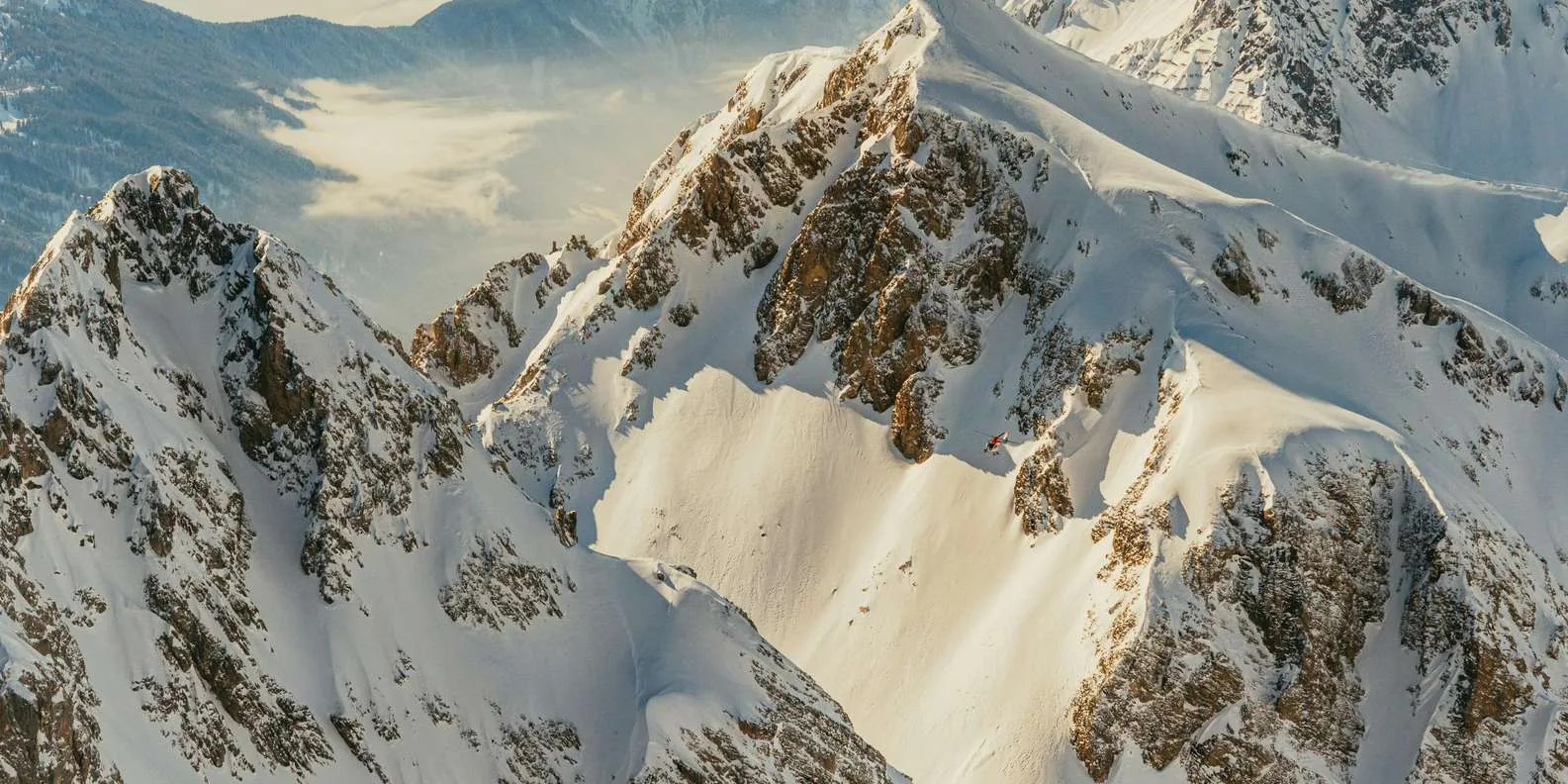
Book an Everest mountain flight from Kathmandu from $260 per person, window seat guaranteed. One hour past Everest, Lhotse and Makalu, transfers included.
The Everest mountain flight is Nepal's most affordable way to see Mount Everest — a one-hour fixed-wing flight from Kathmandu's domestic terminal that flies parallel to the Himalayan crest, past Langtang, Dorje Lakpa, Gauri Shankar, Cho Oyu, Pumori, Nuptse, Lhotse, Makalu, and Everest itself. Buddha Air and Yeti Airlines operate daily departures between 6:30 and 9:30 AM in 50-72 seat aircraft, every passenger gets a window seat, and the cabin crew walk the aisle identifying each peak by name as it appears.
The Everest mountain flight price in 2026 is $260 per person for a guaranteed window seat, and the cost of a mountain flight in Nepal is the same whichever operator you book — the fare is set by the airline, not the agent. The flight exists for one honest reason: most people who want to see Everest do not have the time, budget, or fitness for a helicopter tour to Base Camp, and the airline seat is what fits. It delivers the crest of the Himalaya — the full 800 km wall of it — for the price of a nice dinner. If the mountain is the dream and the landing is not required, this is your flight.
Departure is from Kathmandu's domestic terminal, and the aircraft heads east-northeast, climbing as the middle hills fall away beneath. The standard route crosses the Sun Koshi's valleys toward the crest, then turns to fly the range in a long, slow arc. The cabin announcement marks each summit as it comes: Langtang Lirung first, then Dorje Lakpa and Gauri Shankar (the mountain Sherpas call the home of Shiva), then the big sequence — Cho Oyu, Pumori, Nuptse, and directly ahead, the Everest complex: Lhotse at 8,516 m and Everest at 8,848.9 m, close enough to read the summit's texture.
The aircraft does not overfly Everest; it holds a respectful distance along the crest so both sides of the cabin get their viewing window. That distance is why the flight is smooth, legal and safe at 25,000 feet — well below the summit, with the peaks seen at eye level or slightly above.
The turning point is typically near Makalu (the world's fifth-highest at 8,485 m), where the aircraft comes about and the other side of the cabin inherits the view for the return leg. One hour total, wheels to wheels.
Two carriers operate the scenic flight in season:
Buddha Air — the market veteran, flying the Beechcraft 1900D (17 seats) and ATR 42/72 turboprops. The 1900D flights are the connoisseur's pick: a small aircraft where every seat is both a window and close to the flight deck, with the pilot's commentary audible without a PA system.
Yeti Airlines (and its sister carrier Tara Air) — flying ATR 72s and the de Havilland Twin Otter. The ATR's high wing gives clean downward sightlines.
Both carriers sell guaranteed window seats as the standard product — this is a viewing flight, and the economics work because every seat is sold as a window. Seat assignments are made at check-in; the cabin crew rotate passengers toward the Himalaya side when the aircraft banks.
Most mountain flight pages describe the flight. The real experience starts at your hotel door, and the timing is what makes or breaks the morning. Here is the honest clock, based on hundreds of flights we have handled from Kathmandu.
The timeline below assumes a 7:00 AM departure, the most common slot from October through April. Airlines shift slots earlier in summer, and your exact pickup time is confirmed the evening before.
| Time | What happens | What you should be doing |
|---|---|---|
| 05:15 | Our car reaches your Kathmandu hotel | Be in the lobby, not the room. Traffic before dawn is light but the domestic terminal gets busy fast. |
| 05:45 | Arrival at the domestic terminal, Tribhuvan International | Have your passport in hand. We walk you to the airline counter. |
| 06:00 | Check-in and security | We handle the counter queue and confirm your window seat allocation while you wait. |
| 06:20 | Boarding call | Every seat is a window seat on the mountain flight layout, so boarding is quick. |
| 06:35 | Wheels up, heading east | The aircraft climbs over the eastern edge of the Kathmandu Valley. Look left for the first peaks. |
| 06:50 | Langtang and Dorje Lakpa come into view | The cabin crew begins the peak-by-peak commentary. |
| 07:00 | Gauri Shankar, Melungtse, Cho Oyu | The Himalayan wall is now continuous across your window. |
| 07:08 | Everest, Lhotse and Nuptse at the climax | The captain banks so both sides get the view. This is the photograph everyone came for. |
| 07:15 | Makalu, then the turn for home | The aircraft swings south over the lower hills. |
| 07:30 | Landing back at Kathmandu | You collect your Certificate of Achievement at the gate. |
| 07:50 | Back at your hotel | Breakfast in Kathmandu, and the rest of your day is untouched. |
That is a three-and-a-half-hour door-to-door morning for a one-hour flight, and the padding is deliberate: airline slots, terminal queues and pre-dawn transfers all move. We build the margin in so you are never the person running for a boarding call.
| Seat type | Price per person | What it includes |
|---|---|---|
| Airline seat (foreign visitor) | USD 235 | Bare flight seat only, airline-set fare |
| Buddha Air Everest Experience | USD 235 | Guaranteed window seat, captain's narration, certificate |
| Shree Airlines mountain flight | USD 230 | Guaranteed window seat, 25,000 ft ceiling, ~50 min |
| Yeti Airlines mountain flight | USD 200-300 | Seasonal fare, guaranteed window seat |
| Our handled package | USD 260 | Hotel pickup and drop, check-in handled, window seat confirmed, weather rebooking |
Those airline fares are the real 2026 numbers, and they are set by the carriers, not by us: Buddha Air sells its Everests Experience at USD 235 (INR 8,610 / NPR 13,776 for the local and Indian rates), Shree Airlines at USD 230 with a local rate of NPR 15,000, and Yeti Airlines between USD 200 and USD 300 depending on season. For European travellers, USD 235 works out at roughly EUR 207 at current rates; the handled package at EUR 229. Fares are revised each season, so treat them as current-in-2026 rather than fixed forever.
What our USD 260 package adds is the morning itself. We collect you from your Kathmandu hotel about 90 minutes before departure, handle check-in and the terminal formalities with your passport, confirm your window seat before you arrive, and stay with you through the flight. If Himalayan weather cancels the morning — roughly one in four mornings in the shoulder seasons — you get a full refund or a free seat the next morning, and we rebook it for you. Our handled package at USD 260 is the airline seat plus the morning that surrounds it – hotel pickup, check-in done for you, a confirmed window seat, and a free rebooking or full refund if the weather turns: most of our guests are on a two-week trip and cannot afford to lose a day to a cancelled flight they booked themselves.
Compared to the helicopter options in our own catalogue: the EBC helicopter day tour (from USD 1,260) lands you at Kala Patthar and puts breakfast at the Everest View Hotel in your morning; the scenic flight gives you the same wall of peaks from a distance, for about a fifth of the price, in one hour instead of six. Both are honest products; they are different depths of the same dream. Our team operates both and we will tell you plainly which fits your budget and schedule.
Three carriers fly the Kathmandu mountain circuit, and the difference between them is smaller than their prices suggest. All three fly the same corridor at the same altitudes and all three guarantee a window seat - it is a viewing product, not a transport product. What differs is the aircraft, the cabin geometry and the fare.
| Airline | Aircraft | Seats | Fare (foreign visitor) | Local rate | Best for |
|---|---|---|---|---|---|
| Buddha Air | Beechcraft 1900D, ATR 42/72 | 17-70 depending on aircraft | USD 235 | NPR 13,776 | The default choice. Most departures, most reliable slots, the best-known product. |
| Yeti Airlines | ATR 72, Twin Otter | 68 on ATR 72 | USD 200-300 | Seasonal rates published each year | Larger cabin and usually the lowest fare. Good when Buddha is full. |
| Shree Airlines | Bombardier CRJ series | 50-90 | USD 230 | NPR 15,000 | Highest ceiling at 25,000 ft and a longer flight time - the best window for photography. |
Buddha Air is the carrier we book most often, for a boring reason: it has the deepest schedule, so if a morning is lost to weather it has the most seats available the following day. For travellers on a tight itinerary, that rebooking capacity matters more than any cabin detail.
Yeti Airlines flies larger ATR 72s that give a smoother ride in the morning turbulence over the valley, and its fares are typically the lowest of the three. Its rebooking pool is smaller, so a cancellation can push you two days out in peak season.
Shree Airlines is the connoisseur's pick. It pushes higher - a 25,000 ft ceiling against a more typical 21,000-23,000 ft - and its longer time on the crest means more frames for photographers. If you are flying for images rather than for the tick, book Shree.
We fly helicopters for a living, so our answer carries its own bias — but we sell this flight too, and here is the truth we tell clients: the scenic flight is the best mountain-view value in Nepal and it is not close. The helicopter tour is a hundred times more expensive per minute of altitude and it lands you on the planet's most famous viewpoint; the scenic flight is a fixed-wing window onto the entire crest for the price of a taxi ride to the airport's far side.
Take the scenic flight if: your budget is USD 200-300, you have a free morning in Kathmandu, motion comfort matters (the fixed-wing ride at 25,000 ft is smoother than any helicopter), or you are flying with elders or children for whom the 06:30 pickup of the heli tour is too much.
Take the helicopter instead if: the landing is the point — stepping on ground at 5,545 m, breakfast facing Everest, the story that starts with "when we landed..." If that sentence is the one you want to say for the rest of your life, no window seat replaces it, and you already know which product is yours.
There are four ways to see Everest from Nepal, and they cost wildly different amounts. We sell all four, so this comparison costs us money to publish - but you deserve to know which one fits your trip before you spend anything.
| Option | Cost per person | Time required | Sees Everest from | Fitness needed | Landing in the mountains |
|---|---|---|---|---|---|
| Mountain flight | USD 235-260 | 1 hour (3.5 hrs door to door) | The air, ~100 miles | None | No |
| EBC helicopter day tour | from USD 1,260 | 5 hours door to door | Kala Patthar, on the ground | None | Yes, at 5,545 m |
| Everest Base Camp trek | USD 1,200-1,800 plus flights | 12-14 days | Base Camp and Kala Patthar | High - 9 days of walking | Yes, at 5,364 m |
| Trek to Everest View Hotel | USD 700-1,100 | 5-7 days | The hotel terrace | Moderate - 3-4 days of walking | Yes, at 3,880 m |
Read the table as a budget question and it answers itself. If Everest is a photograph you want and your trip is two weeks long, the mountain flight delivers it for a fifth of the helicopter price and a fraction of the trek. If you have the time for the trek, nothing else compares - standing at Base Camp is a different category of experience, and no flight replicates the days of walking that get you there.
The option most travellers overlook is the middle one: the helicopter tour. It costs five times the mountain flight and lands you on the ground, which is why guests who are unlikely to return to Nepal almost always choose it. Our honest advice is unchanged across both products - if you are in Kathmandu anyway and want the mountain, fly; if this is your one Himalayan trip, land.
The crest of the Himalaya from a Kathmandu window, in the order the cabin crew calls it:
Langtang Lirung (7,234 m) — the first giant, still inside the middle hills' horizon. Dorje Lakpa (6,966 m) — the perfect pyramid at the head of the Langtang valley. Gauri Shankar (7,134 m) — the twin-summit holy mountain, Rolwaling's crown. Cho Oyu (8,188 m) — the sixth-highest mountain on Earth, the first 8,000er of the morning. Pumori (7,161 m) — "Everest's Daughter", the pyramid that frames every Base Camp photograph. Nuptse (7,861 m) — the long west ridge of the Everest complex. Lhotse (8,516 m) — the fourth-highest, sharing Everest's massif wall. Mount Everest (8,848.9 m) — the summit of the flight and the reason the whole cabin goes quiet. The crew announce a certificate ceremony afterwards; every carrier stamps a "I saw Everest" card, and yes, adults keep them too. Makalu (8,485 m) — the fifth-highest, the turning-point mountain, massive and isolated on the horizon.
The flight is a sequence, and knowing the sequence is what turns a window view into a guided one. These are the peaks you will see, in the order the cabin crew calls them, with their real altitudes.
| Peak | Height | Where it appears on the flight |
|---|---|---|
| Langtang Lirung | 7,234 m | First giant after takeoff, on the northern horizon |
| Dorje Lakpa | 6,966 m | Left side, mid-morning light on the east face |
| Ganesh Himal | 7,422 m | Far left, north-west of the main crest |
| Gauri Shankar | 7,134 m | Centre-left as the aircraft passes east |
| Melungtse | 7,181 m | Alongside Gauri Shankar, easy to confuse with it |
| Cho Oyu | 8,201 m | The first eight-thousander you see, ahead and left |
| Pumori | 7,161 m | Directly in front of Everest, useful as a pointer |
| Everest | 8,849 m | The summit moment - both sides of the cabin |
| Lhotse | 8,516 m | Immediately right of Everest, joined at the saddle |
| Nuptse | 7,861 m | The dark wall below Lhotse, closes the amphitheatre |
| Makalu | 8,485 m | The turning point, far right before the bank |
| Ama Dablam | 6,812 m | On the return leg, the most photogenic of the lot |
A word on the view: Everest itself is a dark pyramid rather than a postcard, and the summit plume of blown snow is what gives it away before the shape does. Ama Dablam, a sixth of the height, is the peak most travellers photograph twice - it is unmistakable, a single tooth standing clear of the ridge. If you only remember one name on the flight, make it Cho Oyu: it appears first among the giants and tells you Everest is two minutes away.
The scenic flight follows the same weather law as every Himalayan flight: mornings are the window. Departures run 06:30-09:30 because the crest is reliably clear at dawn and clouds build through the day. The airline's rule and ours match: if the crest is clouded, the flight does not go, and you take a full refund or a free next-morning seat. In autumn and spring the completion rate runs above 90 percent; in the monsoon it is a coin toss and we say so before you book.
One practical note from years of watching windows: the left side of the aircraft (seat rows A) gets the crest first on the outbound leg; the right side inherits it after the Makalu turn. Both sides see Everest; the crew are scrupulous about fairness. If you are a photographer who wants one specific summit in one specific light, tell us at booking and we will advise the seat row honestly.
The mountain flight is a weather product wearing an airline schedule. The airline will fly whenever the terminal is open, but whether you actually see the Himalaya depends on the month you book. This is the trade-off, season by season, as we see it from the ground in Kathmandu.
| Season | Sky clarity | Temperature at altitude | Cancellation risk | Our verdict |
|---|---|---|---|---|
| October - November | Highest of the year, post-monsoon | -15 to -25 C outside | Lowest | Book this if your trip allows it |
| December - January | Usually clear, cold mornings | -25 C and below | Low, but valley fog can delay | Excellent visibility, dress warm |
| February | Clear with increasing haze late in the month | -20 C | Low | Still reliable |
| March - April | Good, with dust haze building | -15 C | Low to moderate | Best of the spring window |
| May | Degrading fast, pre-monsoon haze | -10 C | Moderate | Fly early in the month or not at all |
| June - September | Monsoon cloud, obscured peaks | -5 C | Highest - roughly one morning in two | We do not recommend it |
The practical rule we give every guest: aim for October or November if you are planning the trip around the flight, and accept March or April if your dates are fixed by other commitments. If your only free window falls in the monsoon, book a helicopter tour with a weather-flexible date instead - the fixed-wing schedule gives you far less room to manoeuvre when the cloud sits on the ridge for days.
Morning is non-negotiable in every season. Himalayan cloud builds through the day, and the flights that see nothing are almost always the 9 AM slots on a marginal day. Take the earliest departure you are offered.
American and European travellers ask us this more than any other question, and the honest answer depends on what you came for. The mountain flight is USD 235-260 and one hour: you see the crest from a pressurised cabin, never leave the aircraft, and are back at your hotel by 9 AM. The helicopter day tour is from USD 1,260 and roughly five hours door to door, and it lands — you step out at Kala Patthar (5,545 m) or breakfast at the Everest View Hotel with the peak in front of you. If Everest is a bucket-list tick and your schedule is tight, fly. If the landing and the photographs on the ground matter, or you may never return to Nepal, take the helicopter. A surprising number of our guests do the flight on their first morning and book the helicopter for their last — the flight is the appetiser that convinces them.
Our travellers book from New York, London, Munich, Sydney and Toronto every week, and the mechanics are simple. You pay a deposit to hold the seat and settle the balance in Kathmandu; we accept card, bank transfer and cash. Nepal runs on Nepal Standard Time (UTC+5:45), so we answer enquiries within a few hours even if you are writing at 2 AM local time — our team works the Kathmandu morning. The one thing we ask: tell us your international departure date when you book. We schedule the mountain flight for your second-to-last morning in Kathmandu, never the last, so that a weather cancellation cannot cost you a flight home. That single habit is why our guests almost never miss the mountain.
The mountain flight is the most accessible Everest experience in Nepal: there is no trekking, no altitude exposure, and no fitness requirement. A pressurised cabin at 21,000-25,000 ft is the same physiological environment as any domestic flight.
Dress in layers and bring a jacket. The cabin is heated, but the windows are cold to the touch at altitude and the aircraft interior cools noticeably on the crest. Gloves are a small comfort most travellers forget.
For photography, three things matter more than your camera body. First, a polarising filter - it cuts the glare from the window glass, which is the single biggest reason mountain flight photos look washed out. Second, a microfibre cloth, because the outer pane can fog or frost. Third, a lens in the 24-70mm range: the peaks fill the frame at moderate focal lengths, and a long lens is more likely to catch window glass than the mountain.
| Question | Answer |
|---|---|
| Any age limit? | None, though infants on a parent's lap are at the airline's discretion - tell us at booking. |
| Can elderly travellers fly? | Yes. This is a seated, pressurised flight. We handle airport wheelchair assistance on request. |
| Is it safe for pregnant travellers? | Generally yes, but check with your doctor and tell us your due date at booking. |
| Any health restrictions? | No altitude sickness risk - the cabin is pressurised. If you cannot take a normal domestic flight, discuss it with your doctor. |
| Do children need a passport? | Yes. Nepali aviation check-in requires valid ID for every passenger, including infants. |
| Can I fly with limited mobility? | Yes, with notice. The aircraft has a step, so we arrange boarding assistance in advance. |
If your group includes someone who is nervous about small aircraft, tell us. The Beechcraft 1900D seats 17 and the ATR 72 seats 68; we can usually book you onto the larger aircraft, and we will send you the actual aircraft type before you commit.
| Product | USD | EUR (approx.) | Duration | Lands in the mountains |
|---|---|---|---|---|
| Mountain flight | 235-260 | 207-229 | 1 hour | No |
| EBC helicopter day tour | from 1,260 | from 1,109 | ~5 hours | Yes - Kala Patthar / Everest View Hotel |
| Private Everest helicopter charter | from 3,500 | from 3,079 | Half day | Yes - your choice of landing |
We handle the whole morning: 05:30-06:00 hotel pickup, check-in at the domestic terminal (your passport and our team manage the counters), seat confirmation, and the flight itself. You are back at your hotel by mid-morning with the certificate and the photos — and the rest of your Kathmandu day ahead of you. Families, elders, school groups: this is the Everest experience that includes everyone, at the price that excludes no one.
Booking the mountain flight from abroad is straightforward, but the mechanics of paying a Nepali operator from the United States or Europe are worth explaining before you send money anywhere.
| Step | What happens | Timing |
|---|---|---|
| 1. Enquiry | Send your travel dates, group size and hotel name | Any time |
| 2. Availability check | We confirm the airline, slot and fare for your dates | Within a few hours, Kathmandu time |
| 3. Deposit | Typically 20-30% to hold your seats, by card or bank transfer | Same day |
| 4. Confirmation | You receive a written confirmation with pickup time | Immediately after deposit |
| 5. Reconfirmation | We call the airline and confirm your slot and aircraft | The evening before |
| 6. Pickup | Our car reaches your hotel | 90 minutes before departure |
| 7. Balance | Settled in Kathmandu by card or cash | On the morning or the day before |
Two details save travellers trouble. First, tell us your international departure date when you book - we schedule the flight for your second-to-last morning in Kathmandu so a weather cancellation cannot cost you a flight home. Second, if you are paying by bank transfer, allow for Nepali banking hours and the extra day international wires sometimes take; card payment is faster but carries the usual foreign transaction fee from your bank.
We do not ask for the full amount up front, and we do not hold passports or documents. If anyone selling you a mountain flight does, walk away.
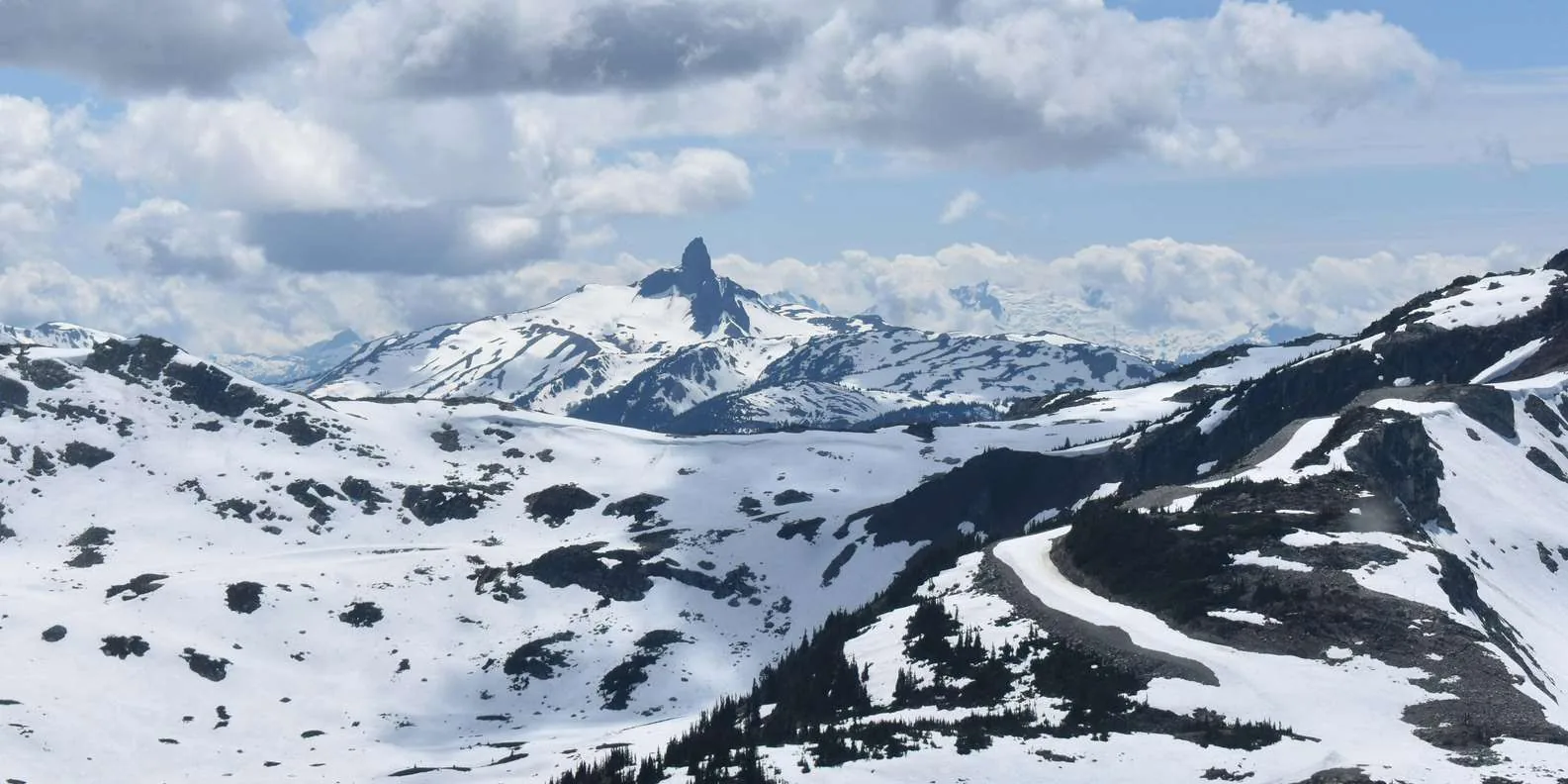
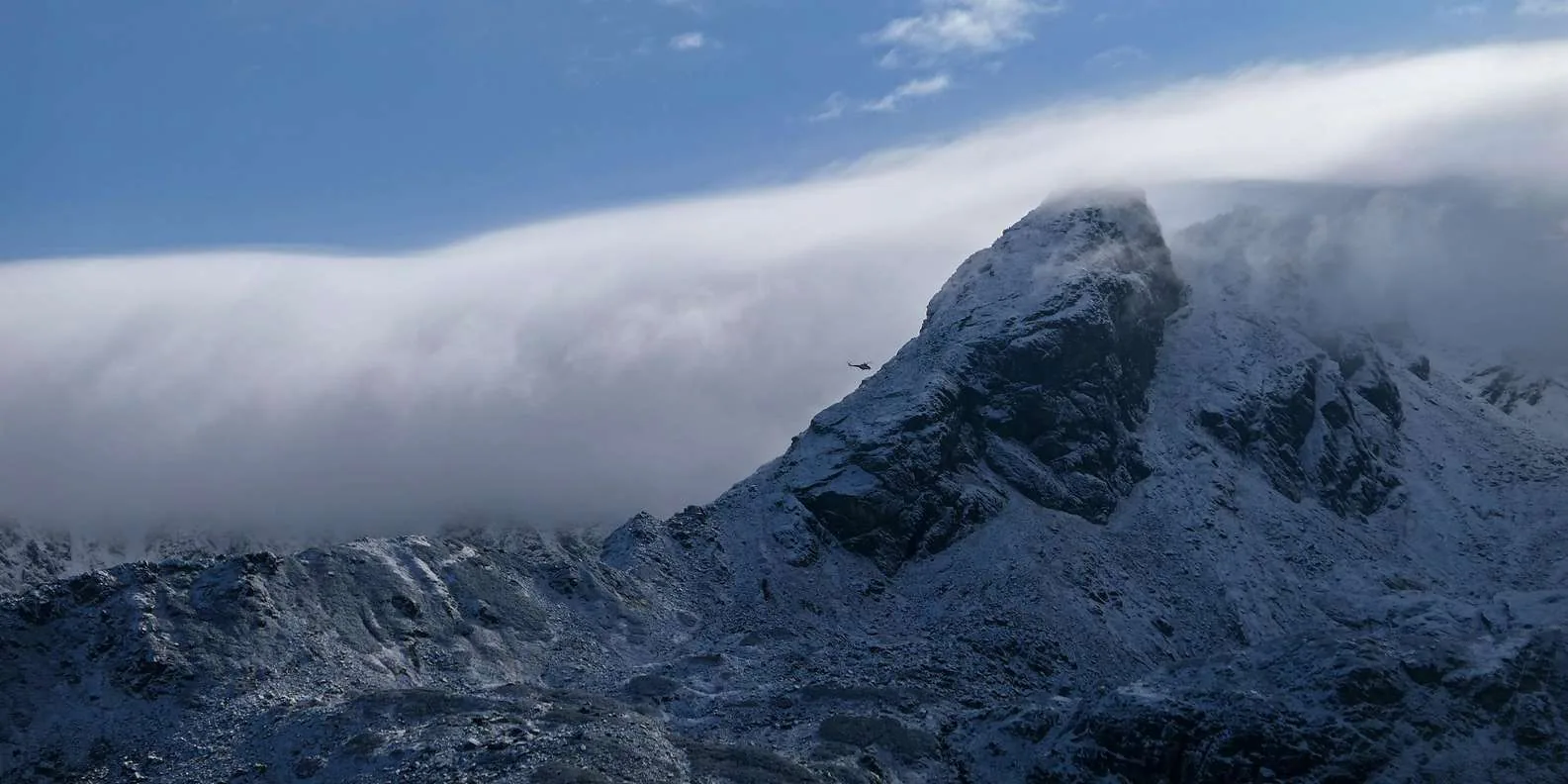
Book the morning departure. Himalayan weather is clearest before 10 AM, and later flights face higher cancellation risk. October-November and March-May are the most reliable months; during the June-September monsoon, expect delays and cancellations on short notice. Bring your passport — airline check-in requires it for all passengers, including children. Cameras are allowed and encouraged; a polarizing filter cuts window glare. Seats on the right side of the aircraft face the peaks on the outbound leg, and the captain banks so both sides see Everest. If your flight is cancelled for weather, you choose between a full refund or a free seat on the next morning's departure. If you are flying out of Kathmandu the same day, book the mountain flight for your second-to-last day, not your last, so a weather cancellation does not jeopardize your international connection.
Reviews from travellers who actually flew with us. Your review appears on this page once our office confirms your trip — usually within a day.