
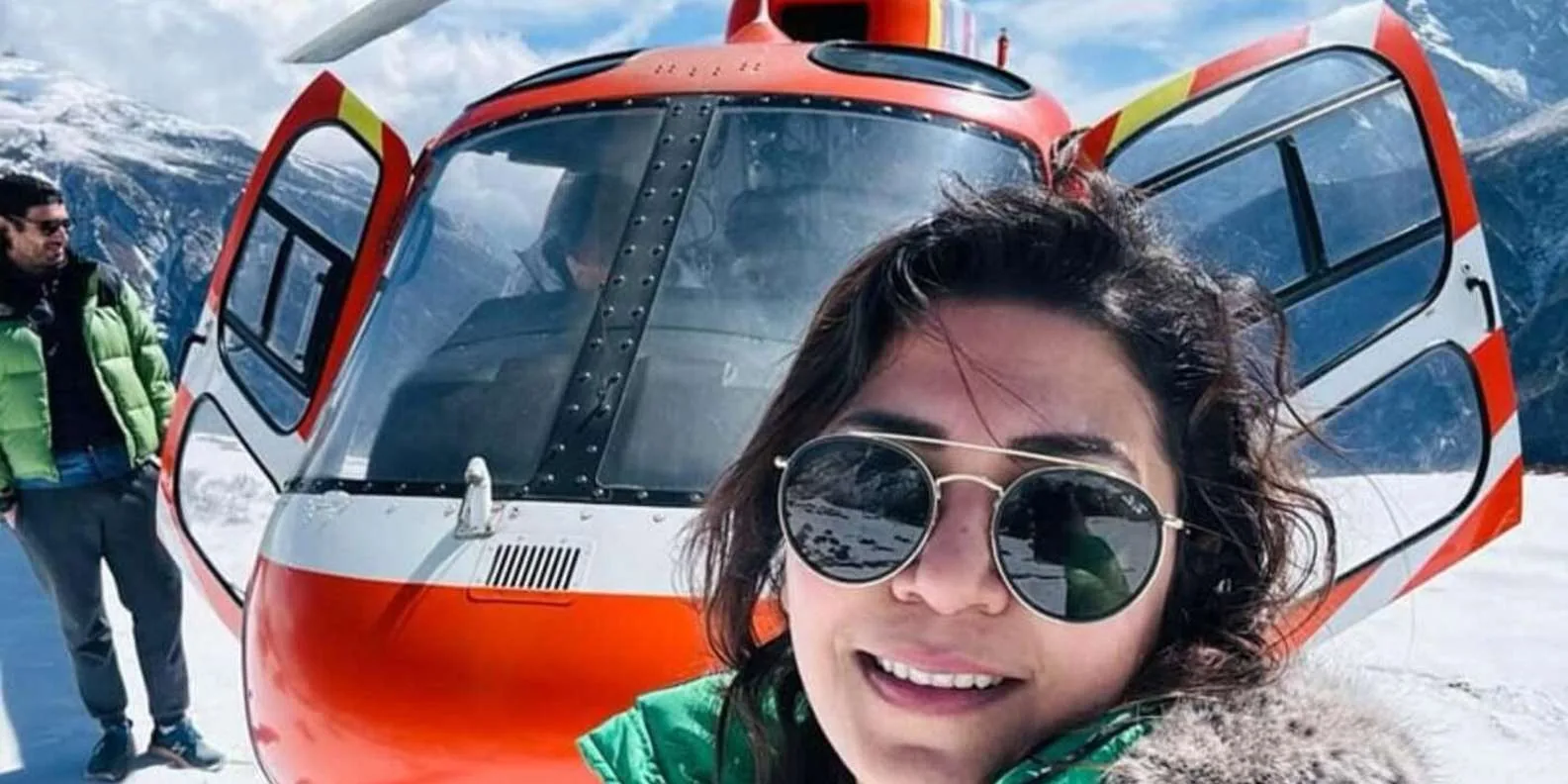
Everest Base Camp Helicopter Day Tour: The Complete 2026 Cost Guide
You can stand at the foot of Mount Everest tomorrow morning — no trekking permit, no two-week expedition, no months of training. The Everest Base Camp Helicopter Day Tour flies you from Kathmandu into the heart of the Khumbu, lands you at Kala Patthar (5,545m) or Everest Base Camp itself (5,364m), and has you back in Kathmandu by early afternoon. It's the fastest, most comfortable way to experience the world's highest mountain, and in 2026 it costs $1,260 per person on a shared flight. This guide covers the real price, exactly how the day works, what's included, and how to book without overpaying. You can also view the full Everest Base Camp Helicopter Day Tour itinerary and book directly.
- $1,260Everest day tour, per seat
- 5,545 mKala Patthar landing
- 6 hrsTypical door-to-door time
- DailyDepartures in season
What Is the Everest Base Camp Helicopter Day Tour?
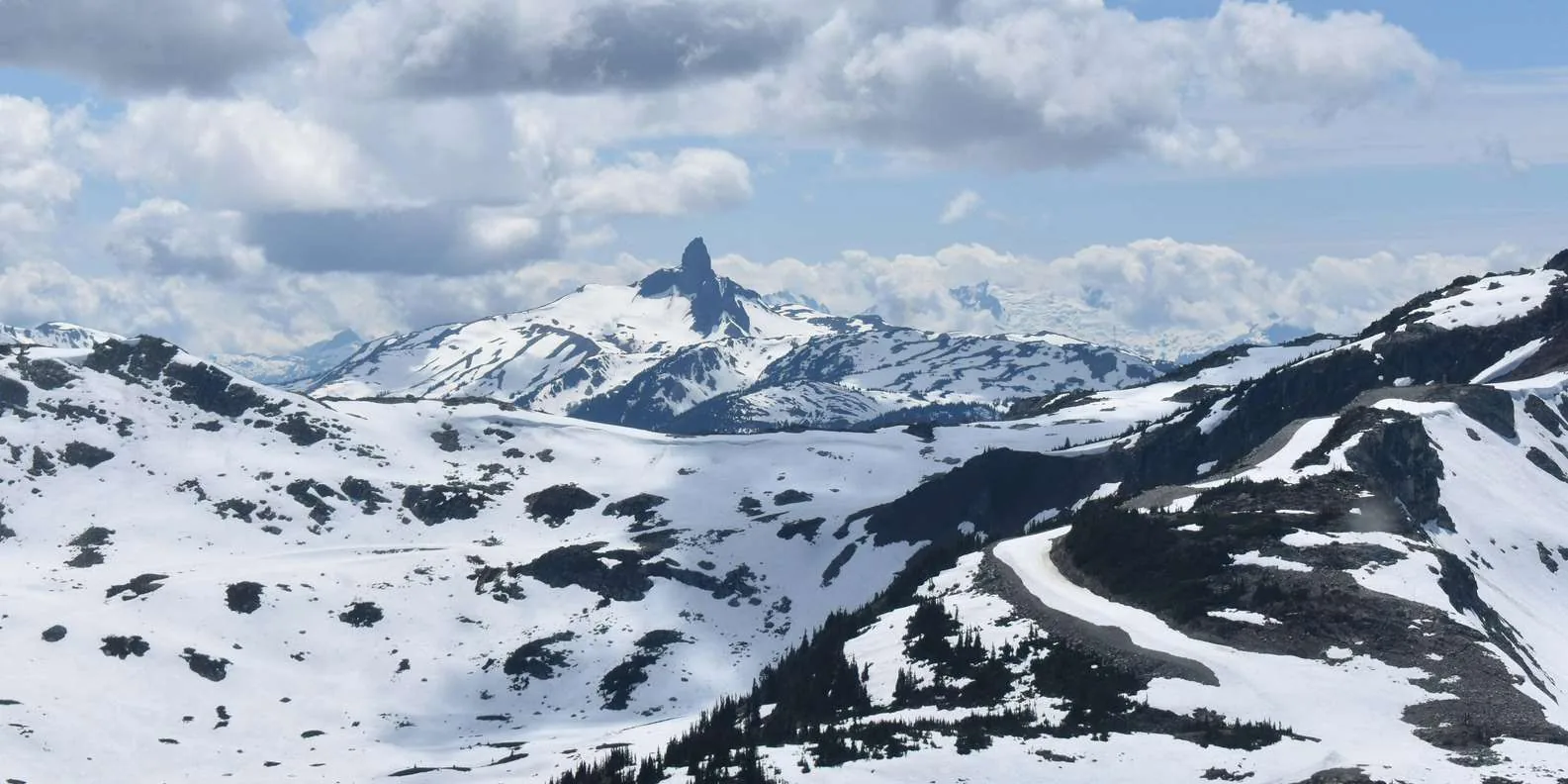
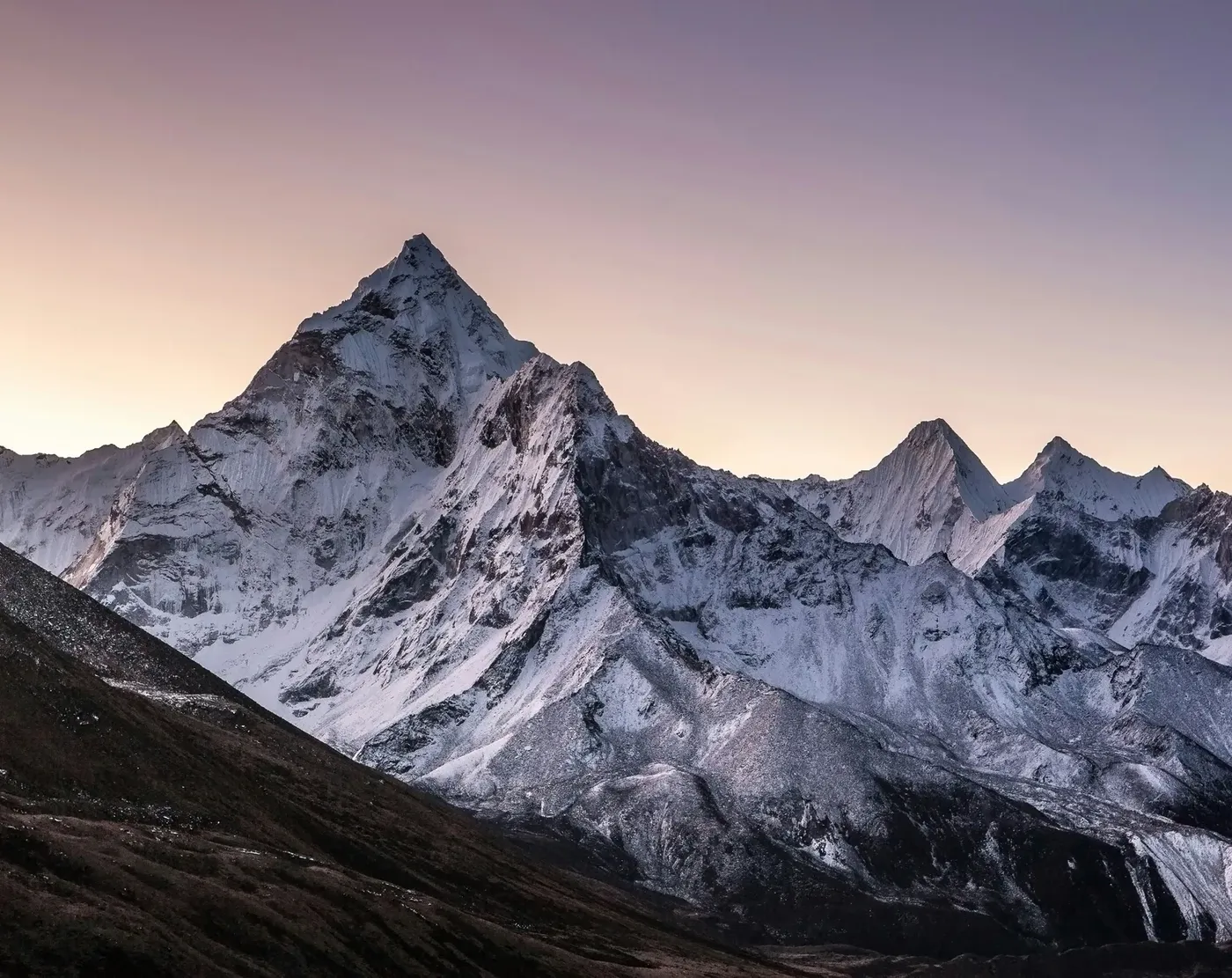
The Everest Base Camp Helicopter Day Tour is a single-morning flight from Kathmandu to the Everest region and back. Instead of committing to the classic 12–14 day trek, you board a helicopter before sunrise, fly over the Langtang and Rolwaling ranges into the Khumbu, and land at one of two legendary spots: Kala Patthar (5,545m) — the famous black-rock viewpoint that offers the closest, most dramatic view of Everest's summit — or Everest Base Camp (5,364m), the staging ground where climbing expeditions prepare for their summit attempts. The landing is guaranteed (subject to weather and regulations), you step out onto the high Himalaya for photos with the world's highest peak directly in front of you, and then you fly home.
The tour also includes a stop at the Everest View Hotel (3,880m) — the highest-placed hotel in the world — where you can have breakfast with Everest, Lhotse and Ama Dablam filling the window. The whole experience takes about six hours door to door, and you're back at your Kathmandu hotel with the rest of your day free. It's the tour that makes Everest accessible to everyone: families, older travelers, photographers, and anyone who wants the mountain without the marathon.
Everest Base Camp Helicopter Day Tour Cost in 2026
Here's the number: the Everest Base Camp Helicopter Day Tour costs $1,260 per person on a shared flight in 2026. That's the price we charge at Heli Tours Nepal, and it's the honest market rate for a genuine day tour with a guaranteed landing. The big marketplaces list this same landing tour from $1,575 a seat, so $1,260 undercuts them by about 20% — not a budget cut-corner price, not a reseller markup.
What does that $1,260 buy you? The round-trip helicopter flight from Kathmandu, the guaranteed landing at Kala Patthar or Base Camp, a scenic stop with time for photographs, hotel-to-airport transfers in Kathmandu, in-flight oxygen and a basic medical kit, a professional high-altitude pilot and ground-support team, and a live tour guide in English, German, Spanish or French. It's a genuinely all-inclusive flight price — the only extras are the items you'd pay for on any Everest trip.
What's Not Included in the $1,260
Three items are paid separately, and it's worth knowing them up front so there are no surprises. The Sagarmatha National Park entry permit costs NPR 7,000 per person (roughly $55) and is required for any visit to the Everest region. Breakfast at the Everest View Hotel costs approximately NPR 4,600 per person (roughly $35) and is paid directly at the hotel. And travel and medical insurance with helicopter-evacuation cover is your own responsibility — we strongly recommend it for any high-altitude trip. Everything else is in the price.
How the Day Tour Works, Step by Step
Here's exactly what your morning looks like, from hotel pickup to return.
1. Early-morning hotel pickup and helipad transfer. Your adventure begins before sunrise. Our team picks you up from your Kathmandu hotel and drives you to the domestic helipad at Tribhuvan International Airport. After a short safety briefing and weight check, you board the helicopter. Departure is typically between 5:30 and 6:30 AM, when the air is calmest and the mountains clearest.
2. Scenic flight over the Himalayas to Lukla. You lift off and climb out of the Kathmandu Valley, flying east over terraced farmland, river gorges and alpine forest. The helicopter follows the classic trekking route toward Lukla, passing above remote Sherpa villages. You'll refuel briefly at Lukla (2,860m), the famous gateway to the Khumbu.
3. Into the Khumbu — Namche, Tengboche and the glacier. From Lukla, you continue up the Dudh Koshi valley past Namche Bazaar and the iconic Tengboche Monastery. The helicopter flies close to the Khumbu Glacier, with Everest, Lhotse, Nuptse and Ama Dablam filling the windows — an unforgettable photo opportunity.
4. Guaranteed landing: Kala Patthar or Everest Base Camp. The highlight of the trip. The helicopter lands at Kala Patthar (5,545m) or Everest Base Camp (5,364m), subject to weather and regulations. You step out onto the high Himalaya for a few precious minutes of photos with the world's highest peak directly in front of you. Move slowly, breathe easy, and soak it in — this is the moment you came for.
5. Breakfast at the Everest View Hotel. On the return leg, you stop at the Everest View Hotel (3,880m) for breakfast with a direct view of Everest, Lhotse and Ama Dablam. It's the highest-placed hotel in the world, and the terrace view is the photo that stops people mid-scroll.
6. Return flight to Kathmandu. You board for the flight back, catching a different light on the peaks, and land in Kathmandu by early afternoon — usually before lunch, with the rest of your day free.
Kala Patthar vs. Everest Base Camp: Where Will You Land?
This is the question every traveler asks, so here's the honest difference. Kala Patthar (5,545m) is a black-rock viewpoint directly opposite Everest's south face. It's widely considered the best viewpoint in the entire Khumbu — closer to the summit than Base Camp, with a more dramatic, head-on view of Everest, Lhotse and Nuptse. Most helicopter tours, including ours, land here when conditions allow, because the view is simply better.
Everest Base Camp (5,364m) is the iconic staging ground where climbing expeditions prepare for their summit attempts. It's a rocky, windswept plateau on the Khumbu Glacier, and standing there puts you at the literal foot of the mountain — but the view of the summit is more distant and partially obscured by surrounding peaks. Base Camp is the more emotionally charged landing; Kala Patthar is the better photographic landing. The exact landing spot is decided on the day based on weather, snow conditions and air-traffic regulations, and both are extraordinary. Whichever you get, you'll be standing higher than 99% of the human race.
What's Included (and What's Not) in the $1,260 Day Tour
A genuine Everest Base Camp Helicopter Day Tour at $1,260 should include: the round-trip helicopter flight from Kathmandu, the guaranteed landing at Kala Patthar or Base Camp (subject to weather and regulations), a scenic stop with time for photographs, hotel-to-airport transfers in Kathmandu, in-flight insurance, oxygen and a basic medical kit, a professional high-altitude pilot and ground-support team, and a live tour guide in English, German, Spanish or French.
What's not included: the Sagarmatha National Park entry permit (NPR 7,000 per person), breakfast at the Everest View Hotel (approx. NPR 4,600 per person, paid at the hotel), travel and medical insurance with evacuation cover, trekking or hiking gear (not needed — this is a flight-only tour), and personal expenses and gratuities. Always confirm these details in writing before you book — the difference between a real day tour and a cut-corner version lives in this list.
Best Time to Book the Everest Base Camp Helicopter Day Tour
The two best windows are late September to November (post-monsoon, stable skies, the clearest mountain views of the year) and March to May (spring, warmer temperatures, excellent visibility before the monsoon builds). Autumn is the most reliable for flying and offers the crispest views; spring is beautiful and slightly less crowded. Within any season, early-morning departures are always best — the air is calmest and the mountains clearest before midday cloud builds up, which is why the day tour leaves before sunrise.
Avoid the monsoon (June–August), when clouds and rain ground most Everest flights, and be aware that winter (December–February) can bring cold, hazy conditions and occasional snow at altitude — flights still operate, but views are less guaranteed and the landing can be snowbound. Whatever season you choose, keep a buffer day in your itinerary: helicopter flights are weather-dependent, and a one-day delay is the most common disruption.
Is the Everest Base Camp Helicopter Day Tour Safe?
Yes — when you fly with a licensed, experienced operator. The helicopters used on this route — typically Airbus H125 (AS350 B3e) or similar high-altitude models — are the workhorses of the Everest region, maintained to international standards and equipped with onboard oxygen. The pilots who fly this route are among the most experienced high-altitude helicopter pilots in the world, many with thousands of hours in the Khumbu, including rescue work. Weather is taken seriously — flights are delayed or rescheduled when conditions aren't right, and a reputable operator will never push a marginal flight.
The main consideration for passengers is the altitude. The landing at Kala Patthar (5,545m) or Base Camp (5,364m) is high enough that you'll feel the thinner air — a slight shortness of breath, a mild headache, or a feeling of light-headedness. For a short visit of a few minutes, these effects are usually mild and pass quickly, but a few habits help: move slowly on the ground, drink water before and during the flight, skip alcohol, and dress in layers. The flight itself is gentle and the cabin comfortable, so the tour is suitable for children and older travelers — families with kids and guests into their 70s do this route regularly. If you have a heart or lung condition, check with your doctor before booking.
Everest Base Camp Helicopter Day Tour vs. Trekking
Some travelers consider trekking to Everest Base Camp instead of flying. Here's the reality: the classic trek takes 12–14 days round trip, costs $1,500–$3,000 per person when you add up the Lukla flights, guide, permits, teahouses and meals, and demands a real level of fitness and a tolerance for altitude. You'll walk for hours every day, sleep in basic lodges, and risk altitude sickness that can end the trip early. It's a magnificent experience for those who want it — but it's a two-week commitment.
The helicopter day tour delivers the same destination — standing at the foot of Everest — in a single morning, for $1,260, with none of the physical demands. You see more of the region from the air than most trekkers see on foot, and you're back in Kathmandu by lunch. For travelers whose goal is specifically to experience Everest and the Khumbu panorama, the day tour isn't just more comfortable; it's often the better value. For a deeper comparison of flying versus trekking, see our Everest Helicopter Tour Cost guide.
How to Book the Everest Base Camp Helicopter Day Tour (Without Overpaying)
The Everest helicopter market has a markup problem: overseas agents and resellers routinely add 20–40% on top of the local operator price, and some cut corners on the landing or the inclusions to hit a low headline number. Here's how to book smart. First, book with a licensed local operator — a company registered in Nepal with its own flight operations or direct airline partnerships. Local operators quote the real price without reseller markup. Second, confirm the landing is guaranteed — some cheap tours fly over the region without landing, which defeats the purpose. Third, get the inclusions in writing — the flight, the landing, the transfers, the guide and the oxygen should all be itemized. Fourth, ask about the weather policy — what happens if your flight is delayed, and whether you get a refund or a free reschedule. A confident operator answers all of these instantly. You can request a day tour quote from us directly — we respond with a full written breakdown, usually within a few hours.
What to Bring on Your Everest Base Camp Helicopter Day Tour
You don't need trekking gear, but a few items make the morning far more comfortable. Warm layers — a fleece or light down jacket, because the landing at 5,545m is cold and windy even on a sunny day. Sun protection — sunglasses and sunscreen, because the high-altitude sun is intense and the snow glare off the Khumbu Glacier is real. A camera or phone with plenty of storage — you'll take more photos than you expect, and the light on the peaks changes minute by minute. Your passport — required for the flight manifest and the park permit. A small amount of cash in Nepali rupees for breakfast at the Everest View Hotel and any souvenirs. And a water bottle — staying hydrated helps with the altitude. Leave heavy luggage at your Kathmandu hotel; the helicopter has limited space and you'll only be gone a few hours.
For reference, Everest (8,848.86 m) is the authoritative background on this feature. Worth a look, though the flying decisions are made locally on the day.
Take this further with Everest Base Camp Helicopter Trek Cost 2026 — Trek Up, Fly Back…, How Much Does an Everest Helicopter Tour Cost in 2026?, and Everest Helicopter Tour vs Base Camp Trek: Honest Comparison.
Frequently Asked Questions
How much does the Everest Base Camp Helicopter Day Tour cost in 2026? $1,260 per person on a shared flight, including the round-trip helicopter, the guaranteed landing at Kala Patthar or Base Camp, transfers, guide, oxygen and in-flight insurance. The park permit (NPR 7,000) and hotel breakfast (approx. NPR 4,600) are paid separately.
How long is the tour? About six hours door to door. You leave Kathmandu before sunrise and are back by early afternoon, with the rest of your day free.
Do I actually land at Everest Base Camp? Yes — the landing at Kala Patthar (5,545m) or Everest Base Camp (5,364m) is guaranteed, subject to weather and regulations. The exact spot is decided on the day; both are extraordinary.
Is breakfast included? Breakfast at the Everest View Hotel (approx. NPR 4,600 per person) is paid directly at the hotel. The flight, landing, transfers and guide are included in the tour price.
Is it safe for children and older travelers? Yes — the flight is gentle and the landing is brief. Move slowly on the ground, stay hydrated, and dress in layers. Families with children and travelers into their 70s do this tour regularly.
What if the weather is bad on my day? Flights are rescheduled to the next suitable window at no extra charge, or refunded if you can't wait. This is why we recommend keeping a buffer day in your itinerary.
Can I book a private helicopter instead of a shared seat? Yes — a private charter reserves the whole aircraft for your group of up to 5, with a flexible departure time. See our Private Everest Helicopter Charter Cost guide for the full breakdown.
Do I need trekking gear or fitness? No — this is a flight-only tour. You step out of the helicopter, take your photos, and step back in. No boots, no training, no altitude acclimatization days required.
Why Book Your Everest Day Tour With Heli Tours Nepal
Heli Tours Nepal is operated by Enticing Himalayas Travel, a licensed Nepali trekking and tour company with years of experience in the Everest region. That means you're booking with the people who actually run the flights — not a reseller adding a markup. We quote transparent, all-inclusive prices, confirm every detail in writing, and handle the permits, transfers and weather contingencies so your only job is to enjoy the view. Whether you want a shared seat on the day tour or a private charter for your own group, we'll build the trip around you. Get your Everest Base Camp day tour quote today — most enquiries receive a full written breakdown within a few hours.
Travellers who want to begin a Khumbu trek rather than fly home the same day should read our Kathmandu to Namche Bazaar helicopter guide, which explains the 3,440 m start and the acclimatisation consequence.