
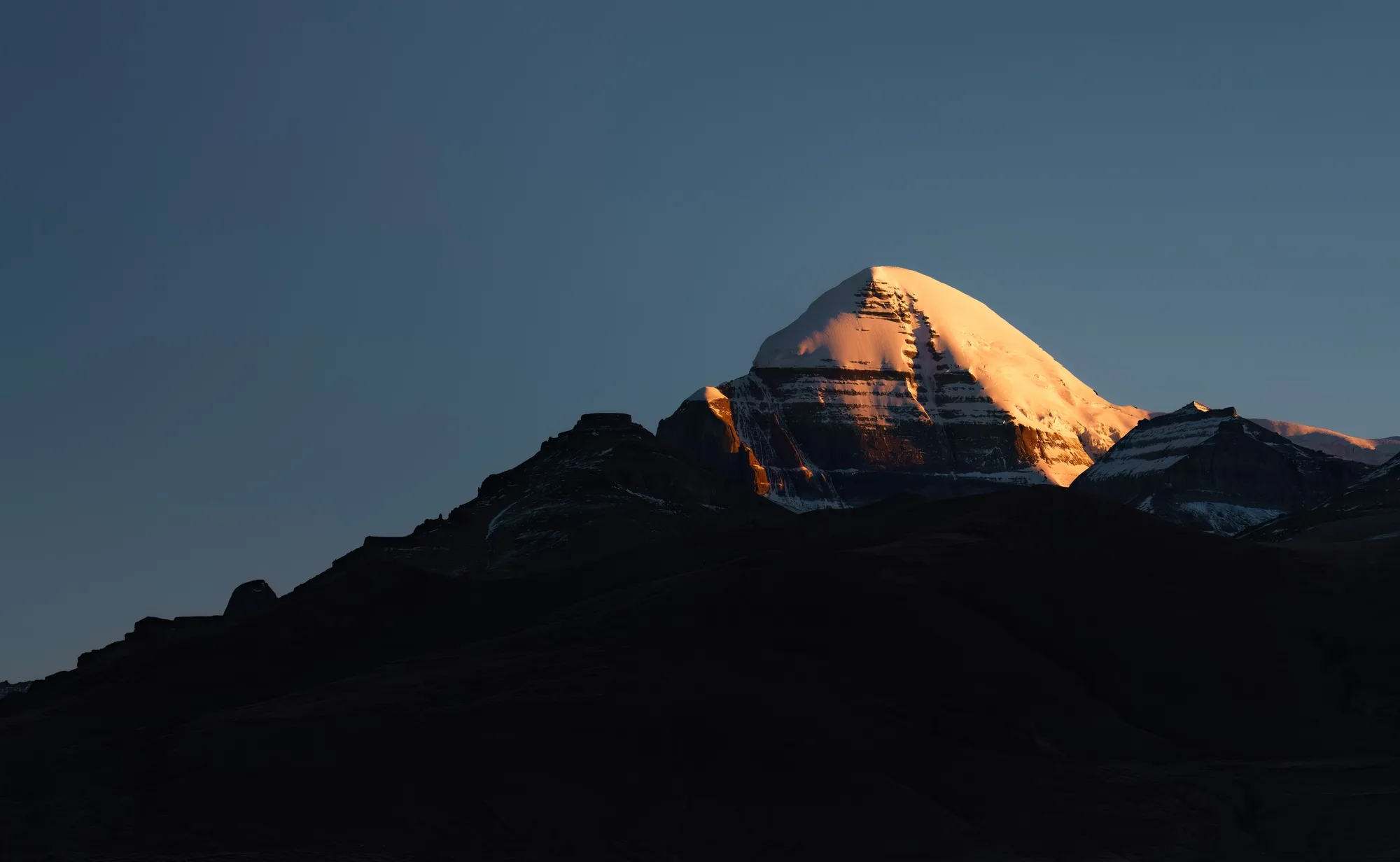
Helicopter rescue in Nepal: the short answer
A helicopter rescue in Nepal costs $1,800–$2,500 to the nearest airstrip and $4,000–$8,000 to Kathmandu, depending on altitude and distance. A realistic call-out reaches most Everest and Annapurna trekking routes in 1–3 hours once weather allows. Rescues are flown by commercial helicopter operators under CAAN regulation, usually coordinated by your insurer's assistance company. Helicopter evacuation insurance is the only thing that reliably pays the bill — standard travel policies frequently exclude high-altitude evacuation.
- Typical cost: $1,800–$2,500 (nearest airstrip), $4,000–$8,000 (Kathmandu)
- Realistic response time: 1–3 hours, weather permitting
- Who pays: your evacuation insurance or assistance company, arranged in advance
- The limit that catches people: many policies cover evacuation only below 4,000–6,000m
If you are searching for helicopter evacuation Nepal costs or emergency helicopter evacuation cover, the numbers above are the realistic 2026 range — not the cheapest quote you will see advertised. This guide breaks down the full cost structure by route, how the call-out chain actually works, and how to choose rescue cover that pays without argument.
- CAANRegulator, all operators
- $1,260EBC day tour, per seat
- 5,545 mMax landing altitude
- 2 daysWeather buffer advised
Every trekking season, helicopters pull trekkers and climbers off the trails and high camps of the Everest, Annapurna, Langtang, and Manaslu regions. Some of these flights look dramatic in photographs. Most are routine. What is rarely routine is the confusion that surrounds them: how a rescue is actually called, who flies it, how long it really takes, what it costs, and who pays the bill.
We are Enticing Himalayas Travel Pvt. Ltd., a Kathmandu-based helicopter tour operator in Thamel, founded in 2012. We fly sightseeing and charter routes across the Nepali Himalaya, and we work alongside the same operators, pilots, and coordination channels that handle emergency evacuations. This guide explains the rescue system the way it actually functions, not the way it is often described in forum posts and travel blogs. There are no invented statistics here and no dramatized incident stories. Where numbers appear, they are typical ranges, and we flag them as such.
If you are planning a trek or a helicopter tour in Nepal, this is the article to read before you buy insurance and before you fly. The goal is simple: set realistic expectations, explain the mechanics, and help you avoid the two most expensive mistakes travelers make — buying the wrong insurance and assuming a helicopter will appear within minutes of a phone call.
How Nepal's helicopter rescue system actually works
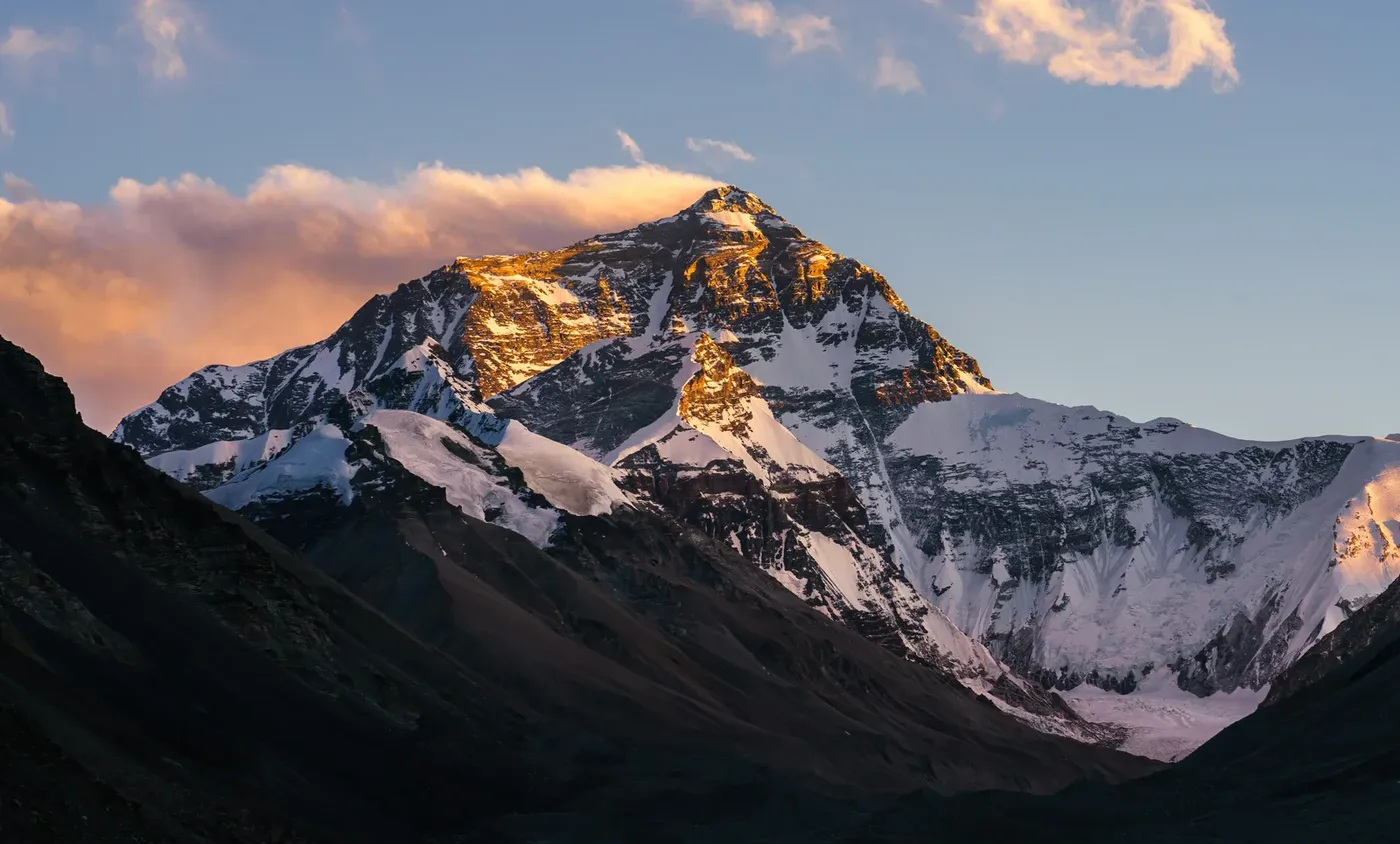
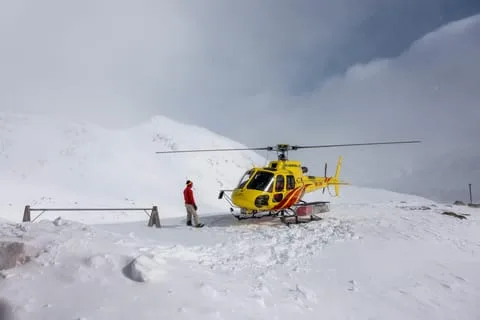
The first thing to understand is that Nepal does not operate a dedicated government air-ambulance fleet. There is no national rescue helicopter service in the way some countries run one. The work of mountain rescue by air is done almost entirely by private helicopter operators, coordinated through the Civil Aviation Authority of Nepal (CAAN) and, in practice, through a web of trekking agencies, insurance assistance companies, and the operators themselves.
In concrete terms, the system works like this:
- Private helicopter companies keep aircraft available for charter and emergency work, especially during the two peak trekking seasons (spring and autumn).
- When an evacuation is reported, the request is typically routed through a trekking agency, a guide on the ground, an insurance assistance company, or directly to an operator. CAAN oversees the aviation side and manages airspace and flight clearance.
- The operator assesses the request — patient condition, location, altitude, landing options, and weather — and assigns an available aircraft and crew.
- The flight is flown, the patient is retrieved, and the patient is delivered to a hospital in Kathmandu or, for less critical cases, to the nearest airstrip with road access.
Because the fleet is private, rescue capacity is real but finite. During busy weeks in the Everest region, multiple evacuations can be requested in a single day, and aircraft are task-assigned in the order that weather and safety allow. This is one reason response times are measured in hours rather than minutes, and why the system depends so heavily on good information from the ground.
There is no charge-free safety net. Every rescue flight is billed, and the bill is settled by the patient's travel insurance or, where insurance does not apply or is insufficient, by the patient directly. We cover cost in detail below, but it is worth stating early: in Nepal, someone always pays for a helicopter evacuation.
Who flies rescues in the Himalaya
The helicopters that fly rescues are the same helicopters that fly tours. There is not a separate rescue-only fleet. The workhorse of both roles in Nepal is the Airbus H125 (the aircraft previously marketed as the AS350 B3e), a single-engine turbine helicopter with an exceptional high-altitude performance record. It is the aircraft you will see on Everest Base Camp tours, and it is the aircraft that typically performs high-altitude evacuations.
The H125 suits this environment for several reasons:
- Strong power-to-weight ratio, which matters in thin air above 4,000 metres.
- Ability to operate from confined, unprepared, and sloping landing areas common in the mountains.
- Capability to fly longline (sling) operations, where a patient is lifted on a line beneath the helicopter when no landing is possible.
- A relatively small footprint, which lets it work in valleys and on ridgelines where larger aircraft cannot.
The pilots are the same mountain-experienced crews in both roles. A pilot who flies Everest sightseeing routes knows the same valleys, the same wind patterns, and the same emergency landing options as a pilot tasked with an evacuation. That overlap is a strength of the Nepali system: the people who fly rescues fly these mountains every day, not occasionally.
What differs between a tour and a rescue is not the aircraft or the pilot. It is the mission profile, the risk tolerance, and the coordination behind the flight. We explain that distinction in a later section, and you can read more about how we run our own flights in our helicopter tour safety and insurance overview.
The typical rescue sequence, from first report to hospital
Most evacuations in Nepal follow the same broad sequence. Understanding it helps you set expectations and helps you provide the right information if you are ever involved in one.
1. The report
A rescue begins when someone reports a problem. This is usually a guide, a lodge owner, a trekking agency office in Kathmandu, or the traveler's insurance assistance line. The report needs to include the patient's location, altitude, symptoms, the number of people involved, and the current weather at the site. The more precise this information, the faster and safer the response.
2. Assessment and triage
The receiving party — often the insurer's assistance company working with an operator — assesses the situation. Is this a genuine emergency requiring air evacuation, or can the patient descend on foot or by road? Is the patient stable enough to fly? What landing or longline options exist near the location? This step filters out cases that do not need a helicopter and prioritizes those that do.
3. The weather window
If an evacuation is warranted, the operator waits for a weather window. This is the single biggest variable in the entire sequence and the reason rescues cannot be guaranteed on a fixed schedule. The crew needs acceptable cloud base, visibility, and wind at both the pickup site and along the route. We cover this in depth below.
4. Longline or landing
When the weather allows, the helicopter flies to the site. If there is a safe place to land, the aircraft lands and the patient is loaded. If there is no safe landing — steep terrain, snow, exposed ridge — the crew performs a longline operation, lifting the patient (and sometimes a rescuer) on a line beneath the helicopter. Longline work is skilled, weather-sensitive, and one of the reasons high-altitude evacuations cost more than low-altitude ones.
5. Flight to Kathmandu and hospital handover
The patient is flown to Kathmandu, typically to a hospital with emergency and trauma capability, or to the nearest airstrip with road access if the case is less critical and closer to a facility. The handover to medical staff completes the evacuation phase.
Realistic response times: hours, not minutes
This is the expectation that most needs correcting. A helicopter rescue in the Nepali mountains is not an urban ambulance response. You should plan around hours, and in some cases a day or more, not minutes.
Several factors stretch the timeline:
- Weather. If the cloud base is low or winds are high at the pickup site, the aircraft cannot go in until conditions improve. This alone can add many hours or push a rescue to the following morning.
- Remoteness. Some valleys and high camps are far from the nearest available aircraft, and transit time adds up.
- Demand. In peak season, aircraft may already be committed to other evacuations or charters, so your request is queued in order of safety and urgency.
- Daylight. Rescue flights are generally daylight operations. A report that comes in late in the afternoon may mean an overnight wait until first light.
In many cases, a patient reported in the morning in reasonable weather can be evacuated the same day. A patient reported in the afternoon, in poor weather, or in a very remote location may wait until the next flyable window. This is normal and it is not a failure of the system — it is the system working within the real constraints of mountain aviation. The practical takeaway: carry enough supplies, medication, and warm layers to be comfortable overnight, and never assume an immediate pickup.
Why weather dominates everything
If there is one theme that runs through every rescue in Nepal, it is weather. Mountain flying is governed by cloud base, visibility, wind, and precipitation, and these change quickly in the Himalaya. A valley that is clear at dawn can be clouded in by mid-morning; a ridgeline that is calm one hour can be buffeted the next.
The practical consequences:
- Most rescue and tour flights happen early in the morning, when the air is most stable and cloud is least likely to have built up.
- Monsoon season (roughly June through September) makes flying significantly less predictable, with frequent cloud and rain, and evacuations during these months are more likely to face delays.
- Winter brings cold, dense air (which actually helps helicopter performance) but also snow, ice, and shorter daylight windows.
- Even in the best seasons, a rescue is never guaranteed at a specific time. The crew will fly when it is safe to fly, and not before.
This is exactly why we run our own tour flights the way we do: a weather assessment before every departure, and a willingness to delay, reroute, or cancel when conditions are not right. The same discipline that keeps tours safe governs rescues. You can read how we handle weather-related changes in our cancellation and weather policy guide.
How much does a helicopter rescue cost in Nepal?
We will be direct about cost, because it is the question travelers most need answered honestly and the one most often obscured.
A helicopter evacuation in Nepal typically runs from around $4,000 to $10,000 or more, depending on location and flight hours. A short, low-altitude pickup close to an airstrip will sit at the lower end. A high-altitude longline evacuation from a remote region such as the upper Khumbu, the Manaslu area, or far western trails will sit at the higher end, and complex or multi-hour operations can exceed that range.
The main cost drivers are:
- Distance and flight hours. Helicopters are billed largely by time and positioning. The farther the aircraft must fly from base and the longer it operates, the higher the cost.
- Altitude and technique. High-altitude work and longline operations require more skill, more fuel margin, and sometimes more than one attempt, all of which add cost.
- Location. Remote regions with no nearby airstrip cost more to serve than areas close to Lukla, Jomsom, or other hubs.
- Standby and positioning. If an aircraft must reposition specifically for the task or wait on standby, that time is usually reflected in the bill.
Two points deserve emphasis. First, these figures are typical ranges, not fixed prices — every evacuation is priced on its specifics. Second, and most important: the bill is always paid by the patient's travel insurance or by the patient. There is no free rescue service in Nepal. If you fly without adequate evacuation coverage and need a helicopter, you are personally liable for the full cost. This is the single strongest argument for buying proper insurance before you trek.
Typical evacuation scenarios
The table below summarizes common evacuation scenarios, their usual causes, how a response typically unfolds, and the insurance consideration for each. Altitudes and details are approximate and representative, not exhaustive.
| Location | Typical cause | Typical response | Insurance note |
|---|---|---|---|
| Everest Base Camp & Khumbu Valley | Altitude sickness (AMS, HAPE, HACE), exhaustion | Evacuation from Base Camp or lower settlements such as Pheriche; longline may be needed from higher camps | Must cover evacuation to at least 6,000m; Base Camp sits around 5,360m |
| Gokyo Lakes & Cho La area | Altitude sickness, falls | Evacuation via Gokyo landing areas; terrain can require careful approach | Check altitude limits; Gokyo is roughly 4,700–5,000m |
| Annapurna Circuit (Thorong La) | Altitude sickness, snow, injury | Evacuation from Manang or Muktinath; the high pass may require longline | Thorong La is about 5,416m — policy must cover this altitude |
| Langtang Valley | Altitude sickness, injury | Evacuation from the Kyanjin Gompa area or lower valley | Standard evacuation policy usually sufficient; confirm trekking is covered |
| Manaslu Circuit (Larkya La) | Altitude sickness, falls | Evacuation from Samagaon or near the pass; remote, longer flight hours | Remote region — higher flight hours, so higher cost; ensure adequate limits |
| Upper Mustang | Medical illness, injury | Evacuation via Jomsom or Lo Manthang | Remote and restricted region; verify coverage applies there |
Helicopter evacuation cost by route and location
The range above is honest, but it is not useful when you are standing at a lodge trying to work out whether your policy limit is high enough. What you need is the shape of the bill for your route. The table below sets out typical one-way evacuation costs by pickup location, drawn from published operator pricing for the 2026 season.
| Evacuation route | Typical one-way cost (USD) | Flight time | What drives the price |
|---|---|---|---|
| Everest Base Camp / Gorakshep to Lukla | $1,800 – $2,500 | 20–25 min | Short hop to the nearest airstrip; the cheapest way off the Khumbu |
| Pheriche or Dingboche to Kathmandu | $4,000 – $6,000 | 1.5–2.5 hrs | Common altitude-illness pickup points on the walk-out, well below Base Camp but still high |
| Everest Base Camp to Kathmandu | $4,000 – $8,000 | 2–3 hrs with fuel stop | Direct to hospital; high-altitude pickup, longer routing, larger fuel margin |
| Annapurna Base Camp to Pokhara | $2,000 – $2,500 | 20–30 min | Short transfer to the nearest city with a hospital |
| Annapurna Base Camp to Kathmandu | $4,000 – $7,000 | 2–3 hrs | Longer positioning and no local hospital handover |
| Manang or Thorong La area to Kathmandu | $4,000 – $5,000 | 2–2.5 hrs | Remote high pass; longline may be required and weather windows are narrow |
| Manaslu region to Kathmandu | $4,000 – $5,000 | 2–3 hrs | Remote-area surcharge; restricted-area permits mean fewer nearby alternatives |
| Langtang Valley to Kathmandu | $3,000 – $4,000 | 1.5–2 hrs | Closer to Kathmandu, but the valley limits where an aircraft can land |
| Upper Mustang, Dolpo, Kanchenjunga or Makalu | $5,000 – $10,000+ | 3 hrs or more | Among the most remote pickups in Nepal; multiple fuel stops and heavy positioning |
Three things are worth reading into that table. First, the biggest variable is not distance flown but where the aircraft starts from — a helicopter already sitting in Lukla or Pokhara costs a fraction of one that must fly out from Kathmandu and return. Second, the jump from "$1,800 to Lukla" up to "$4,000-plus to Kathmandu" is the most important number on this page: getting off the mountain is cheap relative to getting off the mountain and to a hospital. Third, every figure is one-way, and the empty positioning leg to reach you is normally part of your bill.
Read your policy limit against these numbers, not against the headline range. A $5,000 evacuation limit is comfortable for an Annapurna Base Camp transfer to Pokhara and inadequate for a Base Camp flight to Kathmandu. The limit — not the premium — is what decides whether you pay anything yourself.
What actually determines the evacuation cost
Because no two evacuations price identically, it helps to know which levers move the number. In practice there are six.
- Pickup altitude and terrain. High-altitude pickups reduce safe payload, which can mean more flights or a lighter load. Longline work — where the aircraft cannot land and must winch — is slower and dearer than a landing.
- Positioning distance. The aircraft almost always has to fly to you before it flies you out, and that leg is billable flight time.
- Weather and repeated attempts. A failed approach through cloud is still flight time. Evacuations needing two or three attempts cost more than a clean one.
- Number of patients. A shared flight divides the cost; a single-patient evacuation carries all of it. This is why evacuations are sometimes arranged with other trekkers where medically appropriate.
- Destination. Lukla or Pokhara is cheap. Kathmandu — or a specific hospital inside Kathmandu — is not.
- Time of day. Mountain flying concentrates in the morning when air is stable and visibility best. An urgent late-afternoon or night evacuation may not be possible at all, and if it is, it costs more.
The evacuation timeline, stage by stage
It helps to see where the hours actually go, because most of them are not spent flying. Each stage below is a separate handover, and any one of them can stall.
| Stage | Realistic time | What is happening |
|---|---|---|
| Decision and call | 30–90 min | A guide, lodge owner or doctor assesses you and the request is raised |
| Insurance authorisation | 30 min – 2 hrs | Your insurer or its assistance partner verifies cover and approves the flight |
| Aircraft positioning | 45 min – 2 hrs | An available helicopter flies to your location from Kathmandu, Pokhara or Lukla |
| Weather window | Unpredictable — hours to a day or more | The dominant variable; cloud, wind and whiteout can ground flights entirely |
| Flight out and hospital handover | 30 min – 3 hrs | Dependent entirely on your location and where you are being taken |
The lesson in that table is that authorisation is a real part of the timeline, and you can shorten it before you ever leave home. Saving your insurer's 24-hour assistance number offline, and understanding in advance who is authorised to approve a flight, removes a step that otherwise costs one to two hours at exactly the wrong moment. If you want to see how those hours interact with an actual itinerary, our weather and cancellation policy guide covers how mountain flight windows are managed day to day.
The altitude limit that catches most trekkers
Almost every insurance failure we see comes down to one number: the altitude ceiling written into the policy, not the price paid for it. Standard travel insurance typically covers trekking to around 3,000 metres. A common "adventure" upgrade raises that to about 4,600 metres. Both figures sit below the high points of the treks most people come to Nepal to walk.
| Trek or location | High point | Covered by a 3,000 m limit? | Covered by a 4,600 m limit? |
|---|---|---|---|
| Annapurna Base Camp | 4,130 m | No | Yes |
| Everest Base Camp | 5,364 m | No | No |
| Annapurna Circuit (Thorong La) | 5,416 m | No | No |
| Everest Base Camp via Gokyo or Cho La | 5,545 m | No | No |
The arithmetic is unforgiving: a 4,600-metre policy looks generous and still leaves you uncovered on the most popular trek in Nepal. Whatever you buy must sit above the highest point you will physically reach, with margin — which is why our own requirement is cover reaching 6,000 metres.
Insurance or evacuation membership: they are not the same product
These two are routinely confused, and the confusion is expensive:
- Travel insurance pays your medical bills — treatment, hospital, and usually the evacuation that gets you to that treatment.
- An evacuation or rescue membership arranges and pays for the flight, and often contributes little or nothing towards treatment.
For a Nepal trek you want travel insurance with high-altitude evacuation cover. A membership is a useful addition, not a substitute: buying a membership instead of insurance can leave the hospital bill entirely yours.
Can you buy helicopter evacuation cover once you are in Nepal?
Yes — and this is one of the most useful things a traveler can know, because the failure case is always the same. Someone arrives with an inadequate policy, discovers the altitude ceiling is too low, and assumes nothing can be done about it.
High-altitude evacuation cover can be arranged in Kathmandu, often within a day, usually as short-term cover matched to your itinerary rather than an annual policy. Practical points:
- Buy it before your trek starts, not midway. Cover purchased after you are already at altitude, or after symptoms have begun, will not respond to that illness.
- Bring your existing policy's details. You need to know what you already hold and where the gap is — normally the altitude ceiling or the evacuation limit.
- Ask for the evacuation limit and maximum altitude in writing before paying, and keep that document with your passport copy.
- Confirm the policy covers helicopter evacuation specifically — not merely "rescue" — and that your trekking region is included.
One caution: locally sold policies are generally evacuation-focused. They are built to move you off the mountain, not to settle a large hospital bill in Kathmandu. If your existing travel insurance has a low altitude ceiling but solid medical cover, the sensible combination can be local evacuation cover layered on top — but read both documents together rather than assuming they interlock. Our safety and insurance guide covers the operator-side licensing questions that go with this.
Nepal's helicopter evacuation system at national scale
Most guides describe rescue as though the only scenario is a single unwell trekker on a popular route. The August 2026 Bhotekoshi flood showed the same system operating at an entirely different order of magnitude, and it is worth understanding because it explains how Nepali evacuation capacity is genuinely organised.
When the flood tore through the Bhotekoshi gorge on 26 August 2026, roads and bridges across Rasuwa, Nuwakot and Dhading were severed: between Rasuwagadhi and Muglin, 41 bridges were damaged and 35 swept away, along with 53 of 64 suspension bridges. Communities that had always been reachable by road became reachable only from the air. Helicopters shifted from an emergency medical service into the primary transport network for the region — carrying injured and stranded people out, and food, medicine and rescue teams in.
| Measure | Scale of the August 2026 airlift |
|---|---|
| People rescued across the operation | Over 13,000 at the peak of reporting |
| Rescued individually by the three security forces | Nepal Army 4,157 · Nepal Police 4,068 · Armed Police Force 4,870 |
| People airlifted by Nepal Army aircraft | 3,957 — including 273 foreign nationals and 3,684 Nepali citizens |
| Army-coordinated flights | 881, plus 129 flights by private helicopter companies |
| Busiest single day | 96 flights |
Two lessons carry directly into how a trekker should think about rescue. The first is that capacity is finite and shared. During a mass-casualty event, government and private aircraft are pooled through a coordinated dispatch arrangement, and non-emergency flights are explicitly asked to stand down so helicopters stay free for genuine emergencies. If you are on a mountain during a regional disaster, assume you are competing for airframes.
The second is that the military is a first responder, not your insurer. Nepal Army and Nepal Police helicopters fly disaster response and search-and-rescue at national scale, and they flew nearly 4,000 people out of the Bhotekoshi flood zone. That is a state emergency response, not medical insurance. A commercial evacuation for an individual trekker is arranged through a private operator and paid for by travel insurance or by the patient. Expecting a free state-funded airlift for an altitude-illness case is a common and expensive misunderstanding.
How to protect yourself from an inflated or staged rescue
Nepal has a documented and prosecuted problem with staged helicopter rescues — evacuations arranged or exaggerated for the insurance payout rather than for medical need. You are not expected to audit your own rescue, but in a genuine emergency you will be the least able person in the room to object, so the signals are worth recognising in advance.
In 2026 Nepali authorities charged dozens of people over an insurance fraud network built on staged rescues of foreign trekkers, with investigators describing coordination between trekking operators, helicopter companies, hospitals and clinics. The pattern typically involves an unnecessary flight, a bill inflated beyond the flight actually made, or a patient who was well enough to walk out.
- You are told you must fly, but nobody explains the medical reasoning. A genuine evacuation comes with an assessment — symptoms, oxygen saturation, why descent is not sufficient — that you or your guide can repeat afterwards.
- You feel able to walk, and no clinical justification is offered for flying. Descent on foot is the standard treatment for mild altitude illness, so a flight offered to someone who could walk down has the classic staged-rescue shape.
- The paperwork does not match the flight. You should be able to establish which operator flew, from where to where, and on what date. Discrepancies between the invoice and the actual flight are the core of the fraud.
- You are asked to sign a blank or unexplained insurance form. Never sign a claim document you have not read or whose numbers you cannot verify — your signature is what makes the claim yours.
- Pressure to use one specific hospital or clinic. Kickbacks to referring clinics were a documented feature of the scheme.
Your practical protection is a record. Keep a dated note of the event — the location, your symptoms, who decided a flight was needed, and the operator's name if you can see it — and photograph any form you sign. That record is what allows your insurer to validate a genuine claim, and what protects you if your name ends up attached to an inflated one. If you are asked to take part in a flight you do not believe is medically necessary, say so plainly and note it; nothing about a genuine evacuation requires you to be a passive participant.
What reputable operators do instead
The strongest structural guard against a staged rescue is independent assessment. A legitimate evacuation is coordinated with the patient’s insurer or its assistance partner, which performs its own check on whether the flight is warranted — this third-party review is what removes the incentive to invent one.
Licensed operators also fly on assessed clinical need rather than on filling a billable slot, keep transparent records of the request, the assessment, the flight and the billing, and refuse commission-driven referrals to particular clinics. A refusal to be specific about any of those four things is itself the warning sign.
Planning a high-altitude flight? Start with the route
If you are weighing a helicopter flight for the views rather than for an emergency, the same aircraft and the same weather windows apply — minus the medical urgency. Two good places to start are our Everest Base Camp helicopter trek and the Annapurna return trek, both of which are built around early-morning flying. If your interest is specifically in how the Khumbu shuttle works, the Kathmandu to Lukla helicopter guide covers the corridor that all Everest-region evacuations use. And for cost against a full multi-day trek, the Manaslu return trek cost guide shows how the numbers stack up on a remote route.
Tell us which route you are walking and we will tell you the evacuation figure your policy needs to clear — and what cover we require before we put anyone on a mountain. Get in touch with our team.
Why travel insurance with helicopter evacuation cover is mandatory
Given the cost reality above, adequate travel insurance is not optional for anyone trekking in Nepal — it is mandatory, and our own booking policy requires it. We will not put a client on a trek or a high-altitude flight without confirmation that they hold evacuation coverage. This is not paperwork for its own sake; it is the difference between a managed emergency and a five-figure personal debt.
The specific requirement is coverage for emergency helicopter evacuation to at least 6,000 metres. Many popular treks in Nepal — Everest Base Camp, the Annapurna Circuit, Manaslu — reach altitudes above 5,000 metres, and a policy that only covers evacuation to 4,000 metres will leave you exposed exactly where you are most likely to need it.
Insurance is comparatively inexpensive. A policy that covers high-altitude trekking and emergency evacuation for a two-week trip typically costs a small fraction of one evacuation. The arithmetic is not close: the insurance is worth it every single time, even if you never use it.
Choosing the right policy: what to actually look for
Not all travel insurance is equal, and the most common failure we see is a traveler who bought a policy in good faith only to discover, mid-emergency, that it does not cover the evacuation they need. Here is what to check before you buy.
- Emergency evacuation, not just medical. A policy can have generous medical cover and still exclude or cap emergency evacuation. You need explicit emergency evacuation and repatriation cover. Medical treatment and evacuation are two separate benefits — confirm both.
- Altitude limit. Check the maximum altitude the policy covers for trekking and evacuation. For Nepal's main treks, you want at least 6,000 metres. If your policy lists a lower ceiling, it is the wrong policy.
- Adventure activity exclusions. This is the most common mistake. Many standard policies exclude what they classify as "adventure" or "hazardous" activities, and trekking above a certain altitude can fall into that category unless the policy explicitly includes it. Read the exclusions list and confirm trekking at your planned altitude is covered.
- A 24-hour assistance line. The policy should provide a round-the-clock emergency assistance number that can coordinate a rescue directly with operators on the ground. In an emergency, this line — not you — should be arranging the helicopter.
- Direct payment or guarantee of payment. Some insurers pay the operator directly or issue a guarantee of payment; others require you to pay upfront and claim later. In a $4,000–$10,000 evacuation, the difference matters enormously. Prefer policies whose assistance company can guarantee payment to the operator.
- Keep your details accessible. Once you have the right policy, store the policy number and the 24-hour emergency phone number somewhere you can reach offline — printed in your daypack and saved on your phone. In an emergency you should not be searching through email.
Tour flights versus rescue flights: how our operations differ
Because the same aircraft and pilots serve both roles, it is worth being clear about how a scheduled tour flight differs from an emergency evacuation. They are related but distinct operations, and the distinction matters for safety.
- Mission profile. A tour flight follows a planned, scheduled route with known landing points and a defined return. A rescue flight is an on-demand response to an unfolding emergency, often into an unprepared or confined site.
- Weather decision. For a tour, we assess the weather before every departure and will delay, reroute, or cancel if conditions are not suitable. The decision threshold is conservative because the flight is discretionary. For a rescue, the crew still flies only when it is safe, but the mission is managed around the urgency of the patient rather than a schedule.
- On-board equipment. Our tour aircraft carry supplemental oxygen for passengers and crew, which matters at the altitudes we fly. Rescue configurations add medical considerations depending on the patient.
- Risk tolerance. A tour can always be postponed; a rescue sometimes cannot. That difference in urgency is exactly why rescue flying carries different risk management, and why we are transparent about it rather than blurring the two.
If you are considering a scenic or charter flight — for example, our Everest Base Camp helicopter tour — you are booking a planned, weather-assessed, discretionary flight with oxygen on board, not an emergency service. That structure is precisely what makes it safe and predictable.
The real rescue-avoidance strategy: preventing altitude sickness
The best rescue is the one that never has to fly. In the Nepali mountains, the majority of serious evacuations are linked to altitude illness, and altitude illness is largely preventable with sensible ascent and honest self-monitoring. Prevention is not glamorous, but it is the single most effective safety measure available to you.
- Ascend slowly. Above roughly 3,000 metres, a common guideline is to limit your net daily altitude gain to around 300–500 metres and to build in acclimatization days. Rushing the ascent is the most common cause of altitude problems.
- Learn the symptoms of AMS. Acute Mountain Sickness typically presents as headache, often with nausea, dizziness, fatigue, poor appetite, or disturbed sleep. Treat any of these at altitude as a signal, not an inconvenience.
- Do not push through symptoms. If symptoms are more than mild, do not ascend further. If they worsen at rest, descend. Early descent is the most reliable treatment and it works. The trekkers who end up needing evacuation are most often the ones who kept climbing while feeling unwell.
- Know the danger signs. HAPE (fluid on the lungs) and HACE (swelling affecting the brain) are the severe, life-threatening forms. Breathlessness at rest, a persistent cough, confusion, loss of coordination, or extreme drowsiness are red flags that require immediate descent and urgent medical attention — this is when a helicopter becomes genuinely necessary.
- Support the basics. Stay well hydrated, avoid alcohol and sedatives at altitude, eat enough, and rest. None of this replaces a slow ascent, but all of it helps.
- Build buffer into your itinerary. Choose itineraries with acclimatization days and flexible timing. A schedule with no slack pressures you to keep moving when your body is telling you to stop.
A measured ascent and the willingness to turn around will do more for your safety than any helicopter on standby. Fly with operators and guides who take acclimatization seriously, and treat your own symptoms honestly.
What to do in an actual emergency, step by step
If you or someone in your group needs urgent help in the mountains, follow this sequence. It reflects how the system actually responds and will get you the fastest appropriate outcome.
- Stabilize and protect the patient. Keep them warm, keep them still if injury is suspected, and do not leave them alone. If altitude illness is suspected and the patient can move, begin descending.
- Alert your guide, lodge, or agency. Get the word out immediately to whoever is responsible for your trip. They know the local channels and can relay accurate information.
- Contact your insurer's 24-hour assistance line first. This is the most important step. The assistance company coordinates the rescue with operators on the ground, performs the medical assessment, and arranges payment. Let them run the process.
- Provide precise information. Location, altitude, symptoms, number of people, and current weather at the site. Accurate details speed up every subsequent step.
- Prepare for the pickup. Follow the crew's instructions for a landing or a longline lift. Secure loose gear, keep the patient ready, and listen to the rescuers.
If you are a client of ours, our team assists throughout — we help relay information, liaise with the operator and your insurer, and support the coordination from Kathmandu. For urgent matters while you are in Nepal you can reach us at +977 9851144618, and for planning and insurance questions before you travel you can write to bookings@helitoursnepal.com or use our contact page. We would rather answer a cautious question before you fly than manage a preventable emergency after.
For reference, the Sagarmatha National Park office is the authoritative background on this feature.
Read these next: Helicopter Tour Operator in Nepal: How to Choose One (2026) and Helicopter Tour Safety & Insurance in Nepal: What to Know.
Frequently asked questions
How much does helicopter rescue cost in Nepal?
Typically between $4,000 and $10,000 or more, depending on location, altitude, and flight hours. Short, low-altitude pickups near an airstrip sit at the lower end; remote, high-altitude longline evacuations sit at the higher end and can exceed it. The cost is always covered by the patient's travel insurance or paid by the patient — there is no free rescue service in Nepal.
Does travel insurance cover helicopter evacuation?
Only if your policy explicitly includes emergency evacuation. Many policies cover medical treatment but exclude or cap evacuation, so you must confirm both benefits separately. You also need the altitude limit to reach at least 6,000 metres and the policy must not exclude trekking as an adventure activity. Check these three points before you buy.
How fast can a rescue helicopter reach me?
Plan for hours, not minutes. In good weather and with an aircraft available, a morning report can lead to a same-day evacuation. In poor weather, late in the day, or in a remote area, you may wait until the next flyable window — sometimes a day or more. Weather and daylight are the dominant factors, and a rescue is never guaranteed at a fixed time.
What insurance do I need for Everest Base Camp?
You need a policy that covers emergency helicopter evacuation to at least 6,000 metres, includes trekking at altitude (not excluded as an adventure activity), and provides a 24-hour assistance line that can coordinate the rescue and guarantee payment. Everest Base Camp sits around 5,360 metres, so a policy with a lower altitude ceiling is not sufficient.
Can I call a helicopter myself in an emergency?
You can raise the alarm, but the rescue should be coordinated through your insurer's 24-hour assistance line, which arranges the operator, assesses the medical need, and handles payment. If you cannot reach your insurer, alert your guide, lodge, or trekking agency, who will relay the request through the proper channels. Going around the coordination process can delay the response and complicate payment.
Is helicopter rescue guaranteed in bad weather?
No. Rescue flights are governed by the same weather limits as every other mountain flight. If cloud, wind, or visibility make the pickup unsafe, the aircraft will not fly until conditions improve, even in an emergency. This is why you should carry enough supplies to wait overnight and why prevention and early descent matter so much.
How much does a helicopter evacuation from Everest Base Camp cost?
A short transfer from Base Camp or Gorakshep to Lukla typically runs $1,800–$2,500 over 20–25 minutes. A direct evacuation to Kathmandu costs $4,000–$8,000 depending on the pickup point and weather. Pickups lower on the walk-out, such as Pheriche or Dingboche to Kathmandu, usually fall between $4,000 and $6,000.
What evacuation limit should my Nepal trekking insurance have?
Your limit needs to exceed the typical cost of an evacuation from your own route — roughly $2,500 for an Annapurna Base Camp to Pokhara transfer, and up to $8,000 or more for an Everest-region flight to Kathmandu. A $5,000 limit is common and is not enough for every route. Check the limit and the altitude ceiling separately, because a generous limit with a 4,600 m ceiling still leaves Everest uncovered.
Can I buy helicopter evacuation insurance in Kathmandu before my trek?
Yes. High-altitude evacuation cover can be arranged in Kathmandu, often within a day, usually as short-term cover matched to your itinerary. It must be bought before your trek begins and before any symptoms appear, or it will not respond to that illness. Ask for the evacuation limit and maximum altitude in writing, and note that locally sold policies are generally evacuation-focused rather than covering large hospital bills.
Will a Nepal Army helicopter rescue me if I cannot pay for an evacuation?
Army and police helicopters perform disaster response and search-and-rescue at national scale — during the August 2026 Bhotekoshi flood the Nepal Army airlifted nearly 4,000 people. That is a state emergency response, not medical insurance. A commercial evacuation for an individual trekker is arranged through a private operator and paid for by travel insurance or by the patient.
How do I know a helicopter rescue in Nepal is genuine and not staged for insurance?
A genuine evacuation comes with explainable medical reasoning — symptoms, oxygen saturation, and why descent is insufficient. Warning signs include being told you must fly with no clinical justification, pressure to fly when you feel able to walk down, an invoice that does not match the flight actually made, requests to sign blank insurance forms, and pressure to use one specific clinic. Keep your own dated record of the event and photograph anything you sign.
Why do so many travel policies fail on Everest treks?
Because the two numbers that matter are easy to miss. Standard policies often cap trekking at around 3,000 m and adventure upgrades at about 4,600 m, while Everest Base Camp sits at 5,364 m, Thorong La at 5,416 m and the Gokyo or Cho La route at 5,545 m. A policy can look comprehensive and still leave the highest day of your trek excluded.
Final word
Helicopter rescue in Nepal is a capable, real, and well-practiced system — but it is a private, weather-limited, billable service, not an instant or free safety net. The trekkers who are best protected are the ones who buy the right evacuation insurance before they fly, ascend slowly and honestly, and know to call their insurer's assistance line first in an emergency. Get those three things right and you have done more for your safety than almost anything else available. Fly carefully, trek slowly, and let the mountains set the schedule.
What is the response time for a helicopter rescue in Nepal?
A realistic response time is 1 to 3 hours from the call-out reaching an operator, once weather allows. Reports from the trail normally reach a trekking agency or insurer first, who then task a helicopter. Flights are daylight-only and grounded by cloud in the high valleys, so a late-afternoon emergency often waits until the next morning. Anyone promising 15-minute national coverage is describing a best case, not the norm.
Can a helicopter rescue reach you for altitude sickness?
Yes. Altitude sickness is one of the most common reasons for helicopter rescue in Nepal, and evacuation is the definitive treatment once symptoms pass mild AMS. Descending even 500 to 1,000 metres resolves most cases, so a short flight to a lower village or to Kathmandu is usually enough. If you suspect HAPE or HACE, do not wait to see whether it improves: call for evacuation and descend.
Is there a free air ambulance in Nepal?
No general free air ambulance service exists for trekkers, though the Nepali army and some charitable operators assist in large-scale disasters and mass-casualty events. For an individual trekking emergency, the flight is billed commercially and is paid by your insurance or by you. This is why helicopter evacuation insurance is treated as mandatory rather than optional for high-altitude trekking and for our trek-and-fly packages.
What altitude limit should helicopter evacuation insurance have?
Your policy needs an evacuation altitude limit of at least 6,000 metres covering trekking as an insured activity. Many standard policies cap evacuation at 3,000 to 4,000 metres or exclude trekking above 3,000 metres entirely, which means the exact situation you bought cover for is not covered. Check the evacuation benefit and the altitude limit as separate line items before you fly.