
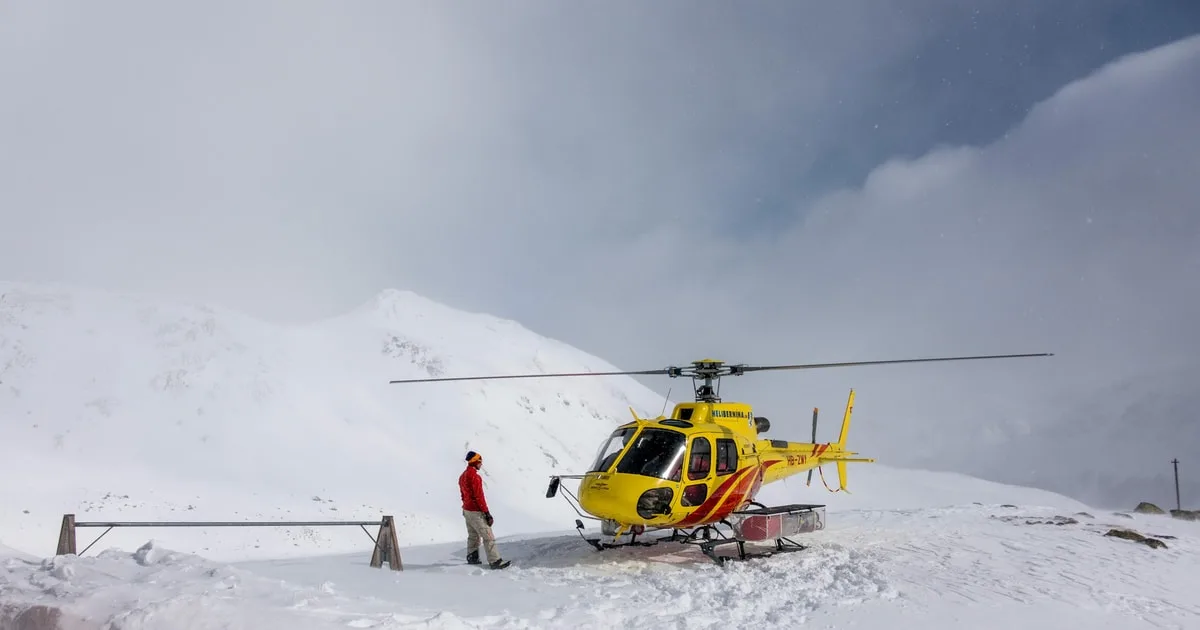
Charter a private helicopter to Everest: breakfast at the Everest View Hotel with the world's highest mountain in your window. 2026 charter rates.
The Private Everest Helicopter Charter Tour is the top tier of Everest sightseeing from Kathmandu: your own helicopter, your own group of up to five, your own timing. Instead of joining a shared-seat flight, you charter the entire aircraft for the morning — fly the full Everest region route, land at Kala Patthar at 5,545 metres, sit down to breakfast on the terrace of the Everest View Hotel at 3,880 metres, and be back in Kathmandu before lunch. This page explains exactly what a private charter buys, what it costs in 2026, and how it differs from the shared-seat and scenic-flight alternatives.
For travellers comparing all the ways to see Everest from Kathmandu, our Everest Base Camp helicopter day tour page covers the shared-seat version of the same routing, and the Everest scenic mountain flight covers the fixed-wing one-hour flight without landings. This page is specifically about chartering the whole aircraft.
Three things separate a charter from a shared flight, and none of them are marketing.
First, the schedule is yours. Shared flights leave between 6:00 and 7:30 in fixed slots; a charter departs in the first weather window you choose, waits for your group at each stop, and can shift the whole morning by an hour if your hotel is late with breakfast. For photographers and families this flexibility is the entire value.
Second, the cabin is yours. Five seats for your group only — no strangers, no seat negotiations, no sharing the window row. On the leg between Kathmandu and the Khumbu every passenger in an AS350 B3 gets a window or an aisle-adjacent seat, but on a charter the front-left co-pilot seat is sometimes also available to a guest, which is the single best camera position in the aircraft.
Third, the routing is yours within safety limits. The standard private routing is Kathmandu → Pheriche or Lukla fuel stop → Kala Patthar landing → Everest View Hotel breakfast → Kathmandu. On a charter you can substitute the landing point (some groups prefer a hover-photography pass over Base Camp instead of the ridge landing), extend ground time at the hotel, or add a second landing at Syangboche when payload allows. Shared flights cannot offer any of this.
Charters fly the AS350 B3 series — the five-seat, high-altitude workhorse that carries almost every commercial Everest flight in Nepal. The type is proven at the very top of the world: an AS350 B3 held the record for the highest helicopter landing ever performed — on the summit of Everest itself in 2005 — and the daily Kala Patthar service at 5,545 metres that our pilots fly is the working proof of that same performance. Your pilot holds a CAAN commercial license with thousands of hours in the Khumbu corridor, flies the route daily through the season, and makes the go/no-go weather call personally.
Weight rules at altitude are physics, not policy. At 5,545 metres the air is roughly half the density of Kathmandu's, and the aircraft's useful load shrinks accordingly. A full five-passenger charter usually requires the Lukla or Pheriche fuel stop on the way out; smaller groups can fly direct. This is also why the per-passenger bag limit on the landing stop is 5 kg — cameras and spare batteries, not luggage.
The flight from Kathmandu tracks east out of the valley, follows the Bhote Koshi, and crosses into the Khumbu past a wall of named peaks — Gaurishankar, Melungtse, Number, Cho Oyu, Gyachung Kang — before Everest appears over the Nuptse wall. The approach to Kala Patthar takes you over Tengboche, the Ama Dablam pyramid, and the whole Khumbu glacier highway from above. Guests consistently describe the 45–50 minute outbound leg as the flight of their lives — and the landing is still ahead of them.
The Kala Patthar landing is short by design: 5–10 minutes on the ridge at 5,545 metres, rotors running, headlamp-briefed approach and exit, cameras out for the 360-degree view of Everest, Lhotse, Nuptse and Pumori. The brevity is altitude physiology — time on the ground at that density altitude is deliberately minimised. For what those minutes look like in practice, our Kala Patthar landing guide covers it in detail.
The breakfast stop is the slow beat of the morning: 45–60 minutes on the Everest View Hotel terrace at 3,880 metres with the Everest range in front of you, coffee or tea and a set breakfast included in the charter price. On a charter, this is where the schedule flexibility shows — you are not waiting for the next shared group's slot.
The return leg to Kathmandu re-crosses the range in 45–50 minutes with the light behind you. Total door-to-door time from your hotel is typically 4–5 hours: the morning of your life compressed into half a day.
A private Everest charter in 2026 costs between 4,500 and 5,500 USD for the whole aircraft for the morning, depending on season, fuel stops and the landing configuration. That price is per helicopter, not per person: for a group of five it lands at roughly 900–1,100 USD per seat, which is less than the per-seat price of some shared flights booked late in October. For couples the per-seat math is what it is — the premium buys privacy and control, not efficiency.
What the price includes: the aircraft and pilot for the morning, hotel transfers in Kathmandu, the Kala Patthar landing, the Everest View Hotel breakfast for the group, and the operator's permits and insurance. What it does not include: tips for the pilot and ground crew, additional hotel nights from weather delays, and travel insurance — which must explicitly cover helicopter flights to 5,500 metres and is checked before boarding. Our full per-route charter price table covers every other routing in Nepal with the same breakdown.
Compared with alternatives: the shared-seat EBC day tour is the same routing at a per-seat price; the one-hour scenic flight is a quarter of the cost but has no landing; and there is no fourth option for landing at Everest's viewpoint. The decision is budget against control.
Charter when: you are 4–5 people (the per-seat math turns favourable), you want photographic control of the morning, your schedule is tight enough that a fixed 6:30 slot is a risk, or the occasion is a honeymoon, anniversary or proposal — all of which are more frequent on our charters than you would expect.
Share when: you are 1–2 travellers, the budget is fixed, and your dates are flexible enough to take the next morning if weather moves the flight. The shared flight is the same aircraft, the same pilot, the same landing and the same breakfast — and our group-joining versus private comparison walks through the decision in detail.
Everest flight mornings are weather events: roughly one morning in four across the year is lost to cloud, wind or visibility, concentrated in the monsoon. A charter gives you first-call on the next morning's window, but it cannot override the mountain. If your morning closes, you fly the next available window at no extra cost or take a full refund if your schedule runs out — the mechanics are in our cancellation and weather policy guide. Build one buffer morning into any Everest booking; build two if you are flying in shoulder season.
Charters are booked the same way as every tour we operate: free enquiry through the contact page or WhatsApp, a written quote with the exact aircraft configuration and routing, a deposit to hold the aircraft, and the balance before departure. The questions that matter before you commit: how many passengers and total weight (this decides the fuel-stop plan), which landing configuration you prefer, and whether your insurance covers the flight. We answer enquiries within about 12 hours, and October charter dates are typically committed by early September.
Charter guests often ask whether skipping the trek means skipping acclimatisation — and the honest answer is that a charter morning is engineered around exactly that. You go from Kathmandu (1,400m) to the highest landing point in the region (5,545m) in under an hour, spend 5–10 minutes there with rotors running, and drop to 3,880m for breakfast. The short ground time, the constant movement, and the pilot's briefing are all altitude-management tools: the exposure is brief by design, and guests with any history of altitude sickness should tell us at booking so the pilot can adjust the ground plan.
Three rules keep the morning comfortable for non-acclimatised guests: move slowly at the landing (every step at that density feels like two), keep the camera strap on your wrist not dangling, and say something at the first sign of headache or nausea rather than toughing it out — the aircraft is the fastest descent machine in the mountains and the pilot would always rather leave early. Guests who follow the briefing overwhelmingly feel nothing but the view.
If the morning is about photographs, the charter math changes. On a shared flight you sit where you are seated, shoot through your window on the outbound leg, and share the landing ridge with four strangers doing exactly what you are doing. On a charter: the front-left seat becomes available in rotation, the pilot can hold a stable pass a beat longer when the light is right, the Kala Patthar ground time runs on your clock, and the breakfast terrace — with its unobstructed south-face panorama — becomes a 45-minute shoot window instead of a meal stop. Several of the images in our gallery pages were made on charter mornings.
Families with teenagers and multi-generation groups are the fastest-growing share of our charter bookings, and the logic is simple: a shared 6:30 slot with strangers is a coordination risk for a family of five, while a charter is just the family, the pilot and the mountain. Weddings, proposals, anniversary mornings and milestone birthdays all happen on the Everest View terrace — tell us at booking and the hotel team can arrange the table, the timing and a discrete photographer position. For elderly parents, the charter is often the only Everest experience that works: no trekking, no bus to Ramechhap, door-to-door in half a day, and a doctor's letter is all the special handling a considerate pilot needs.
Dress for a winter morning in the mountains even in Kathmandu summer: at 5,545 metres the air temperature is well below zero year-round, and the helicopter cabin is unheated. Layers — a warm jacket, hat and gloves — live in your lap, not the hold. Sunglasses are not optional at that altitude and snow glare; sunscreen for the face; a buff for the wind on the landing ridge. Cameras: two batteries kept in an inside pocket (cold kills them at altitude), and the smallest bag you can manage — the 5 kg landing-stop limit is real. Our full packing guide covers the details for every season.
Three products share this route and the choice is genuinely simple once the numbers are visible. The scenic mountain flight: one hour, no landing, from 260 USD — right for a first taste or a tight budget. The shared-seat EBC helicopter day tour: the full landing morning in a cabin of five, around 1,260 USD per seat — right for one or two travellers with flexible dates. The private charter: the same morning owned end to end, 4,500–5,500 USD per aircraft — right for groups of four to five, photographers, families and occasions. When a group of five divides the charter price, all three products converge within a few hundred dollars of each other — and the private morning wins on every dimension except price alone.
Two practical notes from hundreds of charter departures. First, the pickup: charters leave the hotel between 5:45 and 6:15, and a Kathmandu hotel 20 minutes from the domestic terminal needs the pilot's schedule factored in — we coordinate the pickup time against the flight window, not the other way round. Second, the afternoon: do not book anything important after 1pm on flight day; even a flawless morning returns you to the hotel around 11:30, and a weather-shifted one can turn the day into a waiting exercise with a happy ending. The guests who love their charter mornings are the ones who gave the morning to the mountain. Prefer to compare options first? Our <a href="/blog/group-joining-vs-private-helicopter-tour-nepal-2026.html">shared vs private helicopter guide</a> shows what a seat costs against a full-aircraft charter.
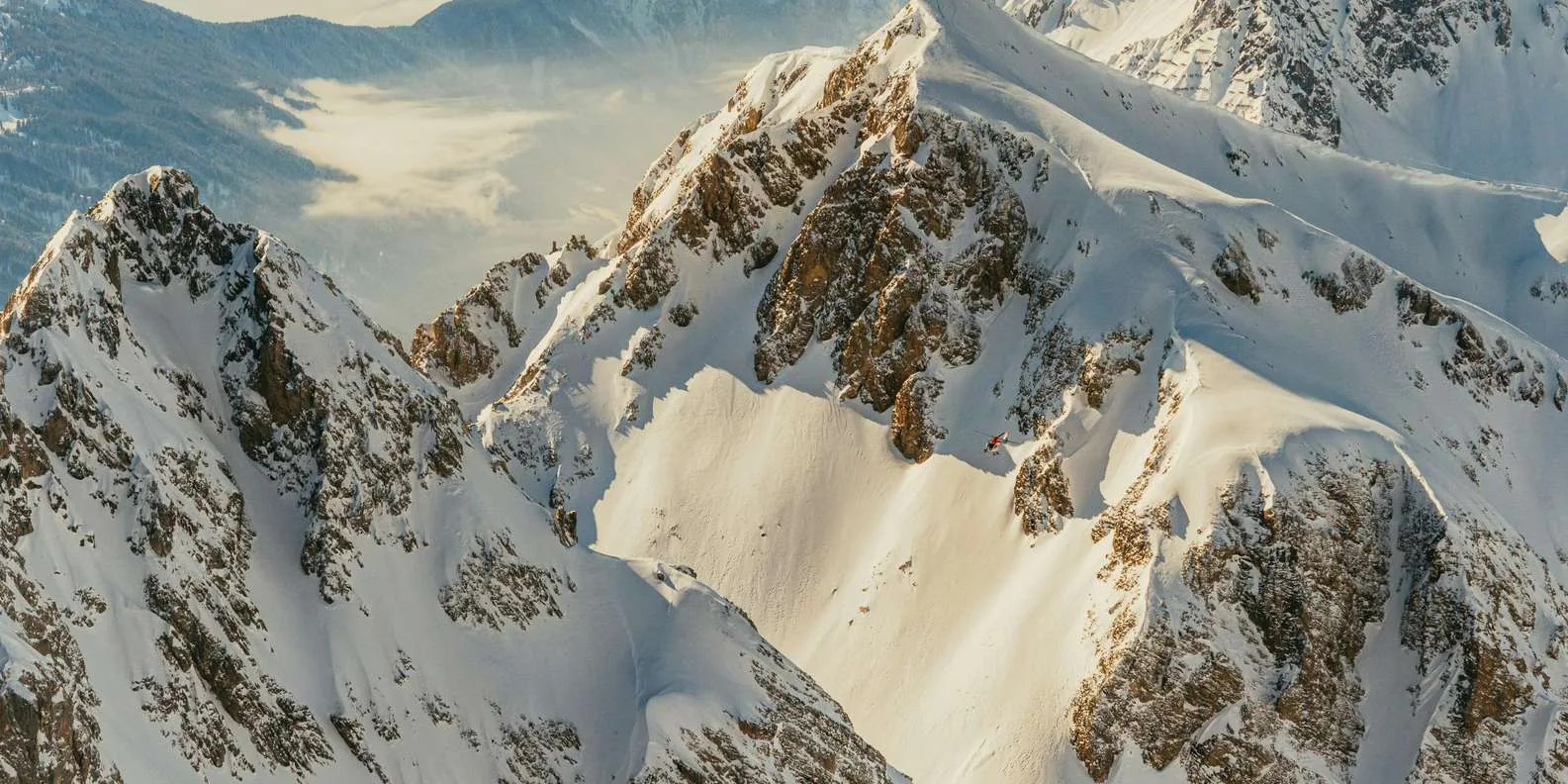
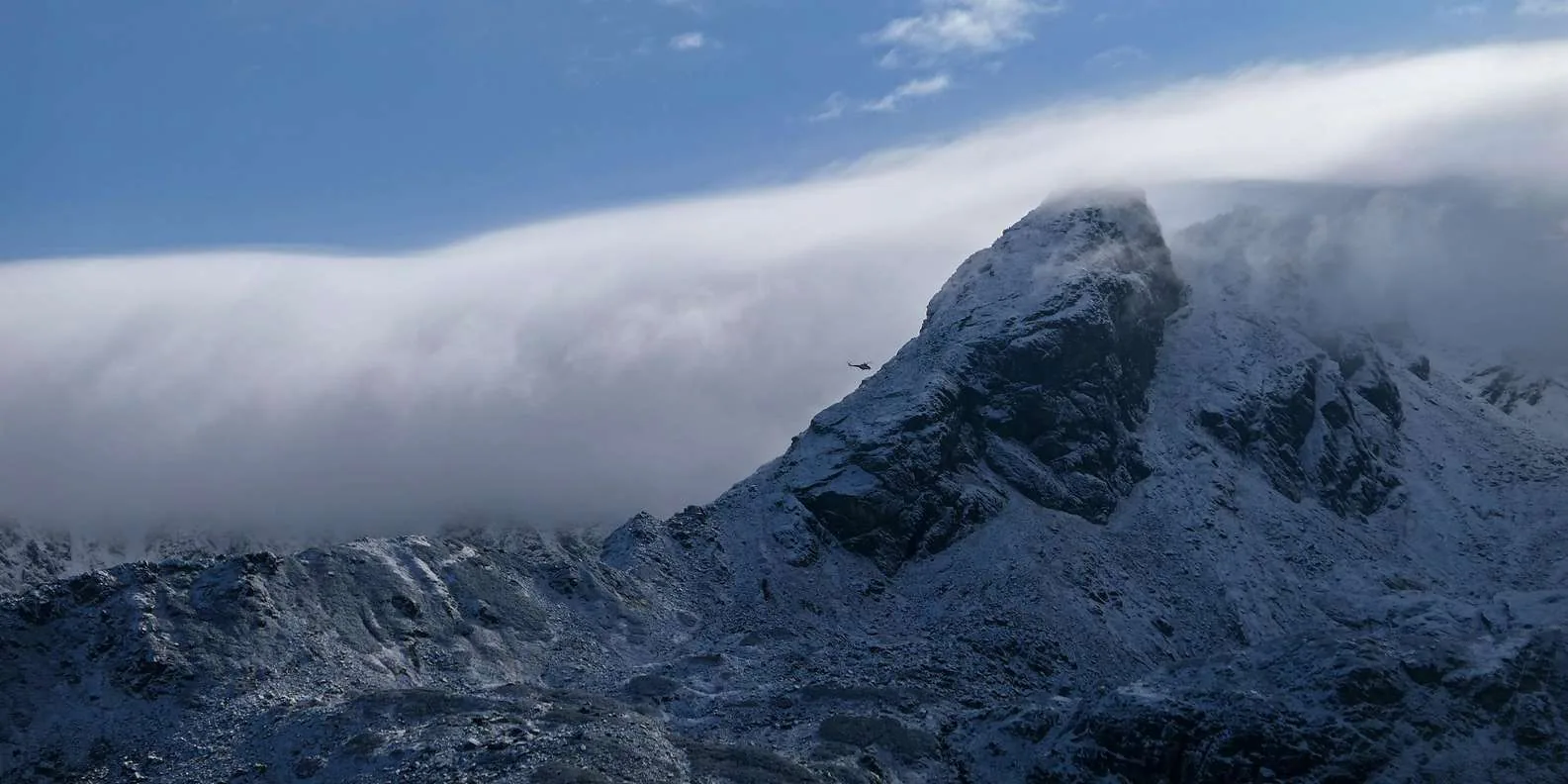
This is a fully private charter — the entire helicopter is reserved for your group of up to 5, so your departure time and how long you stay at the Everest View Hotel are flexible. Flights are weather-dependent; morning departures have the calmest air and clearest mountain views, so we recommend an early start and keeping a buffer day in your itinerary. The Everest View Hotel landing sits at 3,880m — altitude effects are mild for a short visit, but move slowly and stay hydrated. Helicopters have strict weight limits, so travel light; we’ll confirm the total passenger weight when you book. Breakfast at the hotel is paid directly there (approx. NPR 4,600 per person).
Reviews from travellers who actually flew with us. Your review appears on this page once our office confirms your trip — usually within a day.