
Short answer: almost every Nepal helicopter tour that goes wrong goes wrong for planning reasons, not flying ones — booked in the monsoon, no buffer day, unclear whether a landing is included, or a seat bought from a reseller rather than the company that operates the aircraft. The four things that decide whether your flight happens: fly March–May or September–November, book a morning departure, keep one spare day, and confirm in writing what is included — permits and breakfast are often not in the headline price.
- 2 windowsMar–May, Sep–Nov
- Morningfly before the cloud builds
- 1 buffer daythe single best insurance
- Mandatoryinsurance with heli evacuation
The four decisions, in order
1. When. Two windows carry almost all flying in Nepal: March to May and September to November. Outside them you can still fly, but the number of flyable mornings drops sharply — the monsoon from June to September and the deep winter both cost you days. If your trip has any flexibility, put it here rather than in the hotel. The best-time guide has the month-by-month picture, and the winter guide covers what changes in December and January.
2. Which morning. Every flight in Nepal is scheduled early because the air is calmest and the peaks clearest before about 10am. This is not operator preference, it is meteorology, and it is why a 6am pickup is normal on a tour that finishes at lunchtime.
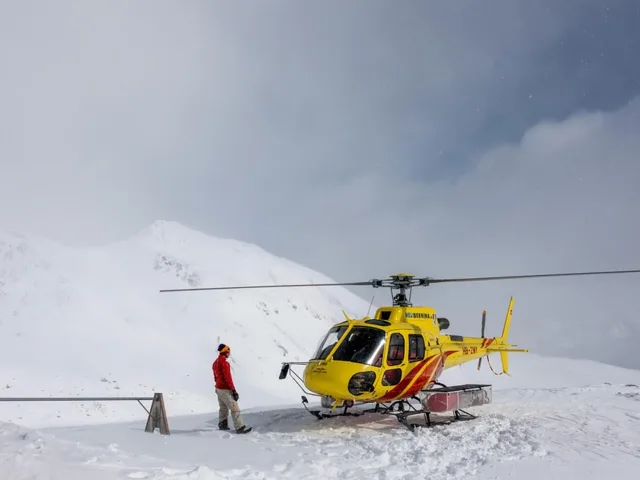
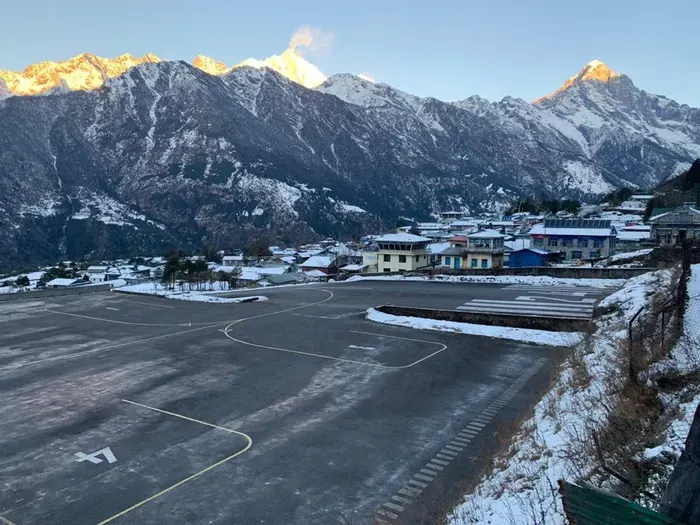
3. Your buffer day. Helicopters do not fly in cloud, wind or unsafe conditions, and a weather cancellation is a routine part of flying in the Khumbu or the Sanctuary rather than a rare failure. One spare day converts a cancelled flight from a disaster into a delay. If you have a fixed international departure the morning after your flight, you have no buffer — and that is the most common expensive mistake in this cluster.
4. What is actually included. Two quotes can both say "$1,260" and sell different things. Ask specifically about national park permits, meals at altitude, landing fees, transfers and whether the landing is guaranteed or "subject to weather and regulations". Every tour page on this site lists inclusions and exclusions line by line for exactly this reason.
The planning checklist, by route type
| If you are booking | Best months | Buffer days | Permits in play | Watch out for |
|---|---|---|---|---|
| A day flight (Everest, Annapurna, Muktinath) | Mar–May, Sep–Nov (Muktinath year-round) | 1 | Sagarmatha NPR 3,000 / ACAP — often excluded from the price | Landing site confirmed on the morning, not in advance |
| A trek with helicopter exit | Mar–May, Sep–Nov | 1–2 | Park permit + TIMS, or restricted-area permit on Manaslu | Baggage limit on the exit flight (10–15kg) |
| A private charter | Mar–May, Sep–Nov | 1 | Same as the day flight | Multi-stop routing changes the price per flight hour |
| A Lukla alternative | Any, but weather-dependent | 1 | Park permit on arrival | Fixed-wing cancellations are the norm, not the exception |
| An event (wedding, proposal) | Mar–May, Sep–Nov | 1–2 | Park permit + DNPWC filming permit for pro photography | An auspicious date has to coincide with a flyable morning |
Read the row that matches your booking before you pay a deposit — every one of the five has a different failure mode, and four of them are solved by the same 24 hours of slack.
How booking works
How booking works
It starts with an enquiry, not a payment. You send your dates, the number of people, and — for a helicopter — real body weights, because the aircraft is performance-limited at altitude as well as seat-limited and the load has to be calculated before the flight. We reply with the slot, the aircraft and a written price, usually within hours, and we arrange the permits.
There is no online card checkout. The price is agreed in writing first. The full mechanics, including how far ahead to book in peak season, are in how to book a helicopter tour in Nepal.
Weather and cancellation policy
The policy is a full refund or a free rebooking when a flight is cancelled for weather. That is the promise, and it is worth understanding why operators can make it: the flights that get cancelled are cancelled for the same reason every time — cloud on the ridge, wind at the landing site, or a forecast that makes the return leg uncertain — and none of those improve by insisting.
What is not covered by that promise is the hotel night the delay costs you in Pokhara or Kathmandu. Budget for it, or buy the buffer day on the front end. The details are in the cancellation and weather policy.
Insurance: the one non-negotiable
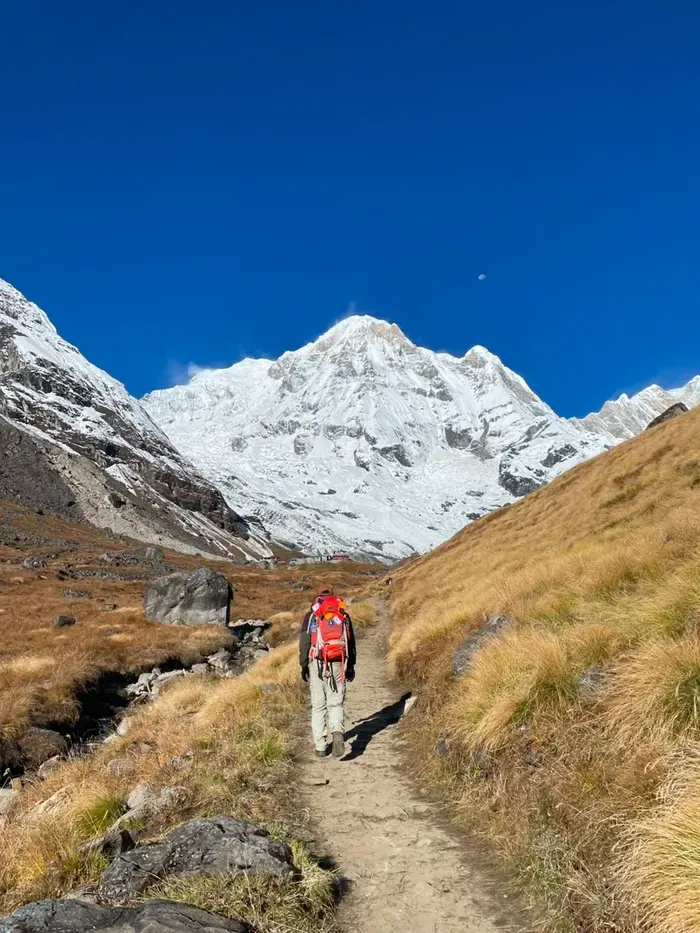
Travel insurance covering helicopter evacuation is mandatory on every route we operate, and on Annapurna it must specifically cover evacuation above 4,500m. This is not a paperwork formality: the aircraft that would come for you is the same kind of aircraft you are flying in, and the cover is what makes that call possible without a payment discussion at 5,000m.
What the cover needs to say, and how evacuation actually works on a helicopter tour versus a trek, is in safety and insurance and how rescue and evacuation work in Nepal.
Permits, weights and the paperwork that surprises people
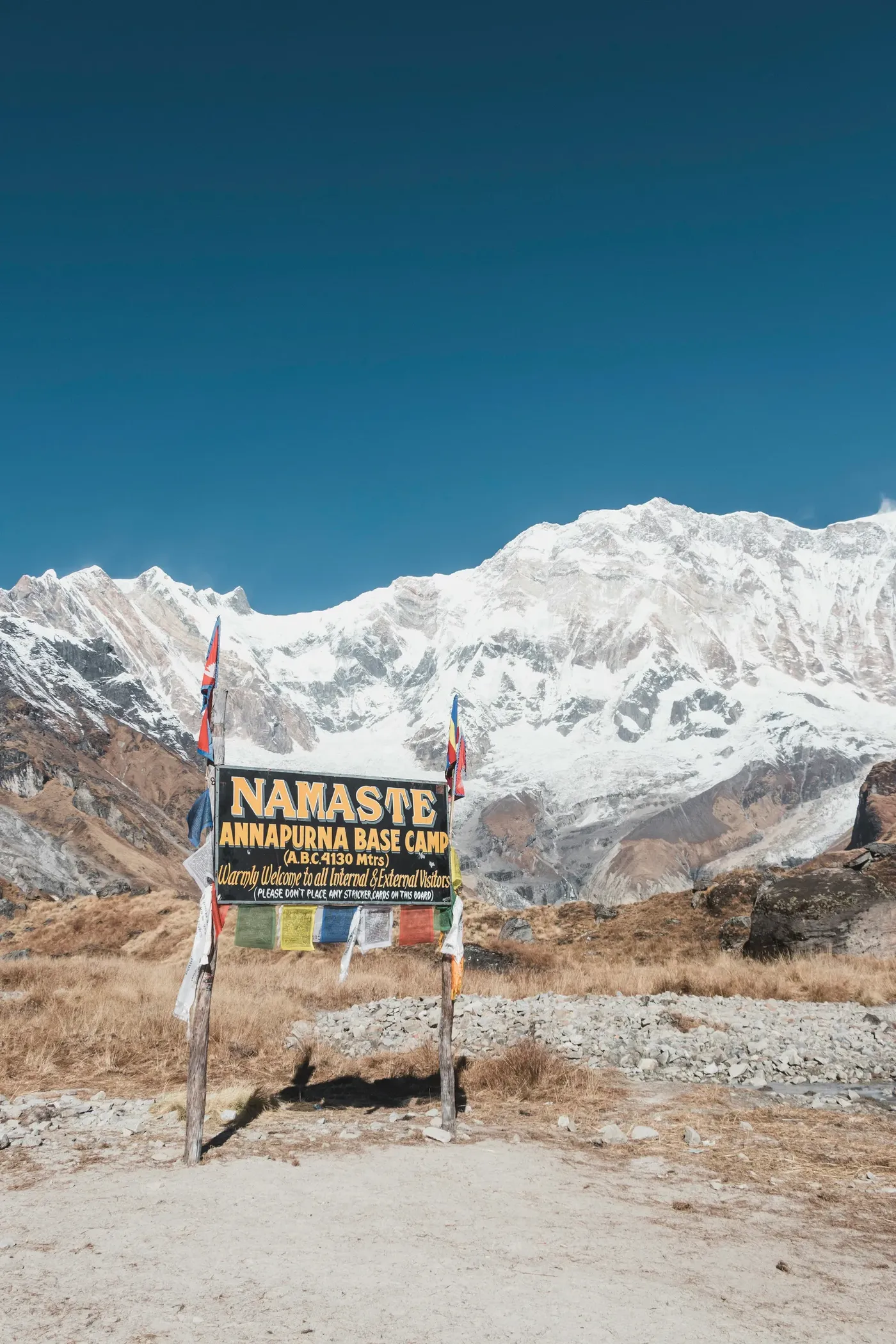
Every mountain flight crosses a protected area, and each has its own permit: Sagarmatha National Park entry (NPR 3,000 per person) on Everest routes, the Annapurna Conservation Area permit on Annapurna, and a restricted-area permit on Manaslu that requires a minimum of two trekkers and a registered agency. Some are inside the tour price and some are not — the permits guide lists which, and the permits guide is the one to read before you compare quotes.
Weights are the other thing that catches people out. Annapurna day flights work to about 80kg per person including hand baggage; helicopter exits on trek-and-fly itineraries allow around 10–15kg of hold baggage with the rest sent down by road. Declare accurate weights when you book — an under-declared load is a safety issue, not an administrative one.
Choosing an operator
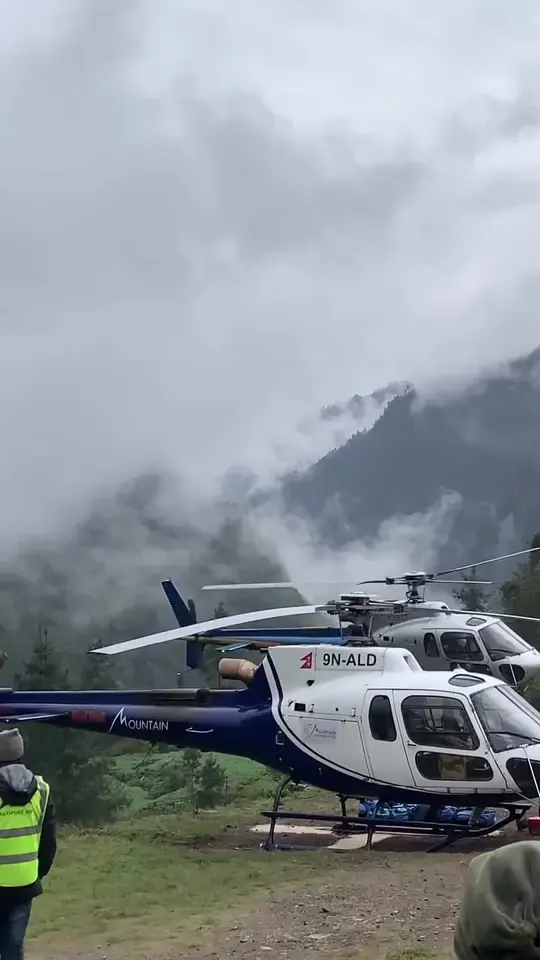
Nepal has a lot of companies selling helicopter tours and rather fewer that own or operate the aircraft. The questions that separate them: who holds the air operator's certificate behind the flight, is the price quoted by the operator or by a reseller marking it up, what is the written weather policy, and can they name the aircraft type and the pilot's high-altitude experience in the Khumbu. How to choose a helicopter tour operator walks through all four, and our own operating position in the Everest region is set out in this guide.
Trekking with a helicopter, and the Lukla problem
If you are trekking rather than touring, the helicopter is usually the exit: you walk in and fly out, which removes four or five days of descent and roughly 4,000m of cumulative downhill. The planning differences — baggage limits, permit types, where the aircraft can actually pick you up — are in the trek-up-fly-back guide.
Lukla is the other recurring planning problem. Fixed-wing flights to Lukla cancel constantly for weather, which is why the helicopter alternative exists at all: the helicopter alternative to the Lukla flight, the Kathmandu–Lukla guide cover it from two angles.
If you are travelling solo, or from India
Solo travellers are the group this pricing suits best, because a private aircraft costs the same for one passenger as for five — so a shared seat is the best-value option that exists for one person. The solo traveller guide explains how departures are shared.
For Indian travellers there is a separate consideration set: the Muktinath yatra and the Everest darshan routes are both short-haul from Kathmandu and both suit a long weekend from India better than a week-long itinerary does. The guide for Indian travellers covers those two properly.
Frequently Asked Questions
What is the best month for a helicopter tour in Nepal?
October and November, then March, April and May. Those months have the most clear, flyable mornings. The monsoon (June–September) and deep winter (December–February) both cost you days to weather.
How far in advance should I book?
In peak season, as early as you can — aircraft are shared between passengers and departures fill. In the shoulder months a few days is often enough. Enquire with your dates and you will get an honest answer rather than a nudge to book.
What happens if my flight is cancelled for weather?
A full refund or a free rebooking. Weather cancellations are normal in Nepal and are not treated as exceptional. What is not covered is the extra hotel night the delay causes — which is why we recommend a buffer day.
Do I need travel insurance?
Yes, mandatory, and it must cover helicopter evacuation. On Annapurna routes it must specifically cover evacuation above 4,500m. Every route we operate requires it.
How much luggage can I bring on the helicopter?
It depends on the route: about 80kg per person including hand baggage on the Annapurna day tour, around 10–15kg of hold baggage on helicopter trek exits with the rest sent by road. Declare accurate weights when booking.
Are permits included in the price?
Sometimes. Sagarmatha National Park entry (NPR 3,000) is excluded on the shared Everest day flight but included in the private charter and in the 10-day trek; the Annapurna Conservation Area permit and TIMS are included in the six-day trek. Always check the tour page's inclusion list.
Can I book a helicopter tour online?
You can enquire online. There is no card checkout — the slot, the aircraft and the price are confirmed in writing first, usually within hours.
Is a helicopter tour safe in Nepal?
Flights operate under Nepali civil aviation rules with high-altitude-rated pilots and aircraft configured for the route, and they are cancelled when conditions are unsafe — which is the main reason the weather policy exists. Read the safety guide for what to check about the operator, and buy the evacuation cover.
Can I do a helicopter tour solo?
Yes, and it is the best value option for one person: you buy one seat on a shared departure rather than the whole aircraft, which would cost the same for one passenger as for five.
Next: pick a route from the price index, or go straight to the Everest day tour or the mountain flight.