
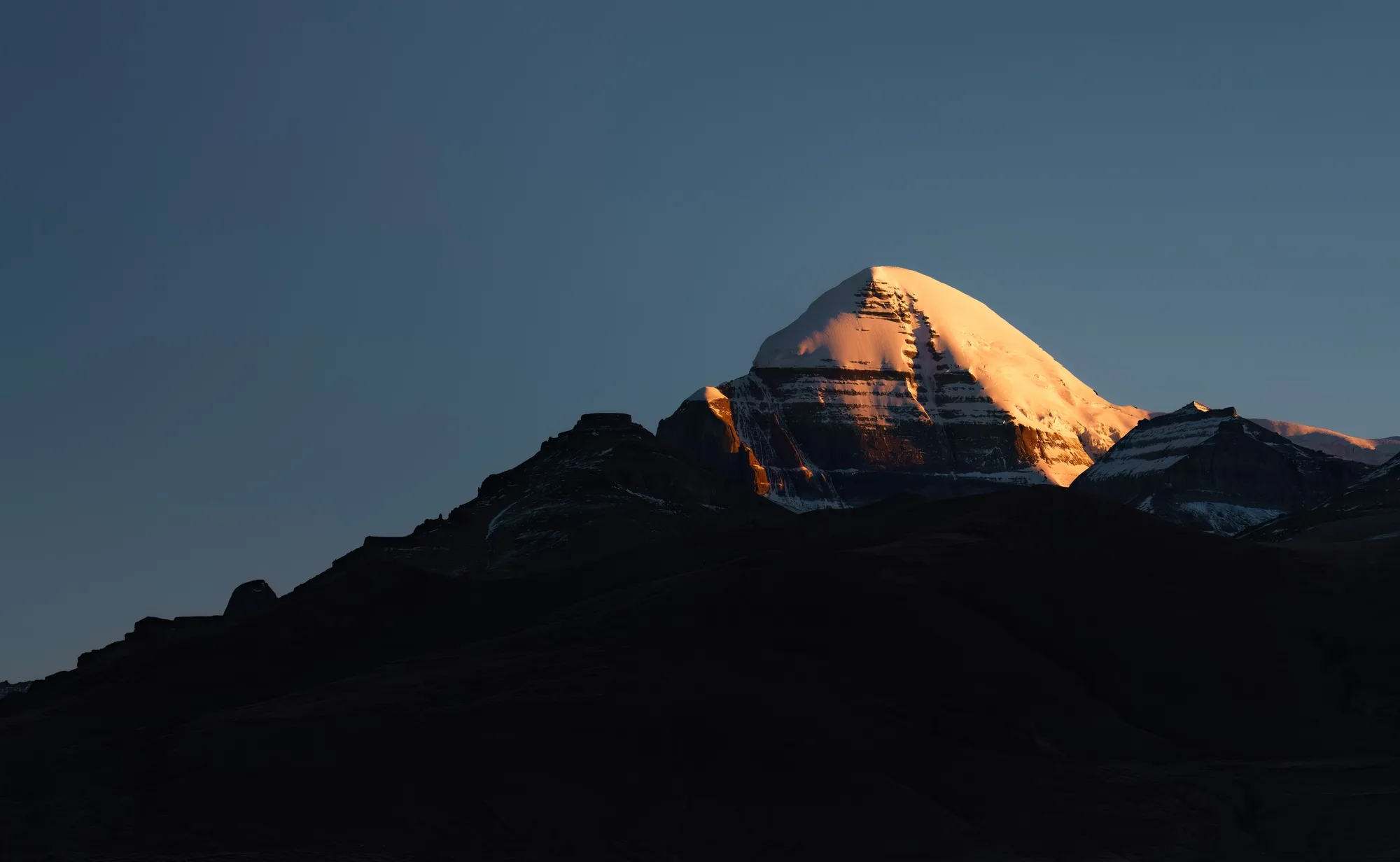
How Safe Are Helicopter Tours in Nepal?
Nepal's helicopter tourism industry is one of the most tightly regulated in the Himalayas, and the honest answer to "how safe is it?" is that a properly booked flight with a licensed operator is a routine, well-managed activity. The country's aviation regulator, the Civil Aviation Authority of Nepal (CAAN), issues a specific Air Operator Certificate (AOC) to every commercial helicopter company, and no operator may legally sell a single seat to a tourist without one. This certificate is not a one-time formality: it is maintained through recurring audits of the operator's maintenance records, pilot training files, and operational procedures, and it can be suspended or revoked if standards slip.
- CAANRegulator, all operators
- $1,260EBC day tour, per seat
- 5,545 mMax landing altitude
- 2 daysWeather buffer advised
The aircraft that dominate Nepal's tour fleet are modern, high-performance machines — most commonly the Airbus AS350 B3e, now marketed as the H125. This is the same airframe used for high-altitude rescue and utility work across the Alps, the Andes, and the Rockies, and it is prized in Nepal precisely because it holds its performance at altitude better than almost any other light helicopter. Its Turbomeca Arriel 2D engine delivers the reserve power needed to operate from landing sites above 5,000 metres, where thin air robs a rotorcraft of lift and where a weaker engine would simply refuse to climb.
Equally important is the human factor. Nepal's commercial helicopter pilots are among the most experienced mountain pilots in the world. Many have logged thousands of hours in the Khumbu, Annapurna, and Langtang regions, flying the same valleys day after day and building an intimate knowledge of local wind patterns, landing zones, and the way weather moves through the high passes. A pilot who has flown the Everest region for a decade knows, for example, that the wind at Kala Patthar can shift within minutes in the late morning — and will simply not fly when it does.
None of this means helicopter flying in the mountains is without risk. It is a high-altitude, weather-dependent activity, and the single most important thing a traveller can do is choose an operator that treats safety as non-negotiable. The rest of this guide explains exactly how to do that, and what insurance you need before you board. You can read more about the licensing and background of the government-licensed Kathmandu operator behind this site on our About page.
The Three Safety Factors That Matter Most
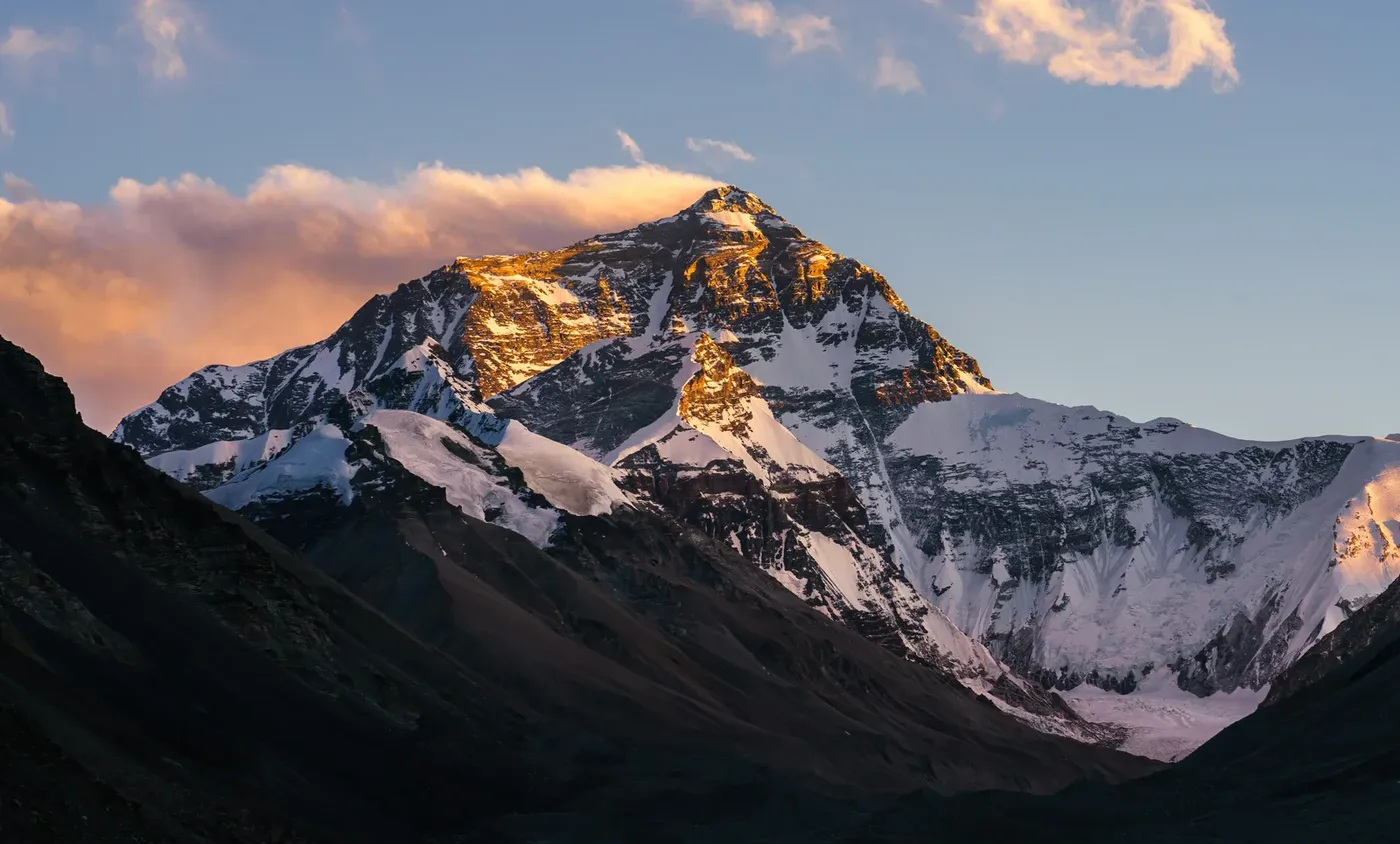
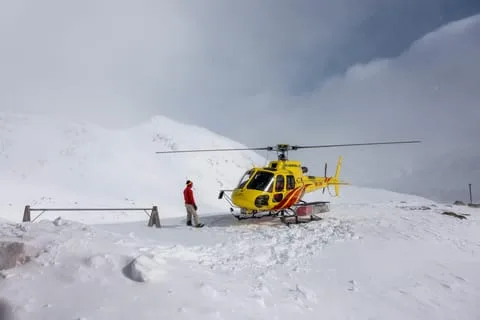
When you strip away marketing language, helicopter tour safety in Nepal comes down to three things you can actually verify before you pay: the operator's licence, the aircraft and pilot, and the operator's weather discipline. Each is explained below, and each is something a reputable operator will be happy to discuss with you in detail.
1. The Operator's Licence (CAAN Air Operator Certificate)
Every legitimate helicopter tour company in Nepal holds an Air Operator Certificate issued by the Civil Aviation Authority of Nepal. This document confirms that the company has met CAAN's requirements for aircraft airworthiness, pilot qualifications, maintenance programmes, and operational safety management. It is the single most important credential to check, and it is not something a reputable operator will hesitate to show you.
A genuine AOC is tied to a specific company and a specific fleet. It is not transferable, and it cannot be "borrowed" from another operator. When you book through a travel agency or a tour aggregator, the helicopter that actually flies you must belong to an AOC-holding operator — so it is always worth asking which helicopter company will operate your flight, and confirming that company's certificate directly rather than taking a reseller's word for it.
Enticing Himalayas Travel, the government-licensed Kathmandu operator behind this site, works only with AOC-holding helicopter companies and will provide the operating company's details before you pay. This transparency is itself a useful test: an operator that is vague about who actually flies you is one to avoid.
2. Aircraft and Pilot
The aircraft matters because not all helicopters are equal at altitude. The AS350 B3e / H125 is the benchmark for Nepal's high-altitude work because of its power-to-weight ratio and its proven record at elevations where other light helicopters struggle. A responsible operator will tell you the exact model and year of the aircraft assigned to your flight, and will keep its maintenance on a schedule approved by both the manufacturer and CAAN. Ask about the aircraft's age and its most recent major inspection — a well-run operator answers these questions without hesitation.
The pilot matters just as much, and the key metric is not total hours but mountain hours. A pilot with 5,000 hours of flatland charter experience is not the same as a pilot with 3,000 hours in the Khumbu. The best operators pair each route with pilots who know that route's specific landing zones, wind behaviour, and weather traps, and who have flown it hundreds of times. When you book, ask how many hours your pilot has in the region you are flying — the answer tells you a great deal about the operator's standards.
3. Weather Discipline
Weather discipline is where the safest operators distinguish themselves, and it is the factor most travellers never think to ask about. The rule in Nepal's mountains is simple: if the weather is not safe, the flight does not go. A responsible operator will delay, reroute, or cancel a flight rather than push into cloud, high wind, or poor visibility — even when that means disappointing a client who has paid in full and flown halfway around the world.
This discipline shows up in small, observable ways. A good operator builds buffer days into itineraries, briefs you honestly about the chance of delay, and has a clear written policy for what happens if weather grounds the flight — typically a reschedule or a refund of the unflown portion. An operator that promises a guaranteed landing at Everest Base Camp "no matter the weather" is not being honest with you, because no safe operator makes that promise. For a realistic look at how weather and scheduling actually work on a real itinerary, see our guide to booking an Everest Base Camp helicopter day tour.
Helicopter Rescue vs. Helicopter Tour: Know the Difference
One of the most common sources of confusion for travellers is the difference between a helicopter rescue and a helicopter tour, because the two are often conflated in insurance policies and trekking forums. They are completely different operations with different aircraft, different crews, and different purposes — and understanding the distinction is the key to buying the right insurance.
A helicopter tour is a commercial sightseeing or transport flight. You book it in advance, you board at a helipad, and you fly a planned route — for example, the Everest Base Camp helicopter day tour or a scenic flight over the Annapurna range. The aircraft is configured for passengers, the pilot is flying a scheduled route, and the flight is covered by the operator's own commercial aviation insurance.
A helicopter rescue, by contrast, is an emergency medical evacuation. It is dispatched when a trekker is injured, seriously ill, or suffering from altitude sickness and needs to be moved to a hospital quickly. Rescue flights are typically arranged through a trekking agency, a hospital, or an insurance company's emergency assistance line, and they are flown by operators that specialise in high-altitude evacuation work. They are not something you book as a tourist activity, and they are not interchangeable with a tour.
Why does the distinction matter? Because your travel insurance treats them differently. A standard policy may cover you for a medical evacuation (a rescue) but will not reimburse you for a sightseeing tour you booked and then missed. Conversely, a tour operator's commercial insurance covers the tour flight itself, but it is not your personal medical insurance. If you are injured on a tour, the operator's insurance does not pay your hospital bill — your own policy does. Keeping these two things separate in your mind is the foundation of buying the right cover, which is the subject of the next section.
What Travel Insurance Do You Need for a Nepal Helicopter Tour?
Nepal helicopter tours are safe, but they are also high-altitude activities in a remote country, and the right travel insurance is a non-negotiable part of your preparation. A basic "standard" travel policy is almost never enough, and the cheapest policy is frequently the one that refuses to pay out when you need it. Here is what you actually need, broken into three layers.
Medical Cover
Your policy must include robust emergency medical cover, because if something goes wrong in the mountains, the cost of treatment and evacuation is high and is almost never covered by a basic policy. Look for a policy with a high medical limit — at least USD 100,000, and ideally more — and confirm that it covers treatment in Nepal specifically. Many policies exclude "adventure" or "hazardous" activities by default, so you may need to add a trekking or adventure-sports rider to bring a helicopter tour within scope. Read the list of excluded activities carefully; if helicopter flights or high-altitude trekking appear on it, your policy is not fit for purpose.
Altitude Cover Above 5,000 Metres
This is the clause most travellers miss, and it is the one that most often voids a claim. Many standard policies cap altitude cover at 2,500 or 3,000 metres, or exclude altitude-related illness entirely. A helicopter tour to Everest Base Camp takes you to 5,364 metres at Kala Patthar, and even a short stop at that elevation carries a real risk of altitude sickness. Your policy must explicitly state that it covers you above 5,000 metres, and that it covers altitude sickness — acute mountain sickness (AMS), high-altitude pulmonary oedema (HAPE), and high-altitude cerebral oedema (HACE) — as a medical condition rather than excluding it as a "pre-existing" or "self-inflicted" risk.
Helicopter Rescue Cover for Trekkers
If your trip combines a helicopter tour with trekking — for example, the Everest Base Camp helicopter trek, where you trek up and fly back — you need a policy that specifically covers helicopter evacuation from the trail. This is the single most expensive thing that can happen to a trekker in Nepal: a high-altitude rescue flight can cost several thousand dollars, and it is typically paid up front, before you are flown. Your policy must include helicopter rescue and evacuation cover with no altitude cap, and you should carry the insurer's 24-hour emergency assistance number with you at all times, along with your policy number.
A useful rule of thumb: read the policy's "altitude" and "evacuation" sections line by line before you buy, and if a clause is unclear, email the insurer and get the answer in writing. The policy that actually pays out when you need it is worth far more than the one that was cheapest at the checkout.
How to Choose a Safe Helicopter Operator: A Checklist
The table below summarises the checks you should run before booking any helicopter tour in Nepal. A "yes" to every row is what you are looking for, and a "red flag" in any row is a reason to walk away.
| Check | What to look for | Red flag |
|---|---|---|
| Air Operator Certificate | Operator holds a current CAAN AOC and will show it on request | Vague about which company actually flies you |
| Aircraft type | Modern AS350 B3e / H125 or equivalent, with stated year | Won't name the aircraft model or age |
| Pilot experience | Thousands of hours, including mountain hours in your region | No pilot information available |
| Weather policy | Clear delay/cancel policy, buffer days, honest briefing | Guarantees a landing "no matter the weather" |
| Operator insurance | Operator carries commercial aviation insurance | No proof of operator insurance |
| Reviews and track record | Verifiable recent reviews from real travellers | Only anonymous or unverifiable reviews |
| Pricing transparency | Clear, itemised pricing with no hidden fees | Price far below market with vague terms |
A note on price: Nepal helicopter tours are not cheap, and a price that is dramatically lower than the market rate is itself a warning sign. A legitimate operator has real costs — aircraft, maintenance, fuel, and a properly paid, experienced crew — and cannot undercut the market by half without cutting corners somewhere. For a clear breakdown of what a real tour costs and why, see our guide to Everest helicopter tour costs in 2026.
What Happens in an Emergency
It is worth understanding, before you fly, how an emergency is actually handled — because the process is more organised than most travellers assume, and knowing it will make you a calmer, more prepared passenger.
The first line of defence is the pilot's own judgement. In the vast majority of situations, an experienced mountain pilot will simply not put the aircraft into a position where an emergency is likely. If weather closes in, the pilot diverts to a pre-planned alternate landing site or returns to base. If a mechanical warning appears, the aircraft lands at the nearest suitable site and the operator dispatches a replacement aircraft or a maintenance crew. These are routine, rehearsed procedures, not improvisations.
If a genuine medical emergency occurs — a passenger collapses at altitude, for example — the pilot's priority is to get the aircraft down and the passenger to medical care as fast as possible. Helicopter tour operators in the Everest and Annapurna regions maintain close working relationships with the rescue operators and hospitals in Kathmandu and Pokhara, and a tour aircraft can often hand a patient directly to a hospital or to a dedicated rescue flight. The pilot will also be in radio contact with the operator's ground team throughout, so that medical staff are alerted before the aircraft even lands.
This is also where your insurance becomes critical. The operator's commercial insurance covers the aircraft and its operation, but your own medical treatment and any evacuation are your responsibility — which is why the altitude and rescue cover described above is not optional. Before you fly, save your insurer's emergency number in your phone, carry your policy number, and make sure your trekking or tour guide knows both. A few minutes of preparation on the ground is worth hours of stress in the air.
For reference, the Sagarmatha National Park office is the authoritative background on this feature. Handy background; your pilot will cover the operational side.
Take this further with Helicopter Rescue in Nepal 2026: Evacuation Cost & Insurance and Helicopter Tour Operator in Nepal: How to Choose One (2026).
Frequently Asked Questions
Are helicopter tours in Nepal safe?
Yes, when booked with a licensed operator. Nepal's helicopter industry is regulated by the Civil Aviation Authority of Nepal, which issues an Air Operator Certificate to every commercial operator and audits them on an ongoing basis. The aircraft used — typically the AS350 B3e / H125 — are modern, high-performance machines, and the pilots are among the most experienced mountain pilots in the world. The main variable is weather, which is why the safest operators are the ones with the strictest weather discipline.
Do I need special insurance for a helicopter tour in Nepal?
Yes. A standard travel policy is usually not enough. You need a policy with strong emergency medical cover, explicit altitude cover above 5,000 metres, and — if you are also trekking — helicopter rescue and evacuation cover with no altitude cap. Check the policy's altitude and evacuation clauses carefully before you buy, and get any unclear points confirmed in writing.
What is the difference between a helicopter tour and a helicopter rescue?
A helicopter tour is a commercial sightseeing or transport flight you book in advance, flown by a tour operator on a planned route. A helicopter rescue is an emergency medical evacuation dispatched when someone is injured or ill in the mountains. They are different operations, and your insurance treats them differently — a tour is not a medical evacuation, and a rescue is not a sightseeing flight.
What happens if the weather is bad on the day of my flight?
A responsible operator will delay, reroute, or cancel the flight rather than fly in unsafe conditions. Most operators build buffer days into itineraries and will reschedule your flight or refund the unflown portion if weather grounds it. No safe operator will guarantee a landing regardless of the weather.
How do I know an operator is properly licensed?
Ask to see the operator's Air Operator Certificate from the Civil Aviation Authority of Nepal, and confirm which helicopter company will actually operate your flight. A reputable operator will provide this information willingly. You can also verify an operator's background through a licensed Kathmandu travel company such as Enticing Himalayas Travel.
Ready to fly? Browse our full range of helicopter tours in Nepal — from the Everest scenic mountain flight to the Everest Base Camp day tour and trek — or contact our team to confirm operator licensing, check availability, and get a personalised safety and insurance briefing before you book.