
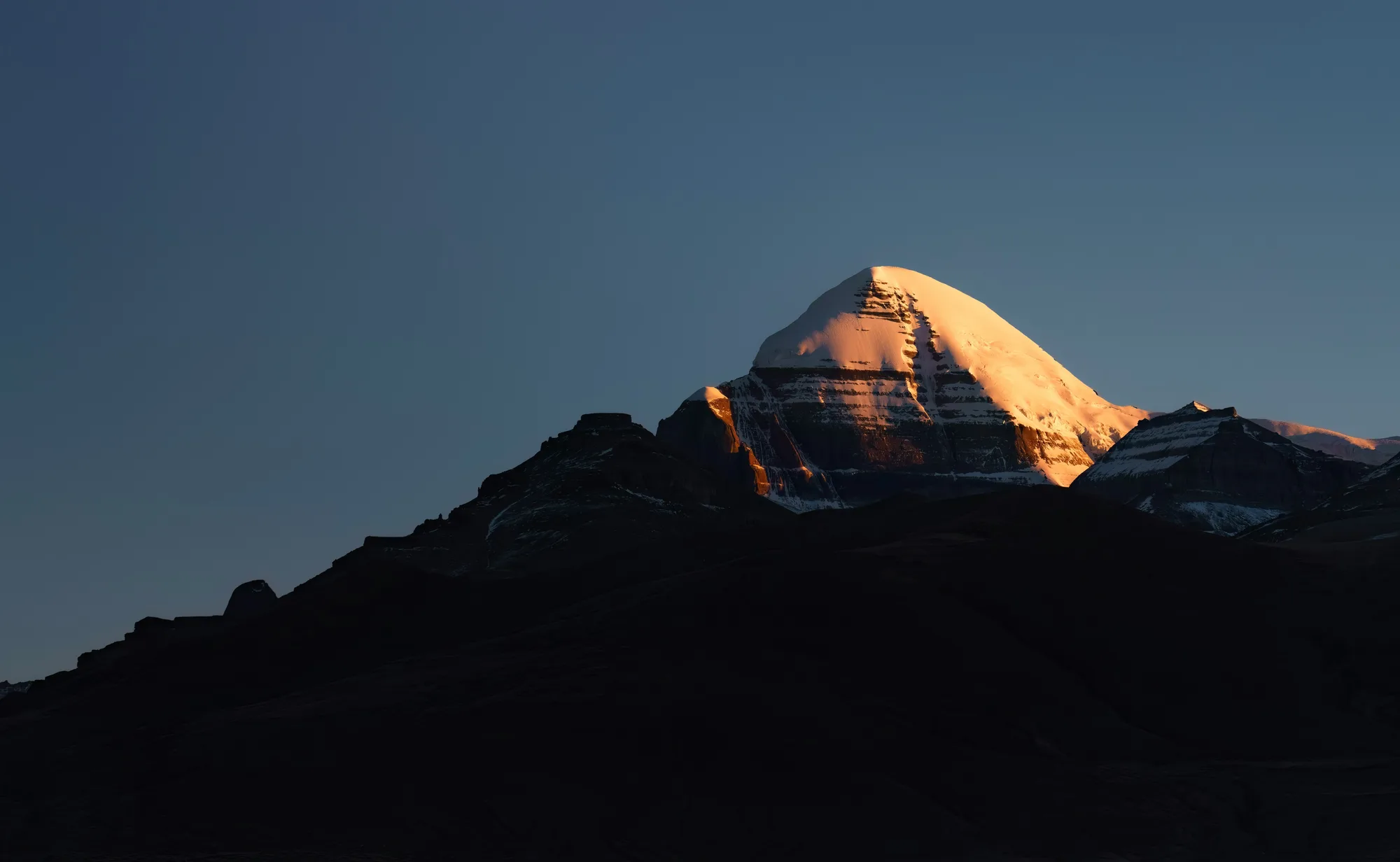
Short answer: An Everest mountain flight tour is a one-hour fixed-wing flight out of Kathmandu, published at $260 per person for a window seat, that leaves the ground at 1,400 m and puts Everest at 8,848.86 m in the window. Because it is a first-light product that depends on clear air over the range, it is not a slot you can drop anywhere in an itinerary. Book it for your second or third morning in Kathmandu, keep at least one spare morning behind it, and never put it on the morning your international flight out of Nepal leaves.
- $260Published fare per person, window seat
- 1 HourPublished flight duration
- 1,400 mKathmandu, where every departure starts
- 8,848.86 mEverest, the summit you fly to see
Almost every question about the Everest mountain flight tour is really a scheduling question wearing a different hat. People ask whether the flight is worth the money, whether the left side of the cabin is better, whether the fare includes the hotel transfer, and the honest answers to all three depend on a fourth thing they did not ask about: which morning of the trip they booked. A flight taken on the right morning is the cheapest great sight in Nepal. The same flight taken on the wrong morning is a 4 a.m. alarm, a refund argument, and a taxi back into Thamel before the city has woken up.
That is not a pitch. It is the practical difference between travellers who describe the flight as the highlight of their fortnight and travellers who describe it as the morning that never happened. The aircraft is rarely the variable. Neither is the price. The variable is the day chosen, and how much room was left around it in the itinerary.
This page is about the logistics of that choice: where the flight belongs in a trip of four days, of ten, of three weeks; why arrival day and departure day are both bad answers; how it interacts with a trek that starts at Lukla, a transfer west to Pokhara, or a Chitwan extension; and what a sensible itinerary already contains for the morning the cloud wins. Fares appear here only where they matter to the decision, because the numbers are kept in the Everest mountain flight cost guide, and the peak-by-peak route is the job of the Everest mountain flight hub.
Why a one-hour flight ends up controlling the whole morning
On paper the product is tidy. One hour in the air. A guaranteed window seat. A published fare of $260 per person. A departure from Tribhuvan International Airport, which sits at 1,400 m in a bowl of hills with a single runway and a domestic apron that fills up before the sun clears the rim. None of that is the difficult part. The difficult part is that all of it has to happen early, and early is a finite resource in any holiday.
The Himalaya make their own weather through the morning. Air that has cooled overnight sits in the valleys and clears as the sun comes up; by mid-morning the same slopes are releasing warm air upward, the valley cloud starts to build against the ridges, and the winter haze that Kathmandu is famous for thickens as the day goes on. The result is a window of usable air over the range that opens early and closes unpredictably. Every operator on this route works inside it, which is why the departures are stacked into the first hours of the day rather than spread across it.
That has two consequences for your itinerary. The first is that the flight is a dawn commitment: you will be at the domestic terminal before the city is properly awake, and you will be back at your hotel in time for a late breakfast. The second is that the flight is not a flexible item. It cannot be moved to the afternoon because you wanted to sleep in, and it cannot be squeezed in on the way to the airport for an international departure, because the international departure is itself an early-morning event on most routes out of Kathmandu.
Where the flight belongs in a real itinerary
The useful rule is that the mountain flight wants to be the first thing you do in Kathmandu that depends on the weather, and the last thing you do before the rest of the trip becomes fixed. In practice that means the morning after a full day on the ground. Not the morning after a long-haul arrival, when you are still running on a different time zone and will sleep through the alarm. Not the morning you leave the country. And not the morning a domestic connection to Lukla or Pokhara is booked, because those flights are the ones most likely to absorb a delay.
There is a second rule, less obvious: the flight should not be the only thing you have planned for that day. Dawn starts are hard on everyone, and the temptation is to write off the rest of the day. Better to plan something forgiving in the afternoon, close to the hotel, so a cancelled flight has somewhere to be rebooked without dismantling a paid-for day elsewhere.
The table below is how the placement changes with the length of the trip. It assumes Kathmandu is the base, which it is for almost every first visit.
| Length of trip | Where the flight belongs | Why that placement works | Spare mornings to hold |
|---|---|---|---|
| 3 to 4 days | Morning two, with a free final morning | One full day on the ground first, so the body clock has settled; a free morning at the end gives a cancelled flight somewhere to go before the airport run | One |
| 5 to 7 days | Morning two or three | Enough slack to rebook the flight twice and still keep the rest of the trip intact | One, ideally two |
| 8 to 12 days | Anywhere after the first full day, before the final three days | Long trips usually end with a domestic leg or a transfer; keep the flight clear of those | Two |
| Trek that starts at Lukla | The morning before the Lukla departure, or not at all | Lukla flights are the most weather-exposed leg in Nepal; do not stack two weather-dependent mornings back to back | One, separate from the trek buffer |
| Everest helicopter instead | Later in the trip than the fixed-wing flight would go | A helicopter can wait for a clearer window and can land, so it tolerates a tighter slot | One |
Read the last row carefully, because it is the one most people get wrong. The fixed-wing flight and the helicopter tour are not interchangeable items in a schedule. The fixed-wing flight is a one-hour sightseeing product with a hard morning slot and no landing. The helicopter product at $1,260 per person is a full day that lands at Kala Patthar at 5,545 m and returns the same afternoon, and it is the one to book if the flight is the centrepiece of the trip rather than a bonus. The comparison is set out properly in the helicopter versus plane flight guide.
Arrival day and departure day: the two bookings to avoid
Both ends of a Nepal trip are where mountain flight bookings go wrong, for opposite reasons.
Arrival day fails on the human side. Long-haul arrivals into Kathmandu land in the late morning or the afternoon, and the body is somewhere between six and eleven hours behind or ahead. A 5 a.m. pickup the following morning is survivable, but it is also the morning when people sleep through alarms, arrive at the terminal without their passport because it is still in the room safe, or sit in the departure lounge feeling seasick. If the flight is the reason you came, do not ask your first full day in Asia to carry it.
Departure day fails on the mechanical side. Almost every international departure from Kathmandu leaves before noon, and the mountain flights are stacked into the same few hours. If the scenic flight is cancelled for cloud, there is no second attempt that day, and the money conversation happens while you are checking in for a long-haul flight rather than over breakfast. The same logic applies to a domestic connection: a morning flight to Pokhara or a Lukla departure and a mountain flight cannot both occupy the same dawn, and the mountain flight is the one that gives way.
There is an exception worth naming, because it suits a certain kind of traveller. If your international flight leaves in the evening and you are already awake at four in the morning anyway, a mountain flight on departure day can work, provided the ticketing is separate, the fare is refundable or rebookable, and you have accepted in advance that a cancellation means you simply go to the airport early. What does not work is bundling the two into one package and discovering on the morning that the sequence has collapsed.
Why the itinerary needs a buffer morning, and where to put it
A buffer is not a superstition. The flight depends on visibility over a mountain range at first light, and there are mornings in every month when the range is invisible from the valley and mornings when it is razor sharp. Anyone who has flown this route more than a few times has stories of both. Building one spare morning into the itinerary costs you nothing except the decision to stay an extra night in Kathmandu, which is usually pleasant, and it converts a lottery into a scheduling problem.
Where the buffer goes matters. Putting it before the flight does nothing, because a cancelled flight cannot be flown in advance. Putting it after the flight is the only version that works, and the most valuable place for it is the last morning in Kathmandu before an onward leg, not a morning in the middle of the trip that is already full. If the first attempt flies, the spare morning becomes a walk to Boudhanath or a slow breakfast. If it does not, you have a second attempt at no extra cost in flights.
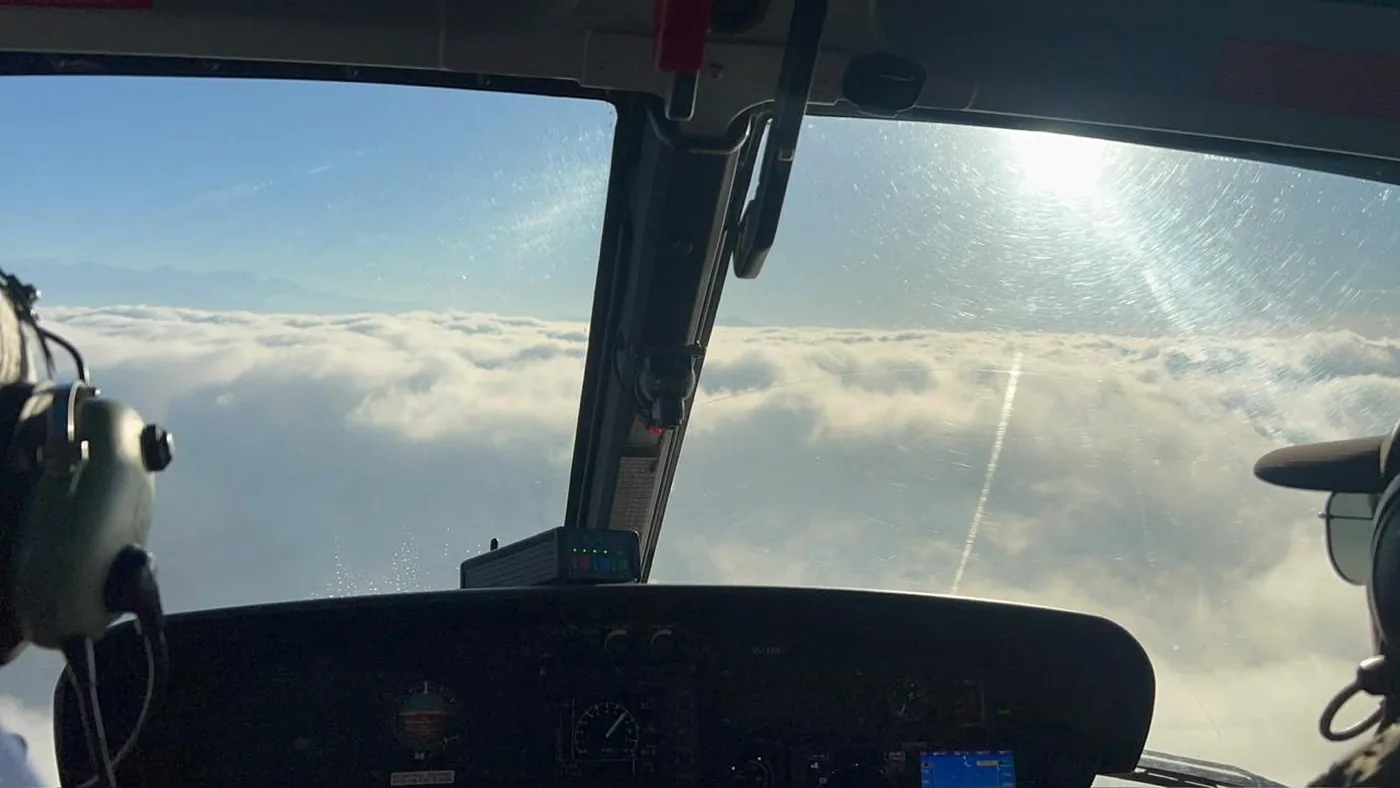
Two spare mornings, not one, is the right answer for anybody who has booked the flight as the centrepiece. A single buffer absorbs one bad morning; two absorb a bad spell, which is a normal thing to encounter in the monsoon fringe and in the hazy weeks before it. Our guide to the best months for a Himalayan flight sets out which weeks those are, and the pattern is the same for the fixed-wing product as for the helicopter.
Order of operations: Lukla, Pokhara, Chitwan, and the valley
Most Nepal itineraries are a sequence of transfers, and the mountain flight has to slot into that sequence without creating a domino. The practical rule is to do the weather-dependent thing first and the fixed thing second.
If you are trekking in the Khumbu, the mountain flight belongs before the trek, not after. Before the trek, a cancellation is an inconvenience with a spare morning attached. After the trek, you are on a countdown to an international flight, the trek itself may have eaten your buffer, and the flight becomes the item that gets dropped. There is also a real overlap in content: from a helicopter or a plane on the Lukla corridor you see much of what the scenic flight shows, which is why trekkers often skip the flight altogether and put the money into the return leg. The aircraft, altitude and route guide explains how high and how close the fixed-wing flight actually gets, which is the honest way to decide whether you still want it after a trek.
If you are going to Pokhara, fly the mountain flight first and travel west afterwards. Pokhara has its own aerial products and its own weather, and it is easier to shift a Pokhara leg by a day than to rebook a mountain flight from a lakeside hotel. The same applies to Chitwan: the jungle is a two-day block that does not move, so the flight goes before it or not at all.
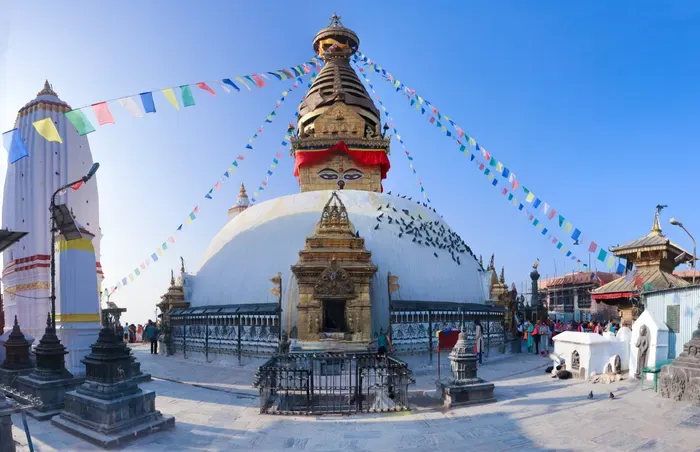
If Kathmandu is the whole trip, the flight pairs naturally with a valley day rather than with another early start. A dawn flight and an afternoon at Patan or Bhaktapur is a good day, because both are short, both are inside the valley, and neither depends on the mountain weather cooperating twice. Our five-day Kathmandu Valley itinerary shows where the flight drops into that structure, and the comparison of valley viewpoints and the flight explains why the rooftop at Nagarkot is not a substitute for the aircraft.
What the fare buys, and what it leaves you to arrange
Fares on this route are quoted per person for a window seat, and the difference between operators is smaller than the difference between what each quote includes. That is the part of the comparison nobody photographs.
| Product or item | Published duration | 2026 price | Basis |
|---|---|---|---|
| Everest scenic mountain flight from Kathmandu | 1 Hour | $260 | Per person, window seat |
| Everest Base Camp helicopter day tour | 1 Day, approx. 6 hours | $1,260 | Per person, shared flight, landing 5,545 m |
| Private Everest helicopter charter | 1 Day, approx. 5 to 6 hours | $4,500 | Per aircraft, up to 5 guests |
| Muktinath helicopter pilgrimage | 1 Day | $1,080 | Per person, shared flight, 3,710 m |
| Annapurna Base Camp day tour from Pokhara | 1 Day, approx. 3 to 4 hours | $860 | Per person, shared flight, 4,130 m |
| Everest Base Camp helicopter trek, trek up and fly back | 10 Days | $1,840 | Per person, shared flight |
Notice what the $260 does not buy. It buys the seat, the hour and the window. It does not buy a landing, because there is not one. It does not buy the guarantee that the summit is visible, because no operator can sell that. And on most tickets it does not buy a hotel transfer, which is the item travellers most often assume is included because the word tour is on the booking. If a transfer is offered, confirm whether it is included at the pickup end only or both ways, and confirm the pickup time in writing, because the difference between a 5 a.m. and a 5:40 a.m. pickup is the difference between being at the front of the queue and being behind a coach party.
When the cloud wins: rebuilding the day in ten minutes
The useful mental preparation is not optimism. It is a plan for the cancellation, made while you are still at home. Cancellations on this route are routine rather than exceptional, they are decided on the morning itself, and the operator usually knows before you leave the hotel.
| What happens on the morning | What it does to your day | What should already be in the plan |
|---|---|---|
| Flight cancelled for cloud over the range | Nothing flies; the morning is free from about 6 a.m. | A rebooking on the next morning, and a low-commitment plan for the day that replaces it |
| Departure delayed at the terminal, then cancelled | Two hours lost in the domestic terminal before the decision | Breakfast money, a charged phone, and a passport carried rather than left in the room |
| Flight goes but the summit is obscured | The hour is spent in the air with a partial view | Realistic expectations: the flight is a sightseeing product, not a guarantee |
| International departure the same day | No second attempt is possible | Separate ticketing, and acceptance that the fare may be lost |
| Onward trek or transfer the next morning | The buffer morning is consumed by the reflight | Enough slack in the trek that a morning does not matter |
The refund and rebooking terms are the part to read before paying, not after. Our weather and cancellation policy guide sets out how the notice periods and the rebooking options normally work in Nepal, and the same framework covers the fixed-wing product: the operator wants to fly, the money is normally held against a future flight rather than refunded in cash, and the traveller who has a spare morning ends up ahead of the one who does not.
What the hour actually shows, and what it cannot promise
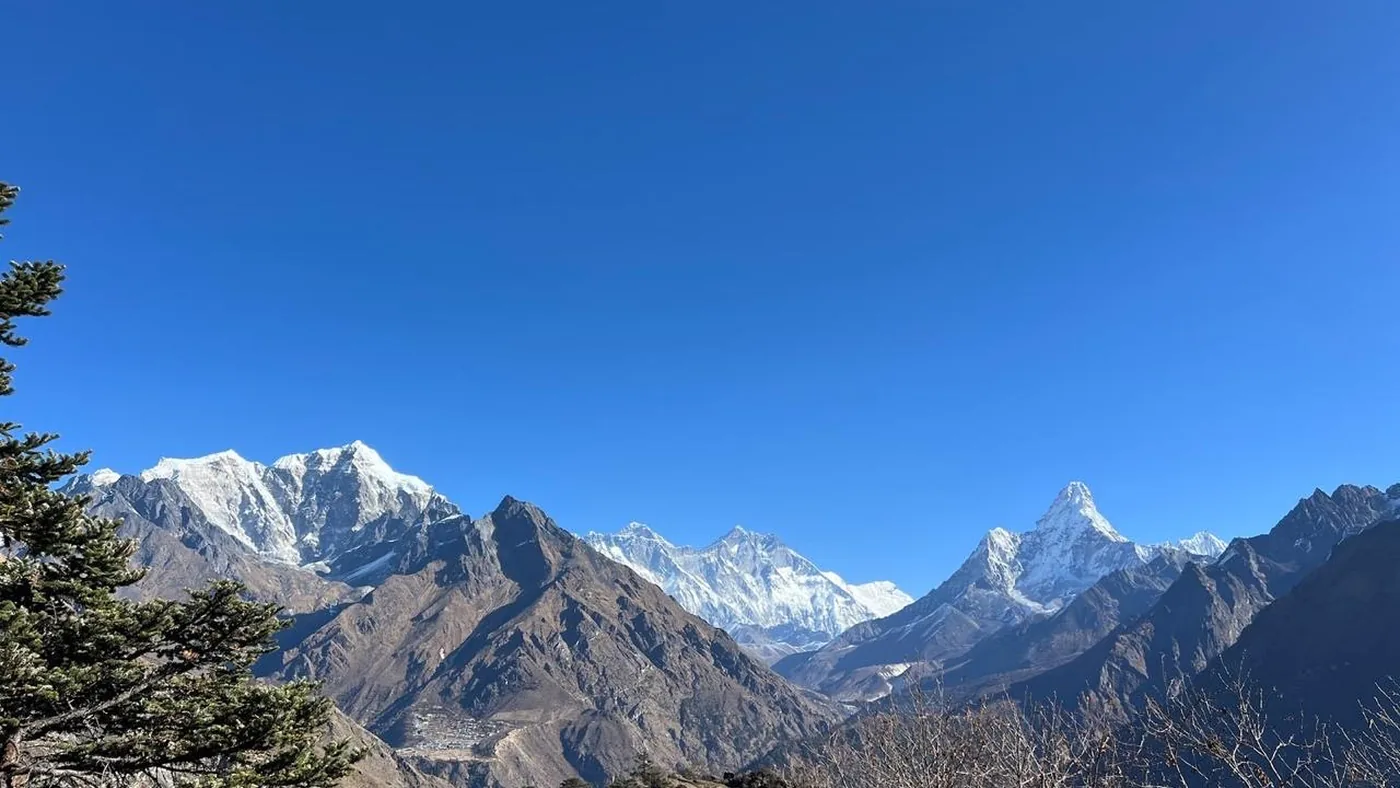
It helps to be precise about the product, because the disappointment people report afterwards is almost always a mismatch of expectation rather than a bad flight. The aircraft climbs out of the valley, clears the rim, and runs east along the range with the high peaks to the north. Everest, at 8,848.86 m the highest point on the planet by the survey figure given on Wikipedia, appears at the far end of that line, framed between nearer summits rather than standing alone like a postcard. From the cabin it is a great white mass with a plume, and it is unmistakable once the captain names it.
What the flight cannot do is put you on the ground. There is no landing on this product at any altitude, no breakfast at a hotel terrace, no photograph with a prayer flag in the foreground and the summit behind. If those images are the reason you are going, the correct booking is the helicopter day tour at $1,260 per person, which lands at Kala Patthar at 5,545 m, or the private charter at $4,500 per aircraft for up to five guests, which sets down at the Everest View Hotel at 3,880 m. The fixed-wing flight is the cheapest and shortest way to see the mountain from the air, and it is honest about being exactly that.
Frequently asked questions
How long does the whole Everest mountain flight tour take, door to door?
The published flight time is one hour. The rest of the morning is the airport: an early transfer to the domestic terminal, check-in and security, the flight itself, and the return. The hour in the air is the product, and the ground side is the part that varies most between operators, which is why the pickup time belongs in writing.
Does the flight always leave in the early morning?
Yes, on this route. Departures are stacked into the first hours of usable daylight because the valley cloud and the haze build through the morning, and the aircraft is needed for the rest of its day. That is the reason the flight is difficult to fit into a short trip: it is a fixed dawn slot rather than an appointment you can move to the afternoon.
Can I take the flight on the morning I fly home?
You can, and it is the booking most likely to end in disappointment. International departures from Kathmandu are usually morning departures themselves, so the two events compete for the same hours, and a cancellation leaves no room for a second attempt. If you must do it on the last day, book the flight separately from your international ticket and accept that a cancellation means going to the airport early instead.
What happens if the weather cancels my flight?
The flight does not go, and the decision is normally made on the morning. The standard practice in Nepal is to rebook onto the next available morning rather than refund in cash, which is why a spare morning in Kathmandu is worth more than any upgrade. Read the cancellation wording before you pay, and check whether your fare can move to a later date or only to a later flight the same day.
How much does an Everest mountain flight tour cost?
The published fare for the scenic flight from Kathmandu is $260 per person for a window seat, for one hour in the air with no landing. Hotel transfers, food and insurance are usually separate. Fares vary a little between carriers, and the cost guide compares them side by side along with the Nepali-citizen rate.
Do I need a passport for a domestic scenic flight?
Yes. The mountain flight is a domestic sector, but it departs from the international terminal complex at Tribhuvan airport and passengers are checked against ID. Carry the passport you travelled on, keep it on you rather than in the hotel safe, and arrive with the name on the booking matching the passport exactly.
Which side of the aircraft should I sit on?
Book a window seat and ask the operator which side faces the range on your particular departure, because it depends on the routing and on how the carrier allocates seats. What matters more than the side is the window itself: the flight is sold on a window-seat basis, and a middle seat on a mountain flight is a wasted fare. The window-seat photography guide covers the glass, the light and the settings.
Is the flight suitable for children and older parents?
It is the gentlest of the aerial options: one hour in a pressurised cabin, no landing, no walking at altitude and no trekking. Families with young children and grandparents who cannot manage a trek regularly take it. Anyone with a heart or lung condition, uncontrolled blood pressure, or a pregnancy should take medical advice first, as they would for any flight.
Can I combine it with an Everest Base Camp trek?
You can, but it is usually better value to do it before the trek or to skip it. Treks that start at Lukla already put you in the Khumbu airspace and give you the range at close range for days, and stacking a weather-dependent scenic flight directly before a weather-dependent Lukla departure doubles your exposure to a single bad morning. If the flight is a bonus rather than the reason for the trip, put it after the return to Kathmandu with a spare morning behind it.
How far in advance should I book?
In the clear months, weeks rather than days, because the morning slots are limited and the aircraft are shared with other products. Outside the peak weeks a few days is normally enough. The date you choose matters more than the lead time: the same seat is a different experience in October and in June, and the seasonal pattern is set out in the month-by-month guide.
Will I definitely see Everest?
No operator can promise that, and any that does should be treated with suspicion. On a clear morning the summit is visible for most of the flight. On a hazy or cloudy morning the aircraft may still fly and the range may be partly obscured. The fare buys the seat and the hour, not the visibility, which is the reason the itinerary advice on this page exists.
Can I book the flight from abroad before I arrive?
Yes, and most foreign visitors do. There is no online seat map to choose from, so the booking is a conversation rather than a checkout: you give a date and a passenger count, the operator confirms an airframe, and you pay a deposit with the balance settled in Kathmandu. Give two or three candidate dates rather than one, so a cancellation has somewhere to go.
Putting the flight in the right place
The mountain flight is a small purchase in the context of a Nepal trip and a disproportionate part of what people remember, which is exactly why it deserves to be scheduled rather than squeezed. Morning two or three, a spare morning behind it, no international departure on the same day, and no second weather-dependent booking stacked in front of it. That is the whole method, and it costs nothing but the decision to leave one morning empty.
If you are still weighing whether the fixed-wing product or a helicopter is the right shape for your trip, the Everest mountain flight guide puts the fares, the route and the alternatives on one page, and the booking walkthrough covers the deposit, the manifest and the weight question that every operator asks. When you are ready, the one-hour Everest scenic flight is the product this page is describing, and a date and a passenger count is all it takes to start.
The last thing worth saying is the one that sounds least like advice. The best mornings on this route are not the ones with the most planning in them. They are the ones where you are at the terminal early, the range is out, and the hour passes faster than you expect. Everything on this page exists to protect that one hour from the two things that reliably ruin it: a schedule with no slack, and a departure date chosen for convenience rather than for weather.