
Helicopter Tour vs Plane Flight in Nepal: Which Should You Choose?
If you are planning a trip to Nepal, there is a very good chance that seeing Mount Everest and the rest of the Himalayan range is near the top of your list. For most travellers, the question is not whether to see the mountains from the air, but how. The two most popular options are a fixed-wing scenic mountain flight on an airline like Buddha Air or Yeti Airlines, and a helicopter tour operated by a specialist company like ours. Both will put you face to face with the highest peaks on Earth, but they are very different experiences, and they suit very different kinds of travellers.
- 8,848.86 mMount Everest
- $1,260Everest day tour, per seat
- 5,545 mKala Patthar landing
- 1 dayTypical round trip
In this guide we compare the two options side by side so you can make the right call for your budget, your schedule, and your comfort level. We have flown thousands of guests over the Himalayas, and we will be honest with you about where a plane wins and where a helicopter is genuinely worth the extra money. By the end, you will know exactly which one to book.
The Two Ways to See the Himalayas From the Air
Before we get into the details, it helps to understand what each option actually is, because the words "mountain flight" and "helicopter tour" are sometimes used loosely.
A fixed-wing scenic mountain flight is a scheduled flight operated by a commercial airline, most commonly Buddha Air or Yeti Airlines. These flights depart from Kathmandu's domestic terminal early in the morning, fly east along the spine of the Himalaya for roughly an hour, and then return to Kathmandu. Every passenger gets a window seat, and the aircraft cruises at a high altitude parallel to the peaks. You never land anywhere except back in Kathmandu. It is, in essence, a sightseeing loop in a standard airliner.
A helicopter tour is a private or shared charter operated by a helicopter company. The most common version is the Everest helicopter tour, which flies from Kathmandu to Lukla, refuels, and then continues up the Khumbu valley to land at Everest Base Camp or Kala Patthar, where you step out onto the snow and stand in front of the mountain itself. There are also shorter scenic helicopter flights that simply loop over the range without landing, and longer tours that reach places like Gosaikunda or Muktinath. The key difference is that a helicopter can go down, land, and let you out, while a plane cannot.
Both are safe, both are spectacular, and both are operated by experienced Nepali pilots who know these mountains intimately. The choice between them comes down to what you want the experience to be.
Key Differences Between a Helicopter and a Plane Flight
Let us break the comparison down into the factors that actually matter when you are deciding. We will look at altitude, window views, landing ability, duration, and cost one by one.
Altitude and How Close You Get to the Peaks
This is the single biggest difference, and it surprises a lot of people. A fixed-wing scenic flight cruises at a very high altitude, typically between 25,000 and 29,000 feet, because that is simply how airliners fly efficiently. From that height, the mountains are laid out below you like a map. You see the entire range at once, from Langtang in the west to Makalu in the east, and the view is genuinely breathtaking. But you are looking down at the peaks, and Everest itself is roughly at your eye level or slightly below.
A helicopter flies much lower, usually between 12,000 and 16,000 feet for most of the journey, and it can climb to around 18,000 to 20,000 feet to clear passes and reach landing sites. This means you are flying through the mountains rather than over them. The peaks tower above you, the glaciers are close enough to feel, and the sense of scale is completely different. When we fly guests up the Khumbu valley, they are often close enough to see individual seracs and crevasses on the icefall. A plane simply cannot give you that intimacy.
Window Views and Seat Position
On a fixed-wing scenic flight, every passenger is guaranteed a window seat, and the airlines are very good about this. The aircraft flies east along the range and then turns back, so passengers on both sides of the plane get a turn facing the mountains. The windows are standard airliner windows, which are reasonably large but do have some distortion and reflections, and you are seated in a row with other passengers around you.
In a helicopter, the viewing situation is different and, in our opinion, better. Most of our helicopters seat four to five passengers, and the cabin is designed with large, curved windows that offer a much wider field of view. There is no wing to block your sightline, and because the aircraft can hover and turn, the pilot can angle the machine so that everyone gets a clear view of a particular peak. If you are in the front seat next to the pilot, the view is essentially unobstructed in every direction. For pure photography and viewing, the helicopter has a clear edge.
Landing Ability
This is where the two options diverge completely. A fixed-wing scenic flight lands exactly once, back at Kathmandu airport. It cannot land at Everest Base Camp, it cannot land at Kala Patthar, and it cannot set down on a high mountain plateau. The entire experience happens inside the aircraft.
A helicopter can land almost anywhere there is a flat enough patch of ground, and this is the entire reason the Everest helicopter tour exists. We can set down at Lukla, at Syangboche, at Everest Base Camp, at Kala Patthar, and at a long list of high-altitude sites across the country. The moment you step out of the helicopter onto the snow at Kala Patthar, with Everest filling the sky in front of you, is something no plane passenger will ever experience. We will cover the specific landing sites in more detail below.
Duration
A fixed-wing scenic mountain flight is remarkably efficient. The whole thing, from check-in to landing back in Kathmandu, takes about three to four hours, with roughly one hour of actual flying time. It is the perfect option if you have a single free morning in Kathmandu and want to tick Everest off your list.
A helicopter tour takes longer and varies more. A short scenic helicopter loop can be done in about an hour and a half of flying, but the full Everest Base Camp landing tour is typically a three to four hour round trip, including the stop at Lukla for refuelling and the time spent on the ground at the landing sites. If you add a breakfast stop at the Everest View Hotel in Syangboche, which many of our guests love, the whole experience can stretch to four or five hours. The helicopter gives you more time in the mountains, but it also asks for more of your day.
Cost
There is no way around it: the helicopter is significantly more expensive. A fixed-wing Everest scenic flight on Buddha Air or Yeti Airlines currently costs around $200 to $250 per person in 2026. A shared helicopter scenic flight over the Everest region costs roughly $260 per person, and the full Everest Base Camp landing tour with a stop at Kala Patthar runs around $1,260 per person for a shared seat, with private charters costing considerably more. We break the full cost picture down in a dedicated section below, but the headline is simple: the plane is the budget option, and the helicopter is the premium experience.
What a Helicopter Can Do That a Plane Cannot
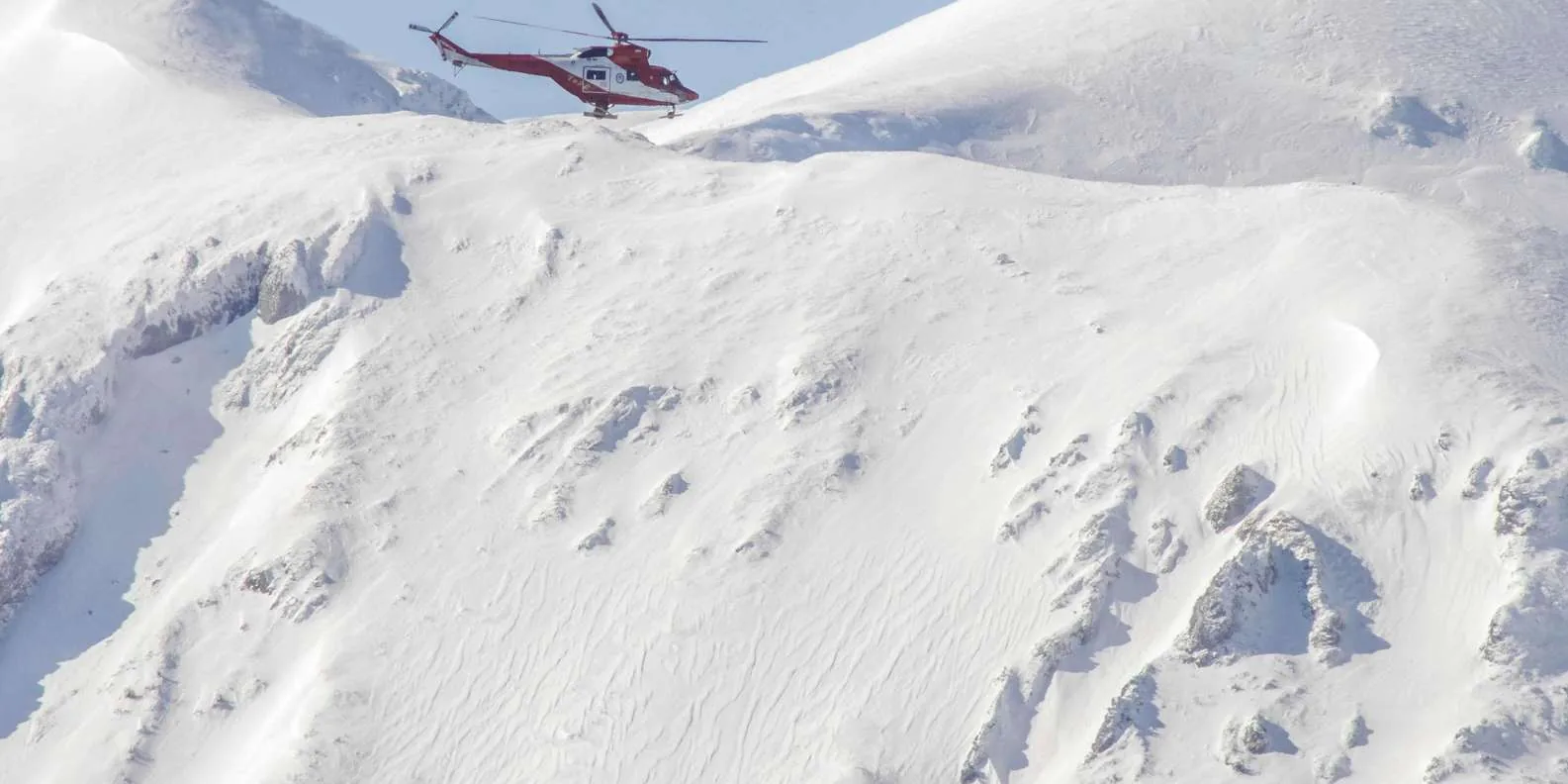
The single most important reason to choose a helicopter over a plane is the ability to land. This is not a minor detail; it is the difference between seeing Everest and standing on Everest. Here are the places a helicopter can take you that no fixed-wing scenic flight ever will.
Everest Base Camp
Everest Base Camp, at around 5,364 metres (17,598 feet), is the staging ground for every expedition that attempts the world's highest peak. A helicopter can land right on the glacier beside the base camp itself, and you can step out and walk among the tents and prayer flags of the climbing teams during the spring season. It is the closest most people will ever get to the mountain without spending two weeks trekking to reach it. A plane flies over this spot at 28,000 feet; a helicopter puts your boots on the ice.
Kala Patthar
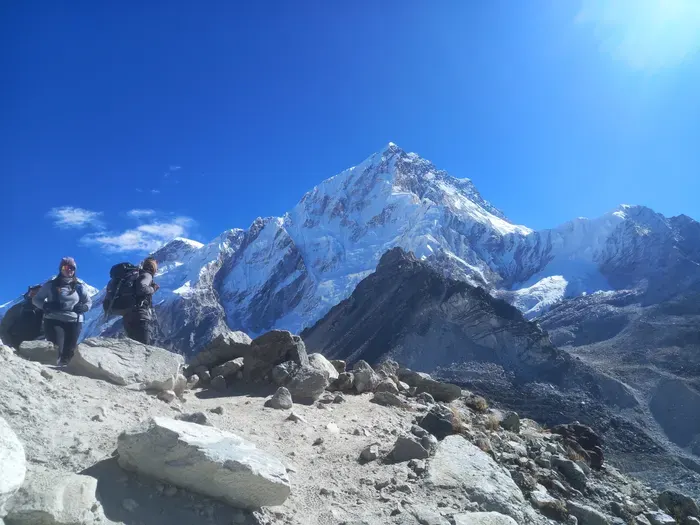
Kala Patthar, at 5,545 metres (18,192 feet), is famous for offering the single best ground-level view of Everest's summit. Because of the thin air and the short time you spend there, most helicopter tours make a brief stop at Kala Patthar for photos before descending. The view of Everest, Nuptse, and Lhotse from this vantage point is the image you have seen in a thousand photographs, and it is only reachable by helicopter or by a long, hard trek. This is the moment our guests talk about for years afterwards.
Gosaikunda
Gosaikunda is a sacred alpine lake at around 4,380 metres (14,370 feet) in the Langtang region, north of Kathmandu. It is a major pilgrimage site for Hindus and Buddhists, and the setting, a deep blue lake ringed by snow peaks, is one of the most beautiful in Nepal. Reaching it on foot takes several days of trekking, but a helicopter can land beside the lake in under an hour from Kathmandu. It is a completely different side of the Himalaya from the Everest region, and a wonderful option for travellers who want a high-altitude landing without the crowds of the Khumbu.
Muktinath
Muktinath, at 3,710 metres (12,172 feet) in the Mustang region, is one of the most important pilgrimage sites in Nepal, sacred to both Hindus and Buddhists. It sits on the far side of the Annapurna range, in a dramatic, arid, high-desert landscape that looks nothing like the green valleys around Kathmandu. A helicopter can fly you there in about an hour and a half, land beside the temple, and give you time to visit the 108 water spouts and the eternal flame before flying back. No fixed-wing scenic flight comes anywhere near this region.
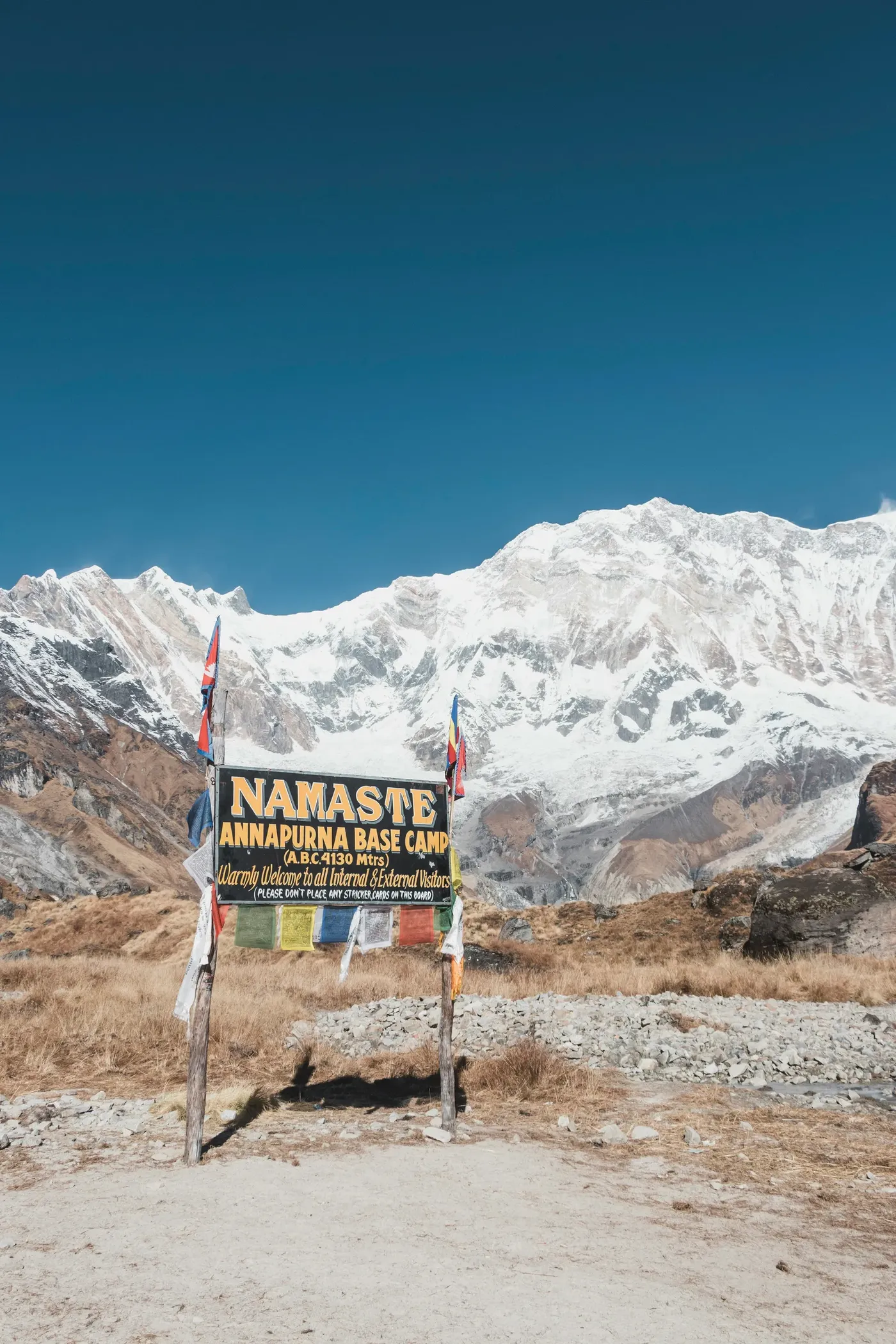
These four landing sites are just the highlights. Helicopters in Nepal also reach Annapurna Base Camp, the Everest View Hotel at Syangboche, and dozens of remote airstrips and villages across the country. The point is simple: a plane shows you the mountains, while a helicopter lets you arrive in them.
Cost Comparison: Plane vs Helicopter in 2026
Money is the deciding factor for a great many travellers, so let us lay the numbers out clearly. These are realistic 2026 prices in US dollars, and they reflect what you should expect to pay for a standard, well-run experience.
- Everest scenic mountain flight (Buddha Air or Yeti Airlines): approximately $200 to $250 per person. This is a fixed price per seat, and it includes the flight, a window seat, and usually a certificate of completion. It is the cheapest way to see Everest from the air.
- Shared helicopter scenic flight (no landing): approximately $260 per person. This is a shorter helicopter loop over the Everest region or the Langtang range, with no high-altitude landing. You share the aircraft with a small group of other passengers.
- Everest Base Camp helicopter landing tour (shared): approximately $1,260 per person. This is the full experience: Kathmandu to Lukla, up the Khumbu valley, a landing at Everest Base Camp and Kala Patthar, and often a breakfast stop at the Everest View Hotel. It is the most popular tour we sell.
- Private helicopter charter: typically $3,500 to $5,500 for the whole aircraft, depending on the route and the season. This is the option for families, photographers, or anyone who wants the machine to themselves.
For a deeper dive into what drives these prices, we have written a full breakdown of the Everest helicopter tour cost in 2026, and a separate guide to the Everest scenic mountain flight cost. The short version is that the plane is roughly a fifth of the price of the full helicopter landing tour, and that gap is the single biggest reason people choose one over the other.
It is also worth thinking about value rather than just price. The plane gives you about an hour of flying for your $200 to $250. The helicopter landing tour gives you three to four hours, multiple landings, and the chance to stand on the glacier at Base Camp. Per hour in the mountains, the two are not as far apart as the headline numbers suggest, but there is no denying that the helicopter is a premium product aimed at a different budget.
Who Each Option Is Best For
Neither option is objectively better; they are better for different people. Here is our honest guidance, based on years of matching travellers to the right experience.
Choose the Fixed-Wing Scenic Flight If...
- You are on a tight budget and want to see Everest for the lowest possible price.
- You only have a single morning free in Kathmandu and need to be back by lunchtime.
- You are travelling with a large group and want everyone to pay the same low per-seat price.
- You are happy to see the mountains from a distance and do not feel the need to land among them.
- You are nervous about small aircraft and prefer the familiarity of a standard airliner.
Choose the Helicopter Tour If...
- You want to actually stand at Everest Base Camp or Kala Patthar, not just fly over them.
- You are short on time but still want the full "I was there" experience without a two-week trek.
- You are a photographer who wants low-altitude, close-up views and the chance to shoot from the ground.
- You are travelling with children or older family members who cannot trek but still want to reach the high Himalaya.
- You are celebrating a special occasion, a honeymoon, a milestone birthday, or a once-in-a-lifetime trip, and want it to feel extraordinary.
If you are weighing the helicopter against actually trekking to Base Camp on foot, we have a separate comparison that may help: Everest helicopter tour vs Base Camp trek. The short version is that the helicopter gives you the destination without the two weeks of walking, while the trek gives you the journey itself.
Cited source for the geography here: the Himalaya. We link it because it is the source, not because it sells anything.
Comfort and Motion Sickness
Comfort is a real consideration, and the two aircraft feel very different in the air.
A fixed-wing scenic flight is, in most ways, the more comfortable option for the nervous flyer. The aircraft is larger and heavier, it cruises smoothly at high altitude, and the motion is gentle and predictable. You are seated in a proper airline seat, there is a cabin crew, and the whole experience feels familiar. The main downside is that the cabin is pressurised and you are flying high, so some passengers feel a little light-headed or get dry eyes, but motion sickness is relatively rare on these flights.
A helicopter is a smaller, more responsive machine, and it moves more in the air. There is more vibration, more banking and turning, and the flight path follows the terrain rather than cruising in a straight line. Most people find this exhilarating rather than unpleasant, but if you are prone to motion sickness, the helicopter is the more likely of the two to trigger it. Our advice is to sit near the front, keep your eyes on the horizon, and avoid a heavy breakfast before flying. The good news is that the helicopter flies lower and slower, so the air is thicker and the temperature more comfortable, and the frequent landings give you a chance to get your feet on solid ground and reset.
One more comfort point: altitude. The helicopter landing tour takes you to over 5,000 metres, and even though you only spend a short time there, the thin air is noticeable. You may feel a little breathless or light-headed at Kala Patthar. This is normal and passes quickly once you descend, but it is worth knowing before you go. The fixed-wing flight keeps you inside a pressurised cabin, so you avoid this entirely.
Photography: Which Gives You Better Photos?
If photography is a priority, this section matters to you, and the answer is more nuanced than "the helicopter is better."
The fixed-wing scenic flight gives you a panoramic view. From 28,000 feet, you can capture the entire Himalayan range in a single frame, with peak after peak receding into the distance. The light in the early morning is often spectacular, and the high vantage point produces those classic, sweeping images of the whole range. The challenge is shooting through an airliner window, which introduces reflections, scratches, and some distortion. You will want to press your lens close to the glass and shoot at a wide aperture to minimise the window's effect.
If you are planning this route, these go deeper: Heli Trekking in Nepal 2026: The Complete Trek-Up, Fly-Back… and Flying to Lukla by Helicopter: The KTM-Lukla Route, Costs and….
The helicopter gives you intimacy. You fly low and close, so individual peaks, glaciers, and icefalls fill the frame. The large curved windows are cleaner and offer a wider field of view, and because the aircraft can hover and turn, the pilot can position you for the best angle. Best of all, the helicopter lets you land, which means you can shoot from the ground at Kala Patthar or Base Camp, where the light and the composition are entirely under your control. For most serious photographers, the helicopter is the clear winner, and a private charter, where you can direct the pilot and shoot through an open door or a clean window without other passengers, is the ultimate option.
Our practical tips for both: shoot in the morning when the air is clearest, bring a polarising filter to cut glare, and do not spend the whole flight looking through the viewfinder. The best memory of these mountains is the one you make with your own eyes.
Timing and Weather: When to Fly
Both options are heavily weather-dependent, and the season you choose matters as much as the aircraft you choose. The best flying conditions in Nepal are in the autumn months of October and November, and the spring months of March, April, and May, when the skies are clear and the mountains are at their most dramatic. Winter can be crisp and clear but very cold, and the summer monsoon, from June to September, brings cloud and rain that frequently grounds flights of both kinds.
One practical difference is worth noting: fixed-wing scenic flights are scheduled and depart on a fixed timetable, so if the weather is marginal, the airline will either delay or cancel, and you may have to rebook. Helicopter tours are more flexible, because we can adjust the departure time, the route, and even the landing sites to work around the weather on a given day. If you are on a tight schedule, this flexibility can be a genuine advantage. We have written a full guide to the best time for a helicopter tour in Nepal if you want to plan around the seasons.
The Recommendation Matrix
To make the decision as simple as possible, here is a quick reference table of who should choose what. If you recognise yourself in the left-hand column, the right-hand column tells you which option we would recommend.
- Budget under $300, want to see Everest once: Fixed-wing scenic flight ($200 to $250).
- Budget around $400, want a closer look but no landing: Shared helicopter scenic flight ($260).
- Budget $1,200+, want to stand at Base Camp and Kala Patthar: Everest Base Camp helicopter landing tour ($1,260).
- Only one free morning, need to be back by lunch: Fixed-wing scenic flight.
- Photographer wanting close-up, ground-level shots: Helicopter tour, ideally a private charter.
- Travelling with children or elderly family who cannot trek: Helicopter tour.
- Prone to motion sickness or nervous about small aircraft: Fixed-wing scenic flight.
- Celebrating a once-in-a-lifetime occasion: Helicopter tour.
- Want to visit Gosaikunda or Muktinath, not just Everest: Helicopter tour (a plane cannot reach these sites).
- Large group, everyone on the same tight budget: Fixed-wing scenic flight.
Our Honest Verdict
If you ask us, as a helicopter company, which option we would recommend, we will give you a straight answer rather than a sales pitch. The fixed-wing scenic flight is a genuinely wonderful experience, and for $200 to $250 it is one of the best-value sightseeing flights anywhere in the world. If your goal is simply to see Everest with your own eyes, and you are on a budget or short on time, the plane is a perfectly good choice, and we would never talk you out of it.
But if you can stretch your budget, the helicopter is a fundamentally different experience, and it is different in a way that matters. A plane shows you the mountain from a distance. A helicopter puts you on the glacier at Base Camp, lets you stand at Kala Patthar with Everest filling the sky, and brings you home the same morning. It is the difference between seeing a photograph of a place and actually being there. For most of our guests, that difference is worth every dollar, and it is the reason the Everest Base Camp landing tour remains the single most popular thing we do.
If you want the version that actually lands at Base Camp, our Everest Base Camp helicopter tour runs daily from Kathmandu.Whichever you choose, you are about to see the highest mountains on Earth, and that is something you will never forget. If you would like help deciding, or want to talk through the options for your specific dates and budget, we are always happy to advise. The mountains will be waiting for you either way.