
Short answer: the Everest mountain flight is a one-hour fixed-wing flight from Kathmandu along the Himalayan crest for from $260 per person, every seat a window seat, with Everest, Lhotse, Nuptse, Cho Oyu, Gauri Shankar and Makalu in view. It does not land. If you want to actually stand at 5,545m, the Everest helicopter day tour does that for from $1,260 — roughly five times the price for a completely different experience.
- $260mountain flight, per seat
- 1 hourairborne along the crest
- ~3.5 hrsdoor to door with transfers
- No landingflyby only
What the flight actually is
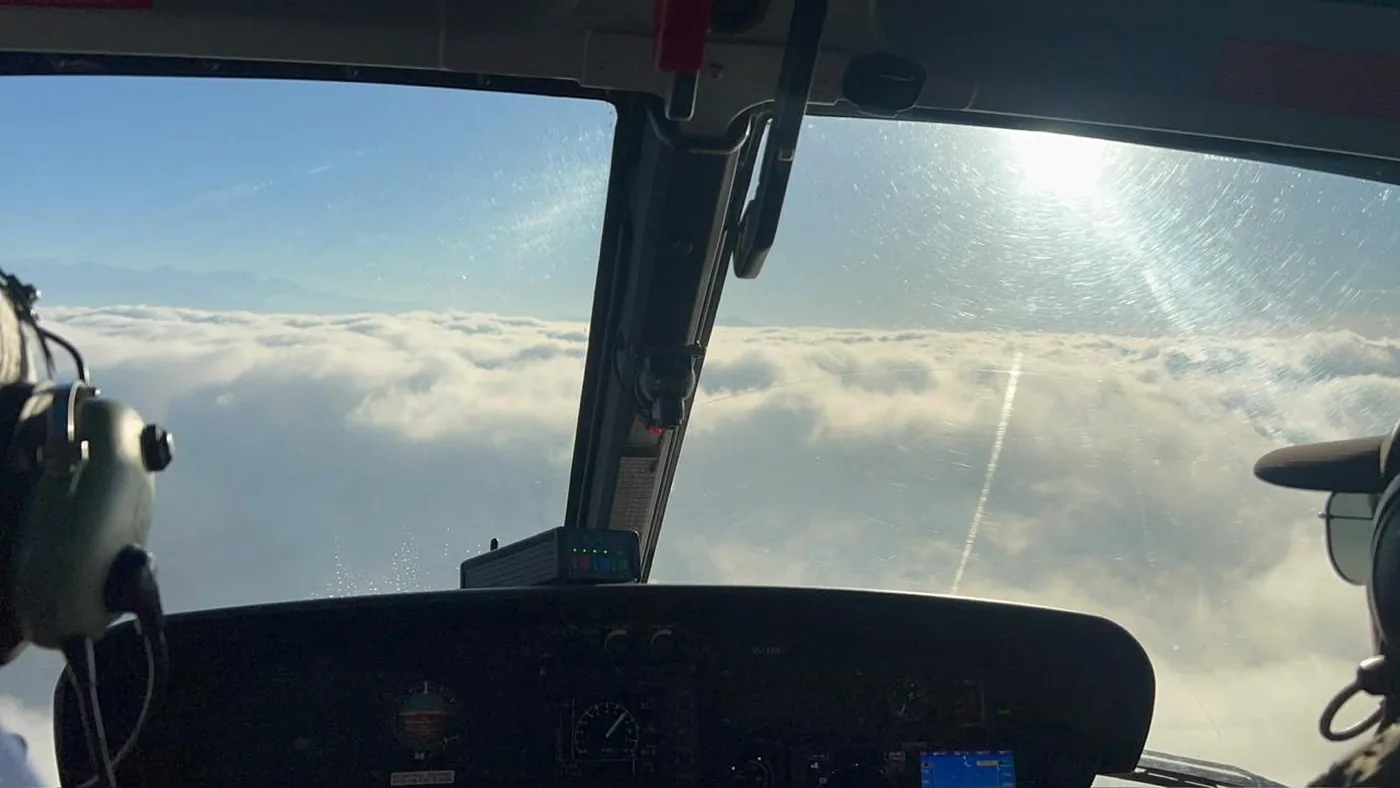
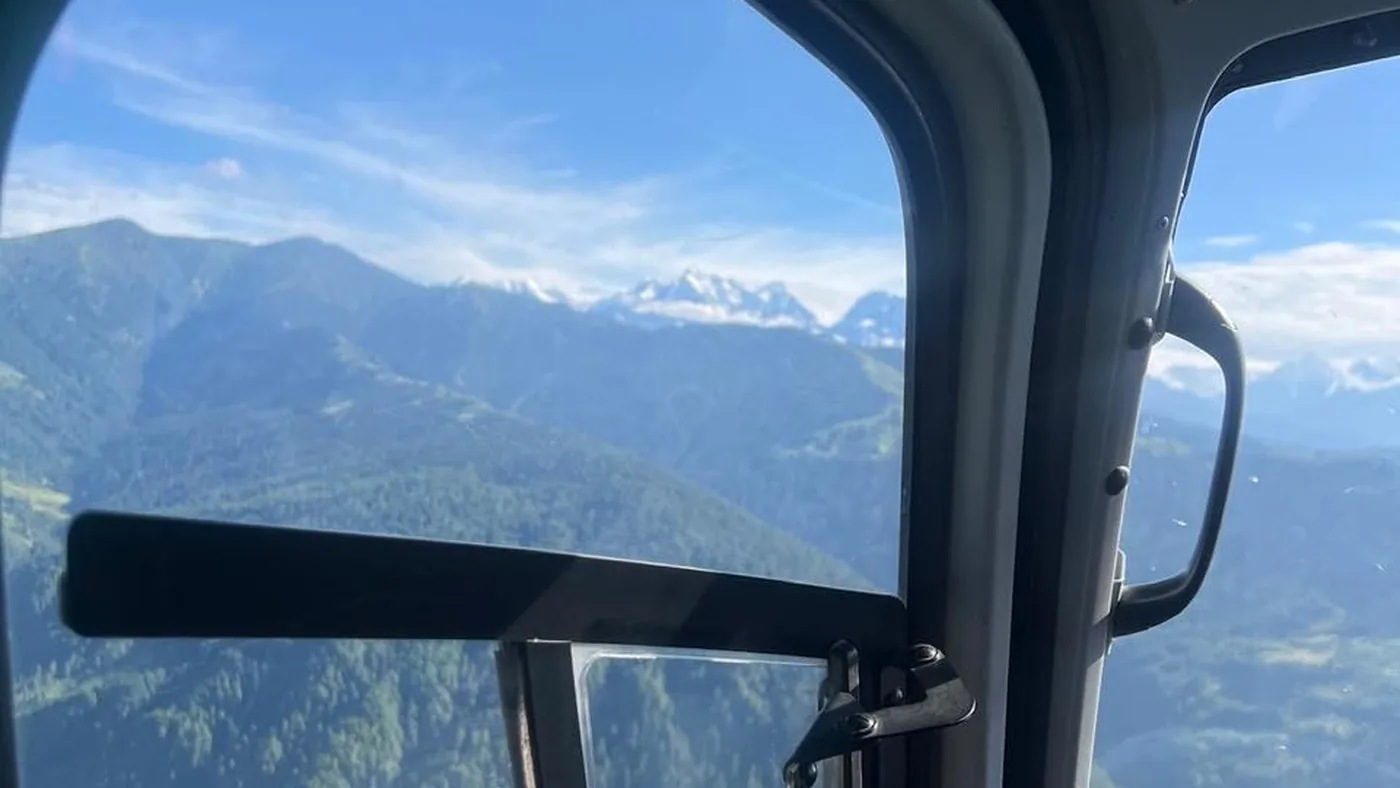
You leave from the domestic terminal at Kathmandu between 6:30 and 9:30 in the morning in a Buddha Air Beechcraft 1900 or a Yeti Airlines ATR, climb to the north-east, and fly roughly parallel to the Himalayan crest before turning back — about an hour in the air, with a guaranteed window seat for every passenger and the captain naming the peaks as they come up: Everest, Lhotse, Nuptse, Cho Oyu, Gauri Shankar, Makalu.
Door to door it is about three and a half hours, because hotel pickup is 90 minutes before departure and the return transfer is included. You will be back in Kathmandu before lunch. Every passenger gets a Certificate of Achievement on landing, which sounds like a small thing and is, in fact, the photo everyone posts.
The mechanics — which aircraft, how high they actually fly, what the route looks like on a clear morning — are covered in the aircraft and altitude guide and the from-Kathmandu guide.
Mountain flight or helicopter? The honest comparison
This is the only decision that matters in this cluster, and it is not close on price: $260 against $1,260. What the extra thousand dollars buys is landing.
| Mountain flight | Everest helicopter day tour | |
|---|---|---|
| Price | $260 per person | $1,260 per person (shared seat) |
| Time | 1 hour airborne, ~3.5 hrs door to door | ~6 hours door to door |
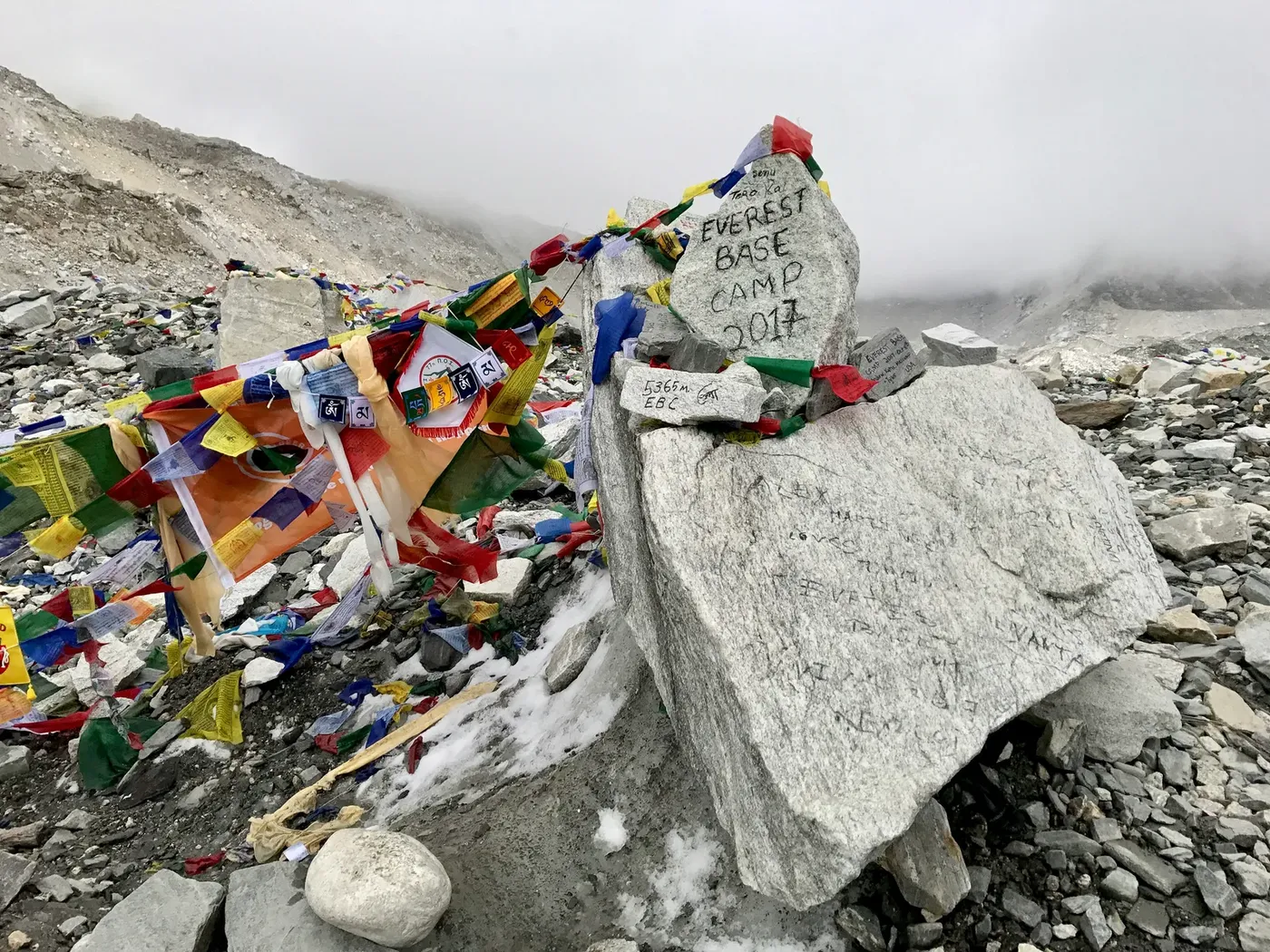
| Lands? | No — flyby only | Yes — Kala Patthar (5,545m). Base Camp is overflown, not landed |
| How close | Parallel to the range, Everest in the distance | Standing at 5,545m, above Base Camp, looking at the mountain |
| Altitude you reach | Viewing 8,849m Everest from flight level | Landing at 5,545m plus breakfast at 3,880m |
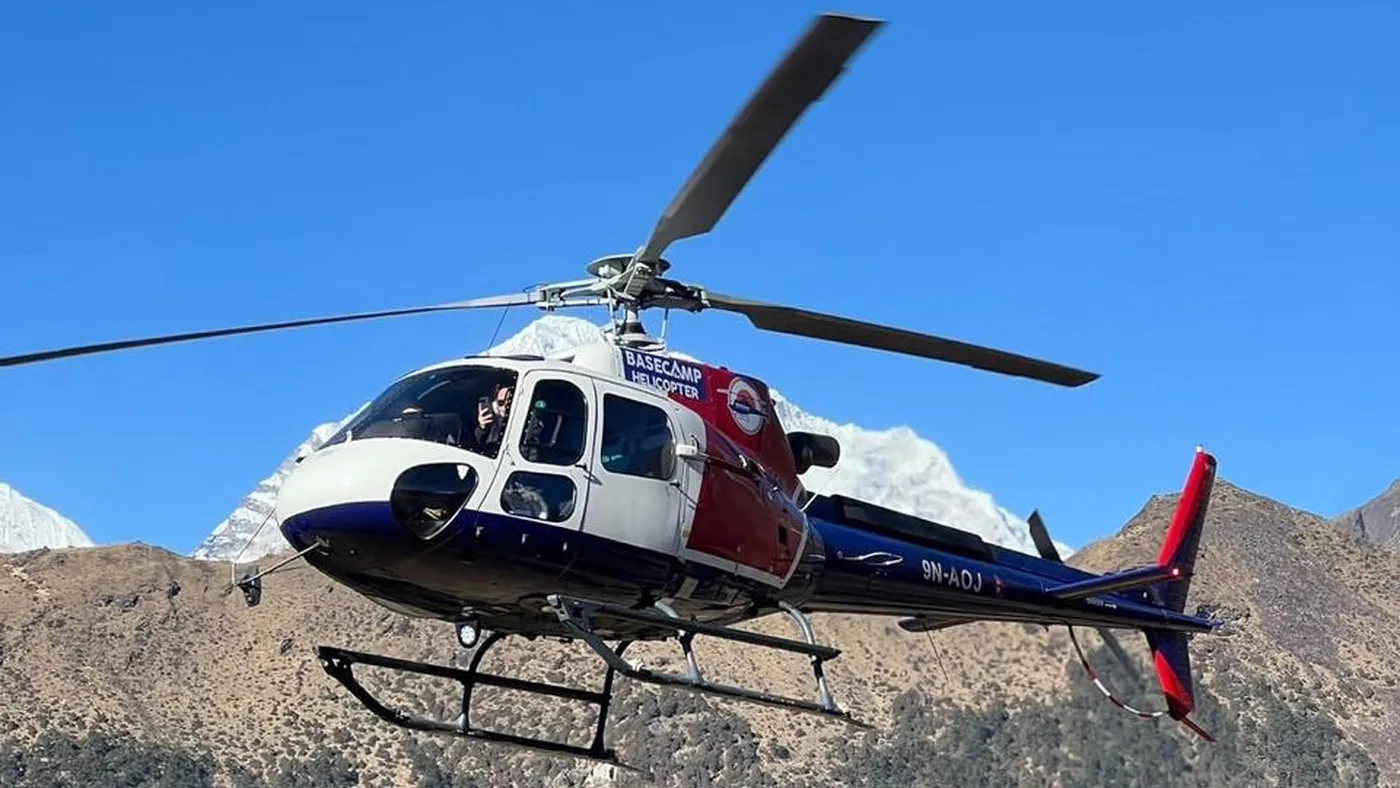
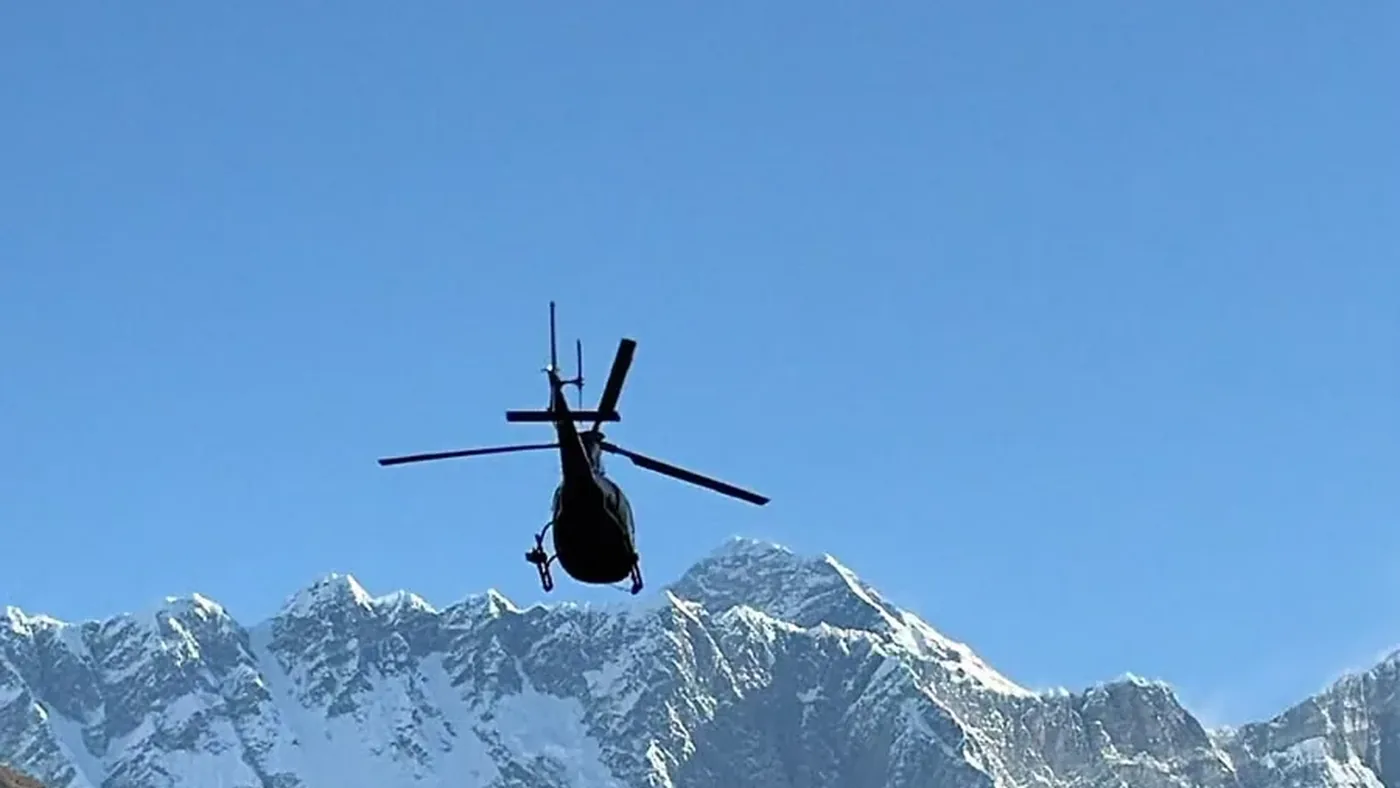
| Aircraft | Fixed-wing, ~18–20 seats | Airbus H125, up to 5 passengers |
| Best for | Budget, tight schedule, first-time Nepal visit | Once-in-a-lifetime, photography, actually being there |
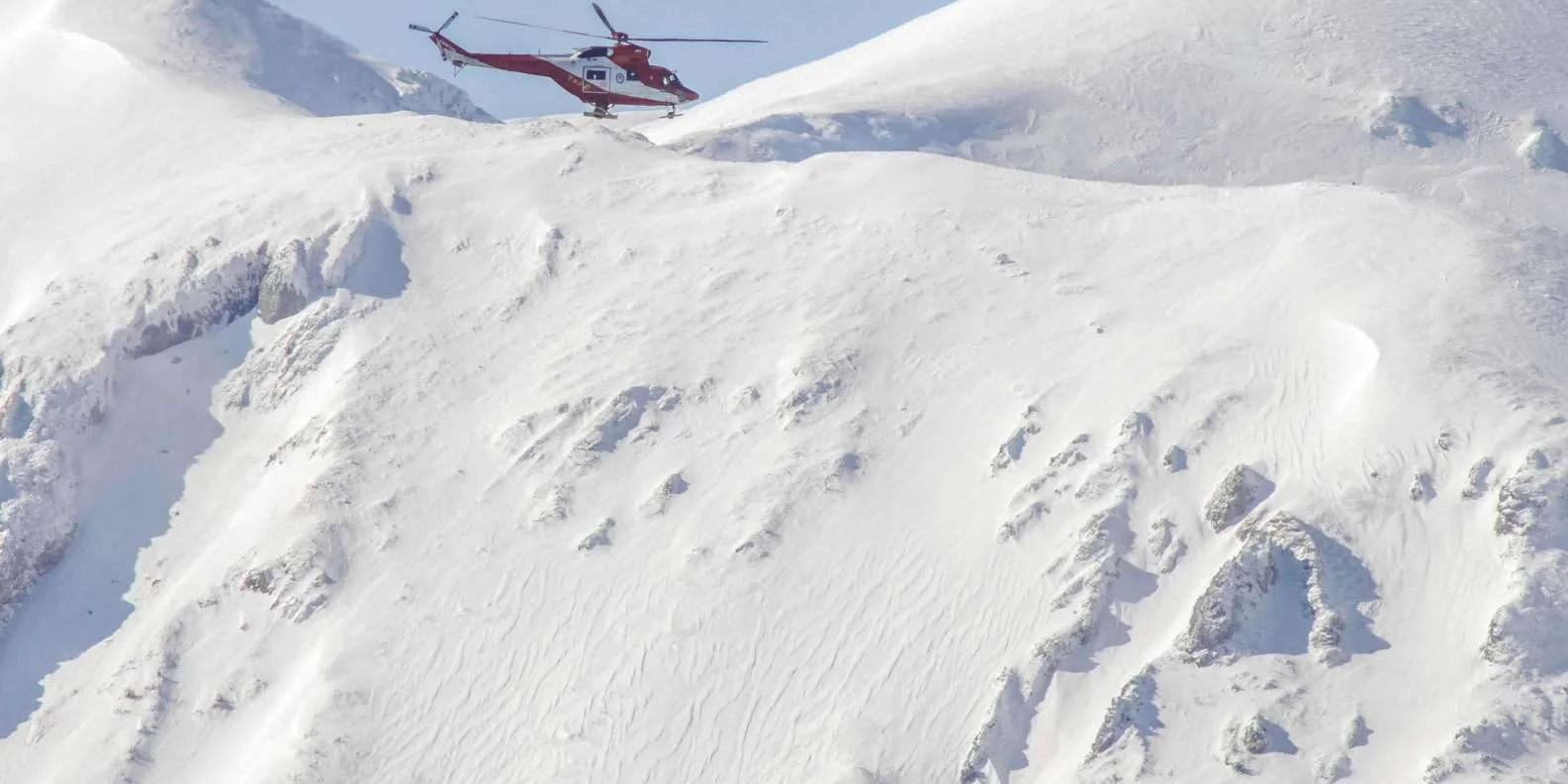
If you have one clear morning and $260, take the mountain flight and spend the rest of the money on the rest of your trip. If Everest is the reason you came to Nepal, the extra thousand is buying the only thing that cannot be substituted: being on the ground at 5,545m rather than passing it at altitude. The long version of this argument is in helicopter versus plane flight.
What you see, and from where
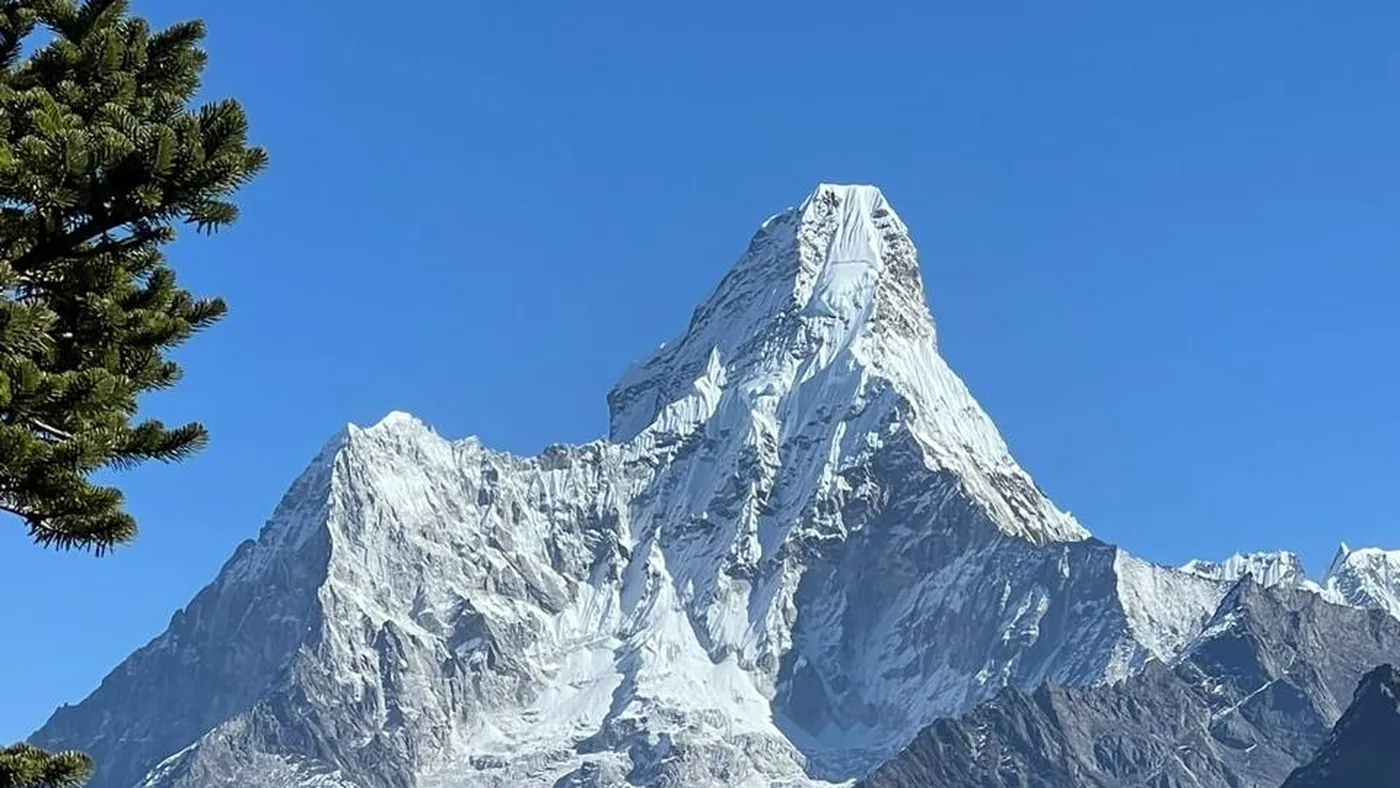
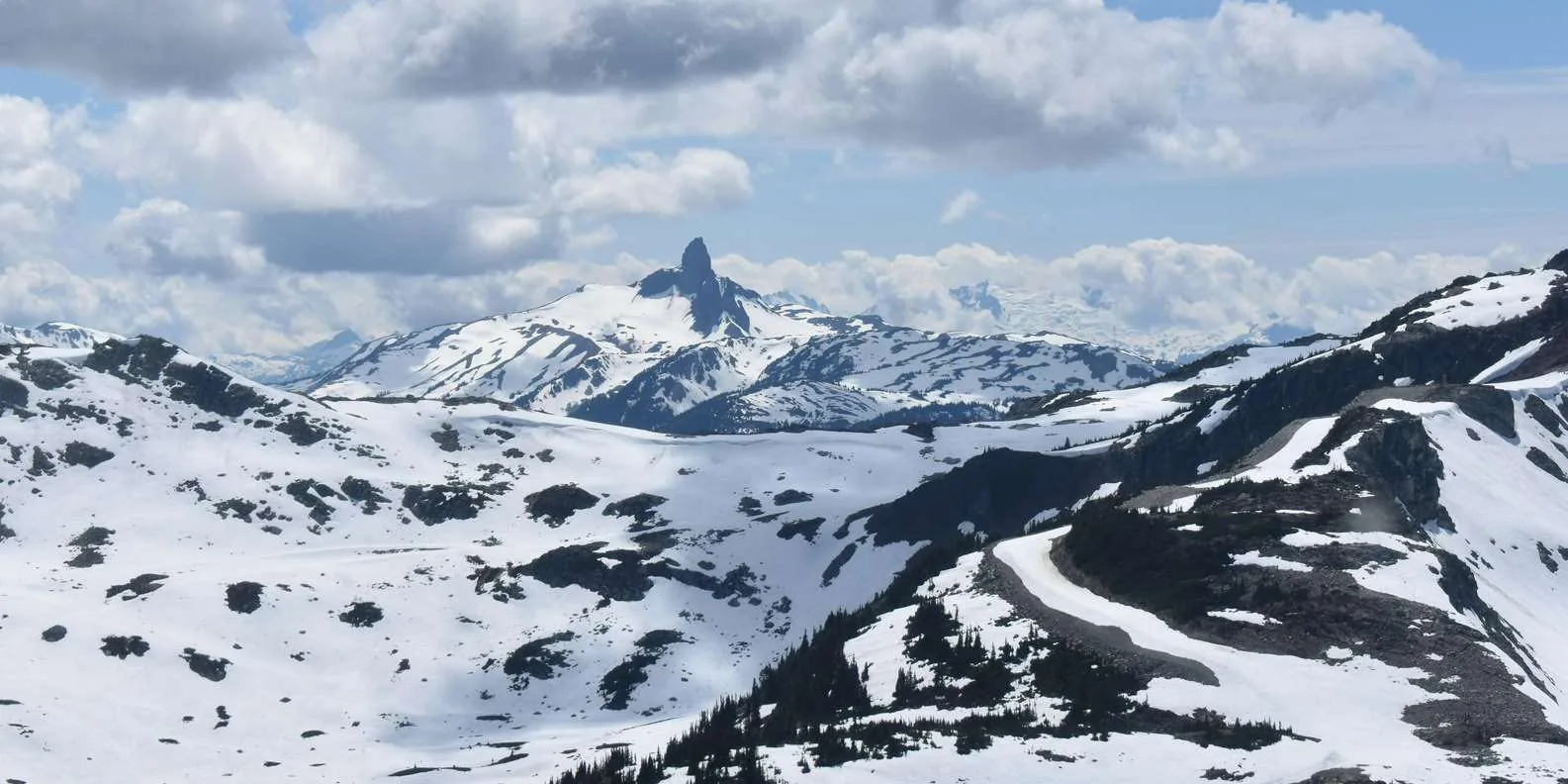
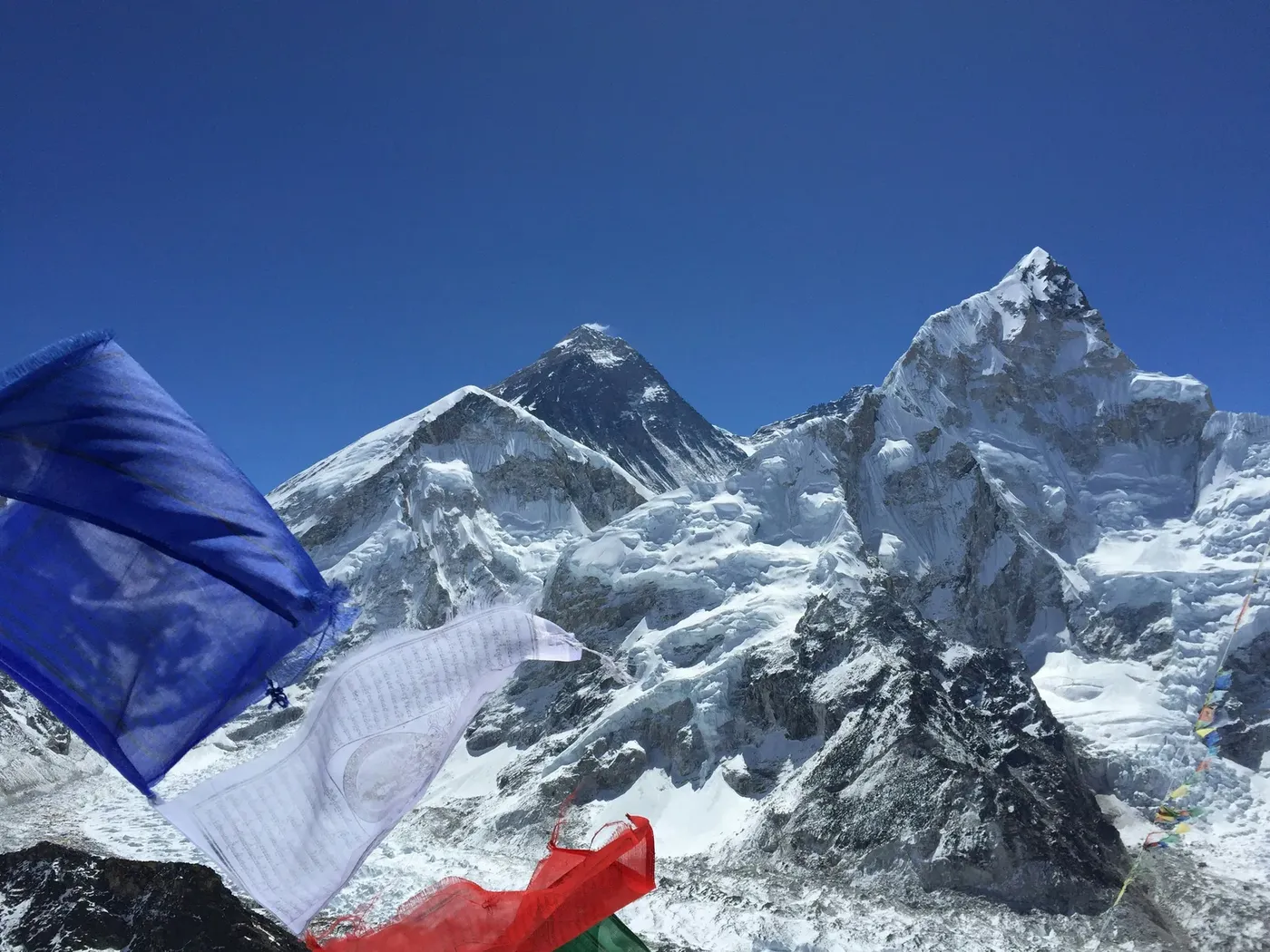
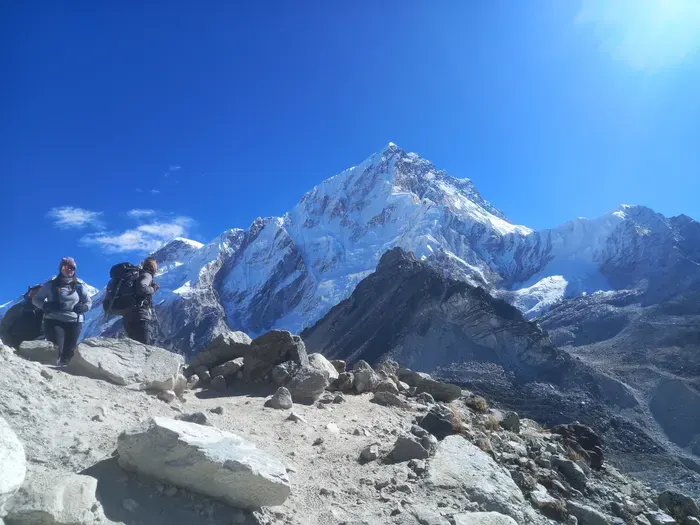
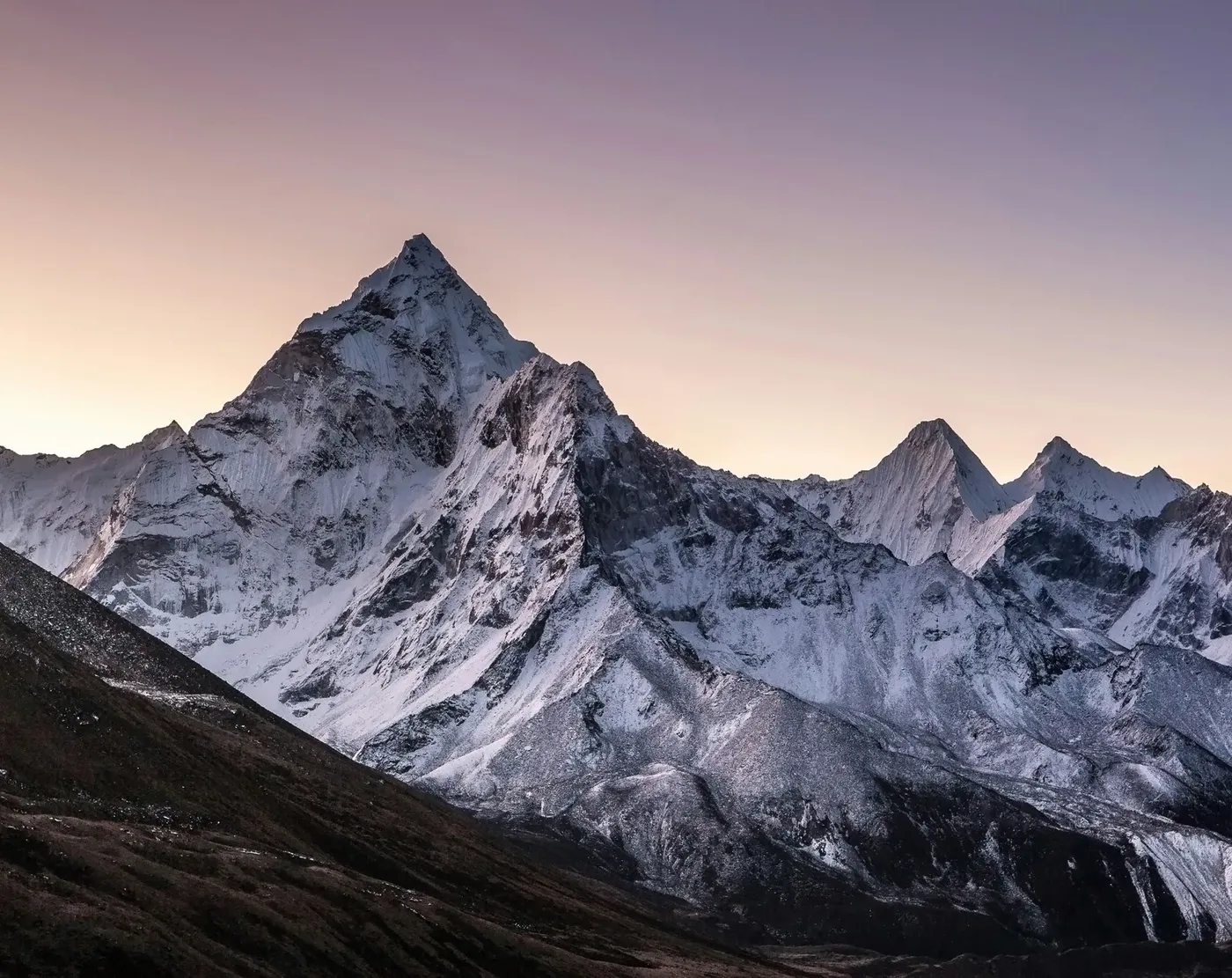
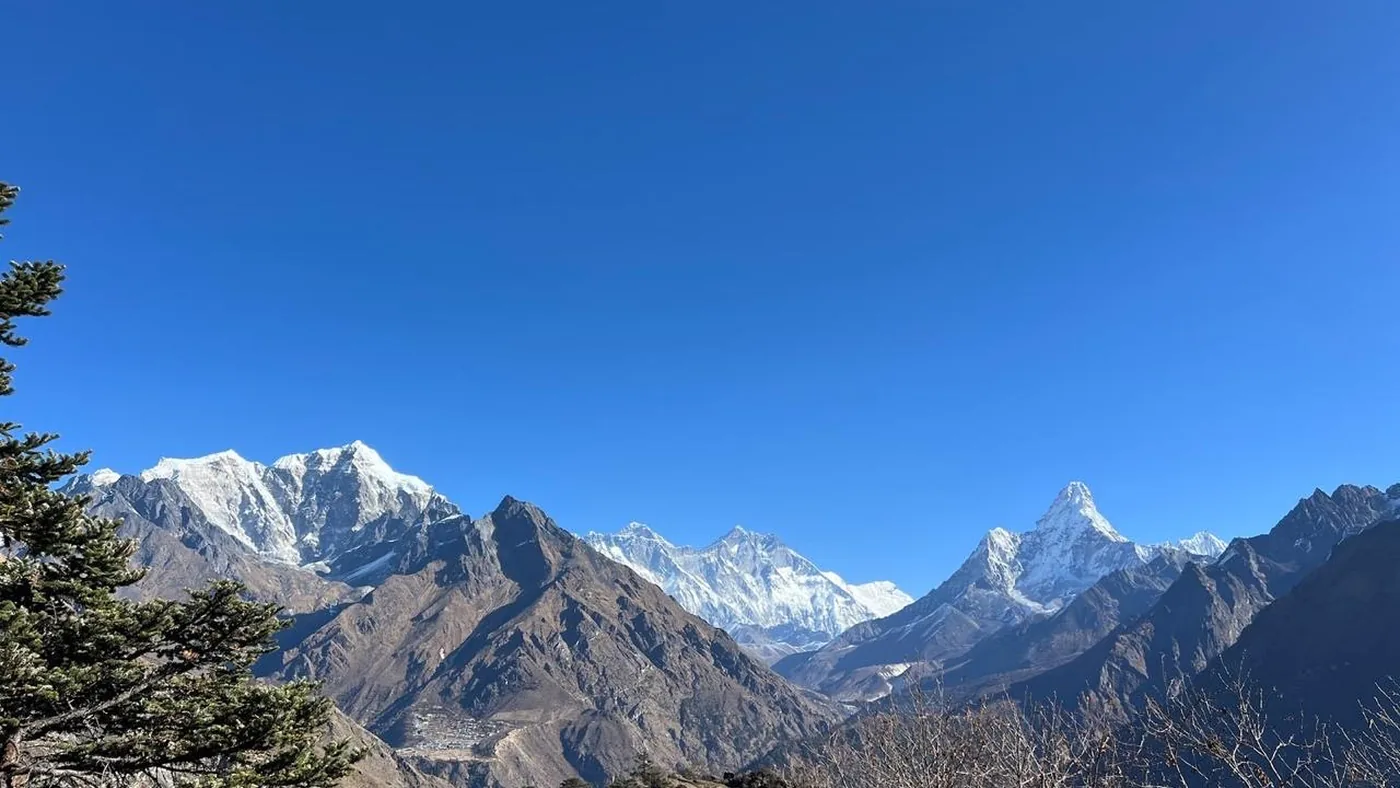
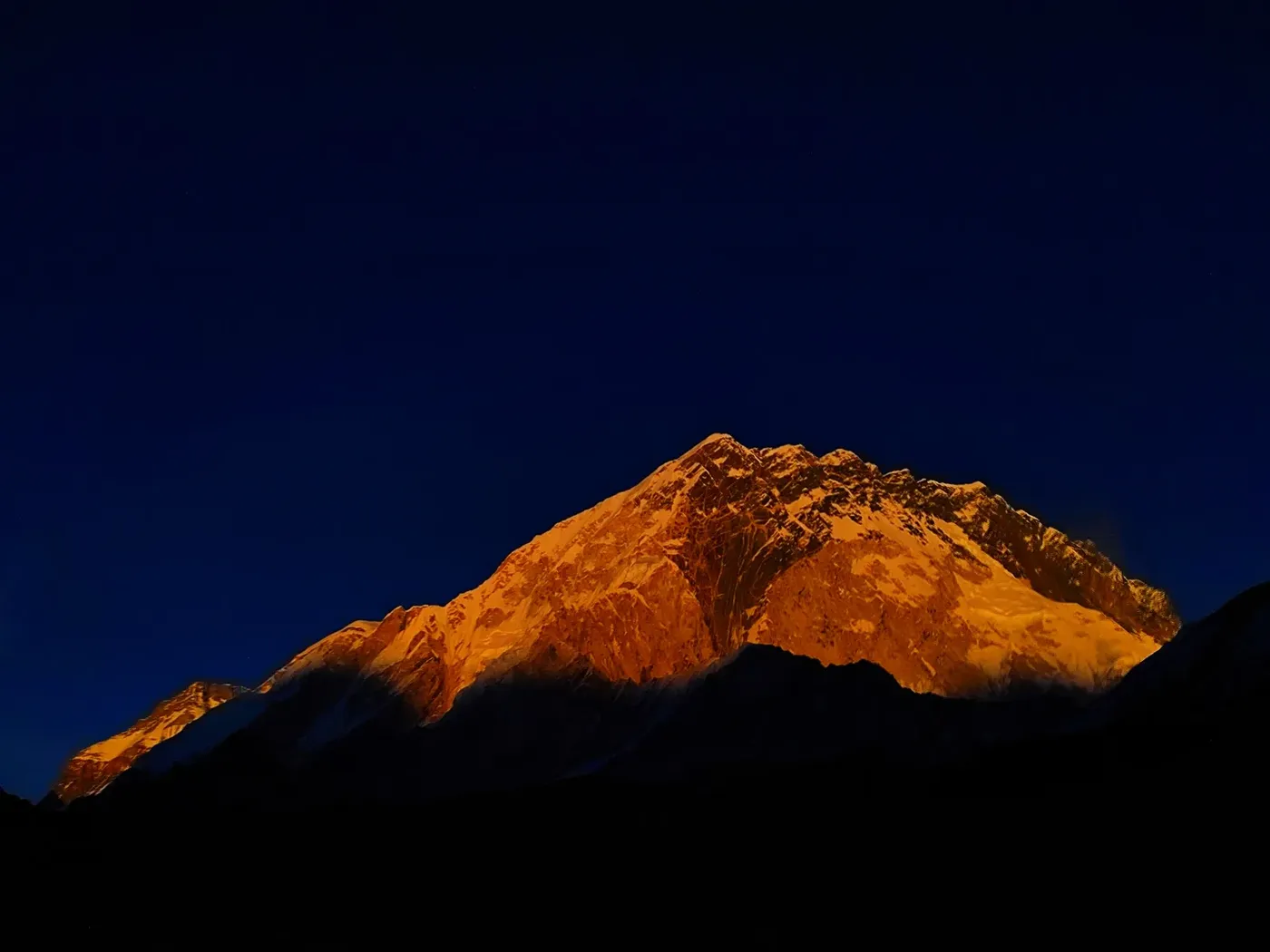
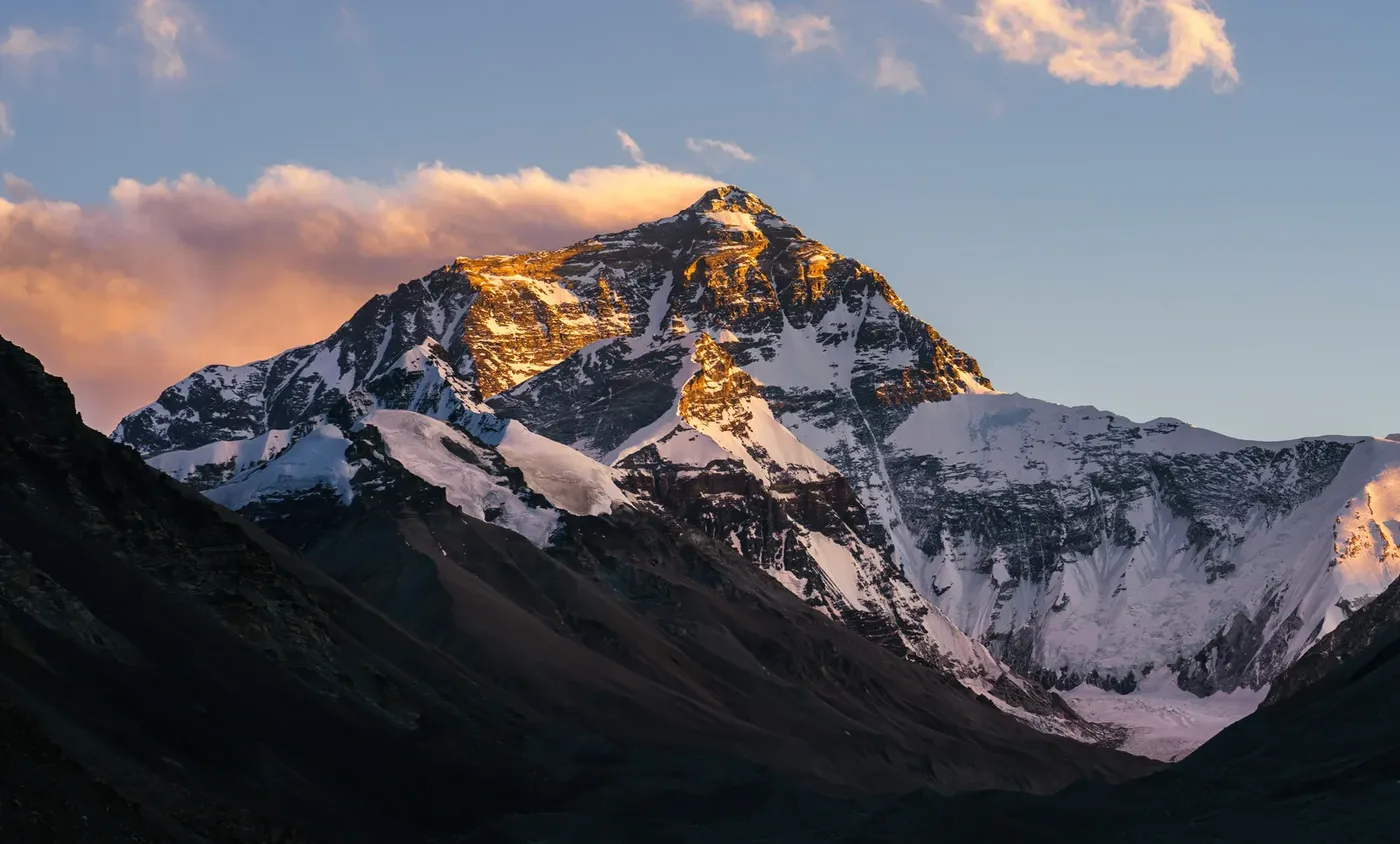
The route runs from Kathmandu east-north-east along the front of the range. On a clear morning the peaks come up in sequence and the captain calls each one: Everest at the centre, with Lhotse and Nuptse to the south, Cho Oyu further east, Gauri Shankar and Makalu beyond. You do not circle Everest — this is a flyby along the crest — but the mountain fills the window for several minutes, and the flight is timed so both sides of the aircraft get the range.
Cloud is the only thing that ruins it, which is why the season matters more than anything else you can control. More on the route in the Everest mountain flight guide.
When to fly: mornings, and two windows in the year
October to November and March to May are the clear-sky months. Himalayan weather is reliably clearest before 10am, which is why every departure is scheduled in a tight early-morning window — later flights carry materially higher cancellation risk, and during the June-to-September monsoon delays and cancellations happen at short notice.
If a flight is cancelled for weather you get a full refund or a free rebooking on the next morning. That policy is the reason a mountain flight is a low-risk purchase: the worst realistic outcome is that you fly tomorrow instead.
Fares: why the number on the airline's board is not the number you pay
Published fares differ by airline, and there is a separate Nepali and SAARC citizen rate that foreign visitors do not get. Two airlines carry almost all of this traffic — Buddha Air and Shree Airlines — and their prices move with the season. Rather than quote a figure that will be wrong next month, the current per-airline numbers, including the citizen rates, are kept up to date in the mountain flight cost guide, with Buddha Air's fares here and Shree Airlines' here.
Practical: passport, timing, and what to bring
Bring your passport — check-in requires it for every passenger, children included. Book the earliest departure you can get: the air is calmer and the peaks clearer. Cameras are welcome and encouraged; a polarising filter earns its place on this flight more than on any other you will take in Nepal.
The practical detail — what to wear, what the terminal is like, how the transfer works — is in the packing list.
Frequently Asked Questions
How much is the Everest mountain flight in 2026?
From $260 per person for a window seat, including hotel pickup and drop-off, the one-hour flight, live commentary and the certificate. Airline published fares and the Nepali/SAARC citizen rates are in the cost guide, because they change with the season.
Does the mountain flight land anywhere near Everest?
No. It is a fixed-wing flyby along the Himalayan crest — you never land. If landing at Everest matters to you, that is the helicopter day tour, which puts you on the ground at Kala Patthar (5,545m) for $1,260 — Base Camp itself is overflown, never landed.
How close does the plane get to Everest?
Close enough that the mountain fills the window for several minutes, but the flight runs parallel to the range rather than circling the peak. Everest, Lhotse, Nuptse, Cho Oyu, Gauri Shankar and Makalu are all visible on a clear morning.
How long does the whole trip take?
About three and a half hours door to door: hotel pickup 90 minutes before departure, one hour airborne, and the return transfer. You are back in Kathmandu before lunch.
What time do mountain flights depart?
Between 6:30 and 9:30 in the morning, from the domestic terminal at Kathmandu. Take the earliest slot available — the air is calmest and the mountains clearest before 10am.
What happens if the weather is bad?
You get a full refund or a free rebooking on the next morning's flight. Weather cancellations are normal in the monsoon and in deep winter, which is why the policy is written that way.
Do children need a passport for the flight?
Yes. Airline check-in requires a passport for every passenger, including children, so bring them all.
Can I do the mountain flight and the helicopter tour?
You can, but it is largely the same mountains twice. If your budget stretches to the helicopter, the day tour supersedes the flight — it flies the same range and then lands at 5,545m. Pick one.
Is the mountain flight worth it?
For $260, if you want to see Everest and cannot justify a helicopter, yes — it is the cheapest way to see the mountain, and every seat is a window seat. What it cannot give you is the thing the helicopter sells: standing there.
Ready? Book the mountain flight, or compare it with the Everest Base Camp helicopter day tour.