
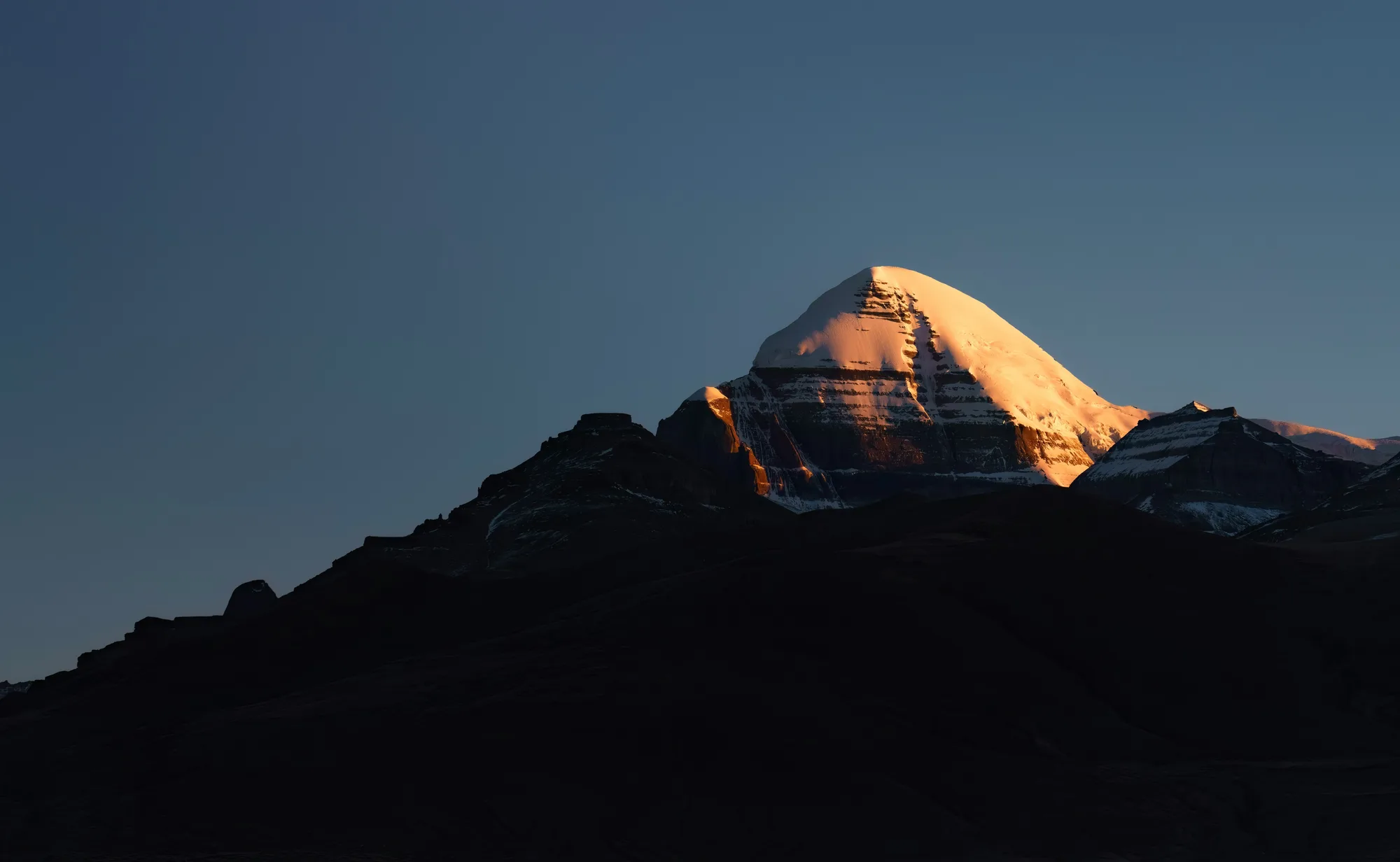
Short answer: The Everest mountain flight tour is a one-hour fixed-wing scenic flight from Kathmandu's domestic terminal that puts Mount Everest (8,848.86 m) in your window and lands you back in the city the same morning, from $260 per person with a window seat. It is not a landing product: the aircraft does not touch down in the Khumbu, so if you want to stand at Kala Patthar (5,545 m) you are buying the helicopter day tour at $1,260, not the mountain flight. Before you pay, confirm six things in writing: the window seat, the operating airline and aircraft, the terminal and the transfer, what the fare excludes, the refund wording if the flight is turned back, and who actually holds your ticket. The twelve checks below are the ones that change the answer.
- 1 hourRound-trip flight time from Kathmandu
- $260Per window seat, 2026 rate
- 8,848.86 mEverest summit seen from the air
- 1,400 mKathmandu (TIA) elevation at departure
Almost every enquiry we answer about the Everest mountain flight tour arrives in the same shape: a price, a departure time, and a photograph of Everest on a booking page. What it almost never includes is the part that decides whether the morning actually works — which airline is flying, whether the window seat is guaranteed or merely likely, which terminal you leave from, and what happens to your money if the flight is turned back over the ridge. On a one-hour product, those details are the product.
This page is the checklist we would use ourselves if we were buying the flight from a stranger. It assumes you have decided to see Everest from the air and now have to choose between quotes that look identical. Four of the twelve checks routinely change the answer to which one you should book, and one of them — the refund wording — is the only thing standing between you and a lost morning on a cloudy day.
What the Everest mountain flight tour actually is
The mountain flight is a scheduled fixed-wing scenic flight, not a helicopter tour and not a trek. It departs Kathmandu's domestic terminal in the morning, flies east along the Himalayan crest, and returns to the same airport. Total time in the air is one hour. There is no landing in the mountains, no acclimatisation, no walking, and no exposure to altitude beyond the cabin itself — which is why it is the one Everest product a traveller with three days in Nepal, or a grandparent, or a nervous flyer, can genuinely do.
The classic cabin configuration blocks out the middle seat so that every passenger has a window. The aircraft runs up one side of the range and returns along the other, banking through the turn so both sides of the cabin get an unobstructed look at the wall of peaks. That is the design, and when it is delivered properly it is one of the best-value hours in Himalayan travel. When it is not delivered — when a sold-out aircraft is reconfigured, when an agent has sold a seat on a flight that does not exist, when nobody has explained which terminal to be at — the same hour becomes an expensive lesson.
The full picture of what the hour looks like, including the aircraft and the route the crew flies, sits in our guide to the mountain flight aircraft, altitude and route, and the cluster overview lives at the Everest mountain flight hub. This page is narrower: it is about buying the flight well.
The three products sold under the same name
Before the checklist, a sorting step. "Everest mountain flight tour" is used loosely by every operator in Kathmandu, and it covers three quite different products. If a quote does not make clear which one it is, you cannot compare it with anything.
| Product | Price (2026) | Format and time | Lands in the mountains? | Altitude reached |
|---|---|---|---|---|
| Everest scenic mountain flight (fixed-wing) | $260 per person, window seat | 1 hour, round trip from Kathmandu | No | Summit views of 8,848.86 m |
| Everest Base Camp helicopter day tour | $1,260 per person, shared flight | 1 day, approximately 6 hours | Yes — Kala Patthar, 5,545 m | 5,545 m at the landing |
| Private Everest helicopter charter | $4,500 per aircraft, up to 5 guests | 1 day, approximately 5–6 hours | Yes — Everest View Hotel, 3,880 m | 3,880 m at the hotel landing |
| Everest Base Camp helicopter trek | $1,840 per person, trek up and fly back | 10 days | Yes, along the Khumbu trail | Maximum 5,545 m |
Three of those four land somewhere. Only the first is the mountain flight. The moment you understand which row a quote belongs to, most of the confusion disappears — and so do the quotes that were never really competing. The Everest scenic mountain flight page sets out the fixed-wing product on its own, while the price-by-price breakdown of all four lives in our Everest mountain flight cost guide.
Check 1 — Is the window seat guaranteed, or merely likely?
Every mountain flight in Kathmandu is sold as a window seat, and most of them are. The question is what happens on the morning the aircraft is swapped, when a group of six has been consolidated onto a smaller cabin, or when the airline sells the last two seats to walk-up passengers who paid at the counter. In those situations a seat is a seat, and the traveller who was promised a window has no lever unless the promise was written down.
So ask directly, and expect a direct answer: does every passenger on this aircraft have a window, and is my seat allocated at booking or at check-in? A good operator answers without hedging, because the answer is structural rather than a favour. A thin agent answers with "window seats are normally available". Those are not the same sentence, and the difference shows up at 6 a.m. at the domestic terminal, not in the brochure.
Two related points worth settling at the same time. First, if you are travelling alone, ask whether you will be seated next to a stranger who may lean across your window for the whole hour — some operators manage this better than others. Second, if you are a photographer buying the flight for the pictures, ask which side of the aircraft you will be on for the Everest pass and whether the crew will call the peaks. Our window-seat photography guide covers what the light and the angles actually allow.
Check 2 — Which airline and aircraft will actually fly you?
A mountain flight is operated under an airline's certificate, on that airline's schedule, with that airline's crew. An agent sells you a seat on it. This matters for three reasons: the schedule is the airline's and can move, the aircraft type decides how much cabin you get, and the fare rules belong to the carrier rather than to whoever took your payment.
So ask for the operating carrier's name, the flight number if there is one, and the aircraft type, and check that the carrier itself publishes a mountain flight. In Kathmandu the scheduled product is flown by the established domestic carriers, and we keep separate pages on the two most-booked ones: Buddha Air's mountain flight and Shree Airlines' mountain flight. If a quote names neither a carrier nor an aircraft, you are not looking at a flight booking — you are looking at an intention to book one later, at whatever price the market offers that morning.
Check 3 — Which terminal, and who gets you there?
The mountain flight leaves from Kathmandu's domestic terminal at Tribhuvan International Airport, at 1,400 m. That sentence is doing more work than it looks like: the domestic terminal is a separate building from the international one, the roads around the airport are busy in the early morning, and the reporting time the airline sets is always earlier than the departure time by a margin the airline decides — not the agent.
Ask three things. Is a hotel transfer included, and is it from my hotel or from a central pickup point? What time is the vehicle collecting me relative to the airline's reporting time? And if the transfer is not included, how long does the journey take at that hour? Travellers who book the flight but not the transfer are the ones who arrive breathless at a gate that has already closed, and no refund is owed to a passenger who missed the reporting time.
Check 4 — What does the price include, and what is added at the counter?
The $260 headline is the seat. Around it sit items that different operators treat differently: airport taxes and domestic passenger charges, the transfer, any card fee, and — for Nepali citizens and Indian nationals — whether you are being quoted at the correct local or SAARC rate at all. Rates for those categories are published separately by the airlines and are materially lower than the foreign-passenger fare, which is exactly why some quotes quietly default everyone to the foreign rate.
A clean quote states the currency, whether taxes are inside or outside the fare, what the transfer costs, and which rate category it assumes. If the total only appears after you have asked twice, treat that as information about how the booking will be handled if anything goes wrong.
Check 5 — What are the exact refund terms if the flight is turned back?
This is the check that matters most and is asked least. A mountain flight has three possible endings, and they are priced differently. The flight departs and lands as planned. The flight is cancelled before departure for weather or operational reasons. Or the flight departs, flies towards the range, and cannot reach a position where Everest is visible — so you get an hour in the air and a partial view.
Each of those is handled differently, and the wording is the only thing that decides who carries the loss. Ask for the cancellation and refund policy in writing before you pay, and read it for four specifics: what counts as a weather cancellation, who makes that decision, whether the remedy is a refund or a rebooking, and how long a refund takes to come back. A fare can be refundable, rebookable, or neither — and the price tells you nothing about which.
The partial-view case is the one travellers forget to ask about, because it feels greedy to ask. Ask anyway. A well-run booking will tell you what happens if the aircraft turns back halfway, and whether a same-morning later departure is available if the first attempt is scrubbed.
Check 6 — What is the weather decision rule, and who makes it?
Mountain flights are visual flights along a high ridge, which is why they are scheduled in the morning: the valley cloud builds through the day, the ridge wind strengthens, and the stable window is early. Nobody can promise that window — not us, not the airline, not the agent who says "99% chance". The only honest answer is that the crew decides on the morning, and that the pilot's decision is final.
What you can control is how much of the morning you have bought. A booking that puts you on the first departure bank has a later slot to fall back on if the first attempt is scrubbed. A booking that puts you on the last departure of the morning has nothing behind it. That is a real, bookable difference between two quotes at the same price.
| What can stop the flight | What it looks like from the terminal | What a good booking does about it |
|---|---|---|
| Valley cloud and haze | Departures hold; the aircraft are on the apron but nothing moves | Holds the later same-morning slot and tells you before you leave the hotel |
| Ridge wind and turbulence | The flight goes but turns back before the Everest pass | Explains the partial-view outcome in advance instead of after |
| Aircraft serviceability | The carrier swaps or cancels the rotation | Books on a carrier with more than one morning departure |
| Terminal congestion | Security and boarding queues push the slot later | Builds the transfer around the airline's reporting time, not the departure time |
| Road delay to the airport | The vehicle is stuck and the gate closes | Includes the transfer rather than leaving it to you at 5 a.m. |
Check 7 — Which peaks are on the route, and does the quote say so?
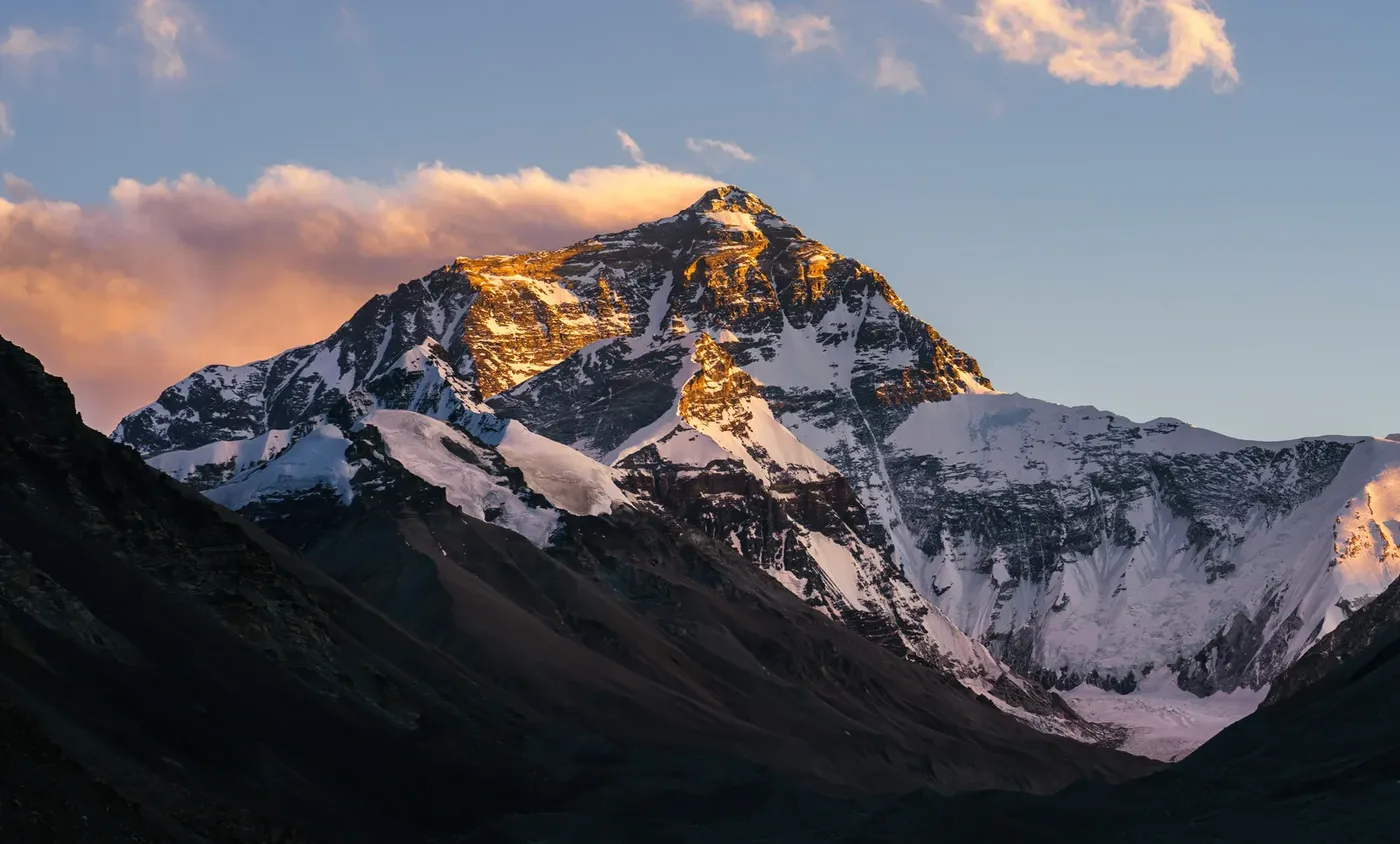
The mountain flight exists to show you a wall of peaks, not a single summit. Everest at 8,848.86 m is the headline, but the same window carries Lhotse, Makalu and Cho Oyu, and the run east from Kathmandu passes the Langtang crest before the Khumbu comes into view. A quote that describes the route — where the aircraft goes, which massifs appear in which order — was written by someone who has flown it or sold it for years. A quote that says only "Everest view" was written to close a sale.
Ask whether the flight reaches a point where the Everest massif is in clear view or merely passes along the range, and ask what the crew announces. On a well-run flight the cabin is called through each peak in sequence, which is what turns an hour of white mountains into a geography lesson. That sequence is set out peak by peak in our route and aircraft guide, linked above.
Check 8 — Do your documents match the rate you were quoted?
Fares on this route are published in three categories: foreign passport holders, Indian and SAARC nationals, and Nepali citizens. The categories are not interchangeable and the airline checks at check-in. If you hold an Indian passport and have been quoted the foreign rate, you have been over-quoted — politely ask for the SAARC fare. If you hold a Nepali citizenship certificate, ask for the local rate, which is published in rupees and revised by the airline each season.
Bring the passport or citizenship document that matches the rate you paid. This is also the check where the mountain flight differs from a trek: a scenic flight over the range needs no trekking permit and no TIMS card, because you are not entering a national park on foot. You need your identity document and your ticket, and that is the whole list.
Check 9 — Weight limits, luggage and what you can carry on
Small aircraft, small cabins, and a hard weight limit per passenger set by the operator. The rules are enforced at check-in with a scale, and they apply to the whole party, not just the heaviest bag. If you are flying straight from a trek, or connecting to a mountain flight with a duffel, say so at booking rather than at the counter.
The practical version: travel to the flight with carry-on only if you can, ask at booking whether a larger bag can be stored at the terminal or must be left at the hotel, and expect any excess to be handled as a separate arrangement rather than absorbed. None of this is a reason to avoid the flight. All of it is a reason to ask before the morning, when there is still time to repack.
Check 10 — Photography: which side, which light, which lens
You are shooting through a cabin window at a moving mountain range, in light that is changing minute by minute, in an aircraft that banks. Three things follow. Keep the lens short enough to include a massif rather than a summit. Keep a cloth for the window, because condensation and fingerprints cost more shots than camera settings do. And shoot from the moment the range appears, not when the cabin announcement comes, because the best frames usually happen before the call.
Ask at booking which side of the aircraft faces Everest on the outbound leg, and whether the crew rotates passengers. Ask, too, whether the airline permits hand-held cameras throughout the flight and whether any part of the cabin restricts photography — some crews ask for cameras down during the turn. Our window-seat photography guide goes through focal lengths, exposure and the reflection problem in detail.
Check 11 — Insurance and medical fitness on a one-hour flight
The mountain flight is the gentlest Everest product on the market: one hour, no landing, no walking, no acclimatisation, and a cabin that stays within normal operating limits. That is why it suits travellers who could not consider the trek. It is still a flight over high terrain, so two things deserve a sentence before you book.
First, medical: if you are pregnant, have a heart or respiratory condition, or have recently had surgery, ask your own doctor rather than an agent — and note that the flight is not an altitude-landing product, so altitude sickness is not the risk that a trek or a Kala Patthar landing carries. Second, insurance: check that your policy covers scenic flights and domestic air travel, because many standard policies exclude aviation activities unless named. Our safety and insurance guide covers the coverages that matter for Himalayan flying, and the packing list covers what to wear in an unheated cabin at dawn.
Check 12 — Who holds the ticket, and what do you receive?
The final check is administrative and it is the one that decides what happens when something goes wrong 24 hours before departure. Ask who issues the ticket, in whose name it is issued, what document you receive (an airline ticket reference or an agency voucher), and who your contact is in Kathmandu on the morning of the flight. A booking that produces a named ticket and a phone number that answers is a booking. A booking that produces a screenshot and a chat thread is a hope.
It is also worth asking whether the agency will rebook you directly or hand you back to the airline. Rebooking matters more than refunding on this product, because the usual failure is not a lost flight but a lost morning — and the fix is a seat later the same morning, which only someone with a real relationship to the carrier can arrange. Our Everest booking guide walks through the reservation side in more detail.
Comparing two quotes line by line
Put two quotes side by side and score them on the same six lines. Most of the time the cheaper one loses on three of them, and the decision stops being about price.
| Line | A thin quote says | A complete quote says |
|---|---|---|
| Fare basis | "Everest flight, $260" | Fixed-wing scenic flight, one hour, per person, window seat |
| Seat | Window seats normally available | Every passenger has a window; allocated at booking |
| Carrier | A domestic airline | Named carrier, flight number, aircraft type |
| Extras | Total quoted after you ask | Taxes, transfer and card fee stated separately |
| Weather | "We reschedule if needed" | Written rule: who decides, rebook or refund, by when |
| Ticket | A voucher on request | Airline ticket reference in your name plus an on-call number |
Six red flags that should end the conversation
Some quotes are not thin, they are wrong. Walk away from any of these.
A fare far below the published airline rate. The mountain flight is a scheduled product with published fares; a price well under them is either a different product or a price that will be adjusted at the counter.
No carrier and no aircraft. If the answer to "which airline?" is "a good one", there is no booking behind the quote.
A promise that the mountain flight lands at Everest Base Camp. It does not. The landing product is the helicopter day tour, which puts you on the ground at 5,545 m. Anyone conflating the two is selling something they do not operate.
A guaranteed summit view. No operator can guarantee the weather. A guarantee is a tell that the refund terms are about to become negotiable.
No written cancellation policy before payment. The policy exists; if it cannot be shown before you pay, it will not be honoured after.
Payment to an individual rather than a registered agency. Ask for the agency's registration details and an invoice. A legitimate operator will produce both without hesitation.
What a well-bought mountain flight looks like
Run the twelve checks and the morning stops being a gamble. You know which product you bought, which airline is flying it, which terminal to be at and who is collecting you. You know what the $260 covers and what the helicopter day tour at $1,260 buys instead — a landing at Kala Patthar, 5,545 m, and roughly six hours of your day rather than one. You know what happens if the ridge is closed, because you read the wording before you paid.
Then the hour itself is simple. You board in the dark, the aircraft lifts off over the valley at 1,400 m, the range comes up on the horizon, and Everest at 8,848.86 m appears in the window you were promised. For the mountain's own history before you fly, Mount Everest on Wikipedia is a solid primer. For everything else about the flight — prices, airlines, routes and the helicopter alternatives — start at the Everest mountain flight hub.
Frequently Asked Questions
How long is the Everest mountain flight tour?
One hour in the air, round trip from Kathmandu. The full morning, including the airline's reporting time at the domestic terminal and the transfer from your hotel, is longer than the flight itself — which is why Check 3 on this page is about the terminal and the pickup rather than the aircraft.
How much does the Everest mountain flight cost in 2026?
From $260 per person for a window seat on the one-hour fixed-wing flight. The Everest Base Camp helicopter day tour, which lands at Kala Patthar at 5,545 m, starts at $1,260 per person on a shared flight, and a private Everest charter is $4,500 per aircraft for up to five guests. Nepali and Indian travellers pay published local and SAARC rates, which are lower.
Does the mountain flight land at Everest Base Camp?
No. The mountain flight is a scenic round trip with no landing anywhere in the mountains. If landing is the point of the trip, you want the helicopter day tour that puts you on the ground at Kala Patthar at 5,545 m — a different product at a different price, and one worth confirming by name before you pay.
Can you actually see Mount Everest on the flight?
Yes, when the morning is clear. Everest is 8,848.86 m and the aircraft flies a route that brings the Khumbu into view, along with Lhotse, Makalu and Cho Oyu. What nobody can guarantee is the weather, so the useful question before booking is not "will I see it" but "what happens to my money if I do not".
Is the window seat really guaranteed?
On the classic configuration, yes: the middle seat is blocked out so every passenger has a window. Ask for that in writing anyway, and ask whether the seat is allocated at booking or at check-in, because the difference only shows up on the morning the aircraft is swapped.
What happens if the flight is cancelled for weather?
It depends entirely on the fare rules, which is why you should read them before paying. The outcomes are a full refund, a rebooking onto a later departure, or — on some fares — neither. Ask specifically who decides that the flight is cancelled, whether a later same-morning slot is held for you, and how long a refund takes.
Is the mountain flight suitable for children and older travellers?
It is the most accessible Everest product there is: one hour, no landing, no walking, no acclimatisation, and a cabin that stays within normal operating limits. Infants and small children are carried under the airline's own rules, so confirm the age policy at booking rather than assuming it.
Do I need a permit for the mountain flight?
No trekking permit and no TIMS card. You are flying over the range, not entering a national park on foot. You need the identity document that matches your fare category — a passport for foreign and Indian travellers, a citizenship certificate for Nepali citizens — and the airline checks it at check-in.
What should I wear on a morning mountain flight?
Layers, and one more than you think. You leave Kathmandu at 1,400 m before sunrise and spend an hour in an unheated cabin, so a warm outer layer, a light inner layer for when the sun comes up, and something to wipe the window all earn their place. Our packing list covers the full kit.
Mountain flight or helicopter tour — which should I book?
Book the mountain flight if you want the view at the lowest price and have one morning to spare. Book the helicopter if you want to land, to stand at Kala Patthar at 5,545 m, or to reach Everest View Hotel at 3,880 m for breakfast. The honest comparison of the two, including what the extra money buys, is in our helicopter versus plane flight guide.
When is the best month for the Everest mountain flight?
Clear-sky season matters more than any single month, and the month-by-month picture — including the two monsoon and winter trade-offs — is set out in our best time for a helicopter tour guide, which applies to the fixed-wing flight for the same reason: it is a morning visual flight along the same ridge.
Can I book the mountain flight at short notice?
Sometimes, but the seat you want is the one that disappears first, and the fare you see last-minute is the airline's, not an agent's. Booking ahead also keeps the transfer, the seat allocation and the refund wording in one written place, which is the whole point of this checklist.