
What Is Rara Lake?
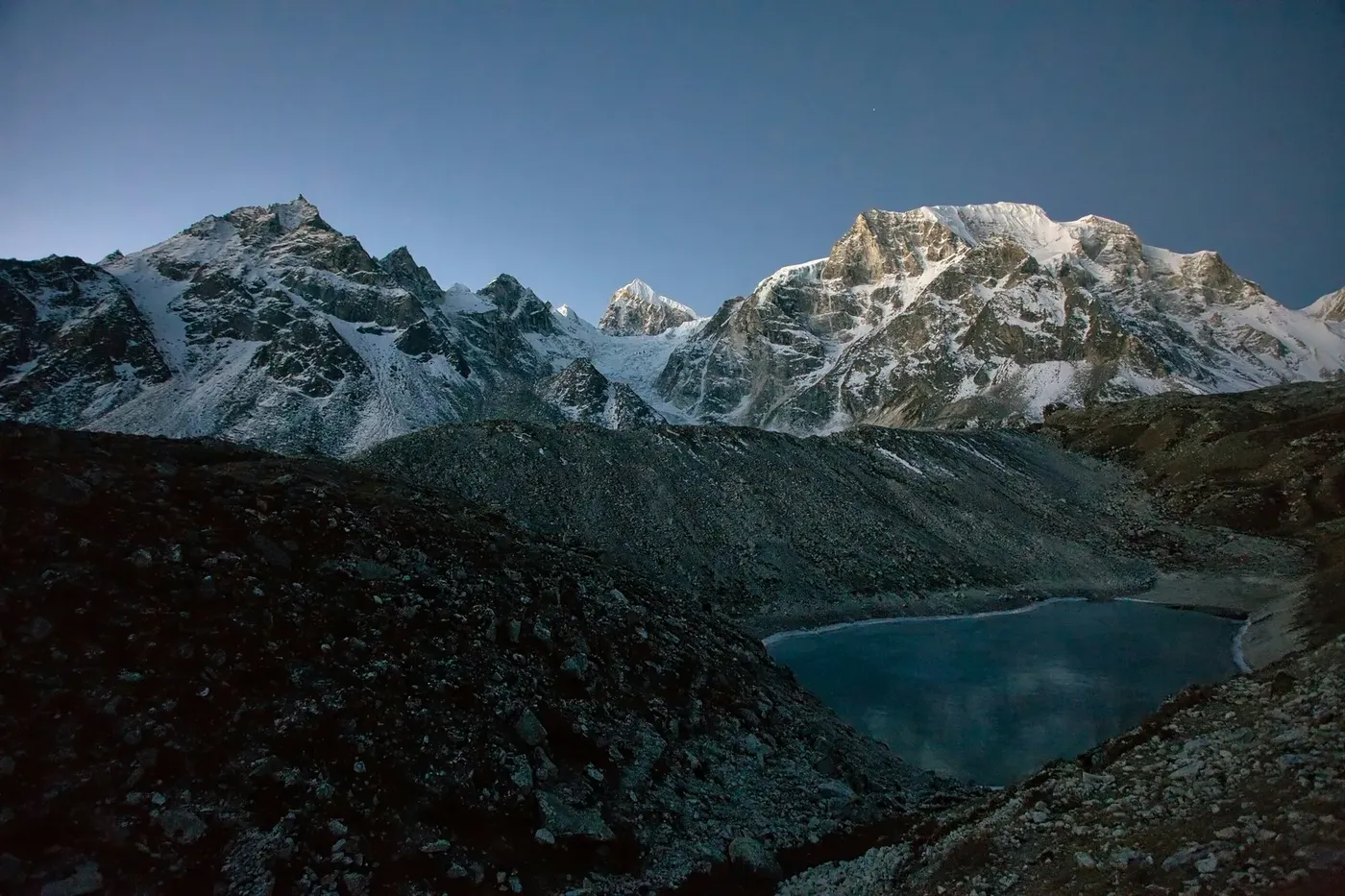
Rara Lake is the largest lake in Nepal, a roughly 10.8-square-kilometre sheet of water that sits at an altitude of about 2,990 metres in the far western corner of the country. It is the centrepiece of Rara National Park, Nepal's smallest national park, and it is often called the "Queen of Lakes" — a name that makes sense the moment you see it. The water shifts through shades of deep blue and turquoise depending on the light, ringed by pine, spruce and juniper forest and backed by the snow-covered peaks of the Karnali region.
- 3,710 mMuktinath temple
- $1,080Muktinath, per seat
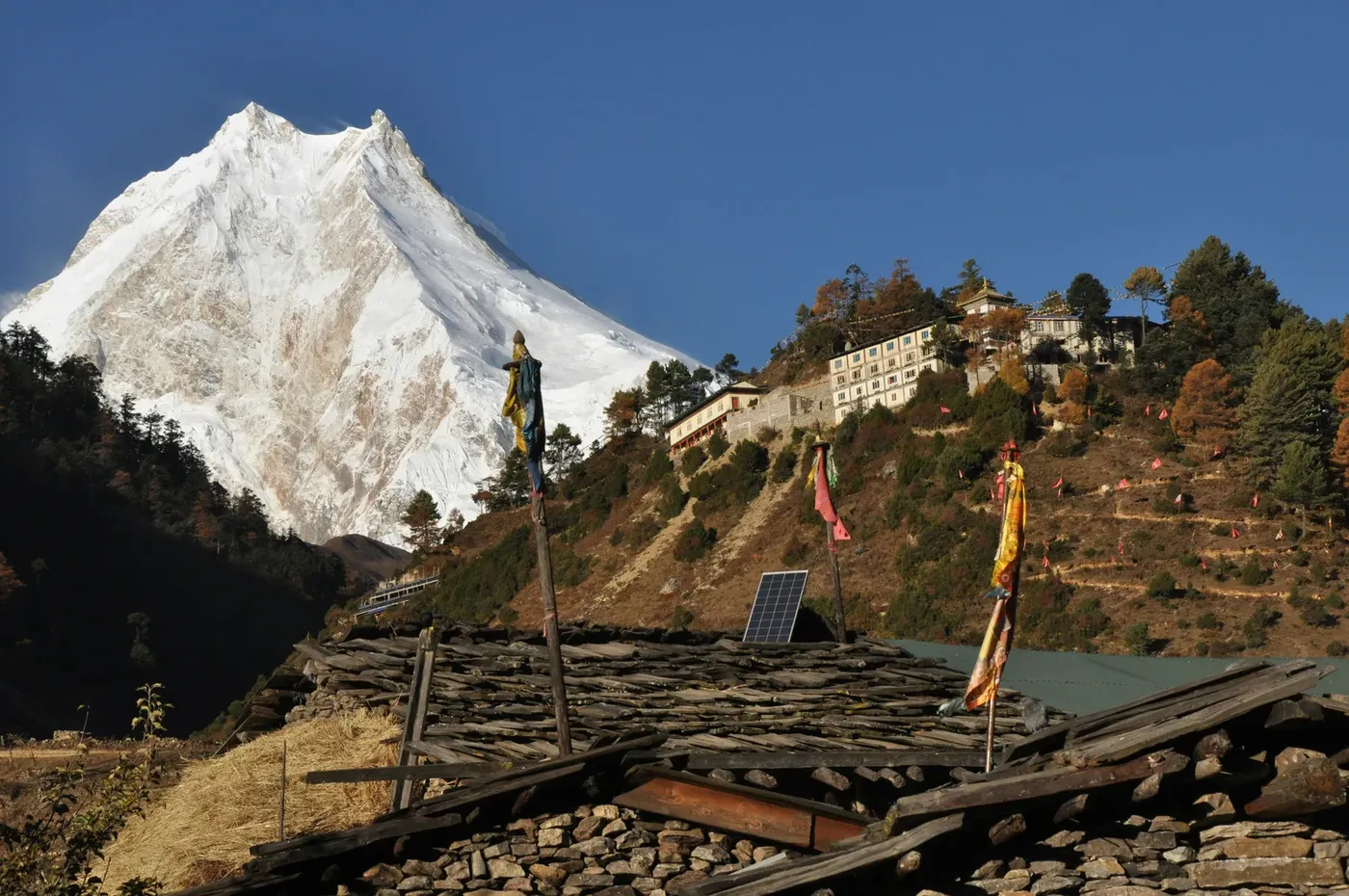
- 8,163 mManaslu, eighth-highest
- 1 dayTypical pilgrimage round trip
What makes Rara different from the lakes most visitors to Nepal encounter is its isolation. It is not on the way to anywhere. There is no teahouse circuit, no busy trailhead, and no road that drops you at the shore. Reaching it has always been the hard part, which is exactly why a Rara Lake helicopter tour has become the practical way to see it — and why the lake still feels as untouched as it did decades ago.
The lake sits in Mugu district, part of Karnali Province, a region that receives a fraction of the tourist traffic that flows through the Everest and Annapurna regions. For travellers who want to see a side of Nepal that most people never reach, Rara is the answer. And for those with limited time, flying is the only realistic way to get there and back without committing to a multi-day expedition.
Why Rara Is So Hard to Reach by Road or on Foot
The single biggest reason Rara remains uncrowded is geography. The lake is tucked into a high Himalayan valley in the far west, and the overland journey to reach it is genuinely demanding. There is no direct road to the lake itself. The nearest roadheads are a long, rough drive from Kathmandu or Nepalgunj, and from there the final approach is on foot or by a combination of local transport and trekking.
By road, the journey typically means flying or driving to Nepalgunj first, then continuing overland toward the Karnali region on roads that are slow, seasonal and frequently disrupted by landslides and monsoon washouts. The drive alone can consume two or more full days each way, and it is not a comfortable one. From the roadhead, trekkers then face several days of walking to reach the lake, carrying supplies and arranging food and shelter in a region with very little tourist infrastructure.
The trekking route to Rara is beautiful but it is not a casual walk. It involves multiple days of steady climbing, basic accommodation, and the logistical challenge of getting permits and supplies sorted in a remote district. For most travellers, the time and effort involved simply do not fit into a standard Nepal itinerary. This is the core reason the helicopter has become the sensible choice: it compresses a journey that would otherwise take the better part of a week into a single day, while still delivering the full visual impact of the lake and its surroundings.
There is also a practical safety angle. The far west sees fewer rescue and medical facilities than the busier trekking regions, and the roads are genuinely unreliable. A Rara Lake helicopter tour removes the uncertainty of the overland route entirely, letting you spend your energy on the experience rather than the logistics of getting there.
The Helicopter Route: Kathmandu or Nepalgunj
Most Rara Lake helicopter tours are flown in one of two ways, depending on where you start and how much time you have. The two common departure points are Kathmandu and Nepalgunj, and each shapes the day differently.
Flying from Kathmandu
A direct flight from Kathmandu to Rara is a long helicopter leg, and it is usually flown as a full-day charter. The route heads west across the mid-hills and the Karnali region, climbing over ridge after ridge before the lake finally appears below. The advantage of starting in Kathmandu is simplicity: you leave from the capital, see the lake, and return the same day without repositioning flights. The trade-off is flight time and, naturally, cost, since the helicopter is covering a much greater distance.
Flying from Nepalgunj
The more common and more economical approach is to fly commercially from Kathmandu to Nepalgunj, a lowland city in the western Terai, and then board the helicopter there. Nepalgunj is the gateway to the far west and sits far closer to Rara, which shortens the helicopter leg considerably. This is the standard way operators structure the trip, and it keeps the overall cost down while still giving you the full aerial experience over the lake and the surrounding national park.
Whichever route you take, the flight itself is part of the appeal. The approach to Rara involves flying over deep river valleys, terraced hillsides and, in the right season, a clear view of the western Himalayan range. The moment the lake comes into view — a vivid blue oval set against dark forest — is the moment most people remember long after the trip is over.
What You See on a Rara Lake Helicopter Tour
The lake is the star, but it is far from the only thing you will see. A Rara Lake helicopter tour is a layered experience, and the views change as the helicopter circles and descends.
The Lake Itself
From the air, Rara's colour is the first thing that strikes you. Depending on the season and the angle of the sun, the water reads as turquoise, deep blue or almost emerald. The lake is roughly oval, and its shoreline is clean and undeveloped — there are no hotels, no roads and no crowds, just forest running right down to the water's edge. In clear weather you can see the lake bed shallows near the shore, which is what gives the water its layered, shifting colour.
Pine Forests and the National Park
Rara National Park wraps the lake in a dense belt of conifer forest — blue pine, spruce, fir and juniper — along with rhododendron that blooms in spring. The park is home to a surprising amount of wildlife for its size, including Himalayan black bear, musk deer, red panda and a wide range of birdlife. From a helicopter you are unlikely to spot the shyer mammals, but the scale of the forest and the way it frames the lake is a sight in itself.
Snow Peaks and the Western Himalaya
On a clear day the horizon around Rara is lined with snow peaks. The lake sits in a high basin, and the surrounding ridgelines give way to the larger summits of the western Himalaya. The contrast between the blue water, the dark green forest and the white peaks is what makes the aerial view so striking, and it is a combination you simply cannot get from ground level.
Villages and the Karnali Landscape
The flight in and out also passes over the wider Karnali region — scattered hill villages, terraced fields and the deep gorges of the Karnali river system. It is a part of Nepal that looks and feels different from the better-known trekking regions, and the aerial perspective gives you a genuine sense of how remote and rugged the far west really is.
What a Rara Lake Helicopter Tour Costs
Helicopter tours in Nepal are priced on a charter basis, which means the cost depends on the aircraft, the route, the number of people sharing the flight and the season. We do not publish fixed figures here because prices move with fuel, demand and the specific itinerary — but the factors that shape the price are consistent, and understanding them will help you budget sensibly.
The biggest single factor is the route. A direct Kathmandu-to-Rara charter costs more than a Nepalgunj-based flight, because the helicopter is in the air for much longer. The second factor is the aircraft: larger helicopters that carry more passengers spread the cost across more people, while a smaller machine flown privately is more expensive per person. The third is whether you join a group or charter privately — a shared seat is always cheaper than a private cabin.
For a detailed breakdown of how helicopter pricing works across Nepal, including what is and is not included in a typical quote, see our guide to helicopter tour costs. If you are weighing a private charter against joining a group, our article on group joining versus private helicopter tours explains the trade-offs in plain terms. And because Rara is a longer, more remote flight than the Everest or Annapurna routes, it is worth reading our private charter cost guide to understand how distance and aircraft choice move the price.
The short version: Rara is not the cheapest helicopter destination in Nepal, because of the distance involved, but it is one of the most rewarding. The best way to get an accurate price is to tell us your dates, your group size and whether you want to fly from Kathmandu or Nepalgunj, and we will quote you a real number rather than a guess.
Best Time to Fly to Rara Lake
Timing matters more for Rara than for many other helicopter destinations, because the far west has its own weather patterns and the lake is at its most spectacular in specific seasons. The short answer is that the clearest, most reliable flying weather falls in the autumn and spring months, when the skies are stable and the mountain views are at their best.
Autumn, from late September through November, is generally considered the prime window. The monsoon has cleared, the air is crisp, and the visibility over the western Himalaya is excellent. Spring, from March through May, is the other strong season, with the added bonus of rhododendron in bloom around the park. Winter can be clear but cold, and the monsoon months of June to August bring cloud and rain that can ground flights and wash out the overland approaches.
For a full month-by-month breakdown of when to fly in Nepal, including how the seasons affect visibility, temperature and flight reliability, read our guide to the best time for a helicopter tour in Nepal. It is the single most useful thing to read before you lock in dates for a Rara flight.
How to Book a Rara Lake Helicopter Tour
Booking a Rara Lake helicopter tour is straightforward, but because it is a charter flight to a remote destination, a little preparation goes a long way. The process is the same as booking any helicopter tour in Nepal, and we have written a dedicated guide that walks through it step by step.
In brief, you will want to confirm your dates and group size first, decide whether you are flying from Kathmandu or Nepalgunj, and then get a firm quote. From there, a deposit secures the aircraft and the flight is confirmed subject to weather on the day. Because Rara involves a longer flight and, in most cases, a repositioning leg through Nepalgunj, it is worth booking a little further ahead than you might for a short Everest scenic flight.
For the full process — what to ask, what to confirm in writing, and how payment and weather contingencies work — see our guide on how to book a helicopter tour in Nepal. It covers everything from the first enquiry to the day of the flight.
Rara vs Gokyo vs Gosaikunda: Which Lake Should You Fly To?
Nepal has several famous high-altitude lakes, and if you are choosing a helicopter tour around a lake, it helps to know how they compare. Rara, Gokyo and Gosaikunda are the three most commonly discussed, and they are very different experiences.
| Feature | Rara Lake | Gokyo Lakes | Gosaikunda |
|---|---|---|---|
| Altitude | ~2,990 m | ~4,700–5,000 m | ~4,380 m |
| Region | Far west (Mugu, Karnali) | Everest region (Khumbu) | Langtang region |
| Character | Nepal's largest lake, forest-ringed, remote | Chain of glacial lakes below Cho Oyu | Sacred alpine lake, pilgrimage site |
| Access by road/trek | Very difficult, multi-day | Long trek via Namche | Moderate trek from Dhunche |
| Helicopter practicality | High — flying is the realistic option | High — avoids long trek | Moderate — trek is shorter |
| Best for | Solitude, untouched scenery, the far west | Glacial drama, Everest views | Culture, pilgrimage, Langtang peaks |
Rara is the choice if you want to see a part of Nepal that almost no one reaches, and you are happy to trade the Everest skyline for a lake that feels genuinely wild. Gokyo is the pick if you want glacial lakes framed by some of the highest mountains on earth, and it pairs naturally with the Everest region. Gosaikunda is the cultural option, a sacred lake with real pilgrimage significance and a shorter, more accessible trek if you ever wanted to return on foot.
If the Everest region is calling instead, our Everest scenic mountain flight is the classic way to see the world's highest peaks in a single morning, and it is a useful point of comparison for what a shorter, more established helicopter route looks like.
Background worth reading before you plan: Manaslu. We link it because it is the source, not because it sells anything.
Related reading in this cluster: Gosaikunda Helicopter Tour: Sacred Lake by Helicopter (2026), Janai Purnima 2026: Gosaikunda Helicopter Tour for the Sacred…, and Kathmandu Valley Tour 2026 — 5-Day UNESCO Heritage & Aerial….
Frequently Asked Questions
How long does a Rara Lake helicopter tour take?
It depends on the route. A Nepalgunj-based flight is typically a half-day to full-day commitment once you factor in the commercial flight to Nepalgunj and back. A direct Kathmandu charter is a full day. The time actually spent over and around the lake is usually around 30 to 45 minutes, with the rest of the day taken up by the transit legs.
Can I land at Rara Lake?
Landing options at Rara are limited and depend on permits, weather and the specific site. The lake is inside a national park, so any landing is subject to park regulations. Your operator will confirm what is possible for your specific flight when you book.
Is a Rara Lake helicopter tour safe?
Helicopter tours in Nepal are operated by licensed commercial operators using maintained aircraft and experienced mountain pilots. Weather is the main variable, and flights are only cleared when conditions are safe. For a full discussion of how safety and insurance work on these flights, read our guide to helicopter tour safety and insurance in Nepal.
What should I wear and bring?
Even in good weather, Rara is high and the air is cold, so dress in layers and bring a warm jacket, sunglasses and sun protection. For a complete packing list, see our article on what to wear on a Nepal helicopter tour.
Do I need a permit for Rara National Park?
Yes, Rara National Park requires an entry permit, and there may be additional requirements depending on your itinerary. Your operator will arrange the necessary permits as part of the booking, but it is worth confirming this in writing when you get your quote.
How far in advance should I book?
Because Rara is a longer, more remote flight that often involves a Nepalgunj repositioning, booking at least a few weeks ahead is sensible, and further ahead in the peak autumn season. This gives you the best chance of securing the aircraft and dates you want.
Can I combine Rara with other destinations?
Yes, in many cases a Rara flight can be combined with other western Nepal destinations or structured as part of a longer itinerary. The best approach is to tell us what you want to see and let us build a route around it.
See Nepal's Largest Lake for Yourself
Rara Lake is one of the most beautiful and least visited places in Nepal, and a helicopter is the only realistic way for most travellers to see it. If you would like a firm quote for a Rara Lake helicopter tour — from Kathmandu or Nepalgunj, shared or private — get in touch with our team and we will put together an itinerary and a real price for your dates. You can also browse our full range of flights and treks on our tours page to see how Rara fits alongside the Everest, Annapurna and Langtang experiences we run.