
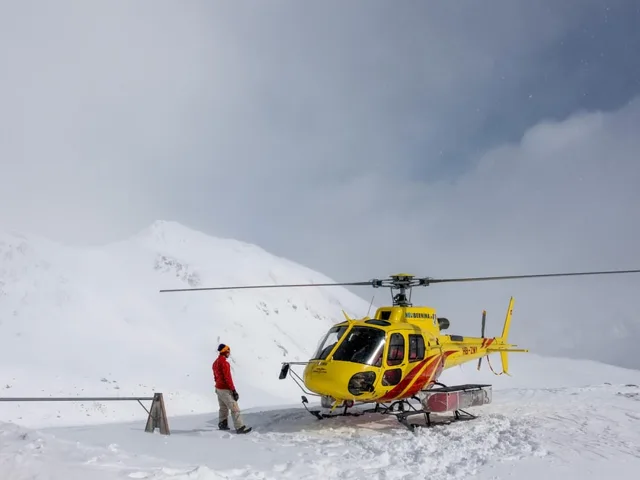
Short answer: A group joining helicopter flight in Nepal means you buy one seat on a departure the operator has already scheduled, rather than chartering the whole aircraft. On the Everest Base Camp day tour that seat costs from $1,260 per person, against roughly $4,500 for a private charter of the same helicopter. Group joining is the cheapest way to land at Everest; the trade-off is a fixed departure time and up to four other passengers on board.
- $260Cheapest seat, scenic flight
- $860Annapurna Base Camp
- $1,260Everest Base Camp day tour
- $4,500Private charter, whole aircraft
Shared Seat or Whole Aircraft? Which Should You Choose?
If you are planning a helicopter flight over the Himalayas, the first decision you will face is not where to fly but how to fly. Nepal's helicopter operators offer two fundamentally different ways to book the same aircraft: a group joining helicopter flight in Nepal seat, where you buy one place on a shared flight, or a private charter, where you reserve the entire helicopter for yourself. The two options differ in price, schedule, flexibility, and the overall experience — and the right choice depends almost entirely on your group size, budget, and how much control you want over the day. This guide breaks down exactly how each option works, what it costs in 2026, and how to decide between them.
How Group Joining Works
A group joining helicopter flight in Nepal means you buy a single seat on a departure that other travellers are already booked on, instead of paying for the whole aircraft. It is the cheapest way to fly to Everest, and it is how most solo travellers and couples get airborne.
Group joining is the entry point for most travelers. Instead of paying for a whole aircraft, you purchase a single seat on a flight that the operator has already scheduled and will fill with other passengers. The helicopter departs on a fixed date and time, follows a predetermined route, and you share the cabin with up to four other people you have likely never met.
The core appeal is price. Because the cost of the aircraft is divided across every seat, a group joining ticket is dramatically cheaper than chartering the same machine. On the Everest Base Camp helicopter day tour, for example, a shared seat starts from $1,260 per person — a fraction of what the full aircraft would cost if you flew alone. For solo travelers and couples, this is almost always the most economical way to reach the Khumbu by air.
There are trade-offs, however. The schedule belongs to the operator, not to you. Flights typically depart early in the morning, when mountain weather is most stable, and you must be at the helipad at the time you are told. If the operator consolidates passengers from different hotels or groups, your pickup window can shift. You also have no say over the route: the aircraft flies the standard itinerary, lands at the standard stops, and returns on the standard timeline. If you want to linger longer at a viewpoint or add an unscheduled landing, a shared seat will not accommodate that.
Group joining also depends on the flight actually filling. Operators need a minimum number of passengers to make a shared departure viable, so a seat is usually confirmed only once enough people have booked. In peak season (March–May and October–November) this is rarely a problem, but in the shoulder months a shared flight can be delayed or consolidated while the operator waits for the cabin to fill.
How a Private Charter Works
A private charter flips the entire equation. You reserve the whole helicopter — every seat, the full cabin, and the aircraft's time for the duration of your flight. There are no strangers on board, no fixed departure you must meet, and no route you are forced to follow. The aircraft, the pilot, and the schedule are yours for the day.
The defining feature of a charter is control. You choose the departure time (within weather and daylight limits), you choose the route, and you decide how long to spend at each landing. Want to add a breakfast stop at the Everest View Hotel? Want to circle a particular peak for photography? Want to fly a custom combination of Everest and the Gokyo lakes? A charter makes all of that possible. The private Everest helicopter charter is built around exactly this kind of bespoke itinerary.
Charters are priced per aircraft, not per seat. A private Everest charter runs roughly $4,500–5,500 for the whole helicopter, regardless of whether one person or five people are on board. This is the single most important fact to understand about charter pricing, because it changes the math completely for groups. A solo traveler paying $4,500–5,500 for a private flight is paying a premium for privacy and control. But a group of four or five splitting that same aircraft pays roughly $900–1,375 per person — which is actually comparable to, or cheaper than, a group joining seat on the same route. For families, friends traveling together, or photography teams, a charter is frequently the better value once you have four or more people.
Charters also remove the uncertainty of consolidation. Your flight is confirmed the moment you book, because the operator does not need to wait for other passengers. This makes private charters the preferred option for travelers on tight itineraries, for film crews who cannot risk a schedule slip, and for anyone who wants a guaranteed window rather than a "we'll confirm once the flight fills" promise.
Cost Comparison: Group Joining vs Private Charter
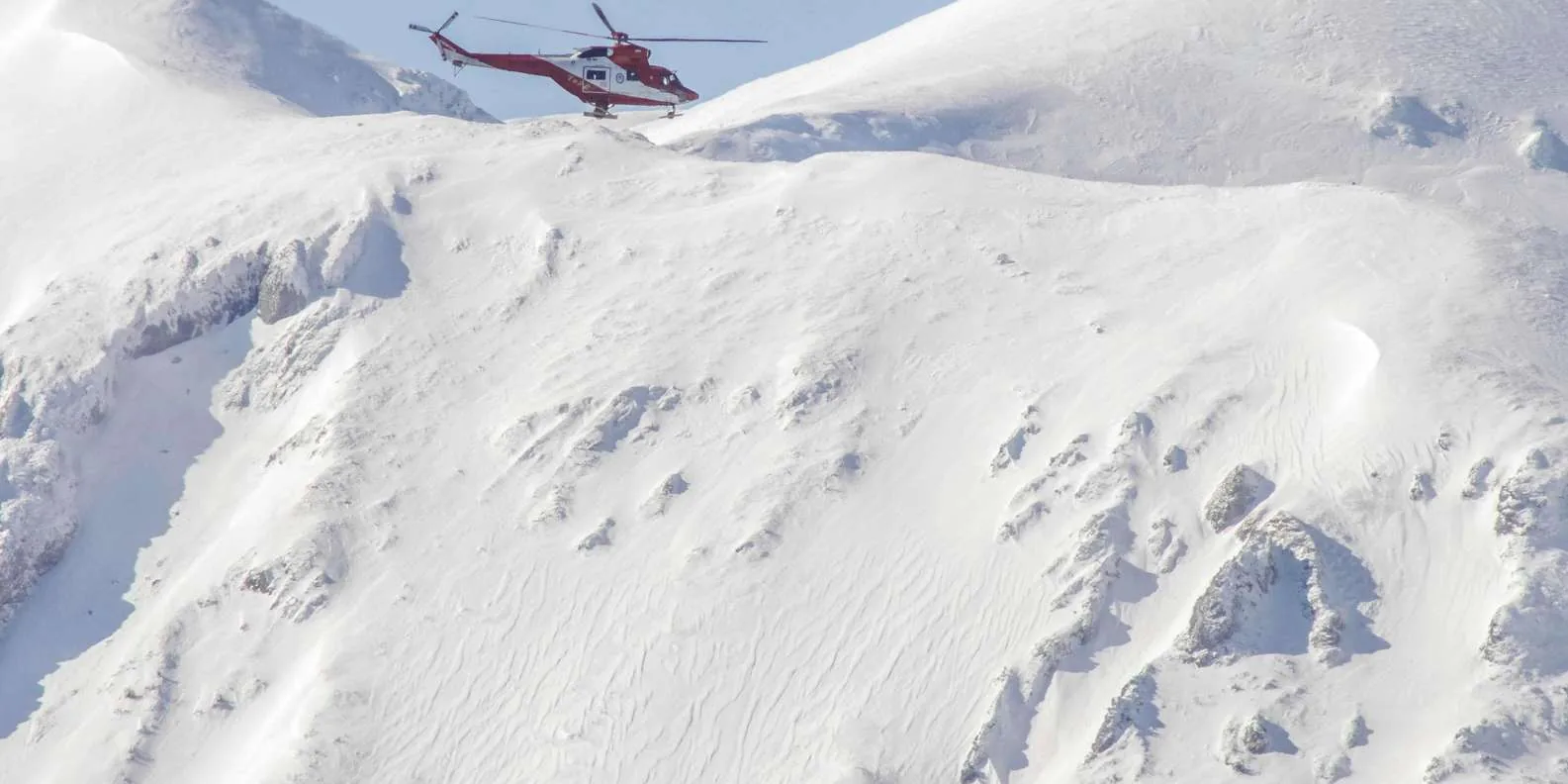
The table below compares the two booking models across the factors that matter most. Prices reflect 2026 rates for Everest-region flights and are indicative — exact figures vary by season, aircraft type, and route.
| Factor | Group Joining (Shared Seat) | Private Charter (Whole Aircraft) |
|---|---|---|
| Pricing model | Per seat | Per aircraft |
| Everest Base Camp day tour | From $1,260 per person | ~$4,500–5,500 total |
| Cost for 1 traveler | $1,260 | $4,500–5,500 |
| Cost for 2 travelers | $2,598 | $4,500–5,500 |
| Cost for 4–5 travelers | $5,196–$6,495 | $4,500–5,500 (≈ $900–1,375/person) |
| Who else is on board | Up to 4 strangers | Only your group |
| Departure time | Fixed by operator | You choose (weather permitting) |
| Route | Standard itinerary | Fully customizable |
| Confirmation | Once flight fills | Immediate on booking |
| Best for | Solo travelers, couples, budget focus | Groups of 4+, families, photographers, tight schedules |
The crossover point is the key takeaway. Below four people, group joining is almost always cheaper. At four or five people, the per-person cost of a charter drops into the same range as a shared seat — and you get a private aircraft, a custom route, and a schedule you control for essentially the same money. For a deeper look at how charter pricing breaks down, see our guide to the private Everest helicopter charter cost in 2026.
Flexibility and Control: The Real Difference
Price is the headline difference, but flexibility is where the two options diverge most in practice. A shared seat is a fixed product: you are buying a place on a specific flight, at a specific time, on a specific route. A charter is a service: you are buying the aircraft's time and the pilot's expertise, and you shape what happens within that window.
Schedule Control
On a group joining flight, the departure time is set by the operator and optimized for weather and aircraft rotation. You adapt to the schedule. On a charter, the schedule adapts to you. If you want a later start to catch softer morning light, or an earlier one to beat afternoon cloud build-up, you can request it. This matters more than most travelers expect, because Himalayan weather is famously changeable — the ability to shift a departure by an hour can be the difference between a clear flight and a cancelled one.
Route and Landing Control
Shared flights follow a standard route with fixed landings. A charter lets you add, remove, or reorder stops. You might combine the Everest Base Camp landing with a stop at Kala Patthar for the classic summit view, or extend the flight to include the Gokyo Valley. You can also choose a completely different destination — the same charter model applies to the Annapurna helicopter return trek or a Muktinath helicopter pilgrimage, each with its own route and landing profile.
Privacy and Comfort
A shared cabin means sharing the window seats, the legroom, and the experience with strangers. On a charter, every seat is yours to use — you can move between windows for photography, spread out your gear, and talk freely with your group. For honeymooners, families with young children, or anyone who simply wants the aircraft to themselves, this is a meaningful upgrade that has nothing to do with the route.
Weather and Rescheduling
Both options are subject to the same weather, but they respond to it differently. A shared flight that is grounded by cloud is typically rescheduled to the next available shared departure, which may be a day or more later. A charter can often be re-slotted more nimbly, because the operator is moving one aircraft for one client rather than coordinating a full cabin of passengers. If your trip has a hard deadline, that agility is worth paying for.
Which Should You Choose? A Decision Guide
There is no universally correct answer — only the answer that fits your group and your priorities. Use the guide below to narrow it down quickly.
Choose Group Joining If…
You are traveling solo or as a couple, and keeping the cost down is your main priority. A shared seat on the Everest Base Camp helicopter day tour from $1,260 per person is the most affordable way to see the Khumbu by air, and the standard route is genuinely excellent — you will still land at Everest Base Camp and stop at Kala Patthar for the classic view. Group joining is also the right call if you are flexible on dates, happy to meet other travelers, and comfortable with the operator setting the schedule. For a full breakdown of what a shared seat includes, read our guide to the Everest helicopter tour cost in 2026.
Choose a Private Charter If…
You are a group of four or more, in which case the per-person cost of a charter is comparable to a shared seat while the experience is far better. You should also charter if you have a specific route or timing in mind, if you are traveling with children or elderly family members who would benefit from a private cabin, if you are a photographer or filmmaker who needs control over stops and angles, or if your itinerary cannot absorb a schedule slip. The private Everest helicopter charter is designed for exactly these situations, and the charter cost guide will help you budget for it.
The Middle Ground
If you are two or three people and want more control than a shared seat offers but are not ready to pay for a full charter, ask the operator about semi-private or small-group options. Some operators will run a shared flight with a reduced cabin, or let a small group buy out the remaining seats on an otherwise shared departure at a discount. This is not always advertised, so it is worth asking directly when you inquire. You can also consider a shorter or less expensive route — a scenic mountain flight from $260 gives you the aerial Everest experience at a fraction of the cost of a landing tour, and can be a smart way to test whether a full charter is worth it for your group.
If you want the encyclopaedic detail, start at Everest (8,848.86 m). It is worth reading before you plan, though nothing in it changes what the flight itself can do.
Read these next: Helicopter Charter Cost in Nepal: The Full 2026 Price Table, Helicopter Charter in Nepal: The Complete 2026 Guide, and Helicopter Tour in Nepal 2026: Every Route, Price and Package.
Frequently Asked Questions
Is a private charter worth it for just two people?
Usually not on pure cost grounds. Two people on a shared Everest Base Camp day tour pay about $2,598 total, while a private charter runs $4,500–5,500 — nearly double. The charter only becomes the better value when you have four or more people, or when the flexibility and privacy are worth the premium to you personally. For couples who want a private cabin regardless of price, a charter is still a wonderful experience, but it is a luxury decision rather than a value decision.
How many people can a helicopter carry in Nepal?
Most helicopters used for Everest-region tours seat five passengers plus the pilot, though the exact capacity depends on the aircraft model and the altitude of the route. At high-altitude landings like Everest Base Camp, weight limits are strict, and operators may reduce the passenger count to stay within safe performance margins. This is one reason a group of four or five is the sweet spot for a charter — it fills the cabin efficiently without exceeding weight limits.
Can I join a group if I am traveling alone?
Yes, and this is the most common way solo travelers fly. You book a single seat on a scheduled shared departure, and the operator fills the remaining seats with other passengers. The main caveat is confirmation: a shared flight is usually confirmed only once enough seats are sold, so in quieter months your departure may be consolidated or shifted. Booking in peak season, or booking early, minimizes this risk.
What happens if the weather cancels my flight?
Both shared and chartered flights are grounded in unsafe weather, and both are rescheduled rather than lost. A shared seat is moved to the next available shared departure, which may be the following day. A charter is typically re-slotted more flexibly, since the operator is coordinating a single aircraft for a single client. In all cases, reputable operators — including government-licensed Kathmandu operators like Enticing Himalayas Travel — will work to get you airborne as soon as conditions allow, or refund you under the terms of your booking.
Which option gives the best value for a family of five?
A private charter. Five people on a shared Everest Base Camp day tour would pay roughly $6,495 in total, while a private charter for the same route costs $4,500–5,500 for the whole aircraft — meaning the charter is both cheaper overall and a far better experience, with a private cabin, a custom schedule, and no strangers on board. This is the clearest example of how per-aircraft pricing flips the value equation once your group reaches four or five people.
Book the Right Flight for Your Group
Whether you choose a shared seat or a private charter, the aircraft, the pilots, and the safety standards are the same — the difference is how much of the experience you control and how the cost is divided. Solo travelers and couples will almost always find group joining the smartest value, while groups of four or more should seriously consider a charter, which delivers a private, fully customizable flight for a comparable per-person price. Browse our full range of helicopter tours to compare routes and prices, or contact our team to discuss your group size, dates, and route preferences — we will help you choose the option that fits your budget and your itinerary.
Group Joining Prices in Nepal (2026)
These are our published per-seat prices for shared departures — the figures you actually pay when you join a group, not a "from" teaser. Where a route also runs as a private charter, the charter price is shown as a whole-aircraft rate so you can compare it directly with the per-seat column.
| Tour | Duration | Pricing | Price |
|---|---|---|---|
| Everest Scenic Mountain Flight from Kathmandu | 1 Hour | Per seat | $260 |
| Annapurna Base Camp Helicopter Day Tour | 1 Day (approx. 3–4 hours from Pokhara) | Per seat | $860 |
| Muktinath Helicopter Pilgrimage | 1 Day | Per seat | $1,080 |
| Annapurna Helicopter Return Trek | 6 Days | Per seat | $1,199 |
| Everest Base Camp Helicopter Tour | 1 Day (approx. 6 hours) | Per seat | $1,260 |
| Everest Base Camp Helicopter Trek | 10 Days | Per seat | $1,840 |
| Manaslu Helicopter Return Trek | 13 Days | Per seat | $2,160 |
| Private Everest Helicopter Charter | 1 Day (approx. 5–6 hours) | Per aircraft | $4,500 |
Every shared departure is capped by the aircraft: the Airbus H125 carries five passengers plus the pilot, so a group-joining seat is one of those five. That cap is why shared seats exist at all — the operator needs to fill the cabin, and you get Everest for roughly a fifth of the charter price.