

Short answer: An Everest sightseeing tour is sold in four formats in 2026 — a one-hour scenic mountain flight at $260 per window seat, a helicopter landing day tour at $1,260 per seat, a private charter at $4,500 per aircraft for up to five guests, and a trek-up-fly-back itinerary from $1,840 per person over ten days. Only the helicopter formats put you on the ground in the mountains. The $260 flight is a fixed-wing aircraft that climbs above 25,000 feet, shows you the range through cabin glass, and returns you to Kathmandu the same morning.
Most people who search for an Everest sightseeing tour have not yet decided what they are buying. Some want one hour in the air and a photograph of the summit cone. Some want to stand at 5,545 m before lunch. Some want the ten-day trail with a helicopter out at the end of it. The phrase "sightseeing tour" covers all of those, and the gap between the cheapest and the most expensive version is one of the widest in Nepali travel. This guide is written from the operator's side of the desk: the four formats, the 2026 prices we publish on our own tour pages, what each one actually shows you, and how to choose between them without paying for a version you did not want.
- $260One-hour scenic flight, per seat
- 5,545 mKala Patthar landing altitude
- $1,260Helicopter landing day tour, per seat
- 8,848.86 mEverest summit, the view you came for
Nothing in this article is an estimate. Every price is one we publish, every altitude is a surveyed figure, and where a number does not exist — a per-minute charter rate, for example — the sentence simply does not use one. That matters more than it sounds: the Everest sightseeing market is full of quotes that turn out to exclude the park permit, the hotel breakfast, or the window seat itself.
What an Everest Sightseeing Tour Actually Means in 2026
In Nepal the phrase splits cleanly into two families. Aerial-only sightseeing keeps you inside the aircraft from takeoff to touchdown. Landing sightseeing puts you on the ground at altitude for a short stop, usually between breakfast and the return leg. Everything else — the price, the duration, the fitness requirement, the paperwork — follows from which family you are in.
The aerial-only product is the mountain flight: a fixed-wing aircraft that leaves Kathmandu, tracks east along the Himalaya, and turns back after roughly an hour. It is the cheapest legitimate way to see the world's highest mountain, and it is the version most first-time visitors book. The landing products are helicopter tours, because no fixed-wing aircraft lands at that altitude in the Khumbu.
The geography is what makes the difference. Kathmandu sits in a bowl at 1,400 m. Everest stands at 8,848.86 m — a figure confirmed by the 2020 China–Nepal joint survey and recorded in the standard reference entry for Mount Everest. Between the two lie the middle hills, the Dudh Koshi gorge, and the Khumbu glacier. A sightseeing aircraft climbs above the weather and looks across that distance; a helicopter descends into it and lands.
The Four Formats, Side by Side
Here is the whole market on one page. Read across the "lands in the mountains" column first — it is the only row that changes what the tour is, rather than how much it costs.
| Format | Duration | Price | Lands in the mountains? | Best for |
|---|---|---|---|---|
| Scenic mountain flight (fixed-wing) | 1 hour | $260 per person, window seat | No | Budget travellers and short trips |
| Everest Base Camp helicopter day tour | 1 day, approx. 6 hours | $1,260 per person | Yes — Kala Patthar, 5,545 m | Seeing it and standing on it |
| Private Everest helicopter charter | 1 day, approx. 5–6 hours | $4,500 per aircraft, up to 5 guests | Yes — Everest View Hotel, 3,880 m | Groups, families, schedule control |
| Everest Base Camp helicopter trek | 10 days | $1,840 per person | Yes — max 5,545 m | Travellers who want the walk as well |
Four products, one mountain. The cheapest seat is $260 and the most expensive per-person format is $1,840 over ten days — a difference of about seven times, not seventeen — and the decisive jump, from $260 to $1,260, buys exactly one thing: ground beneath your boots at altitude. Everything else about the view, the peaks on the horizon and the hour of the morning is broadly the same.
Format One: The One-Hour Scenic Flight at $260
The mountain flight is the product that made Everest sightseeing famous. You are on board for about an hour, in a pressurised cabin, with a window seat — that last detail is the whole product. The published 2026 package runs at $260 per person for a guaranteed window seat, and the airline fares behind it sit close together: Buddha Air at $235, Shree Airlines at $230, and Yeti Airlines ranging from about $200 to $300 depending on season and configuration. Nepali citizens pay NPR 13,776 on the Buddha Air service; Indian and SAARC passengers pay INR 8,610.
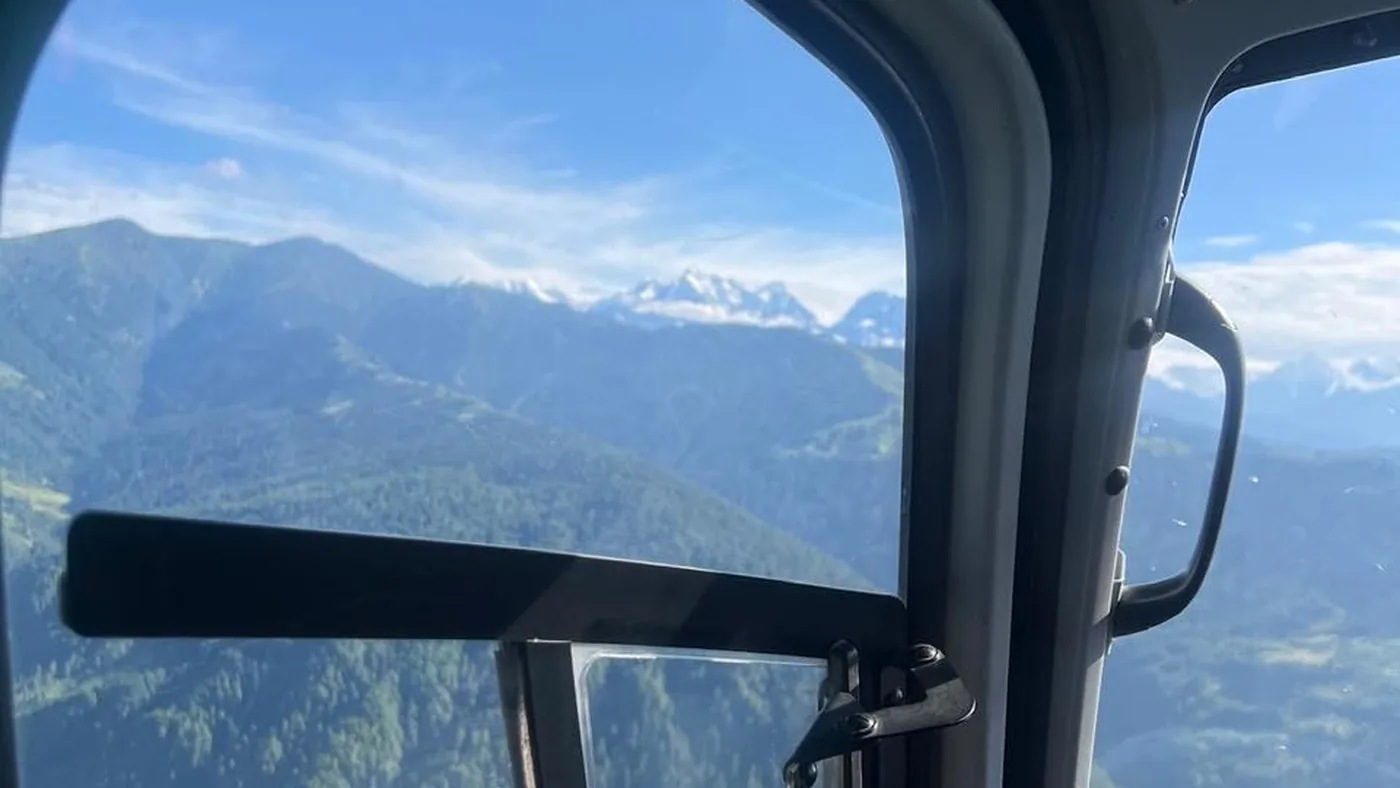
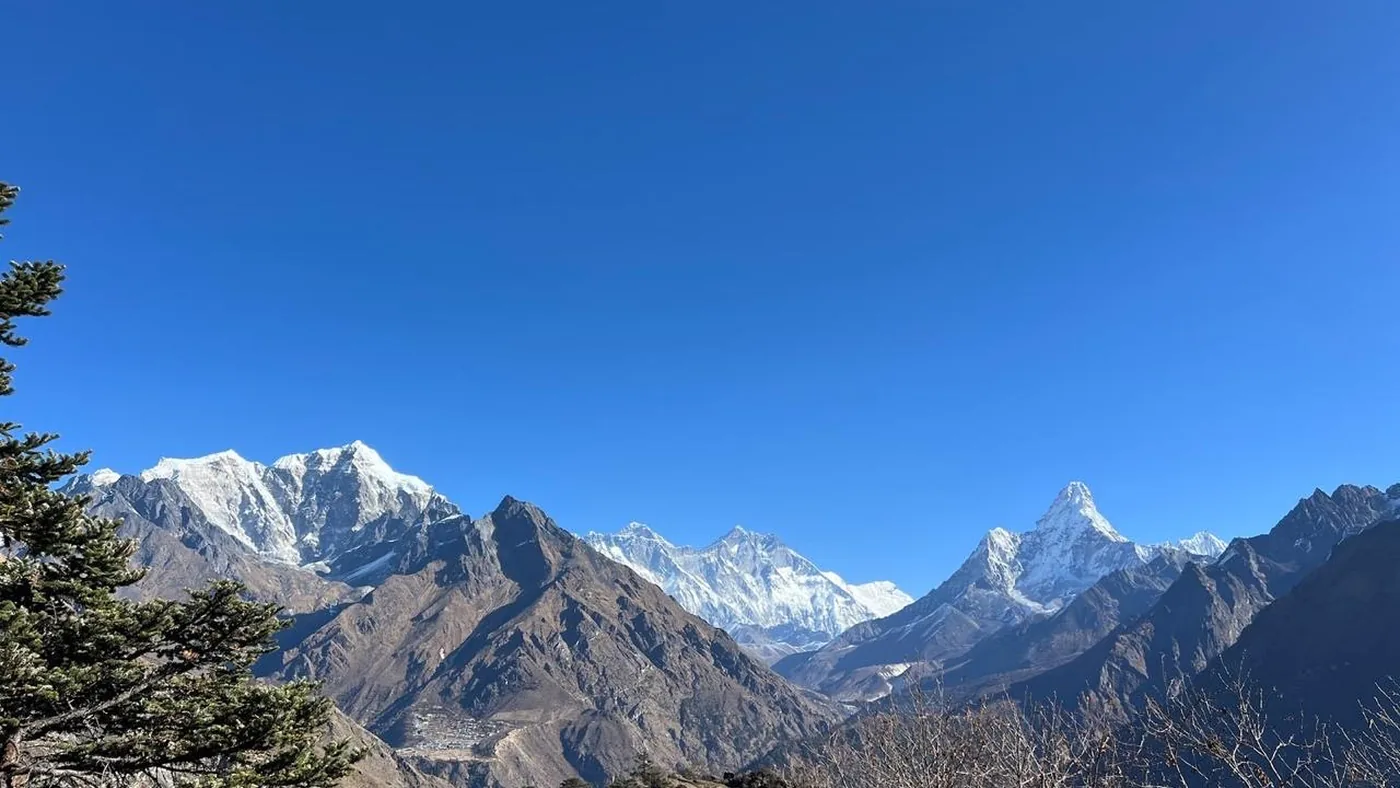
The aircraft climbs above 25,000 feet to clear the weather and the terrain, which is why the flight is scheduled for first light: the mountain wind builds through the day, and the calm window is early. You will see the Langtang range, then Gauri Shankar, then the Everest group — Everest, Lhotse, Makalu, Cho Oyu — laid out along the northern horizon. On the return leg the aircraft turns, which brings the range into view from the opposite windows.
What the $260 buys, precisely: one hour of flight, a window seat, and a view of the highest mountain on Earth from the air. What it does not buy: a landing, a walk, a photograph with your feet on rock, or any time at altitude on the ground. If your Nepal itinerary is short and your budget is tight, this is the correct purchase. If the point of the trip was to stand there, it is the wrong one, and no upgrade at the airport will fix it. The full fare and airline comparison lives in our Everest mountain flight cost guide.
Format Two: The Landing Day Tour at $1,260
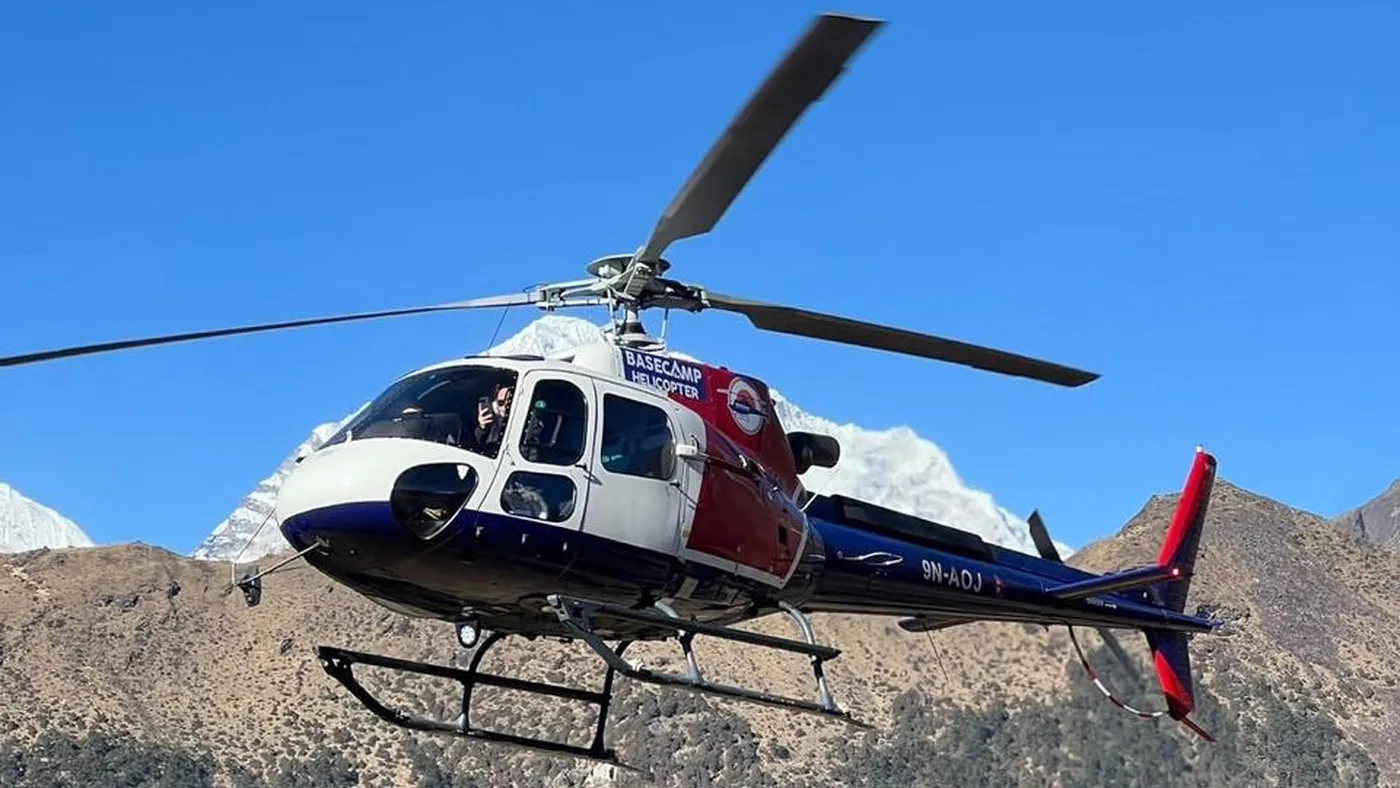
The helicopter day tour is the version most people mean when they say they want an Everest sightseeing tour and they want to remember it. You leave Kathmandu before dawn, fly northeast in an Airbus H125, and land on the Kala Patthar ridge at 5,545 m — the trekkers' viewpoint above Everest Base Camp, and the highest point most visitors will ever stand on. The published price is $1,260 per person on a shared flight, and the day runs about six hours door to door.
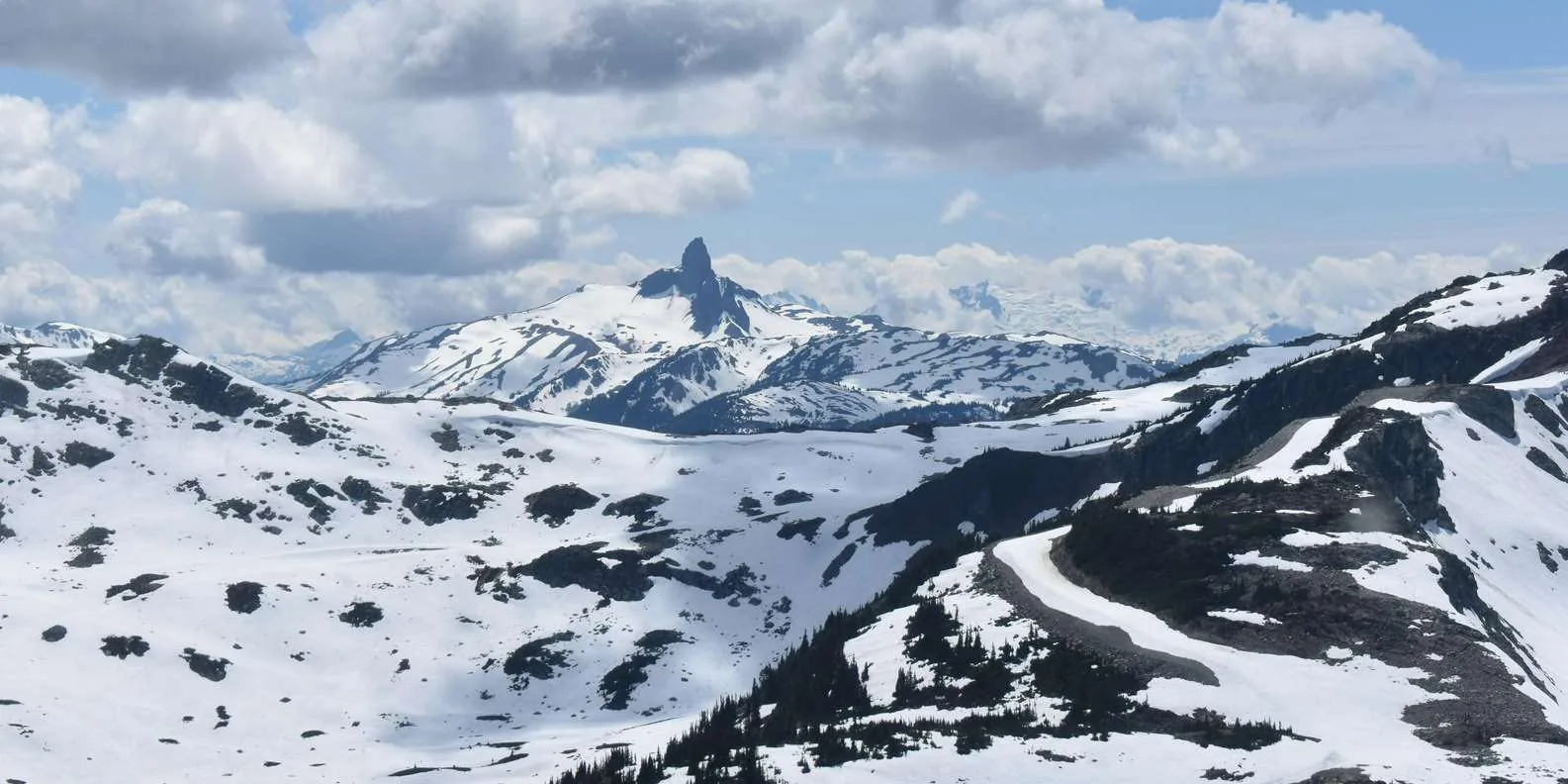
Base Camp sits at 5,364 m on the Khumbu glacier. It is a working camp, not a viewpoint: from the moraine you look up at the icefall and the west shoulder, and Everest's summit is screened by Nuptse. Kala Patthar was chosen by the trekking routes for exactly that reason, and the helicopter follows the trekkers' logic rather than the map's.
The day usually includes a stop at the Everest View Hotel at 3,880 m for breakfast, which is the only part of the itinerary with a view and a table in the same place. Our published inclusions are the Sagarmatha National Park entry permit at NPR 7,000 per person, the flight, the landing, and the hotel stop; the breakfast itself is about NPR 4,600 per person, paid at the hotel. Full inclusions and the booking steps are on the Everest Base Camp helicopter day tour page.
Two physical notes that decide whether this format suits you. The landing is short — long enough to walk a few dozen metres and take photographs, not long enough to acclimatise — and you are back at 1,400 m the same day, so no altitude schedule is required. And the aircraft is small: five passengers plus the pilot is the working configuration, which is why shared seats sell out first in October, November, March and April.
Format Three: The Private Charter at $4,500 per Aircraft
A charter is the same mountain, the same landing, and a different commercial arrangement: you buy the aircraft rather than a seat. Our published rate is $4,500 per aircraft for up to five guests, over a day of about five to six hours, with the Everest View Hotel at 3,880 m as the signature stop. If you fill all five seats that is $900 per person — cheaper than two shared seats would be if you were travelling as a pair and wanted the cabin to yourself.
What a charter actually changes is control. The departure time is yours within the safe morning window. The stops are yours: a longer ground stop at Kala Patthar, a second landing higher up the valley, or a detour over the Khumbu icefall for photographs. There is no seat-sharing, no stranger in the window seat, and no compromise about when you come back. For a family with children, a proposal, a birthday, or a group of four or five friends, the arithmetic and the experience both favour the charter.
What it does not change is the weather. A charter buys priority and privacy, not a guarantee of clear skies, and the pilot's decision to fly or hold is the same decision on a private aircraft as on a shared one. Our private Everest helicopter charter page carries the full itinerary and the aircraft specification.
Format Four: Trek Up, Fly Back at $1,840
The fourth format is for travellers who want the mountain to be earned. You walk the classic Khumbu trail over ten days, reaching a maximum of 5,545 m, and fly out by helicopter instead of retracing the trail to Lukla. The published price is $1,840 per person on a shared flight, and it is the only format where the sightseeing is the reward at the end of something rather than the whole of the day.
The trek needs two permits — the Sagarmatha National Park entry permit and the Pasang Lhamu Rural Municipality permit — both of which we handle for you. It also needs the thing no sightseeing flight needs: time, and a body that tolerates altitude. Ten days of walking is not a sightseeing product, and it should not be sold as one.
Where the trek-and-fly format wins is the return. Coming down the valley on foot takes two or three days you may not have, and the helicopter leg removes them without removing the walk. Where it loses is spontaneity: you cannot decide on a Tuesday to be at Kala Patthar on Wednesday.
The Altitudes Behind the Views
Sightseeing descriptions blur together until you put numbers beside the names. These are the surveyed heights of the points that appear on the standard routes.
| Point on the route | Altitude | Where it appears |
|---|---|---|
| Everest summit | 8,848.86 m | The horizon on every format |
| Kala Patthar | 5,545 m | Landing point on the day tour and the trek |
| Everest Base Camp | 5,364 m | Seen from Kala Patthar and from the air |
| Gokyo Lakes | 4,790 m | The second valley of the upper Khumbu |
| Everest View Hotel | 3,880 m | Breakfast stop on the day tour and charter |
| Lukla | 2,845 m | The gateway airstrip, passed on every route |
| Tribhuvan International Airport, Kathmandu | 1,400 m | Departure and return |
The 5,545 m landing is the number to think hardest about, because it is the highest ground most sightseeing passengers ever touch. It is 181 m above Base Camp and roughly 1,665 m above the Everest View Hotel — which is why the hotel breakfast feels easy and the ridge feels like a different planet. Cold, wind, and thin air are all part of the ten minutes you spend there, and the pilot will keep them short deliberately.
How the Sightseeing Day Runs
The order of events is fixed by the weather, not by preference. The first light wave is the calmest, so everything is built backwards from it.
Pickup from your hotel in Kathmandu happens well before sunrise. At the domestic helipad you are weighed with your baggage, because the aircraft's load sheet is calculated, not estimated — this is the step that decides whether a full five-seat aircraft can carry full luggage. Passports are checked against the manifest, which is also what the park permit is issued against. Then the aircraft lifts off from 1,400 m and turns northeast.
The transit to the Khumbu passes above the middle hills, the terraced fields, and the Dudh Koshi valley; Lukla at 2,845 m appears below as a strip of tarmac on a shelf. Beyond that the valley narrows and the aircraft climbs. The landing at Kala Patthar is short and the takeoff is quicker. The Everest View Hotel stop at 3,880 m is the last pause before the return, and the return leg is where most passengers finally stop taking photographs and simply look.
Door to door, the helicopter day tour is about six hours; the charter is about five to six. The scenic flight is one hour in the air plus the transfer to the airport, which is why it can be fitted into a departure day and the helicopter versions cannot.
Sightseeing Only or Landing: The One Difference That Decides It
If you take one idea from this page, take this: the choice is not between a cheap Everest sightseeing tour and an expensive one. It is between seeing the mountain and standing under it. The $260 flight shows you Everest from above 25,000 feet and never lands. The $1,260 day tour lands you at 5,545 m for a short stop and returns you to Kathmandu the same morning.
Everything else is detail. The view from the air is arguably better composed — the whole massif in one frame, Lhotse and Makalu on either side. The view from the ground is the one people frame on a wall. A traveller with three days in Nepal and a tight budget should fly the mountain flight and spend the saved money on the rest of the trip. A traveller who came for Everest should take the landing tour, because a photograph through glass is not the same experience as wind at 5,545 m.
Our comparison of the two modes, including motion sickness, photography and timing, is in helicopter tour vs plane flight in Nepal. It goes deeper than this page on the technical differences.
Beyond Everest: Other Sightseeing Formats Worth Comparing
Everest is not the only mountain you can sightsee by air, and the other regions are cheaper per hour because the distances are shorter. If your trip is based in Pokhara, the Annapurna options are better value than flying back to Kathmandu for Everest.
| Sightseeing option | Duration | Price | Highest point |
|---|---|---|---|
| Annapurna Base Camp helicopter day tour from Pokhara | 1 day, approx. 3–4 hours | $860 per person | Landing 4,130 m |
| Muktinath helicopter pilgrimage | 1 day | $1,080 per person | 3,710 m |
| Annapurna helicopter return trek | 6 days | $1,199 per person | Max 4,130 m |
| Manaslu helicopter return trek | 13 days | $2,160 per person | Max 5,160 m |
| Everest Base Camp helicopter trek | 10 days | $1,840 per person | Max 5,545 m |
The pattern is simple: Everest costs more because it is farther, higher and more weather-exposed. A Pokhara-based traveller who wants a landing at altitude can have one at 4,130 m for $860 without crossing the country. Muktinath at 3,710 m is the pilgrimage version, and it is the one option on this list where the destination matters as much as the flight. Details are on the Annapurna Base Camp day tour and Muktinath helicopter pilgrimage pages.
What Is Included and What Is Not
Price comparisons in this market fail because operators quote different scopes. Ours are published with the same inclusions across the fleet: the flight, the landing, the pilot, the ground handling at both ends, and the park permit where the route enters Sagarmatha National Park. On the Everest day tour that permit is NPR 7,000 per person.
Not included, on any of the four formats: international flights, Kathmandu accommodation, travel insurance with helicopter-evacuation cover, meals other than the ones named, the Everest View Hotel breakfast bill of about NPR 4,600 per person, and gratuities. None of those are hidden costs — they are simply not aviation costs, and quoting them inside a flight price would make the price meaningless.
One line item deserves its own sentence: insurance. A sightseeing flight is a flight, and the Khumbu is a region where a weather hold can strand an itinerary for a day. Cover that includes helicopter evacuation is not optional for the trekking formats, and it is sensible for the landing formats. Our helicopter safety and insurance guide explains what the policies actually cover.
Booking: What We Need From You
Four things, in this order. A passport copy for every passenger, because the manifest and the park permit are issued against it. Body weights, declared honestly, because the load sheet is calculated and an undeclared 15 kg changes who flies. A date and a backup date, because the morning window is weather-dependent. And a deposit to hold the seats, with the balance settled before departure.
The date and the backup date are the part travellers underestimate. In October, November, March and April the shared seats on the Everest day tour are the first thing to sell out, and a single weather cancellation can push a party into the next morning. If your Nepal itinerary has a hard departure date, book the sightseeing tour early in the trip rather than on the last day. Our twelve-point booking checklist is the version to work through before you pay anyone, including us.
Weather, Season and the Cancellation Question
Every format is a morning product, and the reason is the same in all four: the mountain wind builds through the day. A sightseeing flight that would be comfortable at first light can be marginal by mid-morning, and the pilot's decision is made on the ramp, not in the office.
Two seasons dominate. October and November bring the clearest air of the year after the monsoon washes the sky, and March to April brings warmer temperatures with more afternoon cloud. The monsoon months are poor for sightseeing at any price, and mid-winter flights are cold but often exceptionally clear.
When a flight is cancelled for weather, the options are a rebooking onto the next available morning or a refund under the policy attached to your booking — which is exactly why the backup date matters more than the discount. The detail, including how holds are decided and what the hotel stop looks like when the valley is clouded in, is in our weather and cancellation guide.
Who Each Format Suits
The scenic flight suits the traveller with one spare morning, a budget under $300, and no ambition to walk. It also suits anyone who has already trekked in Nepal and wants the aerial version as a comparison.
The landing day tour suits the traveller who came to Nepal for Everest and has a full day to give it: the highest ratio of experience to time of any product on this page. The private charter suits groups of four or five, families with children, and anyone for whom the schedule is the constraint rather than the price. The trek-and-fly format suits walkers who want the trail but not the descent.
What does not exist is a format that is both the cheapest and the one that puts you on the ground. The market is honest about that, even when the marketing is not.
Five Mistakes First-Time Bookers Make
- Buying a non-window seat to save money. On the $260 flight the window is the product; a cheaper aisle seat is a different purchase, not a discount.
- Assuming "Everest tour" means a landing. Most listings do not say whether the aircraft touches down. Ask, in writing.
- Booking the sightseeing day last. Weather holds are normal, and a tour on your final morning has no room for one.
- Forgetting the permit and breakfast exclusions. NPR 7,000 for the park permit and about NPR 4,600 for the hotel breakfast are real line items on the day tour.
- Under-declaring weight on the manifest. The load sheet is a safety document. An extra 15 kg can ground a seat you have paid for.
Frequently Asked Questions
How much does an Everest sightseeing tour cost?
It depends on the format. The one-hour scenic mountain flight is $260 per person on a window seat. The helicopter landing day tour to Kala Patthar is $1,260 per person. The private charter is $4,500 per aircraft for up to five guests, and the ten-day trek-and-fly itinerary is $1,840 per person.
Is an Everest sightseeing tour a helicopter flight?
Not always. The $260 mountain flight is a fixed-wing aircraft, not a helicopter. The landing products — the $1,260 day tour and the $4,500 charter — are helicopter flights in an Airbus H125. The word "sightseeing" describes the purpose, not the aircraft.
Do you land at Everest Base Camp on the sightseeing tour?
No. Base Camp at 5,364 m is a working camp on the glacier and it is not a landing site. The helicopter day tour lands on the Kala Patthar ridge at 5,545 m instead, which is higher and gives a clear view of the summit. The scenic mountain flight does not land anywhere.
How long does the whole sightseeing day take?
The scenic flight is one hour in the air, plus the airport transfer. The helicopter day tour runs about six hours door to door from your Kathmandu hotel, and the private charter about five to six hours, depending on how long you stop at each landing.
Do I need to be fit to join a landing tour?
No trekking fitness is required. You walk a short distance at Kala Patthar and return to Kathmandu the same day, so there is no acclimatisation schedule. The limitation is medical rather than athletic — heart, lung and blood-pressure conditions should be discussed with your doctor before booking.
Which side of the aircraft has the best view?
On the fixed-wing mountain flight the range appears along the northern horizon and the aircraft turns on the return leg, so both sides get a pass. On the helicopter day tour the routing into the Khumbu puts the peaks ahead and to the left on the way in. In both cases a window seat is the only seat worth paying for.
Is altitude sickness a risk at 5,545 m?
For a short landing, the risk is low because you do not sleep at altitude and you descend the same day. You will notice the cold and the thin air immediately, which is why the ground stop is kept brief. Anyone with a heart or lung condition should get medical advice first.
What happens if the weather cancels my flight?
The flight is rebooked onto the next available morning or refunded under the policy attached to your booking. This is why we ask for a backup date at the time of booking, and why the sightseeing day should sit early in your itinerary rather than on the last morning.
Can children join an Everest sightseeing tour?
Children can join the scenic flight and, with a parent, the charter. The landing formats involve a short stop at 5,545 m where the cold and the thin air are the limiting factors rather than the walking. Tell us the ages at the time of booking so the aircraft and the stops can be planned around them.
Do I need a trekking permit for the sightseeing flight?
Not for the scenic mountain flight or a same-day helicopter landing, where the operator handles what the route requires. The Sagarmatha National Park entry permit at NPR 7,000 per person applies to itineraries inside the park, including the trek-and-fly format, and the trekking formats also need the Pasang Lhamu Rural Municipality permit.
How far in advance should I book?
Earlier than you think in October, November, March and April, when shared seats on the Everest day tour sell out first. A private charter is easier to secure at short notice because the aircraft is yours rather than a seat in a shared load.
Can I combine the sightseeing tour with a trek?
Yes — that is the trek-and-fly format, ten days of walking with a helicopter out at the end, from $1,840 per person. It is the only option that includes both the trail and the aerial view, and it needs the time and the permits that the day tours do not.
Choosing Your Version
If you have one morning and $260, book the scenic flight and see Everest from above 25,000 feet. If you have a day and want to stand at 5,545 m, book the landing day tour at $1,260. If you are four or five people, or the schedule is not negotiable, the $4,500 charter is better value than it looks once it is divided across the cabin. And if the walk is the point, take the ten days and fly out.
Start with the Everest scenic mountain flight if the budget is the constraint, or with the planning guide for a helicopter tour in Nepal if you are still deciding between regions, seasons and formats. Both pages carry the same published prices as this one, and neither will quote you a number that changes at the counter.