
Short answer: The Everest mountain flight tour is the most family-friendly way to see the summit, because it is a one-hour fixed-wing flight that lifts off from Kathmandu at 1,400 m and never lands anywhere in the mountains — nobody in your group is exposed to altitude. The published 2026 window-seat package costs $260 per person, and every passenger gets a window. Children, teenagers and grandparents can all fly it. If your family wants to stand on the ground beneath the summit instead, that is the Everest Base Camp helicopter day tour at $1,260 per seat, which lands at 5,545 m — a different product, for a different group of people.
- $260Window-seat package, per person
- 1 hrWheels to wheels, Kathmandu to Kathmandu
- 8,848.86 mEverest, seen from the cabin window
- 1,400 mKathmandu airport elevation, where the flight begins
Most people who book an Everest mountain flight tour are not alpinists. They are a couple on a short Nepal trip, a solo traveller with one free morning, or — and this is the group nobody writes for — a family travelling three generations together, where one member is seven years old and another is seventy-four. Those two passengers cannot walk to Base Camp. They cannot realistically sit in a helicopter at 5,545 m either. But they can sit in an airline seat for an hour and look out of a window at the highest mountain on earth, and that is exactly what the mountain flight sells.
This guide is written for that group. It covers why the fixed-wing flight is the only Everest product that works for a mixed-ability family, how the morning actually runs from the hotel door to the hotel door, what children notice and what bores them, what grandparents need to know about boarding stairs and cabin pressure, how the per-seat maths work out for four or five people travelling together, and where the flight stops being the right answer. The fares and altitudes here are the published 2026 figures we use on our own tour pages, and Everest stands at 8,848.86 m — a number you can check against the Mount Everest entry on Wikipedia. Where a number is not something we can stand behind, the sentence is written without one. Nothing here is estimated.
Why the Fixed-Wing Flight Is the Family Option
The single most important fact about the mountain flight, and the one that decides whether it suits your family, is that it does not land. It takes off, flies the length of the Himalayan crest, turns, and comes back to the same airport. There is no ground stop in the mountains, no snow slope, no oxygen question and no altitude exposure at all. The cabin is pressurised and the whole experience happens between 1,400 m and the aircraft ceiling, which is what makes it possible for a child, a pregnant traveller, an asthmatic grandparent and a nervous flyer to do the same trip on the same morning.
Compare that with the helicopter product. The Everest Base Camp helicopter day tour is a wonderful thing, but it puts you on the ground at 5,545 m at Kala Patthar and at the Everest View Hotel at 3,880 m. That is a genuine high-altitude experience compressed into a few hours, which is precisely why it is not the right first taste of the Himalaya for a small child or for an older traveller whose blood pressure or heart condition is being managed. The helicopter is the right answer for fit teenagers and for adults who specifically want the ground under their boots. The fixed-wing flight is the right answer for everyone else in the family, and often for the whole family when the group is mixed.
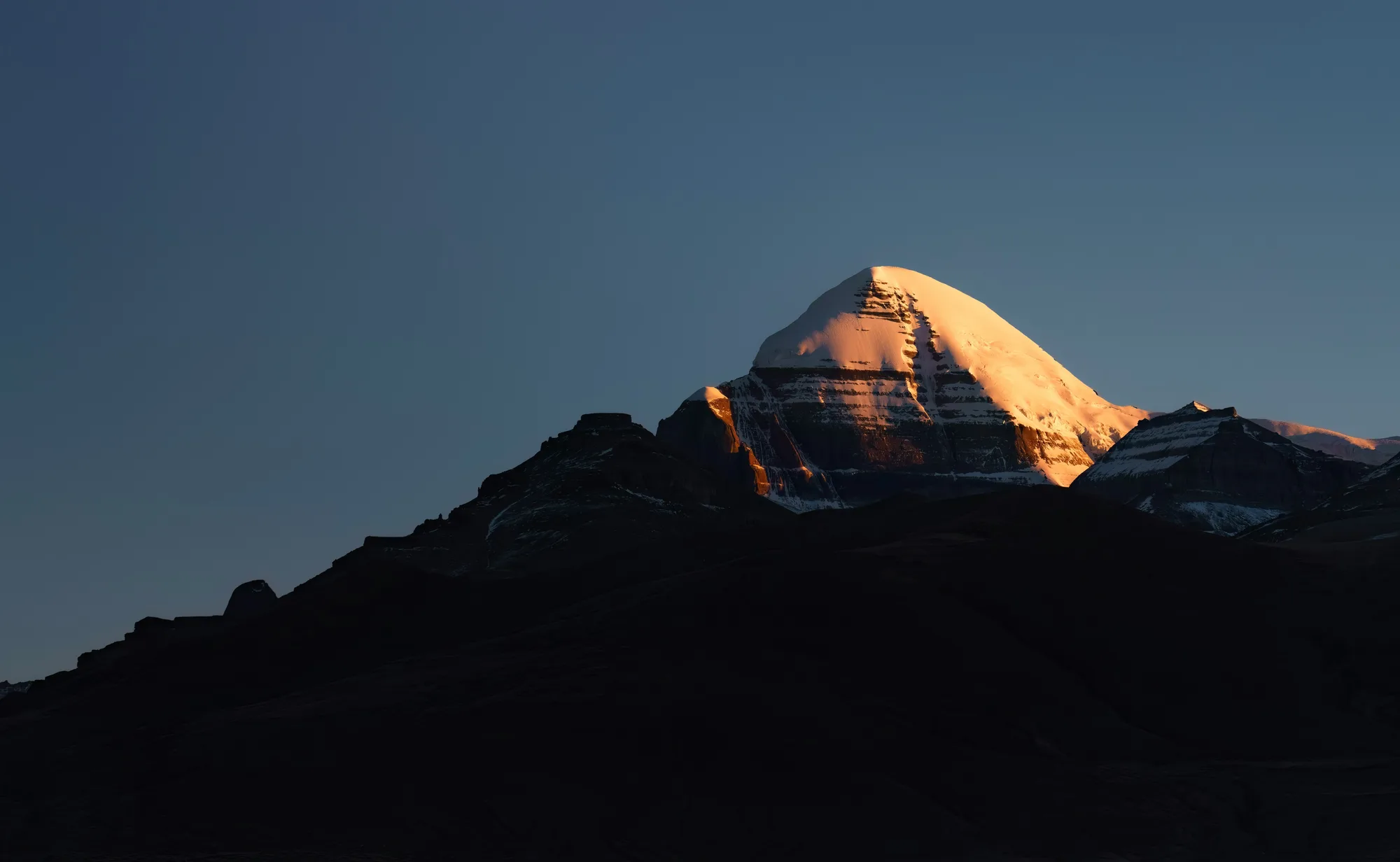
There is a second family advantage that rarely gets mentioned: the flight is a scheduled airline service, not a charter. You check in at a counter, walk to a gate and board a normal aircraft with cabin crew. For a child, that is a real aeroplane ride and it feels like one. For a grandparent, it is a familiar process — seat, seatbelt, cabin crew, landing — rather than an unfamiliar machine on a grass pad. Familiarity lowers anxiety more than any amount of pre-trip briefing.
The Three Everest Flights, Judged as a Family Purchase
Three products get sold as an Everest flight, and the differences between them matter far more to a family than the price difference does. The table below is the whole decision in one place. Read the third column first: it tells you whether anyone in your group has to be at altitude.
| Product | 2026 price basis | Ground time at altitude | Best for |
|---|---|---|---|
| Everest scenic mountain flight Fixed-wing, scheduled, about 1 hour wheels to wheels | $260 per person, window seat, per the published package | None. The aircraft never lands in the mountains. | Children, grandparents, anyone on a short Nepal trip, mixed-ability families. |
| Everest Base Camp helicopter day tour Approx. 6 hours door to door | $1,260 per person, shared flight | Kala Patthar at 5,545 m and the Everest View Hotel at 3,880 m | Fit teenagers, adults who want to stand on the ground under the summit. |
| Private Everest helicopter charter Approx. 5 to 6 hours, your routing | $4,500 per aircraft, up to 5 guests | The same stops, on your schedule rather than a shared one | Families of four or five who want the machine to themselves. |
The price column is not the interesting one. The interesting one is the ground-time column, because it is the only column that decides whether a seven-year-old or a seventy-four-year-old can come. A family of five that books the shared helicopter day tour is spending $6,300 and putting every member on the ground at 5,545 m. The same five people on the mountain flight spend $1,300 and none of them leaves the cabin. Those are not two versions of the same trip at different prices. They are two different trips.
If you want the product-by-product detail behind those three rows — the aircraft you actually fly in, how high it cruises and the route peak by peak — that is set out in our guide to the aircraft, the altitude and the route. What follows here stays on the family question: who flies, who waits, and what the morning asks of everybody.
The Morning, Step by Step, for a Family Group
The mountain flight is a dawn product. It exists in the first hours of daylight because that is when the valley is still clear and the high peaks are still sharp; by late morning the haze has usually closed the view down. Every practical decision a family makes should follow from that single fact, because a dawn departure with children is a different logistical exercise from a dawn departure with adults only.
Before you go to bed. Pack one small bag for the whole group rather than one per person. The bag holds passports, the booking confirmation, a layer each, water, and a snack for the child who will be hungry the moment the flight lands. Nothing else is needed on board. Cameras with charged batteries go in hand luggage, not in a checked bag, because there are no checked bags on this flight. Ask at the hotel the evening before what time breakfast can be ready, and if it cannot be ready before you leave, ask for something portable. A hungry child on a dawn transfer is the single most common way this morning goes wrong.
Layers, not coats. Kathmandu at dawn is cool and the cabin is comfortable, but the aircraft is small, the doors are open while you board, and the walk across the apron is outdoors. One warm layer per person that can be taken off and stuffed into the group bag is the right answer. Shoes should be easy to slip off if security asks, which matters much more with a child than with an adult.
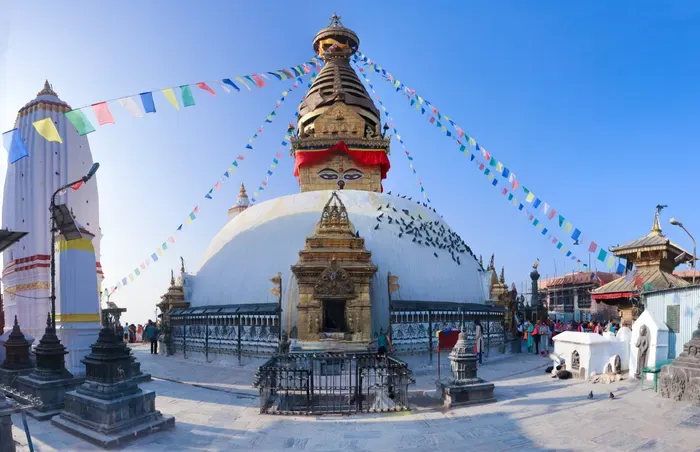
At the domestic terminal. This is the part of the morning that families underestimate. Kathmandu domestic departures are busy, the terminal is small, and the airline counters open early. Keep the group together, keep the documents in one hand, and expect the check-in to take longer with five people than with one. The airline will want each passenger weighed with their hand luggage — that is normal for a small aircraft and it is not a comment on anybody. Tell an older traveller that in advance; it removes the one moment on this trip where someone can feel singled out.
Boarding. Small aircraft board by airstairs, and the aisle is narrow. If a grandparent uses a walking stick, say so at the counter rather than at the aircraft door; the ground staff will then board that passenger first and give them time. Children board with the group as normal. Seats are allocated by the airline, and because one side of the cabin is blocked, every passenger has a window. That is the part of this product that makes it work for a family: nobody has to negotiate for the good seat, and nobody spends the flight looking at the back of somebody else’s head.
In the air. The flight runs along the crest and returns, and it lasts about an hour from wheels to wheels. The captain will usually point out the peaks in turn, and the cabin crew will come through to tell passengers when Everest is coming up. Take that announcement seriously: the summit is visible for a short window, and the passengers who miss it are almost always the ones who were looking at a phone. Put the phone away for those minutes, and put a child at the window with nothing in the way.
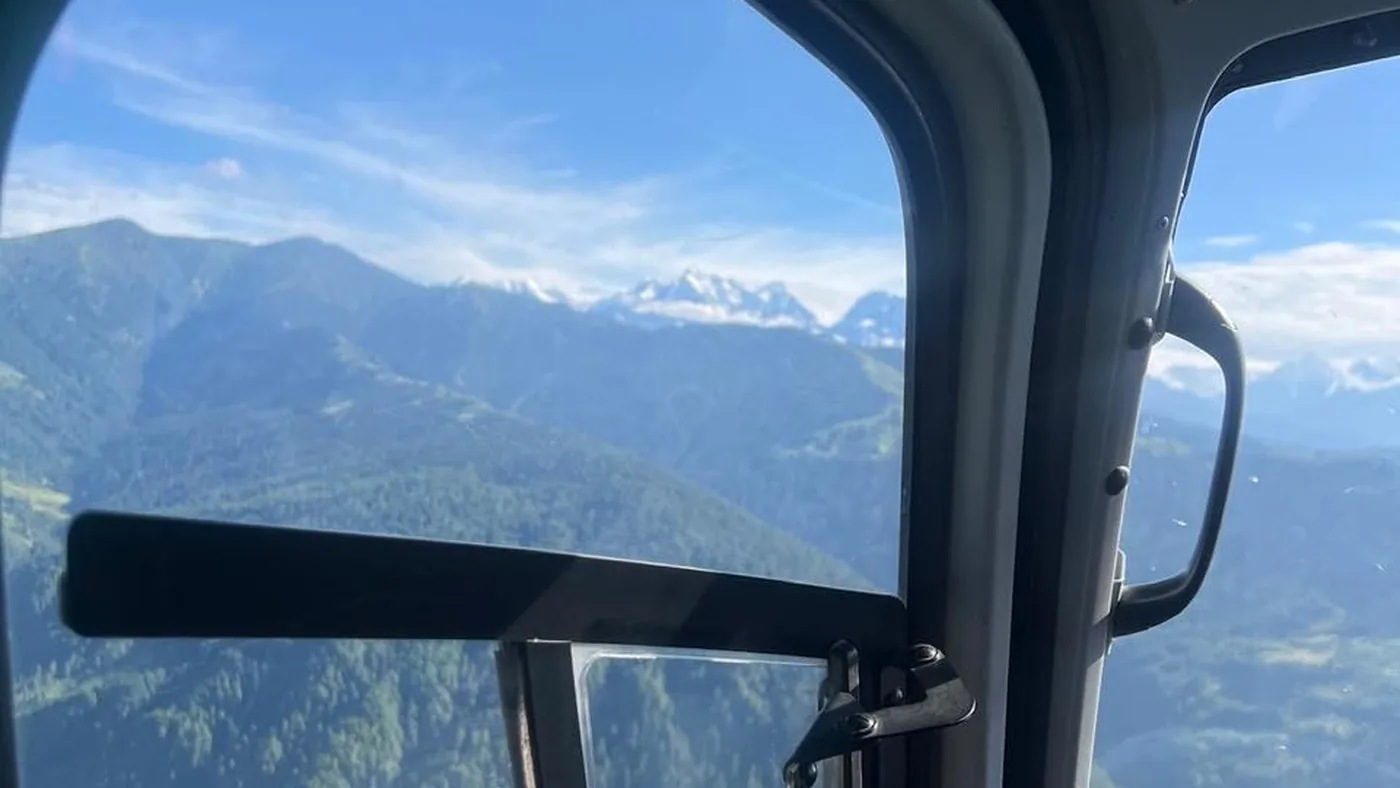
After landing. You are back in Kathmandu with the rest of the day intact. That is worth planning for rather than wasting: a family that flies at dawn can still have lunch, an afternoon at a stupa and an early dinner. The flight takes a morning, not a day, which is why it fits so well into a short family itinerary that has other things in it.
Children on the Flight: What Holds Their Attention
Children are better company on this flight than most parents expect. The reason is simple: there is something to look at the entire time, and it changes. A child who is bored by a museum is not bored by a mountain that is 8,848.86 m high passing beneath the wing. What children tend to remember afterwards, in roughly this order, is the take-off, the snow, the fact that the peaks are above the aircraft rather than below it, and the certificate they are handed at the end. What they do not remember is the fare, which is a good argument for spending the money on the flight rather than on a bigger hotel room.
There is a preparation trick that works far better than a briefing: show them the mountain before the flight, at ground level. Kathmandu has viewpoints on the valley rim where the Himalaya is visible on a clear morning, and a child who has seen the range from a distance recognises it from the air. Our guide to seeing Everest from Kathmandu, viewpoints against the flight covers those places honestly, including the ones where the summit is not actually visible. An hour spent there the day before converts the flight from an abstract promise into a thing the child is hunting for through the window.
On the practical side, three things matter more than anything else. Seat the youngest passenger against the glass, because a child in a middle or aisle seat on a full cabin will see very little. Bring water, because the cabin air is dry and children notice thirst before adults do. And keep the flight itself short in conversation — one hour is one hour, and if a child is told to expect a whole day of flying they will be disappointed by a trip that is genuinely short.
Ear pressure on descent is the one discomfort worth planning for. Swallowing, yawning and drinking water all help, and a child who has been told to expect a strange feeling in the ears copes far better than one who has not. If a child has a heavy cold on the morning of the flight, say so to the cabin crew, and speak to a doctor before flying if there is any doubt at all. This article is a travel guide, not medical advice.
Grandparents and Older Travellers
The mountain flight is the Everest product that older travellers ask about most, and for good reason: it delivers the view without asking the body to climb to it. There is no walking beyond the terminal and the apron, no altitude to acclimatise to, and no ground stop where the air is thin. A traveller in their seventies or eighties who can manage a flight of stairs and a short walk to an aircraft can do this trip, and many do.
The honest caveats are about the small aircraft, not the mountain. Boarding is by airstairs, the cabin is compact, the aisle is narrow and the washroom provision is limited — on a one-hour flight that last point is usually irrelevant, but it is worth knowing before you board rather than halfway through. Passengers with limited mobility should tell the airline at check-in so that boarding can be sequenced. Passengers with a heart or lung condition, or anyone travelling with oxygen, should get medical clearance before booking rather than after; a pressurised cabin at cruise is not the same environment as the valley floor, and only a doctor who knows the passenger can say whether that is fine.
What older travellers consistently say afterwards is that the flight was easier than the photographs suggest. The mountain looks close and enormous, but it is outside the window, not under the feet. There is no cold, no wind, no uneven ground and no descent to manage. For a grandparent travelling with grandchildren, that combination — the summit, a comfortable seat, and a shared hour that everyone in the group experiences equally — is hard to match anywhere else in Nepal.
| Passenger in the group | Mountain flight | Helicopter day tour, landing 5,545 m | What to plan for |
|---|---|---|---|
| Young child | Yes — no landing, no altitude exposure | Not recommended as a first high-altitude experience | Window seat, water, and a calm talk about ears on descent |
| Teenager | Yes | Yes, if fit and well | Camera and a charged battery; the summit window is short |
| Adult in normal health | Yes | Yes | Decide whether standing under the summit matters more than the fare |
| Grandparent, mobile | Yes | Depends entirely on medical advice | Request early boarding at the counter; expect airstairs |
| Limited mobility | Usually yes, with notice to the airline | Discuss with the operator before booking | Say so at check-in, not at the aircraft door |
That table is the conversation to have before anyone pays a deposit. In a three-generation group the answer is often that the grandparents and the children fly the fixed-wing flight while one fit adult takes the helicopter, and everybody meets for lunch. It costs less than putting the whole family in the helicopter, and nobody spends the morning doing something they were dreading.
What the Flight Costs for a Family, in Real Numbers
Family budgeting is where the difference between the products becomes obvious, so here is the arithmetic stated plainly rather than implied. The window-seat package on the mountain flight is $260 per person. Published airline fares on the same route start lower — the base airline fare on our airline pages begins at $230 — but the $260 package is the one that includes the extras most families actually want, and it is the number to budget against. Multiply it by the number of seats and you have the cost of the morning.
| Group size | Scenic mountain flight $260 per person | Helicopter day tour $1,260 per person | Private charter $4,500 per aircraft |
|---|---|---|---|
| 2 guests | $520 | $2,520 | $4,500 |
| 4 guests | $1,040 | $5,040 | $4,500 |
| 5 guests | $1,300 | $6,300 | $4,500 |
Two things fall out of that table, and both are useful. The first is that the fixed-wing flight is not a compromise purchase for a family — it is roughly a quarter of the helicopter price per person, and the money saved will pay for several days of the rest of the trip. The second is that the private charter only becomes sensible at four or five guests: at five passengers the charter costs $4,500 for the whole aircraft, while five helicopter day-tour seats cost $6,300 and share the machine with strangers. If the family is set on landing under the summit and there are four or five of you, the charter is the better buy, and it is also the only version where the aircraft waits for you rather than the other way round. The comparison is worked through in our private Everest charter cost guide.
What the $260 mountain flight fare does not include is worth stating too. It is a seat on a scheduled flight, so there is no guide at the summit to point things out beyond the crew announcements, no ground time, and no flexibility on the routing. If it is cancelled for weather, the remedy is a rebooking on the next clear morning or a refund under the airline policy, not a private aircraft on standby. Families should build a spare morning into the itinerary for exactly that reason; the flight is the one part of a Nepal trip that the weather genuinely controls.
Seating a Family Group So Everyone Sees the Summit
Because the airline blocks one side of the cabin, every passenger on the mountain flight has a window. That solves the biggest family problem before boarding, but it does not solve the second one, which is who sits with whom. A useful way to think about it is to pair each passenger who needs help with one who does not, and to keep the group contiguous so that nobody has to be passed over a stranger to reach a water bottle.
| Who is flying | Best seat outcome | Why it matters |
|---|---|---|
| Child under ten | Window, with a parent in the adjacent seat | Height and reach: the window is high, and a small passenger needs help to see down and out |
| Grandparent | Window, near the front of the cabin | Shorter walk down the aisle, and the same view as everyone else |
| Photographer in the family | Window, and let them sit apart | Nobody blocks a lens; the summit window is only minutes long |
| Nervous flyer | Window, not the aisle | The horizon steadies more than a view of the cabin does |
| Whole group | Ask at the counter for adjacent seats | Allocation is done by the airline; asking early is the only lever you have |
Ask for the row allocation at check-in rather than assuming it. Airlines flying this route are used to families, and a request made at the counter is usually accommodated when the cabin is not full. It is also worth telling the cabin crew, once on board, which of your passengers is the child and which is the grandparent — they will then point the summit out to the right people rather than to the cabin in general.
Weather, Cancellations and the Spare Morning
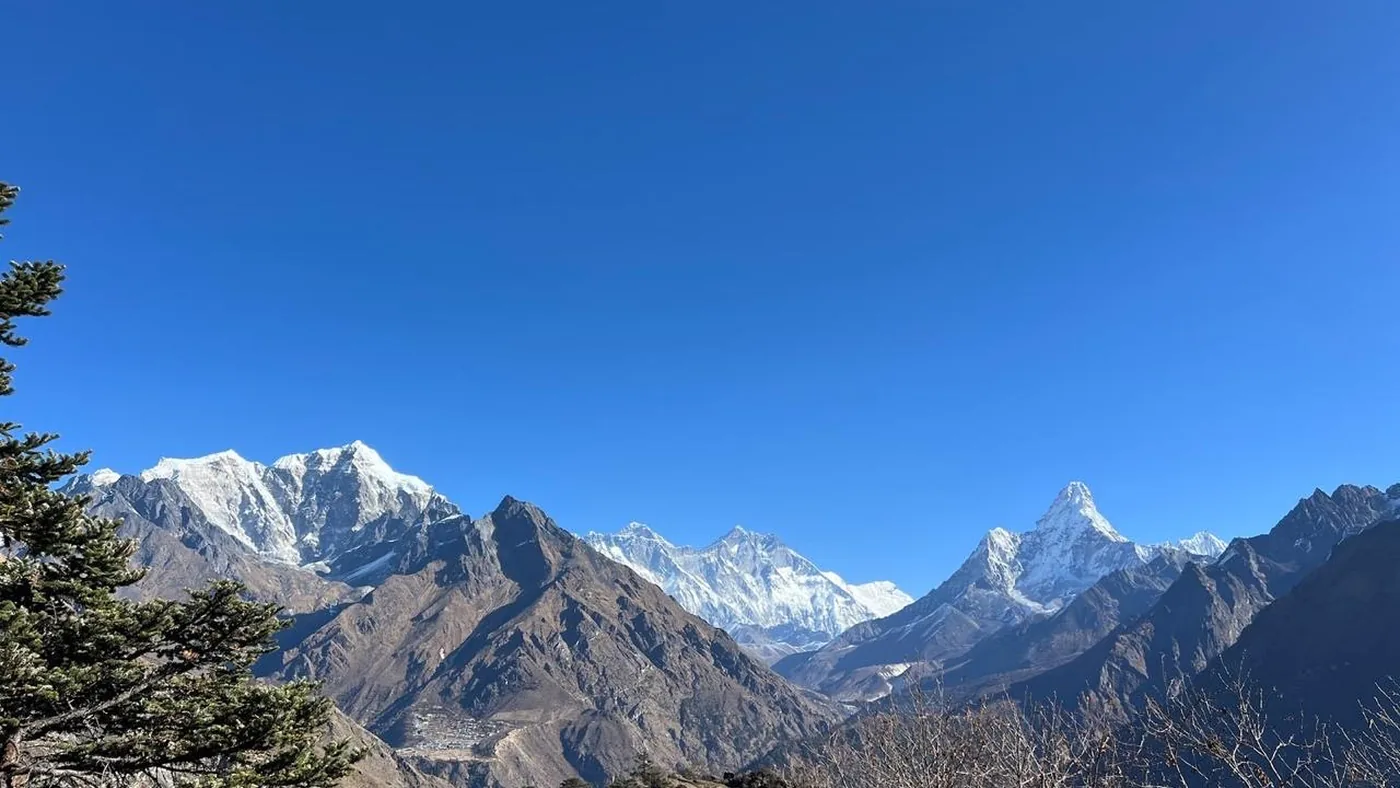
The mountain flight is a visual product, so the weather is not a detail — it is the product. The aircraft flies only when the crew can see the range, and the difference between a clear morning and a hazy one is the difference between the trip of a lifetime and a cabin full of people being polite about cloud. That is why every departure is scheduled at first light: the valley is clearest before the day has had time to build haze, and the high peaks are sharpest before the wind gets up.
For families, the practical rule is to book the flight for the first clear morning of the trip rather than the last, and to keep the following morning free. If the first attempt is cancelled, you have a second chance and a third without dismantling the rest of the itinerary. If you book it on your final morning and the weather closes in, the family goes home without the summit and the airline refund is a poor consolation. The mechanics of rebooking and refunds on weather cancellations are set out in our cancellation and weather policy guide, and the season-by-season picture is in the best time to fly in Nepal — the clear-sky logic applies to fixed-wing departures just as it does to helicopters.
Two seasons deserve a family-specific note. The autumn months after the monsoon are the classic window: the air is washed clean, the peaks are sharp and the mornings are reliable. The spring months before the monsoon are also strong, with the trade-off that haze can build earlier in the day. The monsoon itself is the wrong season for this flight, and deep winter brings morning fog in the Kathmandu valley that can close the airport at exactly the hour the flight needs. None of that is a reason to avoid Nepal; it is a reason to hold one morning in reserve and to be flexible about which morning it is.
What to Bring On Board, and What to Leave at the Hotel
The cabin baggage allowance on a small aircraft is genuinely small, and with a family of five it is easy to arrive at the counter with more than the group needs. The honest packing list for this flight is short: passports, the booking confirmation, one warm layer each, water, a snack for the youngest, and a camera or phone with a full battery. Everything else stays at the hotel, and the hotel will almost always hold luggage while you fly.
Leave the trekking kit behind if you are not trekking. The mountain flight does not need boots, poles, down jackets or a daypack, and a family that turns up dressed for Base Camp will spend an hour in an aircraft in clothes designed for a snow slope. Comfortable shoes, a fleece and a light windproof layer are the right answer for everybody from the child to the grandparent. For the camera settings, the tricks for shooting through the cabin glass and the question of which side of the aircraft the peaks appear on, our window-seat photography guide is the detailed companion to this article; the short version is that the glass is the enemy, so get the lens close to it, kill the reflections and shoot on continuous.
When the Flight Is Not the Right Family Choice
There are three situations where we steer a family elsewhere. The first is a group that has come to Nepal specifically to stand under the summit: the fixed-wing flight will not satisfy that, and the helicopter day tour is the product they actually want. The second is a family with real trekking ambitions and enough days — the Everest Base Camp helicopter trek, ten days with the walk up and the flight back, is a genuine expedition at $1,840 per person, and it delivers an experience the one-hour flight cannot. The third is a family travelling in the monsoon with a fixed itinerary, where a weather-dependent morning product is the wrong risk to carry.
For families with more time in the Annapurna region, the shorter helicopter return trek at six days and $1,199 per person is the analogous product, and it tops out at 4,130 m at Annapurna Base Camp rather than in the Khumbu. Families who want the Everest view without the Everest price should look at the mountain flight first and the helicopter only if the ground stop is the point. The full range of routes and current fares sits in our Everest helicopter tour cost guide, and the tour pages themselves are the place to check what is included: the scenic mountain flight, the Base Camp day tour and the private charter.
A Family Morning That Actually Works
Put the pieces in order and the morning looks like this. The night before, one bag is packed for the group, the hotel knows what time the family is leaving, and the child has been shown a photograph of the mountain and told that the ears may feel strange on the way down. The group travels to the domestic terminal together, checks in at the airline counter with every passenger present, asks for adjacent seats, and mentions the grandparent at the counter rather than at the aircraft door. Boarding is by airstairs; the grandparent boards first with time to spare, the child sits by the glass, and the group stays contiguous.
In the air, the captain calls the peaks. The child finds Everest because they have seen it before on a photograph and from a viewpoint; the grandparent finds it because the window is theirs alone. The photographer in the family has been seated apart, with a lens against the glass, and gets the frame they came for. An hour later the aircraft lands back at 1,400 m, everybody is at the same altitude they started at, and the rest of the day is still available for lunch and a stupa.
That is the whole proposition of the Everest mountain flight for a family: one hour, one window each, no altitude, and a summit that everybody in the group sees with their own eyes on the same morning. The money saved against the helicopter is real, but it is not the reason to choose it. The reason is that it is the only Everest product that a three-generation group can genuinely do together.
Before you commit to seats, put the quote next to our mountain flight cost guide — it lists what each airline charges per person and what the fare does not include for a family group.
Frequently Asked Questions
Can children go on the Everest mountain flight tour?
Yes. The mountain flight is the Everest product most suited to children because the aircraft never lands in the mountains, so there is no altitude exposure and no trekking. Children fly as normal passengers in a pressurised cabin. Confirm the airlines current minimum age for an unaccompanied or accompanied child when you book, since the rule is set by the airline rather than by us.
Does the flight land at Everest Base Camp?
No. The scenic mountain flight is a fixed-wing sightseeing flight that takes off in Kathmandu, flies along the Himalayan crest and returns to Kathmandu without landing anywhere in the mountains. If landing on the ground matters to your family, that is the helicopter day tour, which lands at Kala Patthar at 5,545 m and stops at the Everest View Hotel at 3,880 m.
How long does the Everest mountain flight tour take?
About one hour from wheels to wheels, Kathmandu to Kathmandu. Add the transfer, check-in and boarding time at the domestic terminal. In practice the flight takes a morning rather than a day, which is why it fits so easily into a short family itinerary.
Can you get altitude sickness on the mountain flight?
There is no altitude exposure on this product: the flight begins and ends at 1,400 m, the cabin is pressurised, and nobody steps onto ground above the valley floor. That is exactly why it works for children and older travellers. Anyone with a heart or lung condition, or travelling with oxygen, should still get medical clearance before flying.
Is the mountain flight suitable for grandparents?
Generally yes, provided the passenger can manage a flight of stairs and a short walk across the apron. Boarding is by airstairs and the cabin is compact, so ask the airline at check-in to board an older passenger first. There is no walking beyond the terminal, no cold, and no uneven ground once the flight is over.
How much does the flight cost for a family of four?
The published window-seat package is $260 per person, so four passengers come to $1,040 and five come to $1,300. The helicopter day tour is $1,260 per seat, which is $5,040 for four. A private charter carrying up to five guests is $4,500 per aircraft, which is why it only makes financial sense at four or five passengers.
Does every passenger really get a window seat?
Yes. The airlines block out one side of the cabin on this route so that every sold seat has a window. Allocate the windows deliberately anyway: put the youngest passenger against the glass with a parent beside them, and let the family photographer sit apart so that nobody blocks the lens when the summit comes into view.
What happens if the flight is cancelled for weather?
The airline will normally move you to the next clear morning or refund the fare according to its policy. Because the flight is a dawn departure, it is worth booking it for an early morning of the trip and keeping the following morning free. Families that book the flight for their final morning are the ones who go home without the view.
What should children wear on the flight?
Comfortable shoes, a fleece and a light windproof layer. The apron is outdoors and cool at dawn, the cabin is comfortable, and the flight is short, so one removable layer per person is enough. Do not dress a child for a snow slope; they will spend the hour in an airline seat.
Which side of the aircraft should we sit on for Everest?
Seat allocation is done by the airline and the cabin is blocked so that every passenger has a window, so there is no bad seat to fight for. The practical advice is to keep the lens close to the glass, kill reflections and shoot on continuous; the full technique is in our window-seat photography guide.
Is the mountain flight better than the helicopter for young children?
For young children, usually yes: no landing at altitude, no ground stop, and a normal airline cabin instead of an open helicopter. For fit teenagers and adults who want to stand under the summit, the helicopter day tour is the better product. Mixed-age families often split the group and meet for lunch.
Where can I read more about Everest flights?
Our Everest mountain flight guide collects every mountain-flight article on the site — fares, aircraft, photography, viewpoints and the helicopter comparison — in one place. Start there if you are still deciding which of the three Everest products is right for your group.