
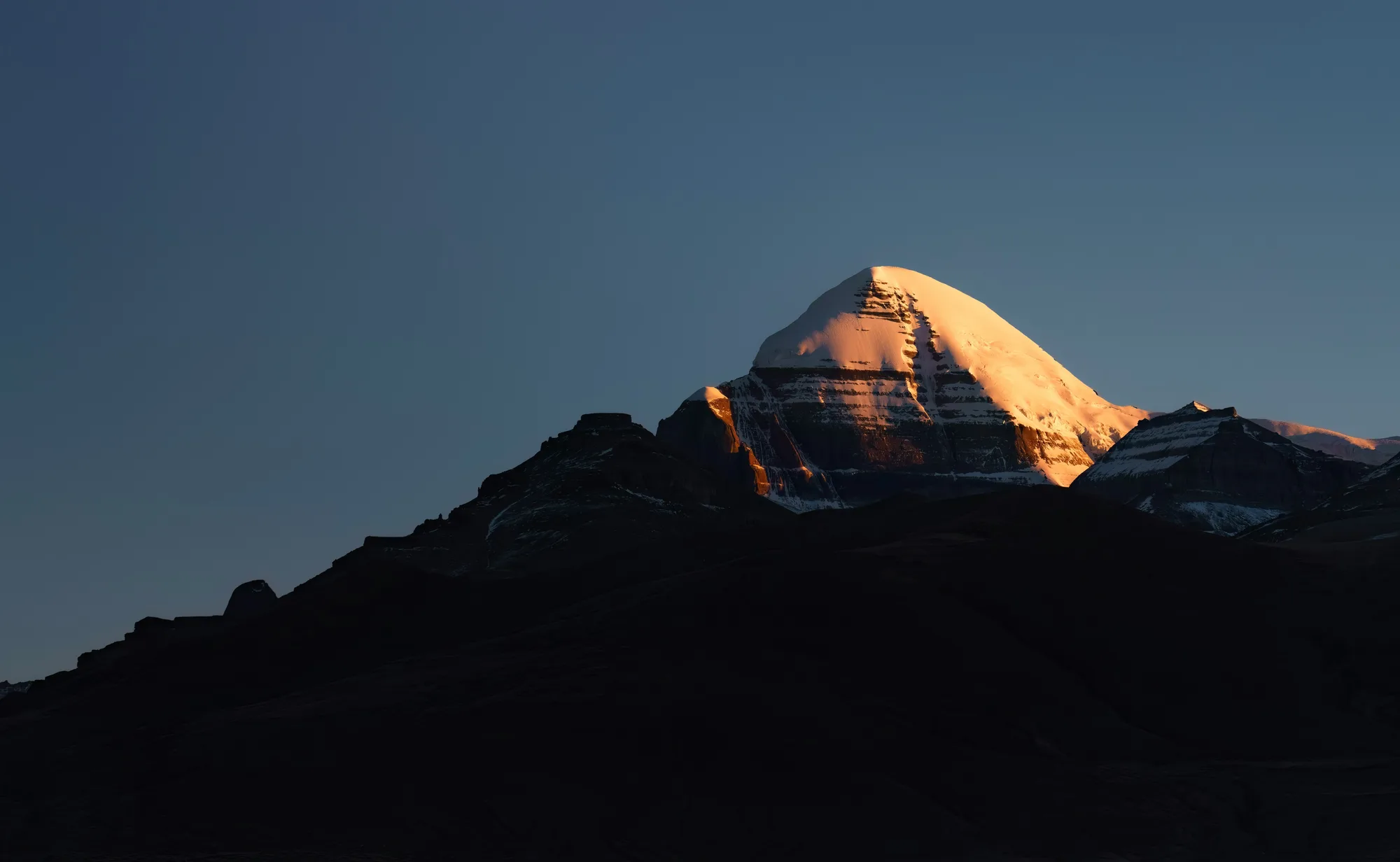
Short answer: On the Everest trail a guide is the person who holds the permits, sets the pace, decides when a headache means descend, and knows which lodge has a working stove at 4,940 m. On our ten-day Everest Base Camp trek-up, fly-back package the licensed trekking guide, one porter per two trekkers, the Kathmandu to Lukla flight, the Sagarmatha National Park permit and the TIMS card are all inside the published price of $1,840 per person on a shared flight, with eleven to twelve nights of twin-share lodge accommodation and all trail meals. You still walk every metre to Base Camp at 5,364 m and up Kala Patthar at 5,545 m. The guide is the reason the walking works.
- $1,840Guided 10-day trek up, helicopter back, per person
- 5,545 mKala Patthar, the highest point you stand on
- 2Trekkers per porter on the guided route
- 10 DaysDoor to door, including two acclimatisation days
Most people who search for Everest Base Camp trek guides are not really looking for another route description. They are trying to work out who will be standing next to them on the trail, what that person is responsible for on the morning the altitude starts winning, and whether the guide is worth what the package quietly charges for him. Those are the right questions, and they are almost impossible to answer from a tour page that lists "licensed guide included" as a single bullet between the airport transfer and the farewell dinner.
This page is about the human side of a guided Everest trek. What the guide does across the ten days, where the permit system fits into his job, how porter loads are split, how altitude decisions are actually made between Namche Bazaar and Base Camp, and how the whole thing is booked from the United States or Europe without a local phone number. If you want the trail itself, the stages, the teahouses and what the walking feels like, that is covered separately in hiking to Everest Base Camp. This one is about the person you hire to get you there.
What an Everest Base Camp trek guide actually does all day
The job starts before you land in Kathmandu and it does not stop until you are back in a hotel. In the first twenty four hours the guide or the operator's office behind him is filing the Sagarmatha National Park permit and the TIMS card, confirming the Lukla sector, weighing the duffels against the porter allocation, and checking that every member of the group has evacuation cover, which is mandatory on this route and not a nice extra. On a ten-day trek the paperwork is not a formality: it is what gets you past the national park checkpoints at Monjo and the lodge registers higher up, and a missing name on a permit is a very long walk back down.
On the trail itself the guide is doing three jobs at once. He is navigating, which on the classic route is easy in daylight and considerably less so in cloud above Tengboche. He is managing time and food, because lodges fill in October and a group that arrives at Dingboche after four in the afternoon in peak season eats whatever is left. And he is watching people, which is the part clients underestimate. A good guide is reading faces at breakfast, not just answering questions, because the early signs of acute mountain sickness are behavioural before they are medical.
He also translates, in the practical sense. He orders the dal bhat, argues about the price of a hot shower, knows which lodge owner will keep a room for a delayed group, and knows when the porters need to be sent ahead so the bags are dry when you arrive. None of that appears on any itinerary. All of it is the difference between a trek that feels organised and one that feels improvised.
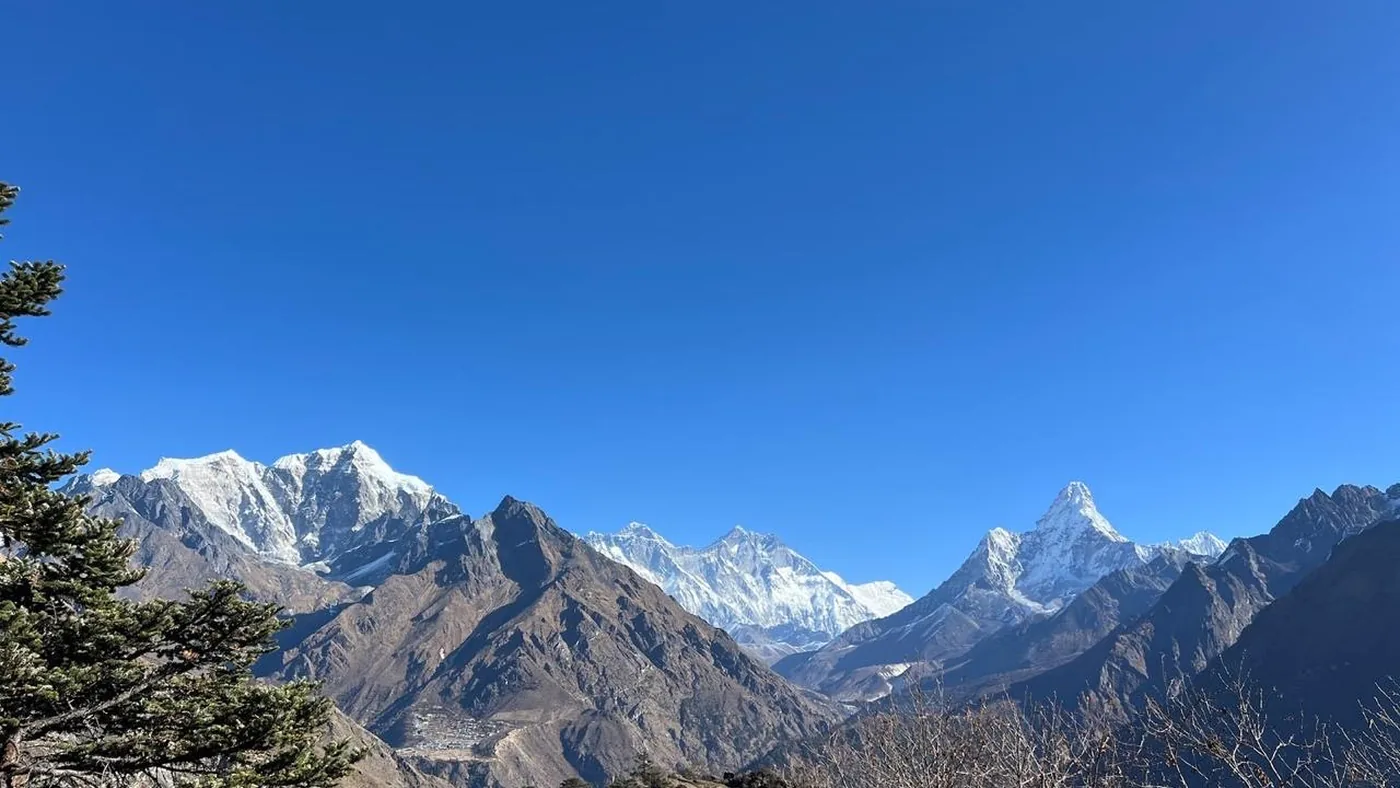
Is a guide compulsory, and what about the permits?
This is where most do-it-yourself plans start to fray. Every trek we operate includes a licensed trekking guide for the full route, and the reason is not marketing. The Everest corridor runs through Sagarmatha National Park, where permits are checked at entry and at points along the trail, and the paperwork is tied to a registered trekking agency rather than to an individual walker. The permit and the TIMS card are inside the package price, which means the queue at the park office in Kathmandu is somebody else's morning.
Practically, a guide also solves the problem that breaks more independent Everest plans than any other: the Lukla flight. Weather at Lukla cancels and resequences sectors constantly, and a guide who works the route every week knows which morning flights are likely to go, how to rebook when they do not, and when it is worth switching the group to a helicopter instead of losing two days of the itinerary. You can read more about that specific failure mode in our guide to the helicopter alternative to the Lukla flight.
What a guide cannot do is bend the mountain. He cannot make the wind drop at Kala Patthar, and he cannot shorten the walk to Base Camp. What he can do is make sure the group is at Base Camp on a morning when the glacier is visible rather than on an afternoon when the cloud is against the ice, and that is usually a scheduling decision made two days earlier at Dingboche.
Guide, porter, and who carries what
The two roles are separate and the difference matters when you are comparing quotes, and so does the vocabulary. The crews on this route are mostly Sherpa and Rai from the Khumbu and the eastern hills, and Sherpa is an ethnic identity rather than a job title, which is why a porter is not a sherpa and a guide is not necessarily Sherpa either. The guide leads, sets pace, manages the permits and the group's health. The porter carries. On our ten-day trek the allocation is one porter per two trekkers, and the porter carries the main duffel while you walk with a daypack holding water, a shell, sun cream and whatever you need between lodges. The duffel limit published across our treks is typically ten to fifteen kilograms; anything beyond that is either repacked, stored in Kathmandu, or flown in at a cost.
People also ask, usually by email at an awkward hour, about tipping. The convention in Nepal is around ten percent of the package cost, split between the guide, the porters and the pilot crew, and it is not included in the price. Neither are the small trail costs that accumulate: hot showers, device charging, bottled drinks and the occasional snickers bar at 4,410 m. Those are listed as exclusions on the tour page rather than buried, because a group that discovers them at Tengboche tends to be a group that stops trusting the invoice.
| Role | What they are responsible for | Included in the package? |
|---|---|---|
| Licensed trekking guide | Route, permits, pacing, altitude decisions, lodge logistics, group health checks | Yes, full trek |
| Porter (one per two trekkers) | Carrying the main duffel, typically 10 to 15 kg per trekker | Yes |
| Helicopter pilot and crew | The fly-back from the high valley to Kathmandu | Flight yes, tips no |
| Insurance for evacuation | Helicopter evacuation cover to 6,000 m | No, and it is mandatory |
The ten guided days, stage by stage
The published itinerary for the trek-up, fly-back format is ten days door to door, and the shape of it is what makes the guide's job manageable. You gain height slowly, you sleep lower than you climb twice, and the descent is deleted by putting a helicopter under the group at the end. Here is the ladder as we run it.
| Day | Stage | Altitude | What the guide is managing |
|---|---|---|---|
| 1 | Arrival in Kathmandu | 1,400 m | Permits filed, duffels weighed, insurance checked |
| 2 | Fly to Lukla, trek to Phakding | 2,610 m | Flight timing, short first day, pace discipline |
| 3 | Trek to Namche Bazaar | 3,440 m | The big climb, bridge crossings, first altitude check |
| 4 | Acclimatisation at Namche Bazaar | 3,440 m | Active rest, hydration, symptom screening |
| 5 | Trek to Tengboche | 3,860 m | Exposure above the treeline, weather read |
| 6 | Trek to Dingboche | 4,410 m | Slower pace, cold management, sleep quality |
| 7 | Acclimatisation at Dingboche | 4,410 m | Second acclimatisation day, go or no-go decision forming |
| 8 | Trek to Lobuche and Base Camp | 4,940 m / 5,364 m | The longest day, turn-around time, group splitting |
| 9 | Kala Patthar sunrise, helicopter to Lukla | 5,545 m | Departure hour, wind window, fly-back handover |
| 10 | Fly to Kathmandu, departure | 1,400 m | Buffer against weather delay, onward connections |
Two things about that table are worth pointing out, because they explain why a guided version of this trek costs what it does. First, the acclimatisation days at Namche Bazaar and Dingboche are not rest days in the holiday sense; they are the mechanism that gets a normal recreational walker to 5,364 m without collapsing, and a guide who lets a group skip them to save two days is not saving anything. Second, day eight is the day the plan gets tested. Base Camp and back to Lobuche is a long, cold, exposed day, and the decision about who continues and who waits is made by the guide on the basis of how the group slept, ate and walked, not on the basis of what everyone paid.
Where the guide earns the money: altitude decisions
Altitude risk on this route begins to matter well before Base Camp. Our own guidance puts meaningful altitude exposure from around 2,500 m upward, which is just above Phakding, and by Dingboche at 4,410 m every member of the group is a data point. A guide is trained to watch for the ordinary warning signs: a headache that does not respond, appetite gone at dinner, a cough that will not settle, someone who is unusually quiet or unusually irritable. He is also the person who has to say the sentence nobody wants to hear, which is that you are going down now, not in the morning.
This is the part of the job that clients only value afterwards. Descending is the treatment for mountain sickness, and a guided group descends in company, with the porter redistributing load and the lodge bill settled, rather than as a lone walker hoping the headache lifts. Evacuation by helicopter is the escalation when walking down is not fast enough or not possible, and it is the reason evacuation insurance to 6,000 m is mandatory rather than optional. How that process works in practice, including who calls and who pays, is set out in our guide to helicopter rescue and evacuation in Nepal.
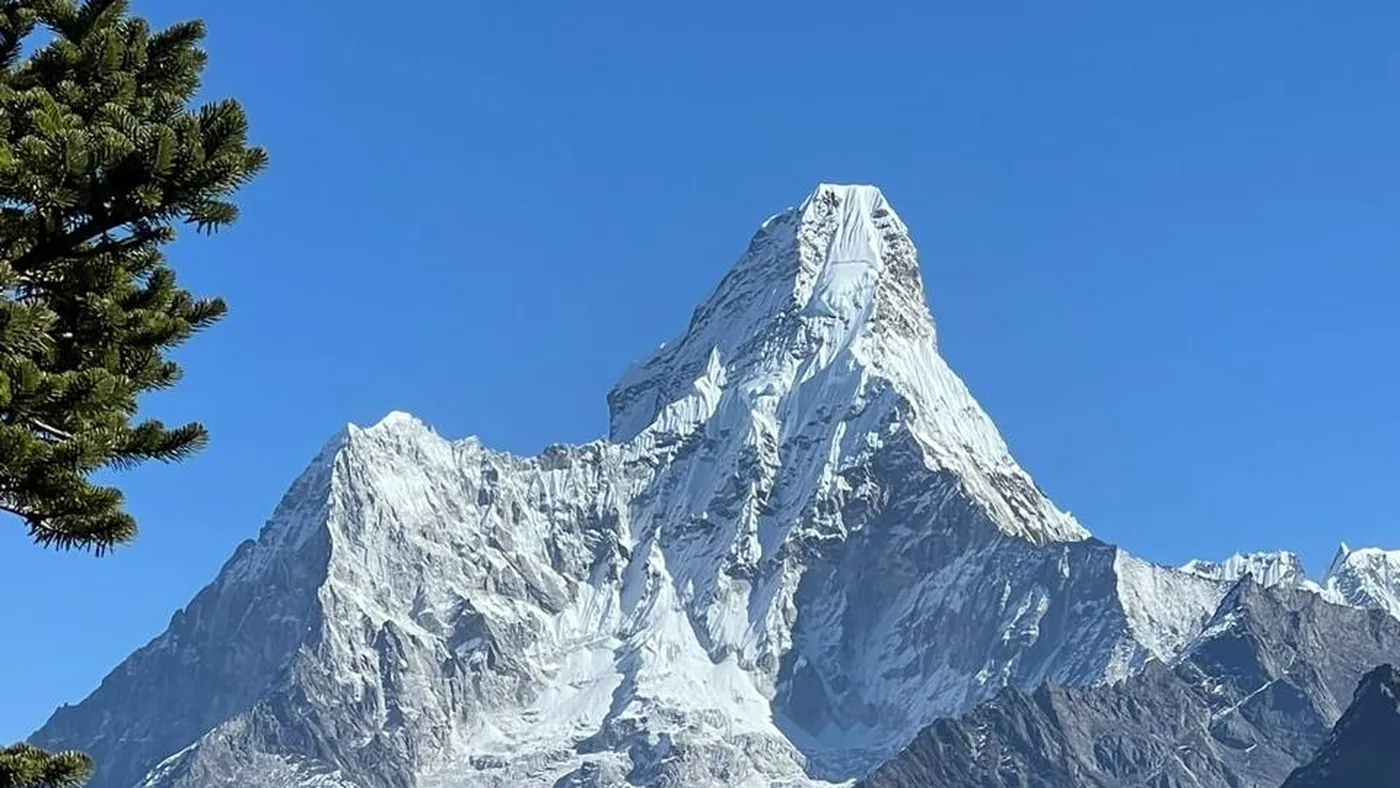
Booking a guided Everest trek from the United States or Europe
The booking mechanics are simpler than most first-time trekkers expect, and the timeline is the part people get wrong. For a trek-and-fly-back departure we ask for one to two months of lead time, because the operator has to lock guides, permits, lodge space and domestic sectors, and October and November fill before that. The price is quoted in US dollars, so there is no surprise on the card statement, and the deposit secures the guide and the date rather than a seat on a shared bus.
Before you fly, budget for the pieces that sit outside the package: international airfare, a Nepal entry visa (published at $50 for 30 days), hotels in Kathmandu before and after the trek, personal gear such as a down jacket and sleeping bag, and the insurance policy. Gear can be rented cheaply in Thamel instead of bought, which is worth knowing if you are flying from Denver or Manchester with a baggage allowance rather than a mountaineering habit. What to bring, layer by layer, is covered in our Nepal packing list.
Two scheduling habits make a guided Everest trip go smoothly from abroad. Book the international flight home with a buffer day after the trek, because the helicopter fly-back is weather dependent and an extra night at Lukla or in Kathmandu is excluded from the package price. And tell the operator, honestly, about your recent trekking history, knees, asthma, blood pressure medication. The guide plans the pace around that information, and he can only plan around what he has been told.
What the guide costs inside the package
Nobody sells "a guide" as a line item on the Everest trail, which is why the question is so hard to answer. What you can compare is the total price of the guided formats and what each one buys you in terms of guiding. The table below uses our published 2026 prices only. Nothing here is a quote on your dates.
| Product | Published price | Duration | Guiding you get |
|---|---|---|---|
| Everest Base Camp helicopter trek, trek up and fly back | $1,840 per person, shared flight | 10 days | Licensed guide for the full trek, porter one per two trekkers, permits included |
| Everest Base Camp helicopter day tour | $1,260 per person, shared flight | 1 day, about 6 hours | No trekking guide needed, landing at 5,545 m, pilot led |
| Private Everest helicopter charter | $4,500 per aircraft, up to 5 guests | 1 day, about 5 to 6 hours | Charter crew, no trekking guide, flexibility on the day |
| Everest scenic mountain flight | $260 per person, window seat | 1 hour | Fixed wing, no guide, no landing |
| Manaslu helicopter return trek | $2,160 per person, shared flight | 13 days | Licensed guide, restricted area permit, helicopter exit |
| Annapurna helicopter return trek | $1,199 per person, shared flight | 6 days | Licensed guide, ACAP and TIMS, helicopter exit |
The comparison that matters is the first two rows. A day tour at $1,260 gets you to a landing at 5,545 m with a pilot and a fixed schedule and no walking at all. The guided trek at $1,840 adds ten days of walking, a licensed guide, porters, lodges, meals and permits for $580 more. That difference is the whole argument for the trek-up, fly-back format if you actually want to stand at Base Camp at 5,364 m and know you walked there. The full cost breakdown of that product sits in the Everest Base Camp helicopter trek cost guide, and the honest comparison against a standard trek is in helicopter tour versus base camp trek.
The same format runs on other trails, which is worth knowing if Everest is booked out or if you want a quieter valley. On Manaslu the guided version is thirteen days at $2,160 per person with a maximum of 5,160 m and a helicopter out instead of the long walk back down the gorge, and it carries a restricted area permit that requires a licensed guide as a condition of the permit itself. That product is on the Manaslu helicopter return trek page. On Annapurna the equivalent is six days at $1,199 per person, topping out at 4,130 m at Annapurna Base Camp.
When the guided trek ends with a helicopter
The fly-back is scheduled for the morning after Base Camp, from the high valley, with the duffel on board. Practically it means the group does not walk the same trail back down for five more days, which is the part of the Everest trek most people dread by the time they reach Gorak Shep. It also means the helicopter is the one component of the itinerary that weather can genuinely move.
Be clear about the arithmetic before you book. If the aircraft cannot fly, the group waits, and the extra nights at a lodge or in Kathmandu are excluded from the package price. That is not a hidden cost, it is an honest one: no operator controls the wind at 5,000 m, and any operator promising a guaranteed departure time in October is telling you something about their sales technique rather than their flying. What a good operator does control is the rescheduling, the communication, and whether the guide stays with you while it happens.
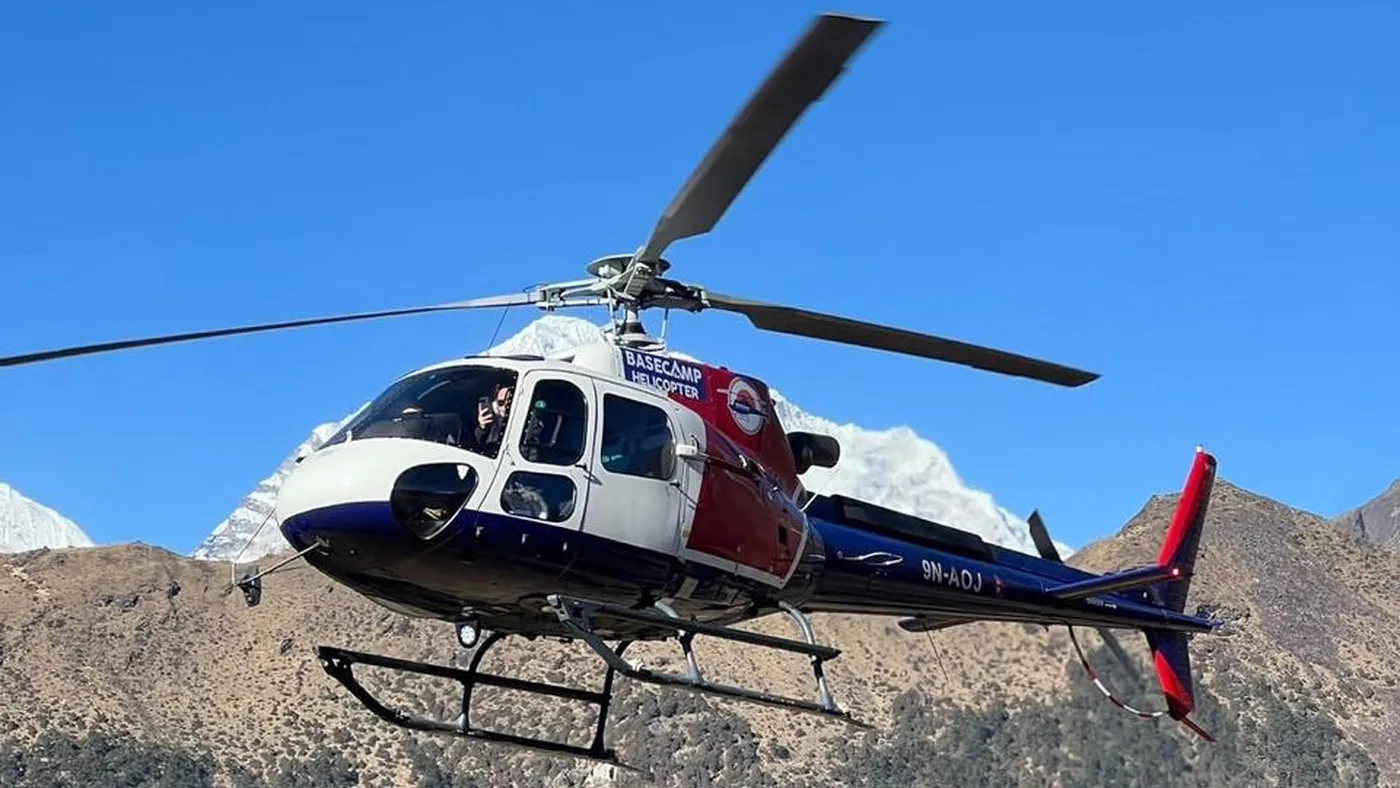
Questions to ask before you commit to a guide
A good operator will answer all of these without deflecting, and the answers tell you more than any brochure photograph. Ask who employs the guide and whether he is licensed for the Sagarmatha National Park route specifically. Ask how many trekkers he will be leading, because a guide with twelve people is a shepherd, not a guide. Ask what happens to the price if a member of the group has to descend early, and whether the porter load is fixed per person or pooled. Ask for the evacuation protocol in writing, including who authorises a helicopter and how the insurance claim is filed. And ask the one question that separates operators from resellers: do you run the aircraft yourself or do you buy seats from a company that does?
Then read the exclusions list, not the inclusions. Hotels in Kathmandu, insurance, personal gear, hot showers, tips and weather nights are the standard exclusions on every honest Everest trek quote. An operator whose quote has almost no exclusions is usually an operator whose inclusions are thinner than they look.
Red flags worth walking away from
Three things should end the conversation. A promise that the altitude will be fine because the itinerary is "easy" tells you the operator does not take acclimatisation seriously. A price dramatically below the market for a guided ten-day Everest trek usually means the guide is unlicensed, uninsured, or shared across too many people, and the saving is being taken out of the part of the trip you cannot see. And a salesperson who cannot tell you the name of the helicopter company operating your fly-back is selling you a seat on somebody else's aircraft without knowing whose.
The season question is the last filter. The two windows that work are October through November and March through May. Outside them the trail is quieter and the price softer, but the helicopter is the component most exposed to the monsoon from June to mid-September and to deep winter cold from December to February, and a weather-cancelled fly-back at the end of a ten-day trek is a frustrating way to finish. Our best time guide covers the month by month detail.
Frequently Asked Questions
Do I need a guide to trek to Everest Base Camp?
Every guided trek we operate includes a licensed trekking guide for the full route, and the Sagarmatha National Park permit and TIMS card are arranged through the operator. The permit is tied to a registered agency, which is why the paperwork is one of the first things the guide handles in Kathmandu. Beyond the rules, the practical reason is altitude: a guide is the person who notices the symptoms you are inclined to explain away.
How much of the package price is the guide?
Operators do not split the guide out as a line item, and ours does not either. What we publish is the total: $1,840 per person on a shared flight for the ten-day trek up and fly back, with the licensed guide, one porter per two trekkers, the Lukla flight, the permits, eleven to twelve nights of twin-share lodging and all trail meals inside it. Tips for the guide, porters and pilot crew sit outside the price, conventionally around ten percent of the package cost.
What does the guide do if I get altitude sickness?
He stops the ascent first, then assesses: headache, appetite, sleep, balance, breathing. If the signs point to mountain sickness the treatment is descent, and a guided group descends together with load redistributed and the lodge bill settled. If walking down is too slow or not possible, helicopter evacuation is the escalation, which is exactly why evacuation cover to 6,000 m is mandatory on this trek rather than optional.
Where can a helicopter land in Nepal?
On the routes we fly, the landing points include Kala Patthar at 5,545 m above Gorak Shep, Lukla at 2,860 m, the Everest View Hotel at 3,880 m, Annapurna Base Camp at 4,130 m and Muktinath at 3,710 m. Each landing is a licensed site with a marked area, and the pilot decides on the day whether the wind and cloud allow it. Nothing is guaranteed in advance, which is why a buffer day matters.
Can a helicopter land on Everest itself?
No. Everest is 8,848.86 m and the summit is not a landing site. What the flights do is land at Kala Patthar at 5,545 m, which is the highest point most visitors ever stand on and the viewpoint from which the summit looks the way it does in the photographs. Anyone offering a landing on the summit is selling you something that does not exist.
How does the Kathmandu to Everest Base Camp helicopter landing work?
As a day tour it is one day of about six hours, priced at $1,260 per person on a shared flight, with a landing at 5,545 m and breakfast at altitude. It is not a trek and there is no trekking guide involved. The trek-up, fly-back version is a different product: ten days of walking with a licensed guide, then the helicopter out of the high valley at the end.
Is a porter included, and how much can I bring?
Yes. The allocation is one porter per two trekkers, and the porter carries the main duffel while you walk with a daypack. The published duffel limit across our treks is typically ten to fifteen kilograms per trekker; anything heavier is repacked or stored in Kathmandu. Porters are not sherpas in the climbing sense, and the load limits exist to keep the job sustainable.
Can I book a guided Everest trek from the US or UK?
Yes, and it is the normal way. Prices are quoted in US dollars, we ask for one to two months of lead time on trek-and-fly-back departures so guides, permits and lodges can be locked, and October and November fill first. Outside the package you budget international airfare, the Nepal visa at $50 for 30 days, Kathmandu hotels, personal gear and the mandatory evacuation insurance.
Can the same trek-up, fly-back format be used on other trails, like Manaslu Base Camp?
Yes. Manaslu runs thirteen days at $2,160 per person with a maximum of 5,160 m and a helicopter exit instead of the walk back down the gorge, and it carries a restricted area permit that requires a licensed guide as a condition of the permit. Annapurna is the shorter version: six days at $1,199 per person, topping out at 4,130 m at Annapurna Base Camp.
What happens if weather cancels the helicopter fly-back?
The group waits and flies when the window opens, usually within a day. Extra nights caused by a weather delay are excluded from the package price, so the honest advice is to book your international flight home with a buffer day. No operator controls the wind at 5,000 m, and a guaranteed departure time in October is a sales claim rather than an operational one.
Which month is best for a guided Everest Base Camp trek?
October through November and March through May are the two windows that work. Autumn gives the clearest air after the monsoon, spring gives warmer days and rhododendron on the lower trail. June to mid-September is monsoon and December to February is deep winter: the trek is possible with the right kit, but the helicopter component is the part most exposed to weather.
The bottom line on Everest Base Camp trek guides
A guide on the Everest trail is not a luxury added to a walking holiday. He is the permit holder, the pace setter, the logistics manager and the person who decides, on the morning it matters, whether the group goes up or goes down. On our ten-day format that job sits inside a published $1,840 per person, alongside porters, permits, lodges, meals and the helicopter that deletes the walk back. If you are comparing that against a $1,260 day tour with no walking, the extra $580 is buying ten days of mountain and a professional who has walked it hundreds of times.
For the route itself, read the trail description in hiking to Everest Base Camp. For the shape of the summit and the heights involved, the Everest Base Camp elevation guide lays out the numbers. For the wider set of routes that are not Everest at all, from Langtang to Rara, the Himalayan helicopter tours hub indexes them. And when you are ready to put dates on it, the ten-day Everest Base Camp helicopter trek page carries the departure details. The guiding question, in the end, is simple: you are not paying for someone to walk in front of you, you are paying for someone who knows when to stop.