
Everest Base Camp Helicopter Trek: Trek Up, Fly Back (2026 Cost Guide)
What if you could trek the classic route to Everest Base Camp — every suspension bridge, every Sherpa village, every sunrise over Ama Dablam — and then skip the three-day walk back down by flying home in a helicopter? That's the Everest Base Camp Helicopter Trek, and it's the single best way to experience the Khumbu if you want the full trekking experience without the punishing descent. In 2026 it costs from $1,840 per person for a 10-day journey that treks you up to Base Camp (5,364m) and Kala Patthar (5,545m), then flies you from Gorak Shep back to Lukla in 20 minutes. This guide covers the real cost, the day-by-day route, what's included, and how to book without overpaying. You can also view the full Everest Base Camp Helicopter Trek itinerary and book directly.
- $1,260Everest day tour, per seat
- 5,545 mKala Patthar landing
- 6 hrsTypical door-to-door time
- DailyDepartures in season
What Is the Everest Base Camp Helicopter Trek?
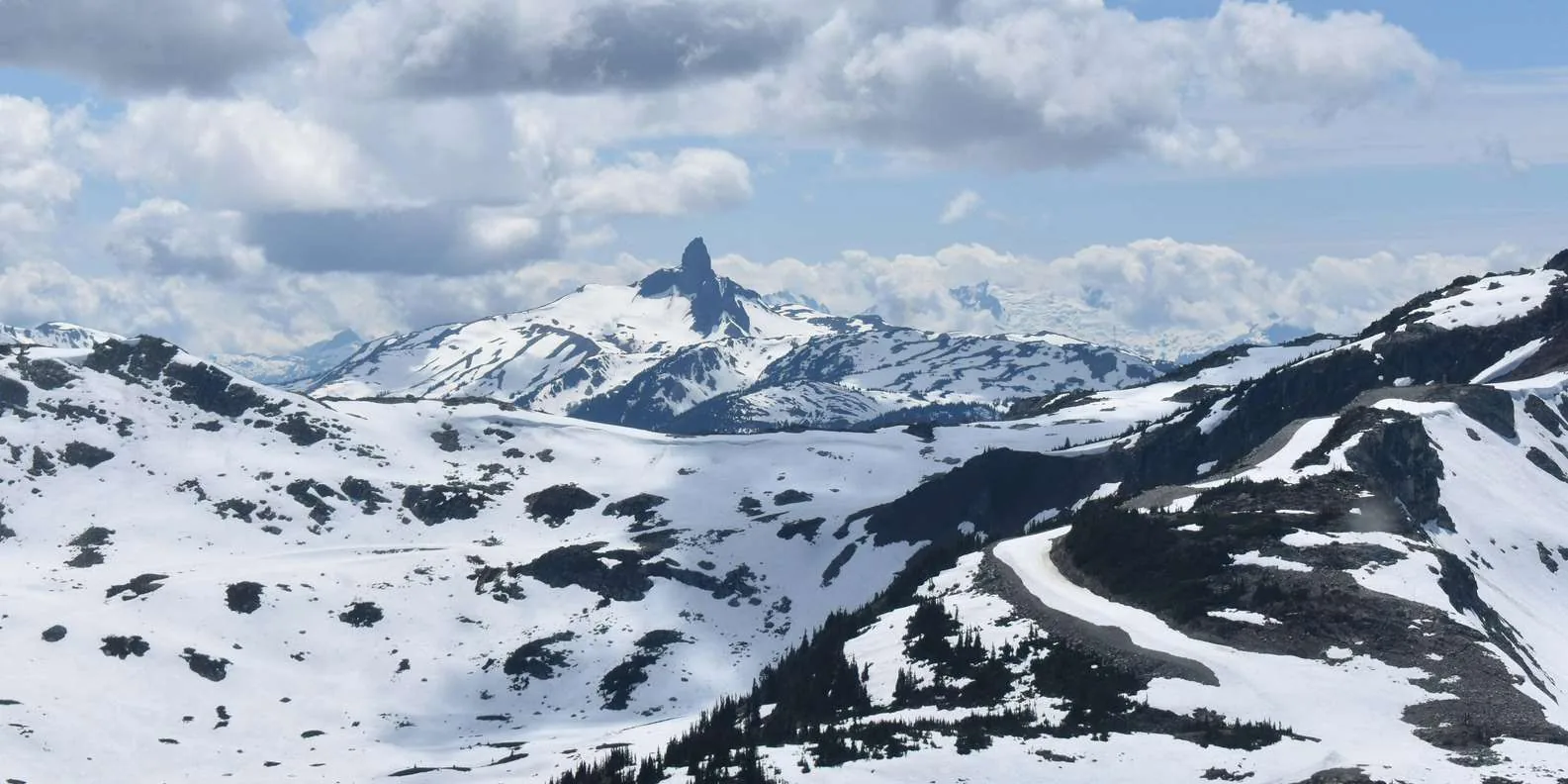
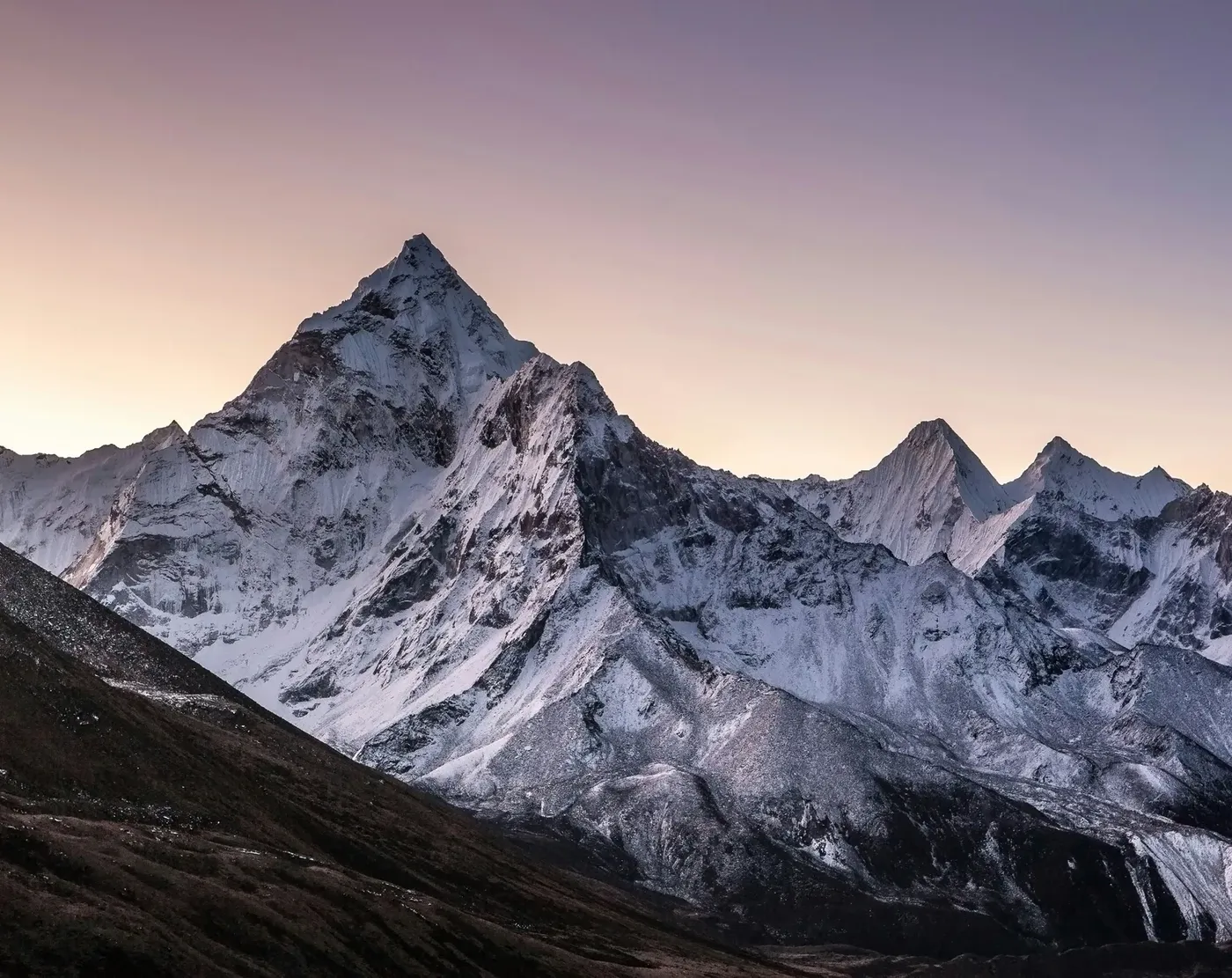
The Everest Base Camp Helicopter Trek is a hybrid adventure: you trek up the classic Khumbu route exactly like a traditional Everest Base Camp trek, but instead of retracing your steps for three or four days, you board a helicopter at Gorak Shep (5,140m) and fly back to Lukla in about 20 minutes. It's the best of both worlds — the full, authentic trekking experience on the way up, and a spectacular aerial finale on the way down.
Here's why that matters. The traditional Everest Base Camp trek is a 12–14 day round trip, and the return leg — walking back down the same valley you just climbed — is widely considered the least rewarding part. Your legs are tired, the views are behind you, and you're just counting down the days. The helicopter return eliminates that entirely: you finish at the top, at the highest point of the whole trip, and fly out over the very peaks you just spent a week earning. It saves three to four days, spares your knees, and ends the trip on the most dramatic note possible.
Everest Base Camp Helicopter Trek Cost in 2026
Here's the number: the Everest Base Camp Helicopter Trek costs from $1,840 per person in 2026, on a shared-return-flight basis. That's the price we charge at Heli Tours Nepal, and it's a fair, transparent rate for a genuine 10-day trek with a real helicopter return — not a budget cut-corner version and not a reseller markup.
To put that in context: a standard Everest Base Camp trek (trekking both ways) typically costs $1,800–$2,500 per person, while a pure helicopter day tour to Base Camp costs around $1,260. The helicopter trek sits between them — you pay a premium over the standard trek for the helicopter return and the upgraded lodges, but you get the full trekking experience plus the aerial finale, and you save three to four days. For most travelers who want to trek but dread the descent, it's the sweet spot.
What's Included in the $1,840 Price
A genuine Everest Base Camp Helicopter Trek at this price should include: private airport transfers in Kathmandu on arrival and departure, two nights at a 4-star hotel in Kathmandu with breakfast, the round-trip domestic flight between Kathmandu and Lukla for the trekking portion, the helicopter from Gorak Shep back to Lukla (shared with 4–5 passengers in a luxury helicopter), nine nights in the best available mountain lodges along the route, all meals during the trekking days, a licensed senior Sherpa guide with 15+ years of Khumbu experience, and porter support for your luggage. It's a genuinely all-inclusive trek price — the only extras are the items you'd pay for on any Nepal trip.
What's Not Included
Four items are paid separately, and it's worth knowing them up front. Your international airfare to and from Nepal is not included. The Nepal entry visa costs $50 USD for 30 days and is obtained on arrival at Kathmandu airport. Travel and medical insurance with helicopter-evacuation cover is your own responsibility — and it's essential for any high-altitude trek, so don't skip it. And personal expenses — showers, WiFi, device charging, laundry, extra beverages, snacks, and trekking equipment rental (sleeping bag, down jacket, boots) — are on you. Tips for your guide and porter (typically around 10%) are also customary. Everything else is in the price.
The Route, Day by Day
Here's the 10-day journey, from Kathmandu to the helicopter out.
Day 1 — Arrival in Kathmandu (1,400m). You're met at Tribhuvan International Airport and transferred to your 4-star hotel in Thamel. In the evening you meet your Sherpa guide over a welcome dinner of traditional Nepali cuisine.
Day 2 — Fly to Lukla (2,840m), trek to Phakding (2,610m). A scenic 35-minute flight to Tenzing-Hillary Airport in Lukla, then a gentle 3–4 hour walk alongside the Dudh Koshi River to Phakding.
Day 3 — Trek to Namche Bazaar (3,440m). Cross suspension bridges and climb steeply to Namche Bazaar, the vibrant Sherpa capital of the Khumbu (5–6 hours).
Day 4 — Acclimatization at Namche. A day hike up to the Everest View Hotel (3,880m) for panoramic views of Everest and Ama Dablam, then explore Namche's markets and museum. This rest-and-climb day is critical for safe acclimatization.
Day 5 — Trek to Tengboche (3,860m). Walk through rhododendron forest to Tengboche Monastery, the spiritual heart of the Khumbu, with Ama Dablam towering behind it.
Day 6 — Trek to Dingboche (4,410m). Continue into the high, treeless valley of Dingboche, where the air thins and the peaks feel close enough to touch.
Day 7 — Acclimatization at Dingboche. A second acclimatization day, with an optional hike to Nangkartshang (5,083m) for sweeping views before you push higher.
Day 8 — Trek to Lobuche (4,940m). Pass the memorial cairns at Thukla and climb alongside the Khumbu Glacier to Lobuche.
Day 9 — Gorak Shep (5,140m), Everest Base Camp (5,364m), Kala Patthar (5,545m). The big day. Trek to Gorak Shep, then on to Everest Base Camp itself, and climb Kala Patthar for the best possible view of Mount Everest at sunrise or sunset. You overnight at Gorak Shep.
Day 10 — Helicopter to Lukla, fly to Kathmandu. The finale. Board the helicopter at Gorak Shep and fly back to Lukla in about 20 minutes, soaring over the very peaks you just spent a week earning. From Lukla, catch the flight back to Kathmandu and transfer to your hotel — usually arriving by early afternoon.
Why Choose the Helicopter Return Instead of Trekking Down?
Three reasons, and they're all real. First, you save three to four days. The traditional descent from Gorak Shep back to Lukla takes three to four days of walking — time you can spend elsewhere in Nepal, or simply get home sooner. Second, you spare your body. After a week of climbing to 5,500m, your knees and legs have earned a break; the descent is hard on joints, and the helicopter eliminates it entirely. Third, and best of all, the trip ends at its peak. Instead of finishing with a long, tiring walk down a valley you've already seen, you finish by flying over Everest, Lhotse, Nuptse and Ama Dablam — the most dramatic possible ending to the most dramatic trip of your life.
The helicopter return is also a genuine safety benefit. If anyone in your group is feeling the altitude or is simply exhausted after Base Camp, the option to fly out rather than walk out is a real comfort. And the flight itself — 20 minutes over the Khumbu Glacier with the world's highest peaks filling the windows — is an experience that many travelers say rivals the trek itself.
How Difficult Is the Everest Base Camp Helicopter Trek?
This is a moderate-to-challenging trek, and it's important to go in with realistic expectations. You'll walk 4–7 hours a day for about a week, climbing from 2,610m to a maximum of 5,545m at Kala Patthar. The altitude is the main challenge — not technical difficulty. There's no climbing, no ropes, no scrambling; it's walking on well-established trails. But the thin air at 5,000m+ is real, and that's why the itinerary includes two dedicated acclimatization days (at Namche and Dingboche) to let your body adjust safely.
You don't need to be an athlete, but you do need a reasonable level of fitness. If you can comfortably walk for several hours with some elevation gain, you can do this trek. Most people who prepare with a few weeks of regular walking, hiking, or cardio do just fine. The pace is deliberately slow — "bistari, bistari" (slowly, slowly) is the mantra of the Khumbu — and your Sherpa guide will set a rhythm that keeps you safe and comfortable. If you have a heart or lung condition, or any concern about altitude, check with your doctor before booking.
Best Time to Do the Everest Base Camp Helicopter Trek
The two best windows are March to May (spring) and late September to November (autumn). Spring brings warmer temperatures, blooming rhododendrons, and clear skies before the monsoon builds — it's the classic trekking season. Autumn offers the most stable weather and the crispest mountain views of the year, post-monsoon, and is the most popular window. Both are excellent; autumn is slightly more reliable for flying, spring is slightly warmer and more colorful.
Avoid the monsoon (June–August), when rain, leeches and clouds make trekking miserable and ground most helicopter flights. Winter (December–February) is possible but cold, with occasional snow at altitude and fewer teahouses open. Whatever season you choose, the helicopter return is weather-dependent, so build a buffer day or two into your international travel plans — a one-day delay is the most common disruption, and a good operator will reschedule the flight at no extra charge.
Is the Everest Base Camp Helicopter Trek Safe?
Yes — when you trek with a licensed, experienced operator. The route is one of the most established and well-supported trekking trails in the world, with teahouses, lodges and rescue infrastructure throughout. Your guide is a licensed senior Sherpa with 15+ years of Khumbu experience, trained in altitude-sickness recognition and first aid, and the itinerary's two acclimatization days are specifically designed to keep you safe. The helicopters used for the return — typically Airbus H125 (AS350 B3e) or similar high-altitude models — are the workhorses of the Everest region, maintained to international standards, and flown by some of the most experienced high-altitude pilots in the world.
The main risk on any Everest trek is altitude sickness, and the way to manage it is exactly what this itinerary does: ascend slowly, build in acclimatization days, stay hydrated, and listen to your body. Your guide monitors everyone in the group and will make the call to slow down, rest, or descend if anyone shows symptoms. Travel insurance with helicopter-evacuation cover is essential and is your own responsibility — it's the one thing we insist every trekker has before they fly.
Helicopter Trek vs. Day Tour vs. Standard Trek: Which Should You Choose?
Travelers often weigh three Everest options, so here's the honest comparison. The Everest Base Camp Helicopter Day Tour ($1,260) is for those who want to see Everest and stand at Base Camp without any trekking at all — you fly in, land, and fly back in a single morning. It's the fastest and most comfortable option, ideal for families, older travelers, and anyone short on time. See our Everest Base Camp Helicopter Day Tour guide for the full breakdown.
The standard Everest Base Camp trek (trekking both ways, $1,800–$2,500) is for those who want the full traditional experience and don't mind the three-to-four-day descent. It's the cheapest way to trek to Base Camp, but it takes 12–14 days and the return leg is the least rewarding part.
The Everest Base Camp Helicopter Trek (from $1,840) is for those who want the full, authentic trekking experience on the way up — but want to skip the descent and end with a spectacular helicopter flight. It's the best of both worlds, and it's the right choice for most trekkers who want to earn the view but not pay for it twice. For a broader look at all the Everest helicopter options and their costs, see our Everest Helicopter Tour Cost guide.
How to Book the Everest Base Camp Helicopter Trek (Without Overpaying)
The Everest trekking market has a markup problem: overseas agents and resellers routinely add 20–40% on top of the local operator price, and some cut corners on the helicopter return or the lodge quality to hit a low headline number. Here's how to book smart. First, book with a licensed local operator — a company registered in Nepal with its own trekking operations and direct helicopter partnerships. Local operators quote the real price without reseller markup. Second, confirm the helicopter return is genuine — some cheap "helicopter treks" only fly you part of the way, or use the helicopter only in an emergency. Ours is a scheduled, guaranteed return flight from Gorak Shep to Lukla. Third, get the inclusions in writing — the Kathmandu hotel, the Lukla flights, the helicopter return, the lodges, the meals, the guide and the porter should all be itemized. Fourth, ask about the weather policy — what happens if the helicopter is delayed, and whether you get a free reschedule. A confident operator answers all of these instantly. You can request a trek quote from us directly — we respond with a full written breakdown, usually within a few hours.
What to Bring on the Everest Base Camp Helicopter Trek
You'll trek for a week, so pack properly — but remember your porter carries your main bag, so you only need a daypack for the trail. Warm layers — a fleece, a down jacket, and thermal base layers, because nights above 4,000m are cold even in season. A good sleeping bag (rental available if you don't have one). Broken-in trekking boots — never trek in new boots. Sun protection — sunglasses, sunscreen and a hat, because the high-altitude sun is intense. A water bottle or hydration bladder and water-purification tablets. Your passport and a copy of your travel insurance. A small first-aid kit and any personal medications. And a camera — you'll want it every single day. Your porter carries up to 10kg of your gear in a duffel, so keep your daypack light with just water, layers, snacks and your camera.
Background worth reading before you plan: Everest (8,848.86 m). Useful context — it does not affect pricing or operations.
Read these next: Everest Base Camp Helicopter Day Tour: Cost, Landing & How to…, How Much Does an Everest Helicopter Tour Cost in 2026?, and Everest Helicopter Tour vs Base Camp Trek: Honest Comparison.
Frequently Asked Questions
How much does the Everest Base Camp Helicopter Trek cost in 2026? From $1,840 per person on a shared-return-flight basis, including the Kathmandu hotel, Lukla flights, the helicopter return from Gorak Shep, nine nights of lodges, all trekking meals, a senior Sherpa guide and porter support. International airfare, the Nepal visa ($50), travel insurance and personal expenses are extra.
How long is the trek? 10 days total — one day arriving in Kathmandu, eight days trekking up to Base Camp and Kala Patthar, and one day flying back by helicopter and returning to Kathmandu.
Do I trek the whole way, or only part of it? You trek the full classic route up to Everest Base Camp and Kala Patthar — the same journey as a traditional trek. The helicopter is only for the return, from Gorak Shep back to Lukla.
How long is the helicopter flight back? About 20 minutes from Gorak Shep (5,140m) to Lukla (2,840m), flying over the Khumbu Glacier with Everest, Lhotse, Nuptse and Ama Dablam in view.
Is it safe for someone who's never trekked before? Yes, if you have a reasonable level of fitness. The pace is slow, the itinerary includes two acclimatization days, and your Sherpa guide manages the group's safety throughout. If you can walk several hours with some elevation gain, you can do this trek.
What if the helicopter can't fly on my scheduled day? Helicopter flights are weather-dependent. If your flight is delayed, it's rescheduled to the next suitable window at no extra charge. This is why we recommend keeping a buffer day or two in your international travel plans.
What's the accommodation like? Two nights at a 4-star hotel in Kathmandu, then nine nights in the best available mountain lodges along the route, with private rooms and hot showers where available. These are comfortable teahouse-style lodges, not luxury hotels — but they're the best the Khumbu offers.
Do I need travel insurance? Yes — travel and medical insurance with helicopter-evacuation cover is essential and is your own responsibility. We insist every trekker has it before they fly, because at 5,000m+ it's the one thing you don't want to be without.
Why Book Your Everest Helicopter Trek With Heli Tours Nepal
Heli Tours Nepal is operated by Enticing Himalayas Travel, a licensed Nepali trekking and tour company with years of experience in the Everest region. That means you're booking with the people who actually run the treks and the flights — not a reseller adding a markup. We quote transparent, all-inclusive prices, confirm every detail in writing, and handle the permits, lodges, guides, porters and weather contingencies so your only job is to enjoy the trail. Whether you want the full helicopter trek, a day tour, or a private charter, we'll build the trip around you. Get your Everest Base Camp Helicopter Trek quote today — most enquiries receive a full written breakdown within a few hours.