
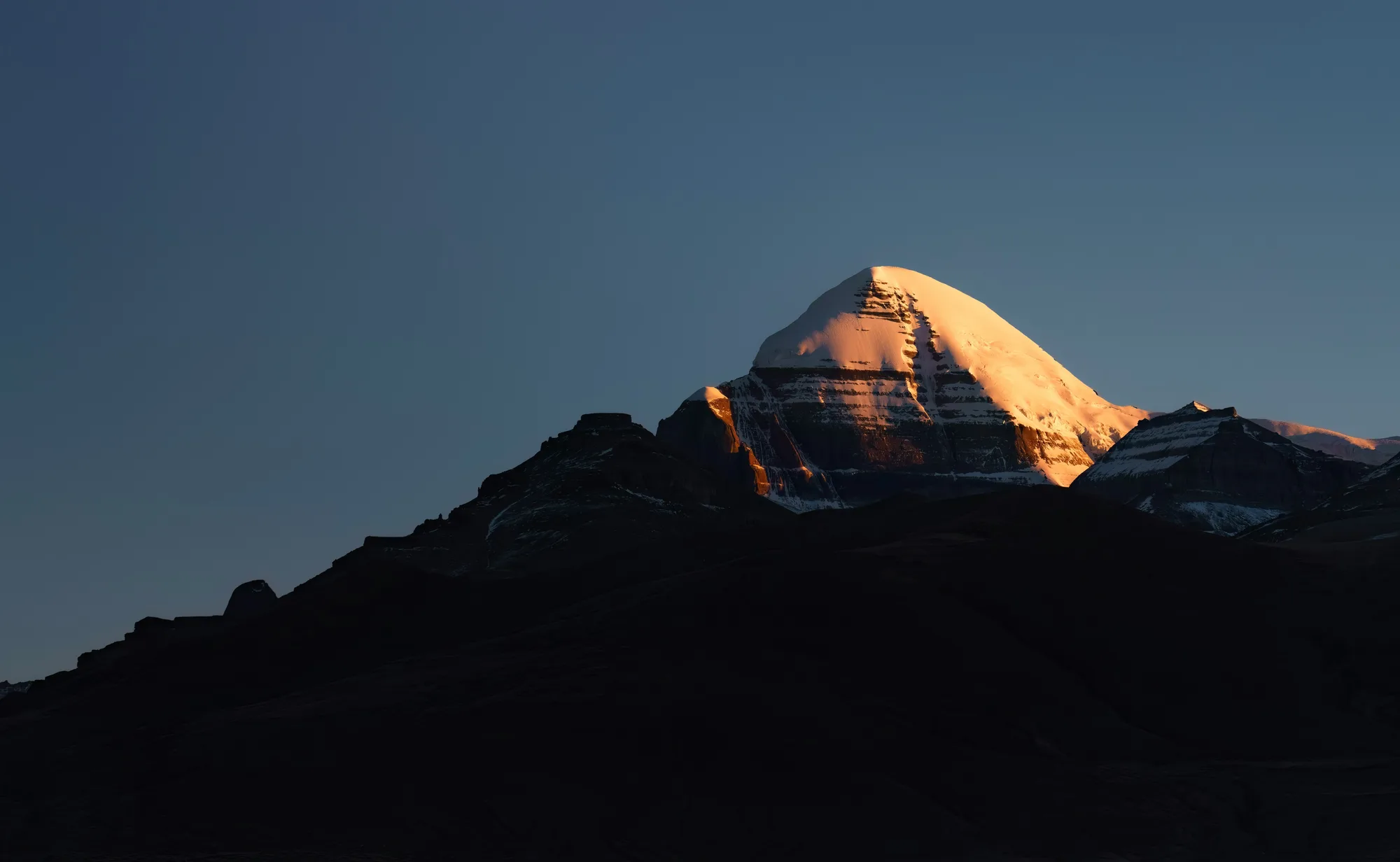
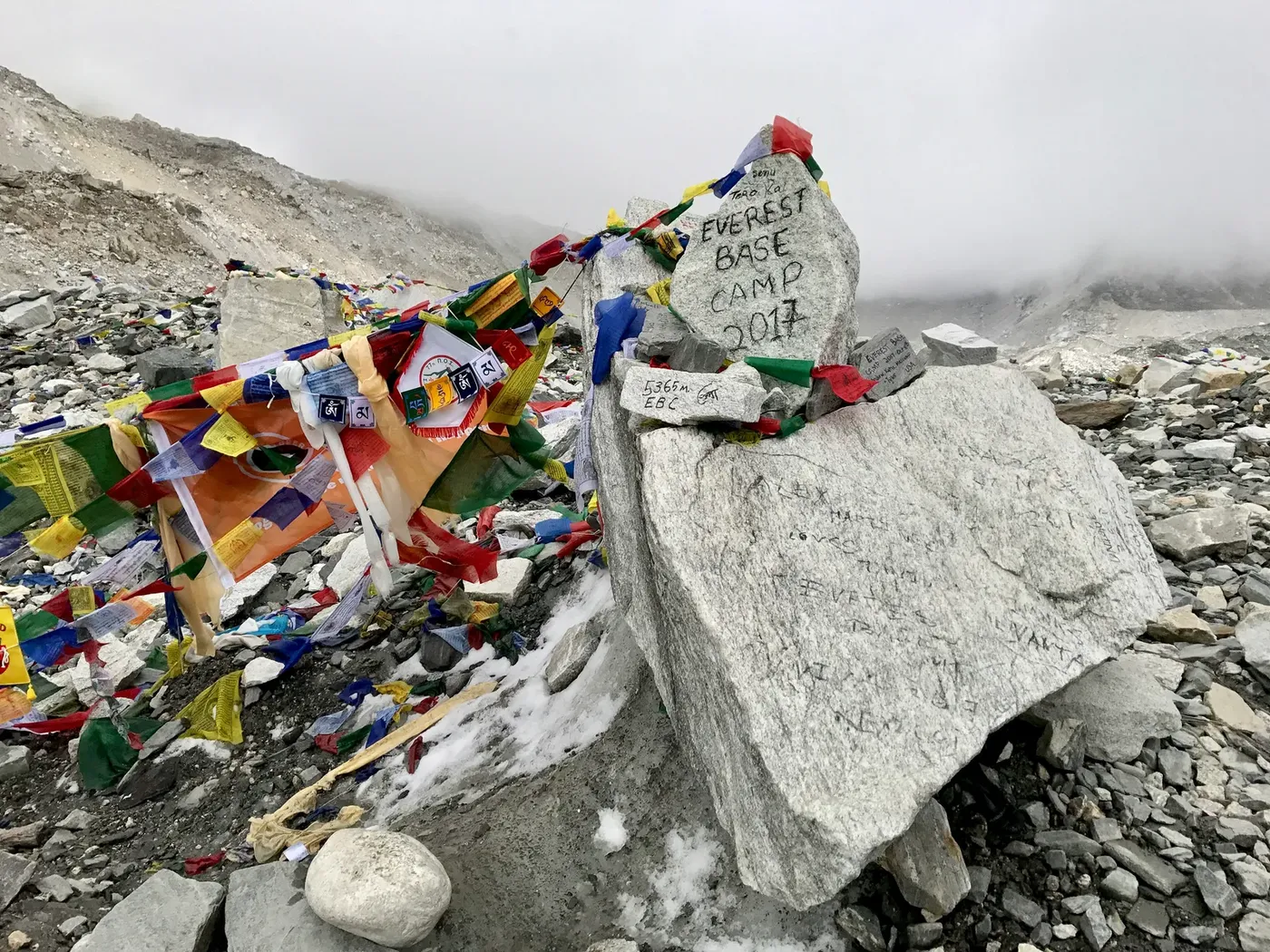
Short answer: Hiking to Everest Base Camp means walking up the Khumbu valley from Lukla at 2,860 m to the prayer-flag-covered marker at 5,364 m, then climbing the last hour to Kala Patthar at 5,545 m for the closest view of Everest at 8,848.86 m. The people who turn around are rarely the unfit ones. They are the ones whose bodies could not acclimatise fast enough, because the trail gains height quicker than a body adapts to it. The other thing nobody warns you about is the walk out: the same ground you climbed, now downhill, on tired legs. That is the reason a helicopter pick-up at the end has become the normal way to finish the hike, and our own trek-up, fly-back version runs 10 days from $1,840 per person sharing.
- 5,364 mEverest Base Camp
- 5,545 mKala Patthar viewpoint
- 2,860 mLukla, where the walk begins
- 10 daysTrek up, fly back package
Everest Base Camp is not a summit and it is not a technical climb. It is a long walk at increasing altitude, on a trail that is well made, well walked and generously supplied with teahouses. Thousands of ordinary people do it every season: teachers, nurses, retired couples, people who have never slept above a thousand metres in their lives. The reason it still has a reputation is not the difficulty of any single day. It is the accumulation.
This guide is about the walking itself. What the surface is like underfoot, which stages break people, how acclimatisation actually works on this route, what a night in a teahouse feels like at altitude, what the hike costs, and where a helicopter fits into a plan that is otherwise entirely on foot. If you want the booking mechanics and the packages compared first, the Everest Base Camp helicopter trek cost guide covers those. This page covers the part you will actually be doing with your legs.
What hiking to Everest Base Camp actually means
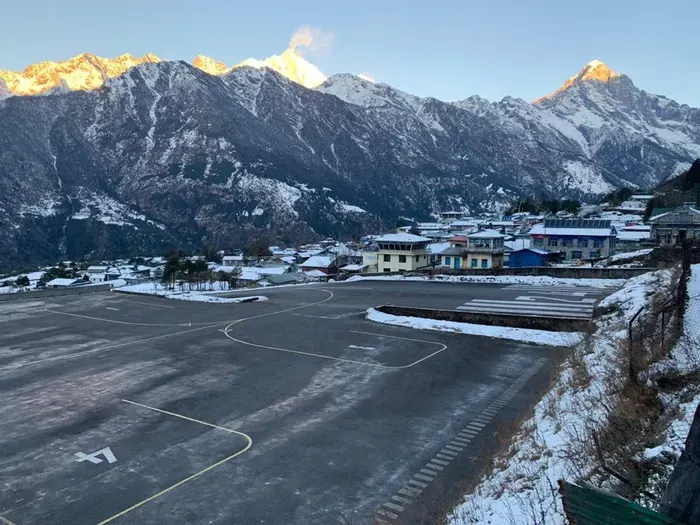
There is one trail into the Khumbu and one trail out, and in the high season it is busy. You start at Lukla, 2,860 m, where the aircraft lands on a strip that slopes uphill and stops against a wall, and you finish at the base of the highest mountain on earth. In between is a valley that runs roughly north-east, following the Dudh Kosi and then the Khumbu glacier's meltwater, passing through villages that have been on the trade route to Tibet for centuries.
The first two days are warm, green and lower than most alpine resorts. Rhodedendron forest, stone staircases, suspension bridges strung with prayer flags. Then the valley narrows, the trees thin out, and by the time you reach the treeline the landscape has changed character entirely. The second half of the hike is a high-altitude walk in a glacial valley, and it feels like a different trip from the first half.
That change is the whole story of the hike. The distance covered each day is modest, and on paper the walking looks easy. What makes it hard is that you are gaining height every single day while your body is trying to build red blood cells, and those two processes run on different clocks.
The trail stage by stage: Lukla to Gorak Shep
Almost every itinerary on this route uses the same sequence of villages, because the sequence is dictated by where water, lodges and acclimatisation days sit. Operators differ in how many rest days they insert and how they handle the return. Below is what each stage asks of you, in plain terms.
| Stage | What the day asks of you | Where it catches people out |
|---|---|---|
| Lukla to Phakding | Short, mostly downhill, following the Dudh Kosi | Feels too easy. Nobody rests, everybody pushes on, and the first night is spent lower than the airstrip. |
| Phakding to Namche Bazaar | The first real climb, over high suspension bridges, then a long pull up to the Namche saddle | The last hour of the climb is the hardest hour of the first week, and it arrives when you are already tired. |
| Acclimatisation day at Namche | Walk high, sleep low. A short climb to a viewpoint, then back down to the same bed | People skip it to save a day. This is the single most common planning mistake on the route. |
| Namche to Tengboche | Contoured traverse, a descent to the river, a switchback climb to the monastery ridge | The descent tempts you to run. The climb afterwards is where you pay for it. |
| Tengboche to Dingboche | Trees disappear. The valley opens out, the wind picks up, the trail stays high | First genuinely cold nights, and the first time the altitude is noticeable at rest. |
| Acclimatisation day at Dingboche | A short climb above the village and back down | Skipping this one is the second most common mistake, and the one people regret most. |
| Dingboche to Lobuche | Slow, exposed walking on moraine and old glacial ground | Short day, big altitude gain. Appetite usually drops here, and eating becomes a job. |
| Lobuche to Gorak Shep | The roughest walking on the route, over loose moraine beside the Khumbu glacier | This is where the altitude is no longer theoretical. Headaches and broken sleep are normal; confusion is not. |
| Gorak Shep to Base Camp and Kala Patthar | Base Camp at 5,364 m, and the climb to Kala Patthar at 5,545 m for the Everest view | Doing both in one day is a long day at the worst possible altitude. Many itineraries split them. |
Two things are worth noticing in that table. The first is that the biggest single climb of the trip is on day two, not at the end, and it happens before you have any altitude fitness at all. The second is that the highest point of the hike is not Base Camp. Kala Patthar, at 5,545 m, is 181 m higher than the camp itself, and it is the only place on the walk where you see the summit of Everest clearly rather than looking up at the glacier that hides it.
Altitude, not fitness, decides who reaches Base Camp
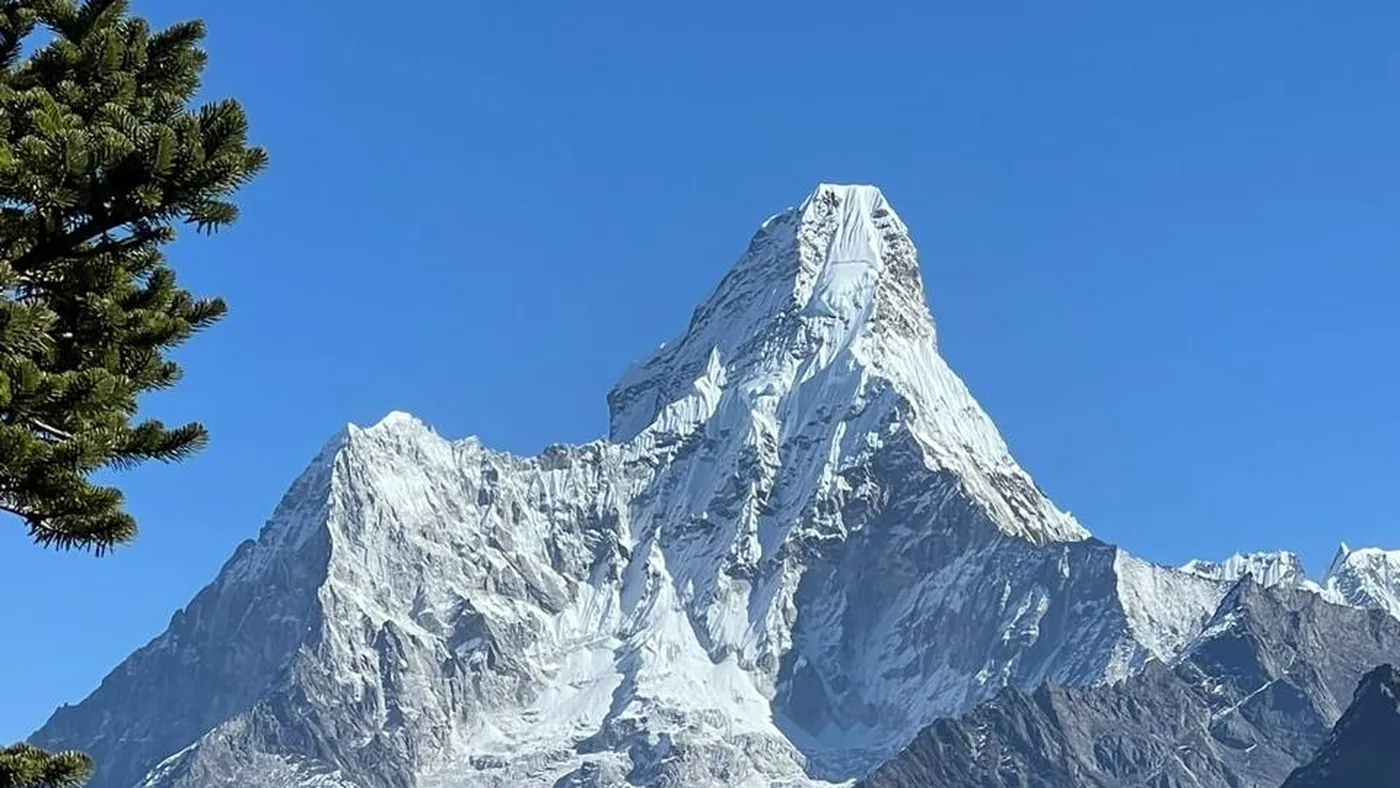
Every year, strong runners turn around at Lobuche and sixty-year-olds who walk their dogs every morning stand at the Base Camp marker. Fitness helps you enjoy the days. Acclimatisation decides whether you get the days at all.
The mechanism is simple. Above roughly three thousand metres, the air still contains the same proportion of oxygen, but each breath delivers fewer oxygen molecules because the pressure is lower. The body responds by producing more red blood cells and by breathing faster, but that response takes days. Climb faster than the response and fluid starts to leak into the lungs or the brain. That is altitude sickness, and it is not a matter of willpower.
This is why the classic itinerary puts acclimatisation days at Namche and at Dingboche, and why a good operator will build a spare day into the schedule rather than pretend weather and bodies always cooperate. The rules that matter are unglamorous: ascend slowly, sleep no higher than you have already been, take the rest day even when you feel fine, drink more than you want to, and treat a headache that will not shift as information rather than an inconvenience. If symptoms get worse at rest, the answer is to go down, not to take another tablet and continue.
It is also why helicopter evacuation exists on this route and why insurance that covers it is not optional on a trek at this altitude. The guide to helicopter rescue and evacuation in Nepal explains how a pick-up is triggered and what your policy has to say. Nobody plans to use it. Everybody should know how it works before they need it.
The walk out is the part nobody warns you about
Going up, the trail is a series of short climbs and long traverses, and your legs are fresh. Coming down, it is the same ground in reverse, and your quads take the load for days on end. The descent from Gorak Shep to Lukla is where knees fail, where the trip stops being fun, and where most injuries on the route happen. It is also where the schedule gets squeezed, because people are out of annual leave and the flight home is booked.
There is a second, harder reason to think about the exit before you start. The weather window at Lukla is unreliable, and a delayed flight out can cost you a connection in Kathmandu. A helicopter from the upper valley removes both problems in one move: it turns three days of downhill pounding into a short flight, and it does not depend on the Lukla strip being clear.
That is exactly the logic behind our own trek up, fly back format. You walk the whole route, you stand at Base Camp and at Kala Patthar, and then instead of retracing your steps you are lifted out of the valley. The package runs 10 days at $1,840 per person sharing, and it is the version most of our guests now choose, not because they cannot walk out, but because the walk out is the least rewarding part of the trip.
Teahouses, food and sleeping at altitude
A teahouse is a family home with a dining room attached. You get a small twin room with plywood walls, a shared bathroom, and a dining room with a stove in the middle that is the only warm place in the building after dark. Blankets are provided and are not always enough. A sleeping bag rated for real cold is the single piece of kit most people regret leaving behind, and the Nepal packing list covers the layers that actually matter at these temperatures.
Food is simple and repetitive: dal bhat, noodles, fried rice, potatoes, egg dishes, garlic soup. Dal bhat is the best choice on the trail for a practical reason, because it is the one dish that gets refilled without argument. Appetite drops as you climb, and the people who do best are the ones who keep eating when they do not feel like it. Alcohol is a bad idea above Namche, and not because of any rule: it dehydrates you and it wrecks the sleep you already are not getting.
Sleep is the part of the hike that surprises people. At altitude, breathing becomes automatic and shallow, and many people wake repeatedly through the night. That is normal. Waking with a pounding headache that does not respond, breathlessness while lying still, or confusion in a companion is not normal and is the signal to descend. Knowing the difference is a skill worth learning before you go, not on the night you need it.
What the hike costs, and where the helicopter changes the arithmetic
Comparing a trek with a flight is not comparing two prices for the same thing. A trek is paid for in days, and a flight is paid for in dollars. The table below is the honest comparison of what we sell on this mountain, with the numbers taken from our published 2026 rates.
| Option | Time | Published price | What you get |
|---|---|---|---|
| Everest Base Camp helicopter trek (trek up, fly back) | 10 days | $1,840 per person, shared flight | The full walk to Base Camp and Kala Patthar, with a helicopter exit from the upper valley instead of a three-day descent. |
| Everest Base Camp helicopter day tour | 1 day, about 6 hours | $1,260 per person, shared flight | Landing at Kala Patthar at 5,545 m with breakfast at altitude. No walking beyond the landing site. |
| Private Everest helicopter charter | 1 day, about 5 to 6 hours | $4,500 per aircraft, up to 5 guests | Your own aircraft and schedule, including breakfast at the Everest View Hotel at 3,880 m. |
| Everest scenic mountain flight | 1 hour | $260 per person, window seat | A fixed-wing look at the range from Kathmandu. No landing, no walking, no altitude. |
Read that table as a menu of different trips rather than a price ladder. The day tour and the trek do not compete: one is a sightseeing flight, the other is a ten-day walk with a flight at the end. The private charter is a different product again, priced per aircraft rather than per seat, which is why it only makes sense for a group of four or five travelling together.
What the flight adds to the trek is worth being precise about. It removes the descent, it removes the dependency on the Lukla weather window, and it buys back roughly three days of your life. What it does not do is make the hike easier on the way up. Every metre of the ascent is still walked.
Training for the hike before you leave home
You do not need to be an athlete, but you do need to be able to walk for five or six hours on consecutive days with a light pack, and to climb stairs without stopping. The two things that translate best from a gym or a city are sustained uphill walking and time on your feet. Treadmill incline work, stair climbing, long weekend walks in the boots you intend to wear, and single-leg strength work for the knees are the highest-value preparation, and they need to start months before departure rather than weeks.
The descent is what most training plans ignore, and it is what most people injure. Downhill walking loads the quads eccentrically and hammers the knees. Practise it deliberately on your long walks, and take trekking poles whether or not you think you need them. If you are flying in from sea level, arriving in Kathmandu a day or two early costs little and does no harm.
When to plan the walk
The two windows most people book are spring, from March into May, and autumn, from late September into November. Spring has longer days and warmer temperatures at the lower villages, with more haze and more afternoon cloud in the valley. Autumn has the clearest air of the year and colder nights. Winter is quiet and cold and can close the high passes; the summer monsoon brings cloud, rain below and snow above, and unreliable flying.
Whatever you choose, build a buffer at the end. Weather on this route is not a risk you can schedule around, only one you can leave room for. The month by month guide to the best time for a helicopter tour in Nepal goes through the seasons in more detail, including what the shoulder months actually look like on the Khumbu trail.
Booking the hike from the United States or Europe
Booking a Nepal trek from abroad is mostly about three things: paying in a currency you understand, knowing what the permit paperwork requires, and leaving slack in your dates. Our prices are quoted in US dollars, deposits are taken by card, and the balance is settled before departure in Kathmandu. You will need a passport with six months of validity, a Nepali visa on arrival, and travel insurance that explicitly covers trekking above five thousand metres and helicopter evacuation.
Two permits sit behind the walk: entry to Sagarmatha National Park, which is a UNESCO World Heritage site and the legal framework that protects the whole valley, and the local area permit issued for the Khumbu. Your operator handles both, but you should know they exist and that they are checked on the trail. The guide to helicopter flight permits in Nepal explains the flight side of the paperwork, and the Sagarmatha National Park entry explains what the park protects.
On timing, book earlier than you would for a beach holiday. The high seasons fill the lodges in the upper villages, and the helicopter slots at the end of a trek are limited by aircraft and by weather. A deposit locks the dates; a message three weeks out locks whatever is left.
The same trek-up, fly-back logic works on other valleys, and if the Khumbu is fully booked or you simply want a quieter mountain, the Manaslu helicopter return trek applies the identical format to a restricted-area circuit with far fewer people on the trail. The guides to Nepal beyond Everest covers the alternatives route by route.
Hiking to Base Camp or flying to it: which suits you
If your goal is to stand at Base Camp and see Everest, and you have the days and the knees, walk it. The valley is the reason to come, not the marker at the end. If your goal is the mountain and the photograph, and your holiday allowance is finite, fly to Kala Patthar and spend the saved week in Kathmandu, Pokhara or Chitwan.
The middle option is the one most people should probably take: walk up, fly out. You get the whole experience in one direction, you keep your knees, and you stop before the trip stops being fun. The comparison of the helicopter tour and the base camp trek sets the two side by side on cost, time and effort, and the map of helicopter landing points in Nepal explains exactly where an aircraft can and cannot put down on this mountain.
Frequently Asked Questions
How long does it take to hike to Everest Base Camp?
That depends on how many acclimatisation days are built in and whether you walk back out. Our trek-up, fly-back version runs 10 days and includes the walk to Base Camp at 5,364 m, the climb to Kala Patthar at 5,545 m and a helicopter exit from the upper valley. Adding rest days makes the trip safer and better, not slower.
Can a helicopter land on Everest itself?
No. No helicopter lands on the summit of Everest at 8,848.86 m, and none is certified to operate that high. What aircraft do is land at Kala Patthar at 5,545 m, at Base Camp and at the Everest View Hotel at 3,880 m, which is where the views and the photographs actually come from.
Where does a helicopter land in Nepal, and which landing sites matter on this route?
Landing sites in Nepal are a short list of approved helipads and open ground in the Khumbu, Annapurna, Langtang and Mustang regions. On the Everest route the ones that matter are Lukla, the Everest View Hotel, Base Camp and Kala Patthar. The full list, with what each site requires, is in our guide to helicopter landing points in Nepal.
What does the Kathmandu to Everest Base Camp helicopter landing cost?
A shared seat on the one-day tour that lands at Kala Patthar is $1,260 per person, with roughly six hours door to door. A private charter of the same route is $4,500 per aircraft for up to five guests. The ten-day trek with a helicopter return is $1,840 per person sharing.
Do I need to be very fit to hike to Base Camp?
No, but you need to be able to walk five or six hours on consecutive days with a day pack. Fitness is what makes the days pleasant. Acclimatisation is what gets you there at all, and no amount of training changes how fast your body adapts to altitude.
What happens if I cannot continue on the trail?
You descend, and if you cannot descend safely on foot, a helicopter is called. That is why evacuation cover is a condition of joining a trek at this altitude. Descent is the treatment for altitude sickness; everything else is support while you get lower.
Is it safe to sleep in the teahouses?
Yes. Teahouses are family-run lodges, warm in the dining room and cold in the bedrooms, and they are the standard accommodation on the route. Bring a properly rated sleeping bag, expect shared bathrooms in the upper villages, and treat hot showers as a paid extra rather than a given.
How do I book the Everest Base Camp trek from abroad?
Choose the format first, either the 10-day trek with the helicopter return or the one-day landing tour, then pay a deposit to hold your dates. Send passport details for the permits, arrange insurance that covers trekking above five thousand metres and helicopter evacuation, and leave a spare day at the end for weather.
What is the difference between Base Camp and Kala Patthar?
Base Camp sits at 5,364 m on the Khumbu glacier and is where expeditions stage from. It is 181 m lower than Kala Patthar at 5,545 m, and it has no view of the summit. Kala Patthar is the viewpoint above Gorak Shep, and it is the highest point most trekkers reach on the hike.
Which is easier, the Manaslu circuit or the Everest hike?
Manaslu is a longer, remoter and more physically demanding trek, walked as a restricted-area circuit and usually finished with a helicopter exit over the Larkya La. Everest is the busier, better supported route with more places to sleep and more people around you. Our Manaslu circuit trek guide covers that route properly if you want to compare them day by day.
Can I hike to Base Camp and fly back the same trip?
Yes, and it is the format most of our guests now choose. You walk the entire ascent, spend the night at Gorak Shep, visit Base Camp and Kala Patthar, and then fly out of the valley instead of walking back down. You keep the whole experience in one direction and save roughly three days.
Do I need a guide to hike to Everest Base Camp?
For the walk itself a guide is not legally mandatory on the main Khumbu trail, but the permits are, and a guide is what turns a hard walk into a manageable one when altitude, weather or a bad knee changes the plan. On any trip that ends with a helicopter, the operator flying the aircraft is the one who manages the weather call.
The hike to Base Camp is one of the great walks, and it is worth doing properly: slowly on the way up, honestly about your own limits, and with an exit that does not depend on the weather at a mountain airstrip. If you want to walk it and fly out, our Everest Base Camp helicopter trek is the ten-day version of exactly that plan.