
Solo Traveler's Guide to Helicopter Tours in Nepal (2026)
Traveling alone through Nepal is one of the most rewarding experiences a person can have, and it does not have to mean trekking for two weeks with a heavy pack. A solo traveler helicopter tour Nepal is the fastest, most comfortable way to see the Himalayas up close, and it is far more accessible than most people assume. You do not need a group of friends, a partner, or a private fortune to fly over Everest. In this guide we explain exactly how solo travelers join shared flights, what a seat actually costs in 2026, how safe and comfortable it is to fly alone, and which routes give you the best value for a single seat.
- Mar-MayBest spring window
- Sep-NovBest autumn window
- 2,500 m+Where altitude risk begins
- 7 daysRecommended booking lead
We run helicopter tours across Nepal every day of the main season, and a large share of our passengers are independent travelers flying on their own. We have built our booking system around that reality, so a solo traveler is never treated as an afterthought. Here is everything you need to know before you book.
How Shared and Group-Joining Flights Work for Solo Travelers
The single most important thing to understand about a solo traveler helicopter tour Nepal is that you almost never have to charter an entire helicopter by yourself. Most operators, including us, run shared flights where individual seats are sold to independent travelers who are then grouped together into one aircraft. This is sometimes called a "group-joining" or "seat-in-helicopter" flight, and it is the reason helicopter tours are affordable for people traveling alone.
Here is how the process works in practice. A helicopter such as the AS350 B3e (AStar) or the Bell 407 seats five passengers plus the pilot. When you book a single seat, we place you on a departure alongside other solo travelers and small groups who have booked the same route on the same morning. The aircraft flies full, the cost is divided across all five seats, and everyone pays the same per-seat rate. You are not responsible for filling the other four seats, and you are never charged extra if the flight does not fill completely.
There are a few things worth knowing about how we assemble these groups:
- You join an existing departure. We publish daily shared departures on our most popular routes, so a solo traveler can simply pick a date and take one of the open seats rather than waiting for a group to form.
- We match you with compatible passengers. When we group travelers, we try to keep the flight coherent, which matters for routes like the Everest Base Camp day tour where everyone shares the same landing and breakfast stop.
- Weight matters more than party size. Helicopters have strict weight limits at high altitude. We ask every passenger for their weight at booking so we can balance the aircraft safely, and this is the same whether you are one person or five.
- You can still fly if the group is small. If a shared departure has only two or three confirmed seats, we still fly it. The per-seat price you were quoted does not change.
For a deeper comparison of how shared seats differ from hiring the whole aircraft, read our guide on group-joining vs. private helicopter tours in Nepal. The short version is that shared flights are the default choice for solo travelers, while a private charter only makes sense if you want a fully flexible schedule or complete privacy.
What a Solo Traveler Actually Pays in 2026
Cost is the first question every solo traveler asks, and the answer is more encouraging than most people expect. Because you are buying a seat rather than an aircraft, a solo traveler helicopter tour Nepal costs the same per person as it would for someone in a group of five. There is no single supplement, no "solo fee," and no penalty for traveling alone.
Here are realistic 2026 per-seat prices for our most popular shared routes, in US dollars:
- Everest scenic flight (no landing): roughly $450 to $550 per seat for a shared departure. This is the classic fly-by of Everest, Lhotse, Nuptse, and the Khumbu Icefall, with a guaranteed window seat for every passenger.
- Everest Base Camp day tour with landing: approximately $1,050 to $1,200 per seat on a shared flight. This includes the landing at Kala Patthar or Everest View, breakfast at the Everest View Hotel, and the full round trip from Kathmandu.
- Muktinath and Annapurna tour: around $900 to $1,100 per seat shared, covering the flight over the Annapurna range and the landing at Muktinath temple in the Mustang region.
To put those numbers in context, chartering the same helicopter privately for the Everest Base Camp day tour typically runs $4,500 to $5,500 for the whole aircraft in 2026. That is the price you would pay if you wanted the machine to yourself. A solo traveler on a shared flight pays roughly a fifth of that for the exact same route, the same landing, and the same views. The only real difference is that you share the cabin with up to four other people.
We break down every line item, including the national park fees, airport taxes, and the breakfast stop, in our detailed article on the Everest helicopter tour cost in 2026. The key takeaway for solo travelers is simple: shared per-seat pricing is the single biggest money-saver available, and it is available to anyone, not just groups.
Safety and Comfort When You Fly Solo
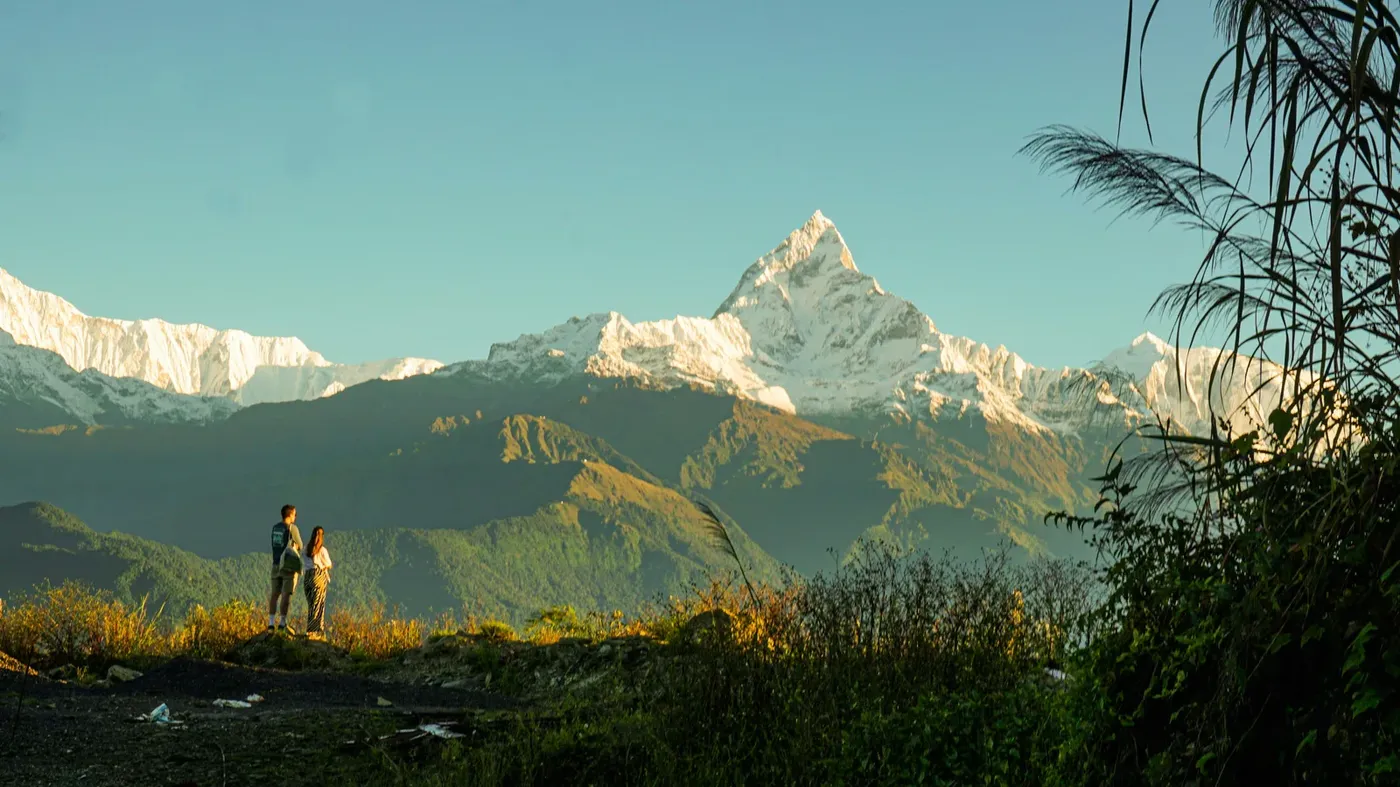
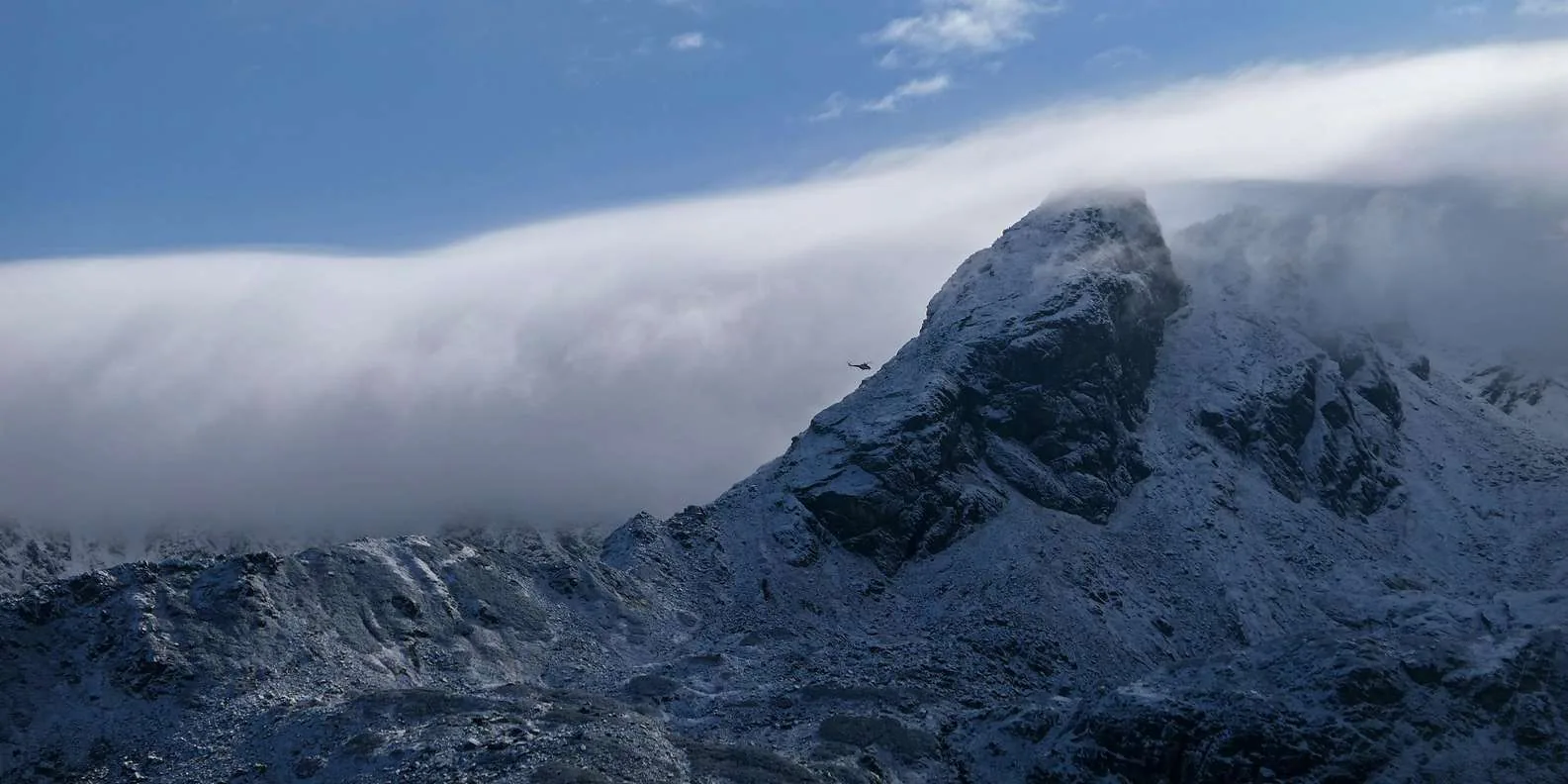
One of the most common concerns we hear from solo travelers is whether flying alone is somehow less safe or less comfortable than flying with companions. The honest answer is that it is neither. The safety of a helicopter flight has nothing to do with how many people you know in the cabin, and everything to do with the operator, the aircraft, the pilot, and the weather.
Here is what we do to keep every passenger safe, whether they are one of five strangers or a family of five:
- Modern, well-maintained aircraft. We fly AS350 B3e and Bell 407 helicopters that are serviced on strict schedules and inspected before every departure. High-altitude performance is a priority because the Everest region demands it.
- Experienced mountain pilots. Our pilots have thousands of hours in the Himalayas and are trained specifically for high-altitude operations, short-field landings, and rapidly changing mountain weather.
- Strict weather discipline. We do not fly in marginal conditions. If the weather at Lukla, Kala Patthar, or the pass is not safe, we delay or reschedule rather than push through. This is the single most important safety decision in mountain flying.
- Weight and balance management. Every passenger is weighed at booking, and the aircraft is loaded to stay within safe limits at altitude. This is non-negotiable and applies to everyone equally.
- Oxygen and briefing. On high-altitude routes we carry supplemental oxygen and brief every passenger on what to expect, including how to recognize mild altitude symptoms.
Comfort is also a non-issue for solo travelers. Every seat on our helicopters is a window seat, so you are never stuck in a middle seat staring at the back of someone's head. The cabin is climate-controlled, and headsets let you hear the pilot's commentary and talk to your fellow passengers. If you are worried about being squeezed between strangers, rest assured the seating is arranged so everyone has a clear view and reasonable personal space.
We also strongly recommend that every traveler, solo or otherwise, carry proper travel insurance that covers helicopter evacuation and high-altitude activities. Our guide to helicopter tour safety and insurance in Nepal explains exactly what to look for in a policy, and it is worth reading before you book.
Meeting Other Travelers on a Shared Flight
For many solo travelers, the shared flight is not a compromise, it is a feature. A solo traveler helicopter tour Nepal puts you in a small cabin with four other people who are just as excited as you are, and the shared experience of seeing Everest for the first time is a genuinely bonding one. We have watched countless strangers exchange contact details on the tarmac at the end of a flight.
There are a few practical ways the shared format helps you connect:
- The pre-flight briefing is a natural icebreaker. Everyone gathers at the airport or hotel before departure, and the shared anticipation makes conversation easy.
- The breakfast stop is social by design. On the Everest Base Camp day tour, the group lands together and eats breakfast at the Everest View Hotel, which is one of the most memorable meals you will ever have and a perfect setting to swap stories.
- You often share the rest of the day. Many solo travelers who meet on a morning flight end up exploring Kathmandu together in the afternoon, or even planning the next leg of their trip together.
- You are never forced to socialize. If you prefer to keep to yourself, that is completely fine too. The flight is short, the views demand your attention, and no one will pressure you to be chatty.
If meeting people is a priority for you, we recommend booking a shared departure on a popular route during the peak season (March to May and October to November), when flights are most likely to be full and the mix of travelers is richest.
The Best Helicopter Routes for Solo Travelers
Not every route is equally well suited to a solo traveler, mostly because of how shared departures are scheduled and how the pricing works out. These are the three routes we recommend most often for people flying alone, in order of popularity.
Everest Scenic Flight (No Landing)
The Everest scenic flight is the easiest and most affordable entry point for a solo traveler helicopter tour Nepal. It is a roughly one-hour round trip from Kathmandu that flies east along the Himalayan chain, past Gauri Shankar, Cho Oyu, and finally Everest itself, before turning back. There is no landing, which keeps the price low and the logistics simple.
For a solo traveler, this route is ideal because shared departures run almost every clear morning in season, so you can usually get a seat on short notice. At $450 to $550 per seat, it is also the cheapest way to see Everest from the air, and the guaranteed window seat means you get the full panorama regardless of where you sit. If you are short on time or budget, this is the route to choose.
Everest Base Camp Day Tour (With Landing)
The Everest Base Camp day tour is the flagship experience and, in our view, the best overall value for a solo traveler who wants the full story. You fly from Kathmandu to Lukla, continue up the Khumbu Valley, and land at Kala Patthar or Everest View, where you step out onto the snow and stand face to face with Everest. The flight then continues to the Everest View Hotel for breakfast before returning to Kathmandu, all in a single morning.
For reference, altitude sickness is the authoritative background on this feature. Worth a look, though the flying decisions are made locally on the day.
At $1,050 to $1,200 per seat on a shared flight, it is more expensive than the scenic fly-by, but the landing is what makes it unforgettable. For a solo traveler, the shared format is a particular advantage here because the breakfast stop and the group dynamic turn what could be a solitary experience into a shared celebration. This is the route we recommend if you are only going to do one helicopter tour in your life.
Muktinath and Annapurna Tour
For solo travelers who want something beyond Everest, the Muktinath tour is our top recommendation. This flight heads west from Pokhara or Kathmandu, crosses the Annapurna range, and lands at Muktinath, a sacred temple at 3,710 meters in the Mustang region that is revered by both Hindus and Buddhists. The flight itself is spectacular, passing over the Kali Gandaki gorge, the deepest in the world, and the Dhaulagiri and Annapurna massifs.
At $900 to $1,100 per seat shared, it sits between the scenic flight and the EBC day tour in price, and it offers a cultural and spiritual dimension that the Everest routes do not. It is also a strong choice for solo travelers who are already in Pokhara, since departures can be arranged from there. The temple landing is a quieter, more contemplative experience than the busy Everest stops, which some solo travelers prefer.
How to Book a Helicopter Tour as a Solo Traveler
Booking a solo traveler helicopter tour Nepal is straightforward, but there are a few steps that matter more when you are traveling alone, particularly around flexibility and confirmation. Here is the process we recommend.
First, decide on your route and your dates, and be honest with yourself about flexibility. Mountain weather is unpredictable, and solo travelers who can shift their flight by a day or two have a much higher chance of flying in clear conditions. If your schedule is rigid, tell us at booking so we can plan around it.
If you are planning this route, these go deeper: Best Time for a Helicopter Tour in Nepal: Month-by-Month Guide, Helicopter Tour Cancellation & Weather Policy in Nepal: What…, and How to Book a Helicopter Tour in Nepal: Complete Guide.
Second, book a shared seat rather than a private charter unless you specifically want the aircraft to yourself. This is the single decision that determines whether you pay around $1,100 or around $5,000 for the same Everest experience. Our full step-by-step walkthrough is in the article on how to book a helicopter tour in Nepal, but the essentials are:
- Provide your weight and passport details accurately. Weight is used for aircraft balance and is a safety matter, not a billing matter. Passport details are required for the national park and airport paperwork.
- Confirm your hotel and pickup. We include hotel pickup and drop-off in Kathmandu on most routes, so give us your accommodation details and we will collect you on the morning of the flight.
- Pay a deposit to secure your seat. A deposit holds your place on a shared departure, with the balance due before the flight. We will confirm your seat and send you the departure time the evening before.
- Stay reachable the night before. Weather calls are often made early in the morning, so keep your phone on and check for messages. If we need to reschedule, we will tell you as soon as we know.
One tip specific to solo travelers: book a day or two earlier than you think you need to. Shared departures fill up in peak season, and having a buffer day means a weather delay does not cost you the whole experience. It also gives you time to meet your fellow passengers and settle into the rhythm of the trip.
Tips for Solo Female Travelers
Nepal is a welcoming destination for women traveling alone, and a helicopter tour is one of the safest and most comfortable ways to experience the mountains. We host many solo female travelers every season, and we have learned what makes the experience smooth and reassuring. Here is our practical advice.
- Choose a reputable, licensed operator. This matters for everyone, but it is especially important when you are traveling alone. Look for a company with a Civil Aviation Authority of Nepal operating certificate, modern aircraft, and clear, responsive communication. Read recent reviews from other solo women specifically.
- Book a shared flight rather than a private one. Beyond the cost savings, a shared flight means you are never alone in the aircraft or at the landing site with only the crew. There is a natural safety in numbers, and the group dynamic is generally warm and respectful.
- Ask about your pilot and crew in advance. We are happy to tell you who will be flying and to answer any questions about the crew and the process. A good operator will never be evasive about this.
- Dress in layers and wear sturdy shoes. The cabin is warm, but the landing sites at Kala Patthar and Muktinath are cold and sometimes snowy. Layers, a warm jacket, gloves, and closed shoes will keep you comfortable when you step out.
- Keep your valuables minimal and secure. You do not need much on the flight itself. Leave your main luggage at your hotel, carry only a small daypack, and keep your passport and phone on you at all times.
- Trust your instincts about the group. If you are ever uncomfortable with a fellow passenger or a situation, tell the crew. We take this seriously and will always accommodate a reasonable request, including moving you to a different departure.
- Share your itinerary with someone back home. Send a friend or family member your flight details, operator name, and expected return time. It is a simple habit that gives everyone peace of mind.
We also encourage solo female travelers to connect with other women on the flight. Many of our female passengers tell us that meeting another solo woman traveler on a shared flight was one of the highlights of their trip, and it often leads to shared onward plans. The helicopter tour community in Nepal is small, friendly, and genuinely welcoming.
Why a Solo Helicopter Tour Is Worth It
Traveling alone does not mean you have to miss the greatest view on Earth. A solo traveler helicopter tour Nepal is affordable, safe, and surprisingly social, and it turns what could be a daunting logistical challenge into a single, unforgettable morning. You pay for one seat, you get a window, you meet people who share your sense of adventure, and you stand at the foot of Everest before lunch.
Whether you choose the quick Everest scenic flight, the full Everest Base Camp day tour, or the spiritual Muktinath journey, the shared-flight model means the Himalayas are within reach for a party of one. We would love to have you on board. When you are ready, start with our guide to booking your helicopter tour, and we will take care of the rest.
Single travellers can join a shared departure — see Everest Base Camp helicopter tour for the seats and dates currently open.