
Everest Scenic Mountain Flight Cost 2026: See Everest in 1 Hour from $260
Not everyone has two weeks to trek to Everest Base Camp. Not everyone even has a single free day. Some travelers land in Kathmandu with a tight connection, a bad knee, a fear of helicopters, or a budget that simply won't stretch to a charter. For all of them, Nepal offers one of the great value experiences in world travel: the Everest scenic mountain flight. One hour in the air, a guaranteed window seat, and the entire central Himalaya sliding past your window — Langtang, Gaurishankar, Cho Oyu, Lhotse, Makalu, and Everest itself, close enough to see the wind tearing spindrift off the summit. In 2026 the Everest scenic mountain flight costs from $260 per person, hotel pickup included, with a Certificate of Achievement handed to every passenger at the end. This guide breaks down exactly what that price covers, what you'll see minute by minute, when to fly, and how the scenic flight compares to the helicopter tours that cost three to fifteen times more.
- 1 hrTotal flight time
- $260Per window seat
- 8,848.86 mHighest peak seen
- 8,849 mEverest, viewed from the air
What Is the Everest Scenic Mountain Flight?
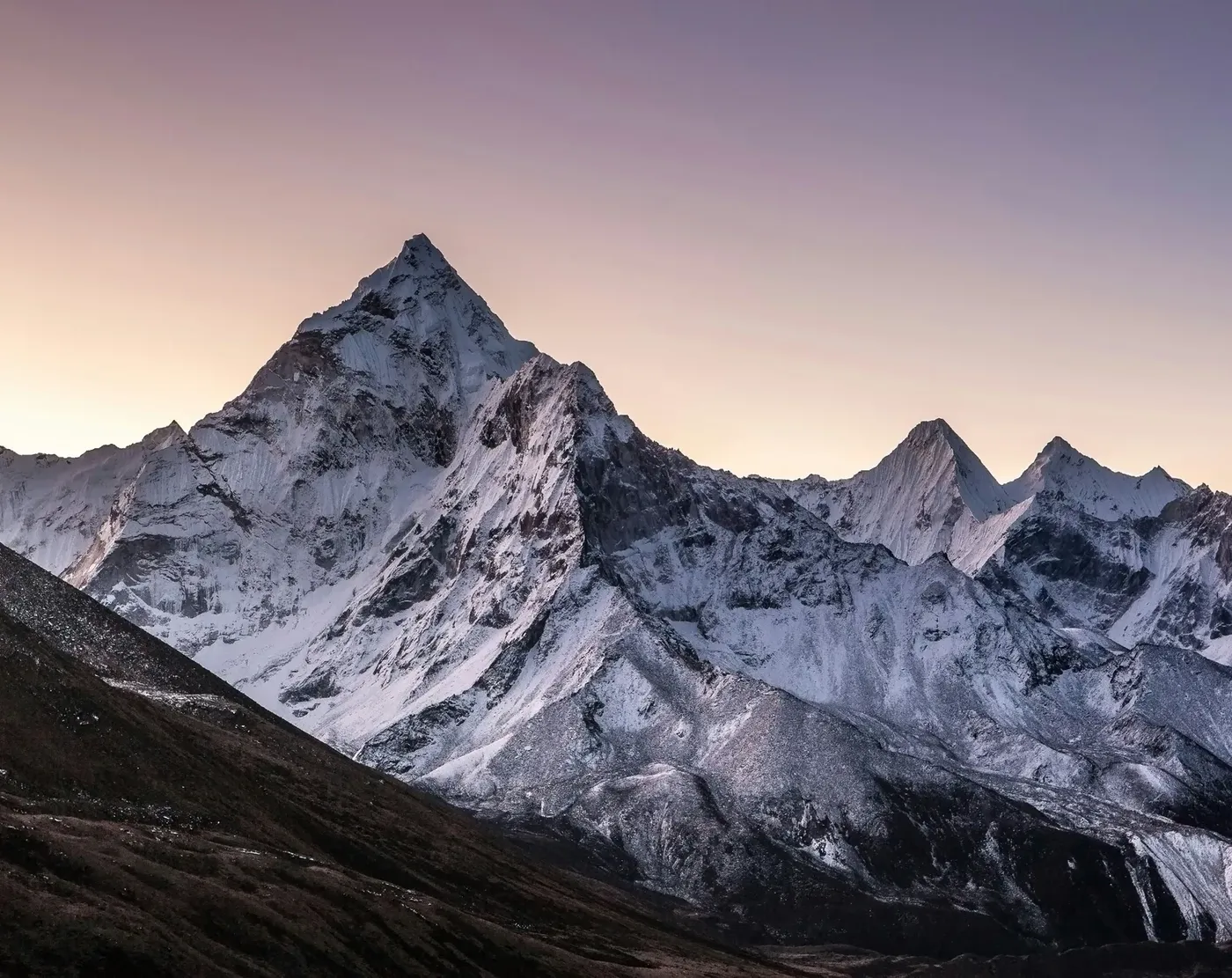
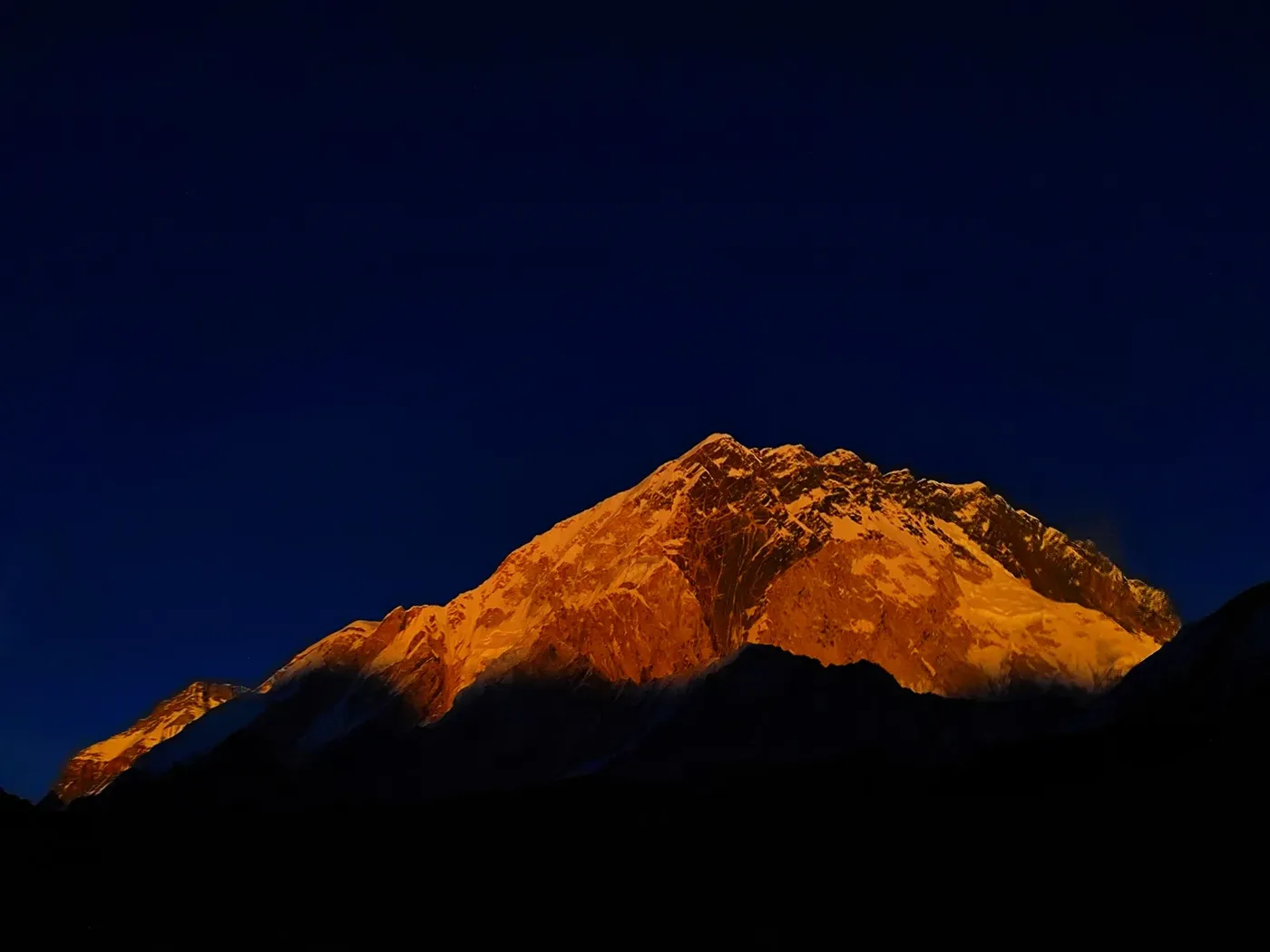
The Everest scenic mountain flight is a one-hour sightseeing flight that departs from Tribhuvan International Airport in Kathmandu every morning. Unlike a helicopter tour, it operates on a fixed-wing aircraft — the same class of plane used for short domestic hops — with every passenger assigned a window seat. The aircraft climbs out of the Kathmandu Valley, turns east along the Himalayan range, and flies a long lateral track that keeps the great peaks on your side of the plane for the entire cruise portion. You never land in the mountains. You never step onto snow. What you get instead is the single best aerial panorama available anywhere on Earth for under $400: more than a dozen of the world's highest peaks in one unbroken sweep, narrated by a guide who knows each summit by name.
The flight has been operating out of Kathmandu for decades and is one of Nepal's most reliable tourism products. It runs in all seasons, it is far less weather-sensitive than helicopter flying (fixed-wing aircraft cruise above the turbulence that grounds helicopters), and it requires zero preparation: no permits, no fitness, no altitude acclimatization, no special insurance. You are picked up from your hotel in Thamel or elsewhere in the valley, driven to the domestic terminal, flown for an hour, and returned to your hotel before lunch. For travelers who want to see Everest without trekking, without flying in a helicopter, and without spending more than the cost of a nice dinner for two, there is no better option in Nepal.
Fixed-Wing vs Helicopter: The Core Difference
This is the most common question we get, so let's settle it up front. A helicopter tour lands — at Everest Base Camp, at Kala Patthar, at Annapurna Base Camp — and can hover, reposition, and wait for clouds to lift. A scenic mountain flight never lands; it is a pure aerial sightseeing circuit. The helicopter puts you on the mountain; the scenic flight puts you in front of the entire range. The helicopter costs $1,260 to $5,500-plus; the scenic flight costs $260. Neither is better in absolute terms — they are different products for different budgets and different dreams. Many of our guests actually do both: the scenic flight on arrival day to orient themselves, and a helicopter day tour later in the trip to stand on the ice.
Everest Scenic Mountain Flight Cost 2026: Full Price Breakdown
The headline number is simple: $260 per person, with a window seat guaranteed for every passenger. That is the complete price for most travelers — there are no hidden add-ons, no permit fees, no fuel surcharges that appear at checkout. Here is what the $260 includes:
The flight itself. One full hour of flying time along the Himalayan range, on a fixed-wing aircraft with a window seat for every passenger. No middle-seat lottery, no paying extra for the window — the seating is arranged so that everyone looks out at the peaks.
Hotel pickup and drop. A private car collects you from your hotel anywhere in the Kathmandu Valley and returns you after landing. Airport transfers in Kathmandu are chaotic and expensive if arranged independently; this removes that friction entirely.
Expert commentary. A knowledgeable guide narrates the flight — identifying peaks, explaining the geology of the range, and pointing out landmarks you would otherwise miss. The commentary turns a pretty view into an education: you learn why the Himalaya is still rising, where the great expeditions went in, and which summits belong to which border.
Certificate of Achievement. Every passenger receives a signed certificate at the end of the flight. It sounds like a small thing, but for many guests — especially children, first-time flyers, and pilgrims who came to pay respects to the mountains — it becomes the most treasured souvenir of the whole Nepal trip.
What is not included: essentially nothing is excluded from the experience itself. Meals are not part of the flight (you'll be back at your hotel in time for breakfast), and personal travel insurance is always recommended for any trip to Nepal, though the flight itself carries no special risk profile.
Why the Price Varies Between Operators
If you search online you will find Everest scenic flights quoted anywhere from $250 to $450. The differences come down to three things: the airline and aircraft used, whether a window seat is genuinely guaranteed or merely promised, and whether hotel transfer and a real guide are included or stripped out to make the sticker price look lower. The $260 fare we quote is the full package — window seat guaranteed, pickup and drop included, live commentary, certificate issued. When comparing quotes, always ask: "Is the window seat guaranteed for every passenger, and is hotel transfer included?" If the answer to either is no, the cheaper price is not actually cheaper — it is a degraded product.
What You'll See: The Route, Minute by Minute
The magic of the Everest scenic flight is the sequence. The aircraft doesn't simply point at Everest and stop; it traces the entire central Himalaya from west to east, building toward the climax. Here is roughly how the hour unfolds.
Minutes 0–10: Climbing Out of Kathmandu
The takeoff from Tribhuvan is an event in itself. As the aircraft climbs, the whole Kathmandu Valley opens beneath you — the dense brick mosaic of the old city, the green terraced hillsides of Shivapuri, the glint of the Bagmati river. On clear mornings you can already see the white wall of the range on the northern horizon. The guide begins the commentary here, setting up the geography: the Himalaya is not one range but a stack of parallel ranges, and the flight will peel them back one by one.
Minutes 10–25: Langtang and the Western Guardians
First contact with the high peaks comes with the Langtang massif — Langtang Lirung at 7,227 metres, Ganesh Himal, and the great bulk of Shisha Pangma, 8,027 metres, the only eight-thousander that lies entirely in Tibet. The aircraft tracks east, and the guide calls out each summit as it appears. This is the section where most passengers stop talking entirely and just press against the glass.
Minutes 25–40: Gaurishankar, Cho Oyu and the Approach to Everest
The range steepens. Gaurishankar — sacred to both Hindus and Buddhists, unclimbed for decades out of religious respect — rises on the border. Then Cho Oyu, 8,188 metres, the sixth-highest mountain on Earth, its flanks broad and white and almost close enough to touch. The light at this hour is at its best: the morning sun rakes across the glaciers and throws the crevasses into sharp relief. This is the prime photography window, and the guide will tell you exactly when to shoot.
Minutes 40–50: Everest, Lhotse, Makalu — The Main Event
And then it appears. Everest — Sagarmatha, Chomolungma — 8,849 metres, the highest point on the planet, visible from the aircraft as a black pyramidal summit trailing a plume of snow from its summit ridge. Beside it, Lhotse, 8,516 metres, connected by the South Col; and further east, Makalu, 8,485 metres, its perfect pyramid one of the most beautiful shapes in the mountains. The aircraft holds its track so that every passenger gets a long, unhurried view. This is the moment people fly from Europe, America and Australia to see — and it lasts not a glimpse but a full ten minutes.
Minutes 50–60: The Turn and Descent
The aircraft turns back toward Kathmandu, and the peaks recede in reverse order, giving you a second chance at any photograph you missed. The descent into the valley is gentle, and by the time you land you will have seen more of the Himalaya than most trekkers see in a week — because trekkers walk inside one valley and see only the peaks above it, while the flight shows you the entire range as a single connected wall.
When to Fly: Best Season for the Everest Scenic Flight
The flight operates year-round, but visibility is everything on a scenic flight, so season matters. The honest breakdown:
September to November (best). Post-monsoon air is scrubbed clean, and autumn offers the most reliable crystal-clear mornings. October and November are the peak months — book early if you're visiting then.
February to May (excellent). Spring mornings are usually clear until mid-morning haze builds. March to May also brings warmer light and the occasional dramatic cloud formation that makes for spectacular photography.
December to January (good, cold). Winter air is often very clear, and the snow coverage on the peaks is at its deepest. Mornings are cold on the tarmac, but the views can be the sharpest of the year.
June to August (monsoon — fly early or wait). The monsoon brings clouds, but even in monsoon there are clear windows in the early morning. Flights that depart at first light frequently get above the cloud layer while the valley below is still socked in. If your dates fall in monsoon, we will always advise you honestly about the odds rather than sell you a flight that will likely disappoint.
One universal rule: the flight always departs early in the morning, because morning air is stable and clear. This is not a scheduling quirk — it is the single biggest reason the flight has such a high satisfaction rate. You are up, over the mountains, and back at your hotel before the day's weather has a chance to form.
Scenic Flight vs Helicopter Tours: Which Should You Choose?
We operate both, so we have no reason to push you toward the more expensive option. Here is the honest comparison.
Choose the $260 Scenic Flight If…
You have limited time in Nepal (even a single free morning is enough). You want to see Everest but your budget is under $500. You prefer fixed-wing aircraft to helicopters, or you simply want the most comfortable, lowest-effort way to see the range. You are traveling with children or older family members who would find a helicopter landing at altitude too much. You want the full-range panorama — the scenic flight actually shows you more distinct peaks than any single helicopter route.
Choose a Helicopter Tour If…
You want to land — to stand at Everest Base Camp, to have breakfast on the glacier, to touch the snow. The Everest Base Camp Helicopter Day Tour from $1,260 lands you at Kala Patthar with breakfast at Everest View Hotel and returns to Kathmandu by lunch. The Private Everest Helicopter Charter gives your group the entire aircraft, flexible timing and a quote on request. And if your real dream is trekking up and flying back, the Everest Base Camp Helicopter Trek from $1,840 combines the classic trail with a helicopter exit. For the full cost picture on the flagship route, see our Everest helicopter charter cost guide.
The Honest Middle Ground
Many guests book the scenic flight first and decide on the helicopter once they've seen the mountains from the air. The scenic flight answers the question "do I want to be down there?" — and for a surprising number of people, seeing the range from the air is the complete experience they needed. There is no shame in that; it is one of the best hours of travel available anywhere at any price.
Who Is the Everest Scenic Flight Perfect For?
Business travelers and short-stay visitors. In Kathmandu for a conference or a stopover? The flight takes one morning, door to door, and delivers the single most memorable hour of any Nepal itinerary.
Trekkers before or after their trek. Flying the range before you walk into it gives you a map in your head — you'll recognize summits from the trail that would otherwise be anonymous. After the trek, it is the perfect farewell.
Families with children. The flight is safe, short, comfortable, and the certificate makes kids feel like explorers. It is one of the few Everest experiences that works for every age.
Pilgrims and spiritual travelers. For many Hindus and Buddhists, seeing the great peaks — especially sacred Gaurishankar and Everest itself — is an act of devotion. The flight makes that darshan possible without the physical demands of a mountain journey.
Photographers. A window seat, morning light, and ten uninterrupted minutes in front of Everest make this one of the best aerial photography platforms in the world. Bring your longest lens and a polarizer if you have one.
Practical Details: Everything You Need to Know Before You Fly
What Time Should I Be Ready?
Hotel pickup is typically between 6:00 and 7:00 AM depending on the season's departure slot. You'll be back at your hotel by 9:30–10:00 AM. Plan nothing else for the morning except breakfast when you return.
What Should I Bring?
Your camera or phone (fully charged), sunglasses, and a light jacket — the aircraft cabin is comfortable but the tarmac is cool in winter. Leave large bags at the hotel; you only need what fits on your lap or under the seat.
Which Side of the Aircraft Do the Peaks Appear On?
The flight is planned so that the mountains are visible from every window seat — the track and the seating are arranged together precisely so no passenger gets a blank view. This is one of the reasons we insist on the window-seat-guaranteed product rather than cheaper alternatives.
What If the Weather Is Bad on My Day?
If visibility is poor, the flight is rescheduled to the next clear morning at no extra cost — never flown into murk just to keep the schedule. If your itinerary doesn't allow a rebook, we refund. We would rather lose a flight fee than have you fly for an hour and see nothing.
Is It Safe?
The scenic flight operates on scheduled domestic aircraft maintained under Civil Aviation Authority of Nepal (CAAN) standards, flown by airline captains with thousands of hours on these routes. The route itself stays well clear of terrain — you are always looking at the peaks from a safe lateral distance, never flying into the valleys. Weather is assessed before every departure, and the flight is only operated in conditions suitable for sightseeing.
How to Book the Everest Scenic Mountain Flight
Booking is simple and can be done as little as a day or two before your preferred flight date, though in peak season (October–November, March–May) we recommend reserving 1–2 weeks ahead to guarantee your morning slot. The process:
1. Tell us your dates. Send us your preferred morning and your hotel location via the contact page. We confirm availability the same day.
2. We confirm and arrange pickup. You receive written confirmation with your pickup time, what to bring, and the flight details. A small deposit secures the seat; the balance is payable in Kathmandu.
3. Fly. Your driver collects you from the hotel, the flight does its hour above the Himalaya, and you're back in time for a late breakfast — certificate in hand.
Because we are a Kathmandu-based operator, we handle everything locally: no international payment complications, no third-party markups, and a real person in Thamel you can message the evening before if anything changes.
For reference, Everest (8,848.86 m) is the authoritative background on this feature.
Pair this with Buddha Air Mountain Flight 2026: Price, Seats and the Local Rate, Everest Mountain Flight Cost 2026: Price, Airlines, Nepali Rate…, and Everest Scenic Mountain Flight vs Everest Helicopter Tour….
Frequently Asked Questions
How much does the Everest scenic flight cost in 2026?
From $260 per person, including the one-hour flight, guaranteed window seat, hotel pickup and drop, expert commentary, and the Certificate of Achievement. That is the full price — no hidden fees.
Do I actually see Mount Everest?
Yes — on any flight that operates in clear conditions, Everest is visible for approximately ten minutes alongside Lhotse, Makalu, Cho Oyu and the full central range. If conditions won't allow the views, the flight is rescheduled or refunded rather than operated.
Is the scenic flight better than the helicopter tour?
Different, not better. The scenic flight shows you more peaks for less money ($260 vs $1,260+) but never lands. The helicopter lands at Everest Base Camp and Kala Patthar. If you can only afford one experience under $500, the scenic flight is the best value in Nepal. If landing on the glacier is your dream, choose the helicopter day tour.
Can children fly?
Yes. The flight is suitable for all ages — it is a smooth, pressurized, one-hour sightseeing flight with no altitude exposure for passengers. Children receive their own certificate.
What happens if my flight is cancelled by weather?
You are rebooked on the next clear morning at no cost, or refunded in full if your schedule doesn't allow. Weather cancellations are most common in the monsoon months (June–August) and rare in peak season.
Do I need travel insurance for the scenic flight?
Standard travel insurance covering Nepal is recommended for every trip, but the scenic flight requires no special high-altitude or helicopter-evacuation rider — you remain at cabin altitude the entire time.
The Bottom Line
The Everest scenic mountain flight is the most accessible way to see the highest mountains on Earth. One hour, $260, a guaranteed window seat, and a view that trekkers spend two weeks and thousands of dollars to earn a fraction of. It runs every clear morning of the year, it asks nothing of you in terms of fitness or preparation, and it delivers the single most concentrated dose of Himalaya available anywhere. Whether it is your only Everest experience or the opening act before a helicopter landing on the glacier, it is an hour you will talk about for the rest of your life.
We are Enticing Himalayas Travel, a Kathmandu-based, government-licensed operator, and we book this flight for our guests every week of the year.
If what you actually need is the number — the fare for each airline side by side, the Nepali-citizen and Indian rates, and how booking works — the Everest mountain flight cost and price guide breaks every 2026 fare down airline by airline. This page covers what the flight feels like; that one covers what it costs.
Send us your travel dates and we will confirm your morning slot, arrange your pickup, and make sure you're on the right side of the aircraft when Everest appears.