

Short answer: Everest Base Camp helicopter tour packages differ in exactly two things — whether the aircraft lands at 5,545 m (Kala Patthar) or only at 3,880 m (Everest View Hotel), and whether you sleep in the mountains or fly home the same morning. A shared seat with a Kala Patthar landing is from $1,260 per person and takes 5–6 hours door to door; chartering the whole five-seat H125 is from $4,500 per aircraft; the two-day version with a night at the Everest View Hotel and a Kala Patthar landing the next morning is quoted per group. Everything else in the brochure — the flight path, the breakfast, the window seat — is the same on all of them.
- $1,260Shared seat, Kala Patthar landing
- 5,545 mHighest landing altitude
- 5–7 hrsTypical door-to-door time
- 1–2 daysLength of any package sold
Every Kathmandu operator advertising an “Everest Base Camp helicopter tour” is selling one of four products that look almost identical in the ad and behave very differently in the air. The price gap between them — roughly $1,300 to $4,500 — is not commission, comfort or photography. It is the landing altitude, the aircraft you occupy, and whether the mountain gets a morning or a night. This page breaks the four down by what you actually get, so the quote you accept matches the experience you expect.
What “Everest Base Camp helicopter tour packages” really means
The route is fixed by geography and aviation rules: out of Kathmandu, east past the Kathmandu Valley rim, along the Dudh Koshi valley, a refuelling stop at Lukla (2,845 m) in most cases, then up the Khumbu past Namche, Tengboche and Pheriche to the Everest massif. Every operator flies that same corridor, early in the morning, because by 10 a.m. the valley wind and cloud make the passes unreliable. Where the products divide is at the top: does the helicopter put you on the ground at 5,545 m, or does it circle the Base Camp and Khumbu Glacier and land you lower, at the Everest View Hotel at 3,880 m?
That single decision changes the product more than any other. A landing at Kala Patthar puts you higher than most trekkers who spent twelve days walking to get there. A landing at Syangboche, where the Everest View Hotel stands, puts you at a comfortable 3,880 m with a seated breakfast and a view of the summit — but your boots never touch anything above that.
The four packages side by side
| Package | Time | Highest landing | Sleep in mountains | From |
|---|---|---|---|---|
| Flyover + Everest View Hotel Aerial view of Base Camp, breakfast at 3,880 m, no high landing | 5–6 hrs | 3,880 m | No | $1,300–1,400 market |
| Kala Patthar landing Ground time at 5,545 m, then breakfast at the Everest View Hotel | 5–6 hrs | 5,545 m | No | $1,260 |
| Private charter The whole aircraft, your date, your stops, up to five passengers | 5–6 hrs | 5,545 m | No | $4,500 / aircraft |
| Two-day Everest View stay Overnight at 3,880 m, Kala Patthar landing the next morning | 2 days | 5,545 m | Yes — 1 night | On request |
Two of those rows are ours and are bookable today: the Kala Patthar landing day tour and the private Everest charter. The two-day hotel stay has its own page — Everest View Hotel helicopter tour, 2 days.
Package 1 — flyover with an Everest View Hotel landing
This is the cheapest version sold in Kathmandu and the one most Facebook ads illustrate. You fly the full Khumbu corridor, the pilot banks so both sides of the cabin see the Everest pyramid, Lhotse and Nuptse, you look down on Base Camp and the Khumbu Glacier — and then the aircraft lands at Syangboche, at 3,880 m, beside the Everest View Hotel, for breakfast. You are on the ground at high altitude for twenty minutes, at a hotel with oxygen and heating, and then you fly home.
It is a genuinely good morning for anyone who wants the photographs without the altitude. It is not the same product as a Kala Patthar landing, and the advertising rarely makes that clear. If the price looks $200 cheaper than everything else, check the landing altitude on the itinerary before you pay — it is usually 3,880 m, not 5,545 m.
Package 2 — the Kala Patthar landing at 5,545 m
Kala Patthar is the rocky shoulder above Gorak Shep that gives the classic postcard view of Everest, and it is the highest point a helicopter can put a tourist in Nepal. The aircraft lands there, you step out with the summit filling the frame, and you have roughly ten to fifteen minutes on the ground — deliberately short, because that is the window in which almost nobody develops symptoms of acute mountain sickness.
Our one-day Everest Base Camp helicopter tour is this package: hotel pickup in Kathmandu around 5:30 a.m., a refuel stop at Lukla, the landing at Kala Patthar, breakfast at the Everest View Hotel on the way back, and a return to your hotel before lunch, from $1,260 per person on a shared flight. In practice that makes it cheaper than the flyover-only product most operators sell at $1,350–1,500, which is worth knowing when you are comparing quotes — the cost breakdown by aircraft and season is in our Everest helicopter cost guide.
Package 3 — the private charter
A shared seat means the aircraft leaves when the group is full and the operator is ready. A charter means the H125 is yours: your date, your pickup time, your stops, up to five passengers, and the freedom to sit at the landing for longer or add a second stop. For a family of four or five the arithmetic often flips — $4,500 across five people is $900 each, below any individual seat price, with none of the shared-flight compromises.
The private Everest helicopter charter runs the same corridor with the same landings, and it is the version photographers and film crews book, because the aircraft holds its position where you ask it to instead of following a group schedule.
Package 4 — two days, with a night at 3,880 m
The two-day product exists for one reason: sunrise. Instead of an early flight and a rushed landing, you fly to Syangboche in the afternoon, sleep at the Everest View Hotel at 3,880 m, and wake up above the cloud line with Everest lit from the east. The second morning carries the Kala Patthar landing before you return to Kathmandu.
It is also the only version that gives your body time to notice 3,880 m before you add another 1,600 m on top, which matters if you are travelling with older parents, teenagers, or anyone whose reaction to altitude is unknown. The trade-off is cost and logistics: an overnight at a hotel with a handful of rooms, a second flight day, and a schedule that depends on two mornings of weather rather than one. Full itinerary and inclusions are on the two-day Everest View Hotel page; what the hotel itself costs, and what breakfast at 3,880 m adds, is covered in the Everest View Hotel guide.
What the “5–6 hours” and “6–7 hours” labels mean
Neither figure is flight time. Flight time from Kathmandu to the Khumbu and back, including the Lukla refuel and the landings, is typically between two and two and a half hours. The rest is what the operator counts around it: hotel pickup, the weight and safety briefing at the helipad, waiting for the morning weather window, the ground time at each landing, breakfast at the hotel, and the drive back.
The reason one operator advertises 5–6 hours and another 6–7 is usually the order of stops. A flight that goes Kathmandu → Lukla → Kala Patthar → Everest View Hotel → Kathmandu carries one more landing and one more takeoff than a flight that goes Kathmandu → Lukla → Everest View Hotel → Kathmandu. Ask which landings are included, in what order, and whether breakfast is a stop or a flyover — that question separates real products faster than any price comparison.
Altitude: what 3,880 m and 5,545 m actually feel like
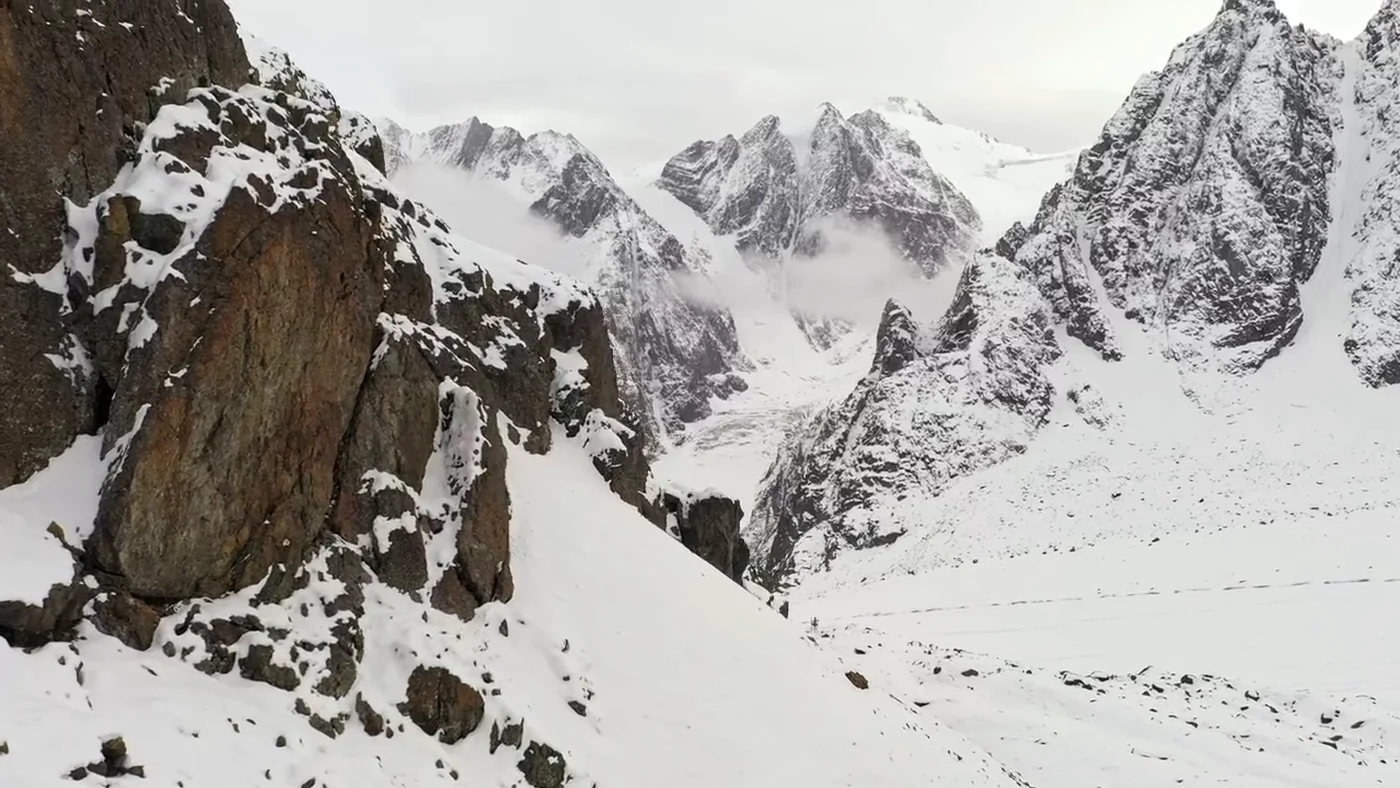
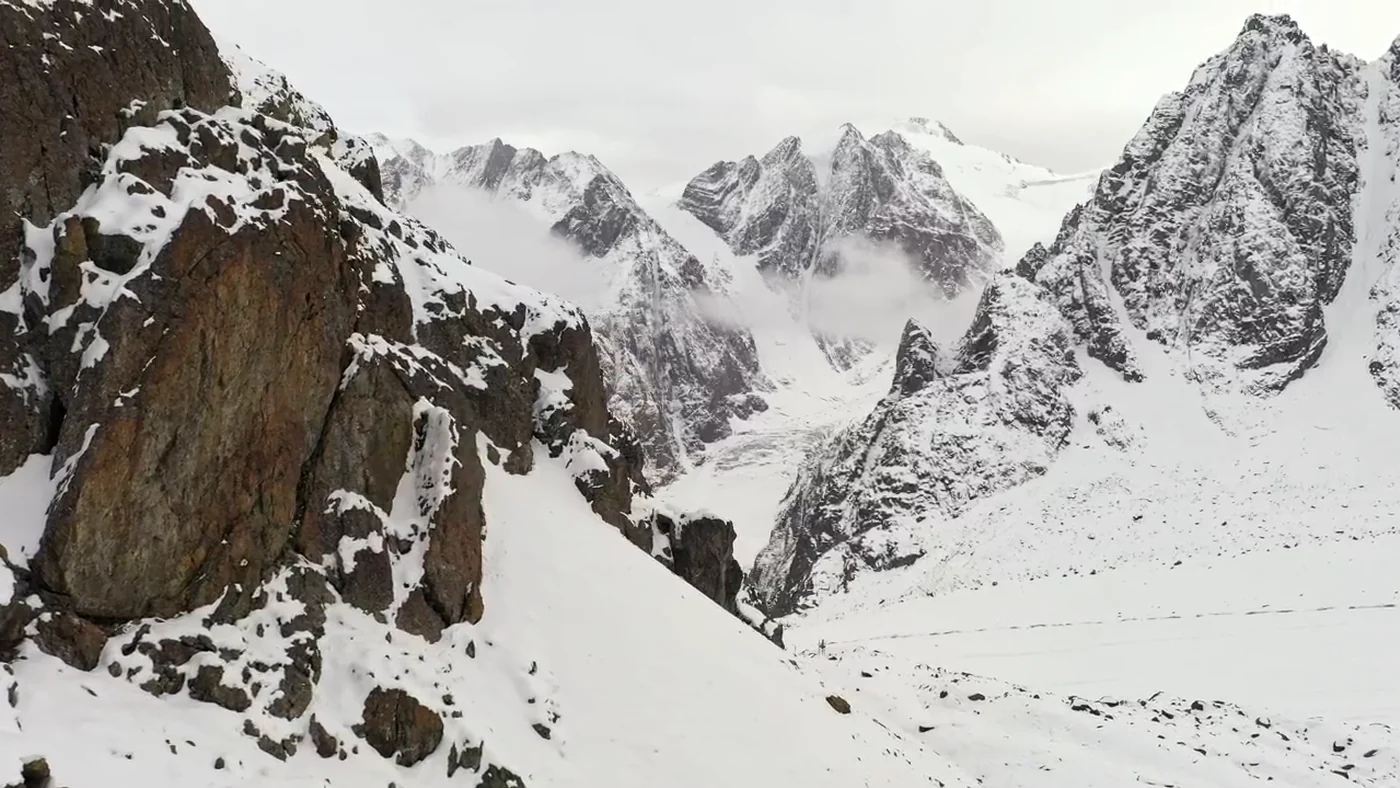
At 3,880 m — the Everest View Hotel — the air holds roughly 62% of the oxygen available at sea level. Most healthy adults notice it only as breathlessness on stairs, and the hotel keeps oxygen on hand. At 5,545 m, on Kala Patthar, the figure is closer to half, the wind is usually above 20 km/h, the temperature is below freezing for much of the year, and the correct behaviour is to stand still, breathe slowly, take the photograph and get back in the aircraft. Ten to fifteen minutes is the right amount of time; nobody acclimatises on a day flight, and no operator should offer longer.
This is why the day flight is not a substitute for a trek and should not be sold as one. It is the highest look at Everest available to someone with a spare morning — not a route to Base Camp on foot. The altitude profile of the whole Base Camp route explains what those metres do to a body that walks instead of flies.
What should be in the price, and what usually is not
Included in a properly quoted package: the helicopter and pilot, all landing and helipad fees, the Sagarmatha National Park entry and Khumbu local permit, in-flight oxygen and a medical kit, hotel transfers in Kathmandu, and the ground handling at every stop. Excluded, on almost every quote in the market: breakfast at the Everest View Hotel (roughly NPR 4,600 per person, paid at the hotel), travel and evacuation insurance, and any extra landing you add on the day.
Two exclusions deserve attention. First, weight: helicopters are weight-and-balance machines, and passengers above roughly 100 kg are normally asked to pay for a second seat. Second, insurance: a day flight does not require evacuation cover, but if you are continuing to a trek afterwards, high-altitude evacuation insurance is not optional — helicopter rescue in the Khumbu runs into thousands of dollars and the policy has to be bought before you fly.
Weather, season and why every flight leaves before 7 a.m.
The Khumbu has two reliable windows: late September to November, after the monsoon clears, and March to May, before it returns. December to February is colder but often the clearest and quietest of the year; the trade-off is ice on the landing sites and more weather cancellations. June to early September is monsoon — cloud sitting in the valleys, flights cancelled for days at a time, and no sensible reason to book a helicopter.
Within any of those windows, the daily pattern is the same. Valley cloud builds through the morning and the passes become unsafe; the wind at Kala Patthar picks up by mid-morning. Every operator therefore flies at first light and every itinerary begins with a pickup between 5 and 6 a.m. If a quote offers a 10 a.m. departure in peak season, ask what happens when the cloud arrives first. Month-by-month flying conditions are in our best time to fly guide.
Which package fits which traveller
Solo traveller or a couple, one free morning: the shared seat with the Kala Patthar landing. You get the highest ground available for less than most operators charge for the lower landing.
Family or group of four to five: the charter, once you divide $4,500 by the seats. You control the departure time, the stops and how long you stay.
Travelling with older parents, or unsure about altitude: the two-day version. One night at 3,880 m before the high landing is the gentlest way to see the summit up close.
Photographer or film crew: the charter, with a briefing to the pilot before departure about which side of the aircraft you need over Base Camp on the return leg.
Booking mistakes that cost people the mountain
No buffer day. Weather cancels flights; the operators who refund do so, but the traveller who booked a flight home the same evening loses the tour. Keep the next morning free.
Assuming the landing is guaranteed. It is guaranteed as a booking, but aviation authorities and the pilot decide on the day. If Kala Patthar is closed by wind or snow, the flight lands lower — check the operator’s policy before paying, not after.
Not asking about the permit. The Khumbu permit and national park entry must be arranged for the landing; a suspiciously cheap quote usually excludes them.
Booking the cheapest seat without checking the aircraft. Ask for the type. The H125 (AS350 B3) is the standard Khumbu machine and the type that has landed on the Everest summit; a smaller or older aircraft changes the group size and the luggage allowance.
Frequently asked questions
How much does an Everest Base Camp helicopter tour cost in 2026?
A shared seat with a Kala Patthar landing starts at $1,260 USD per person. Flyover-only packages that land at the Everest View Hotel (3,880 m) are typically sold at $1,300–1,500. A private charter of the whole five-seat H125 starts at $4,500 per aircraft, and the two-day version with an overnight at the Everest View Hotel is quoted per group.
What is the difference between the cheap and expensive Everest helicopter packages?
Two things: the altitude you land at and whether you sleep in the mountains. Cheap packages fly over Base Camp but land only at the Everest View Hotel at 3,880 m. The more expensive ones put you on the ground at Kala Patthar, 5,545 m. The two-day package adds a night at 3,880 m so you get a sunrise and a gentler altitude profile.
Do I need to be fit to take a helicopter tour to Everest Base Camp?
No trekking and no fitness test. You walk a few dozen metres from the aircraft to the viewpoint at Kala Patthar. What matters is your health at altitude: the tour is not suitable for pregnant women, or for people with heart, respiratory or mobility conditions, vertigo, or a heavy cold on the day.
How long do you actually spend at Kala Patthar?
Ten to fifteen minutes on the ground. That is deliberate: at 5,545 m it is long enough for the view and the photographs and short enough that almost nobody develops altitude symptoms. Supplemental oxygen is carried on board on every flight.
Is the landing at Kala Patthar or Base Camp guaranteed?
The booking is guaranteed; the landing site is decided on the day by the pilot and aviation authorities based on wind, cloud and snow. If Kala Patthar is not available, the flight lands at the Everest View Hotel instead, and the operator should tell you in advance how the price difference is handled.
Can I fly to Everest Base Camp in winter?
Yes. December to February is cold, with temperatures well below freezing at the landing sites, but the skies are often the clearest of the year and the region is quiet. Ice and wind cause more cancellations than in spring or autumn, so keep a buffer day.
What is the maximum weight for the helicopter?
Most operators ask passengers above roughly 100 kg to book a second seat for weight and balance. Total luggage is limited to a small day bag — this is a flight, not a trek, and there is no hold.
What is included in the price?
Helicopter and pilot, landing and helipad fees, Sagarmatha National Park entry, the Khumbu local permit, in-flight oxygen and medical kit, and hotel transfers in Kathmandu. Breakfast at the Everest View Hotel is usually paid separately, and travel and evacuation insurance is never included.
Is a two-day helicopter tour better than the one-day version?
It is better for sunrise, for photography, and for anyone who wants a gentler altitude profile — one night at 3,880 m before the 5,545 m landing. It is worse for time and budget: two flight days, hotel availability, and two mornings that both need to be flyable.
What time does the tour start and finish?
Hotel pickup is typically between 5 and 6 a.m. You are back in Kathmandu by late morning, usually between 10:30 and 12:30 — roughly five to seven hours door to door depending on the number of landings and the morning’s weather.
Sources and further reading
The altitude and geography figures here follow the Mount Everest and Kala Patthar references, and the protected-area rules for the Khumbu follow the UNESCO listing for Sagarmatha National Park. For trekking permits and current park fees, the Nepal Tourism Board publishes the official position.
If you are comparing this with walking, the honest numbers are on our helicopter versus trek comparison; if you are planning a winter departure, the trek-up, fly-back route covers fourteen days on foot with a helicopter return.