
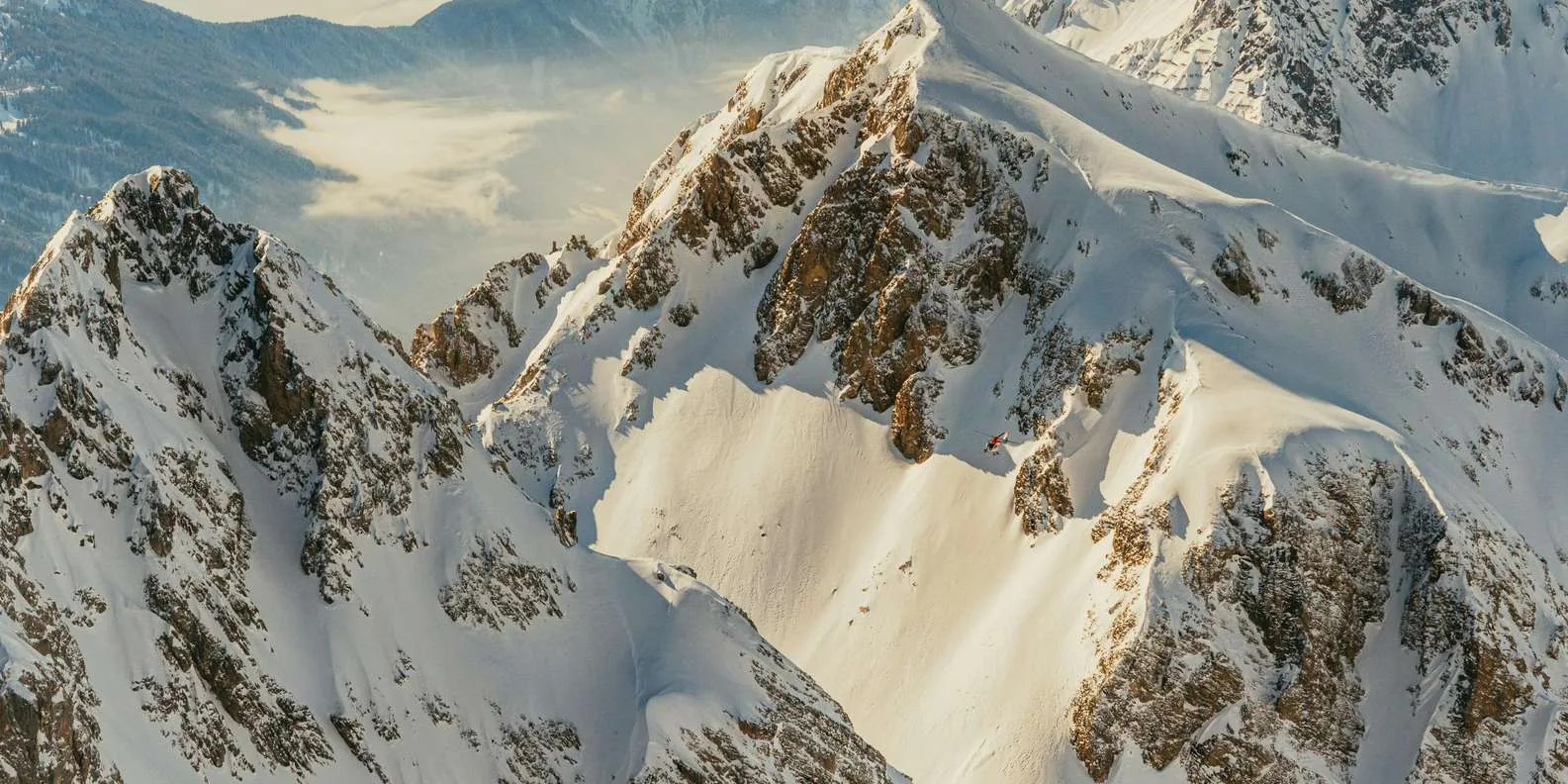
The Everest Mountain Flight: Nepal's Most Affordable Himalayan Experience
Every morning between 6:30 and 9:30, a fleet of specially configured aircraft lifts off from Kathmandu's domestic terminal and flies a one-hour loop along the Himalayan crest. An hour later they land again, carrying passengers who have seen Mount Everest, Lhotse, Makalu, Cho Oyu and two dozen other named peaks — without trekking, without altitude risk, and without spending more than a hotel night in Kathmandu. This is the mountain flight, and at $260 it is the most affordable legitimate Everest experience in Nepal.
- 1 hrTotal flight time
- $260Per window seat
- 8,848.86 mHighest peak seen
- 8,849 mEverest, viewed from the air
We have booked mountain flights for travelers since 2012, alongside our helicopter tours. This guide explains exactly what the flight is, what it costs (including the reduced Nepali-citizen rate), which airline to choose, when to fly, and when a helicopter tour is the better call.
What the Mountain Flight Actually Is
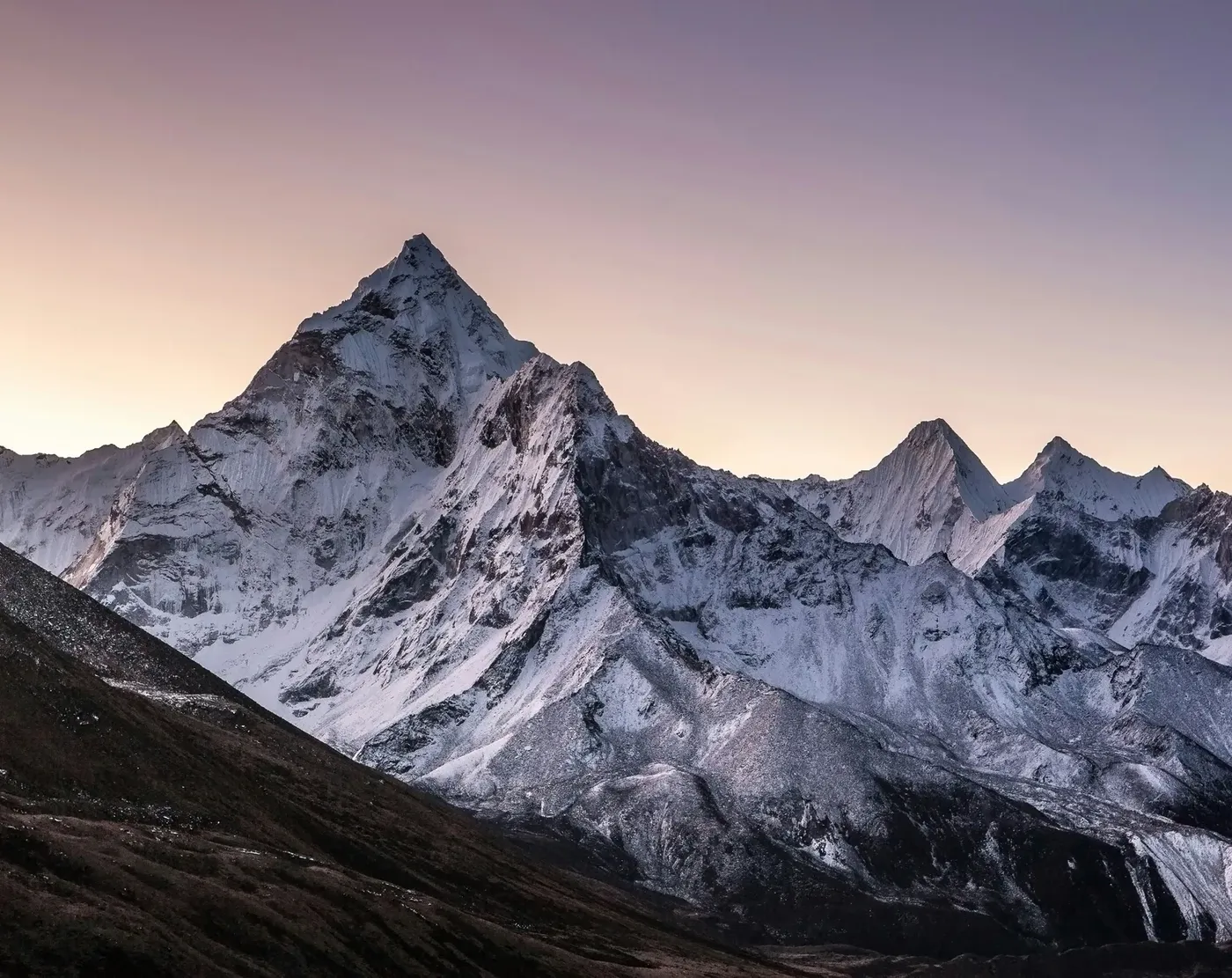
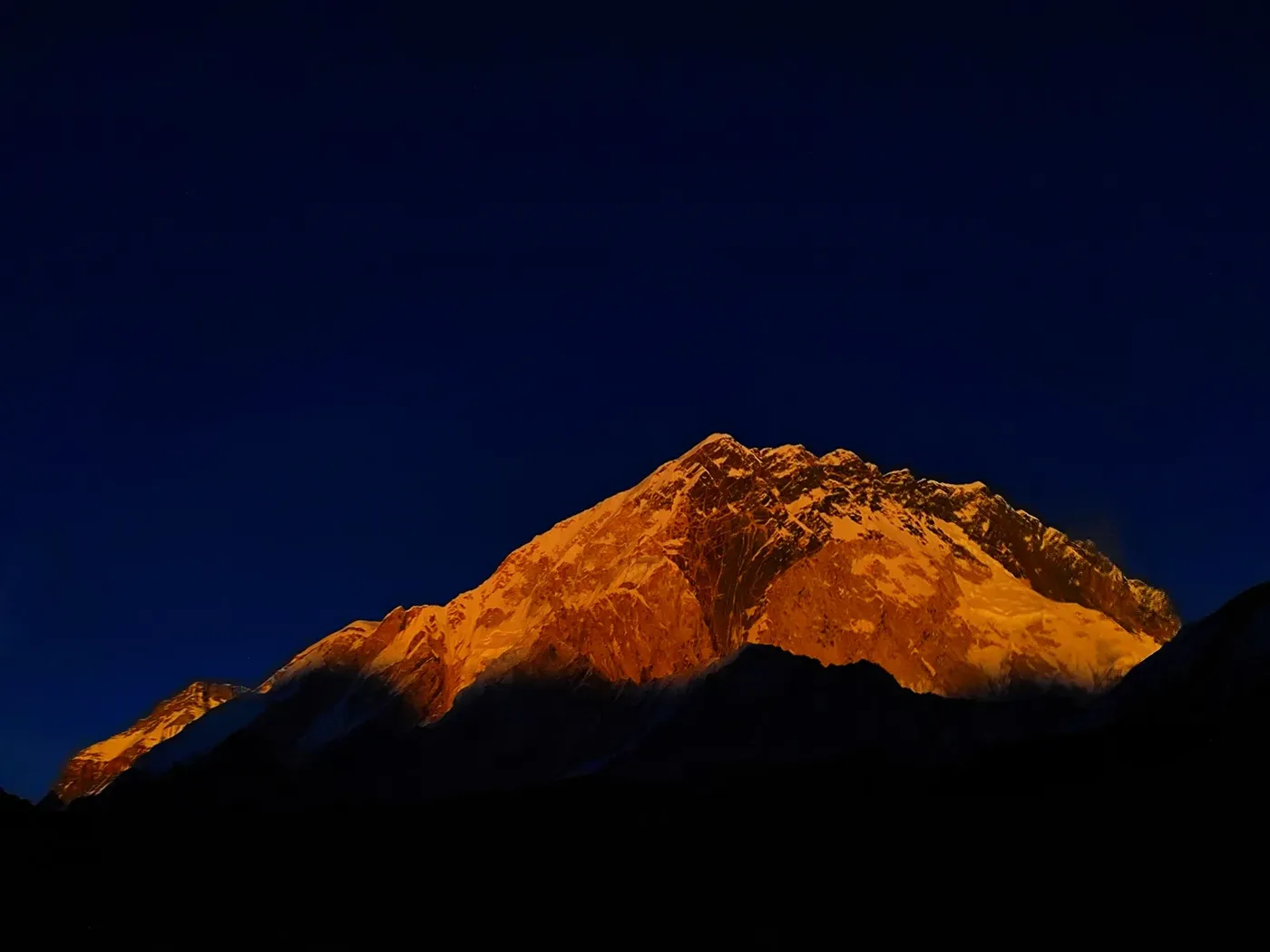
The mountain flight is a fixed-wing scenic flight — not a helicopter. Buddha Air and Yeti Airlines operate it daily with Beechcraft 1900D and ATR-72 class aircraft. The airlines block out one side of the cabin so every passenger has a window seat: the aircraft flies up one side of the Himalayan range and returns along the other, banking through the turns so both sides of the cabin get clear views. There is no middle seat on a mountain flight. If you are seated left on the outbound leg, you will be effectively seated right on the return.
The flight path leaves Kathmandu heading north-east, crossing the hills of the middle region before climbing parallel to the Himalayan wall. The captain acts as narrator, announcing each peak over the PA as it comes into frame: Langtang Lirung, Dorje Lakpa, Gauri Shankar, Melungtse, Cho Oyu, Gyachungkang, Pumori, Nuptse, Lhotse — and then Everest itself, its summit pyramid unmistakable even among neighbours that are nearly as high. The aircraft does not cross the range into Tibet; it flies alongside the Nepali side, close enough that peaks fill the windows from wing to wing.
Total flight time is about 60 minutes. With hotel pickup roughly 90 minutes before departure, airport check-in, security, boarding, and the drive back, the whole experience takes about 3.5 hours door to door. You will be back at your hotel before lunch.
What the Mountain Flight Costs in 2026
The mountain flight fare in Nepal depends on which airline you fly, which departure you take, and whether you qualify for the Nepali citizen rate. Foreign visitors typically pay $220–$260 for the one-hour return flight — Buddha Air at $235, Shree Airlines at $230, and Yeti Airlines from about $200, with the premium first-light departures at the top of that range. Indian and SAARC nationals pay an INR rate, and Nepali citizens a much lower NPR fare; the full breakdown by airline is in the table below.
The standard foreigner price starts at $260 per person for the premium window configuration, with economy window seats available from around $220 depending on airline and season. That price includes the guaranteed window seat and the airline's certificate of achievement — a printed souvenir that every passenger receives after landing, a small ritual that has been part of the mountain flight tradition for decades.
The 2026 Price Table, Airline by Airline
These are the published 2026 fares for the one-hour scenic flights out of Kathmandu. The airlines revise the Nepali-rupee local rates each season; the foreigner rates move far less often.
| Airline | Foreigner (USD) | Indian / SAARC (INR) | Nepali Citizen (NPR) | Flight Duration |
|---|---|---|---|---|
| Buddha Air | $235 | INR 8,610 | NPR 13,776 | ~1 hour |
| Shree Airlines | $230 | seasonal | NPR 15,000 | ~50 minutes |
| Yeti Airlines | $200–300 | seasonal | seasonal | ~1 hour |
Children pay reduced fares on most operators — typically around half the adult fare for under-12s, with lap-seated infants charged a nominal amount. Confirm the child fare for your date when you book; it varies by airline and is revised with the seasonal rates.
How the Local Rate Works
The reduced Nepali-citizen and SAARC rates are the airlines' own pricing, not a discount we negotiate. To check in at the local rate you present a Nepali passport or citizenship certificate (SAARC nationals present their passport). The airlines publish the NPR figure each season and honour it at their own counters — booking through us costs no extra service charge, so Nepali and Indian travellers get the same saving either way. Foreigners cannot access the local rate: the discounted ticket requires the Nepali or SAARC document at check-in, and the airline re-checks it at the gate.
The price does not include hotel pickup (we arrange that as part of our booking service), and it does not include the domestic terminal's modest departure procedures — there is no separate airfare tax for foreigners on scenic flights.
The Nepali-Citizen Rate
Nepali citizens and SAARC nationals pay significantly lower local rates on both airlines. The airlines revise these local rates each season and publish them in Nepali rupees. If you hold a Nepali or SAARC passport, contact us and we will book the local-rate ticket for you at no extra service charge — the saving is usually substantial, and the seats are the same ones foreigners pay the full rate for.
What Drives the Price
Three things move mountain flight prices: the airline (Buddha Air's Beechcraft 1900D premium rows cost more than standard rows), the season (clear-season mornings in October–November and March–May book out earliest), and how early you book. Last-minute seats on a clear October morning exist, but the best rows go to travelers who book days or weeks ahead.
Which Airline to Choose: Buddha Air, Shree and Yeti
Both airlines fly the same corridor at the same altitudes with the same window-seat guarantee, so the honest answer is that the mountain itself does not care which logo is on the tail. The differences are practical:
- Buddha Air flies the Beechcraft 1900D — a 19-seat turboprop with genuinely big windows relative to cabin size, high-winged so the view is unobstructed, and universally regarded as the classic mountain flight aircraft. Their "Everest Experience" flight is the one most photographers choose.
- Yeti Airlines flies ATR-72 class aircraft — larger, more cabin space, seat rows further from the window glass. The view is the same mountains; the window geometry is slightly less intimate.
- Shree Airlines is the third scheduled option, and the one to ask about if you want the widest single sweep of peaks: it advertises a higher cruising ceiling and a shorter cruise of roughly fifty minutes. Its foreigner fare is the lowest of the three while its Nepali-citizen fare is the highest, so which airline is cheapest depends on the passport you hold; the exact figures are in the price table above.
- Departure timing shifts between airlines and seasons — both fly in the 6:30–9:30 window, and both are subject to the same morning weather rules.
Our default recommendation for photographers and first-time visitors is the Buddha Air Beechcraft. For travelers who prioritize a lower fare and don't mind a larger cabin, Yeti is a perfectly good second choice. We book both, and we will tell you honestly which has better availability for your dates.
| Airline | Aircraft | Duration | Price from | Best for |
|---|---|---|---|---|
| Buddha Air | Beechcraft 1900D (19 seats) | ~60 min | $260 premium / ~$220 standard | Photographers, best window geometry |
| Yeti Airlines | ATR-72 | ~60 min | ~$220 standard | Budget travellers, larger cabin |
| Heli day tour (landing) | Airbus H125 helicopter | Full day | $1,260 per person | Landing at Kala Patthar + Everest View Hotel breakfast |
| Private heli charter | Airbus H125 (your group only) | Full day | Custom quote | Families, celebrations, flexible schedule |
The Route, Peak by Peak
The flight corridor is not a mystery — the airlines have flown the same track for decades, and knowing what is coming makes the flight better. In rough order from takeoff:
- Langtang Lirung (7,234 m) — the first big wall, barely fifteen minutes after wheels-up.
- Dorje Lakpa (6,966 m) and the Gosainthan group — the anchor of the middle section.
- Gauri Shankar (7,134 m) — the twin-peaked mountain sacred to both Hindus and Buddhists; many Indian passengers wait for this one specifically.
- Melungtse and Cho Oyu (8,188 m) — the sixth-highest mountain in the world, sitting right on the Tibetan line.
- Gyachungkang, Pumori (7,161 m), Nuptse (7,861 m) — the Everest supporting cast, each announced by the captain in turn.
- Lhotse (8,516 m) — the fourth-highest mountain on Earth, Everest's immediate neighbour.
- Mount Everest (8,849 m) — the black summit pyramid, announced last and held longest in the bank. Cameras up.
- Makalu (8,485 m) — the fifth-highest mountain, on the return leg.
The captain banks the aircraft so that Everest sits framed in the windows for several minutes, alternating sides so both window columns get the shot. If you are photographing: a polarizing filter cuts window glare dramatically, and burst mode beats single frames through moving glass.
Best Time of Day and Best Season
Mountain flights only operate in the morning. This is not an airline preference — it is weather physics. Himalayan convection builds through the day; by afternoon the range is routinely wrapped in cloud even on otherwise clear days. The 6:30–9:30 window is the clear-air window, and the earliest flights have the best odds.
By season:
- October–November: the clearest, most reliable months. Post-monsoon air is scrubbed clean. Book ahead.
- March–May: the second clear window. Mornings are excellent; late-spring haze builds by May.
- December–February: cold but frequently crystal clear — the sharpest photographs of the year come from winter mornings. Fewer crowds.
- June–September (monsoon): the flight operates but cancellations are common. If you travel in monsoon, book the flight for early in your stay so a rebooking window remains.
The single most important booking rule: schedule the mountain flight for a morning you can afford to lose. If your international departure is same-day, a weather cancellation leaves you on the tarmac — we always advise flying the mountain flight one full day before you fly out.
The Morning Timeline: From Hotel Pickup to Landing
Because the mountain flight is a morning product, the practical question is not how long the flight is but how much of your morning it takes. The answer is less than you would expect.
Hotel pickup, 6:00 to 7:00 AM. On an operator-booked flight a private car collects you from your hotel anywhere in the Kathmandu Valley within that window, timed to the morning's departure slot. If you are on a tight itinerary — an afternoon connection, a domestic flight to Pokhara, a long day of sightseeing — this is the part that makes the flight usable, because you are not negotiating a taxi at five in the morning in the dark.
Airport, check-in and boarding. You report to the domestic terminal of Tribhuvan International Airport with your passport. Foreign passengers are asked for a passport, Indian and SAARC nationals pay the published INR fare, and Nepali citizens present a citizenship certificate or passport. Check-in for a scenic flight is quick, but the terminal is busy in the early morning because every mountain flight in the country departs in the same window, so arriving with the transfer car rather than independently is a genuine time saver.
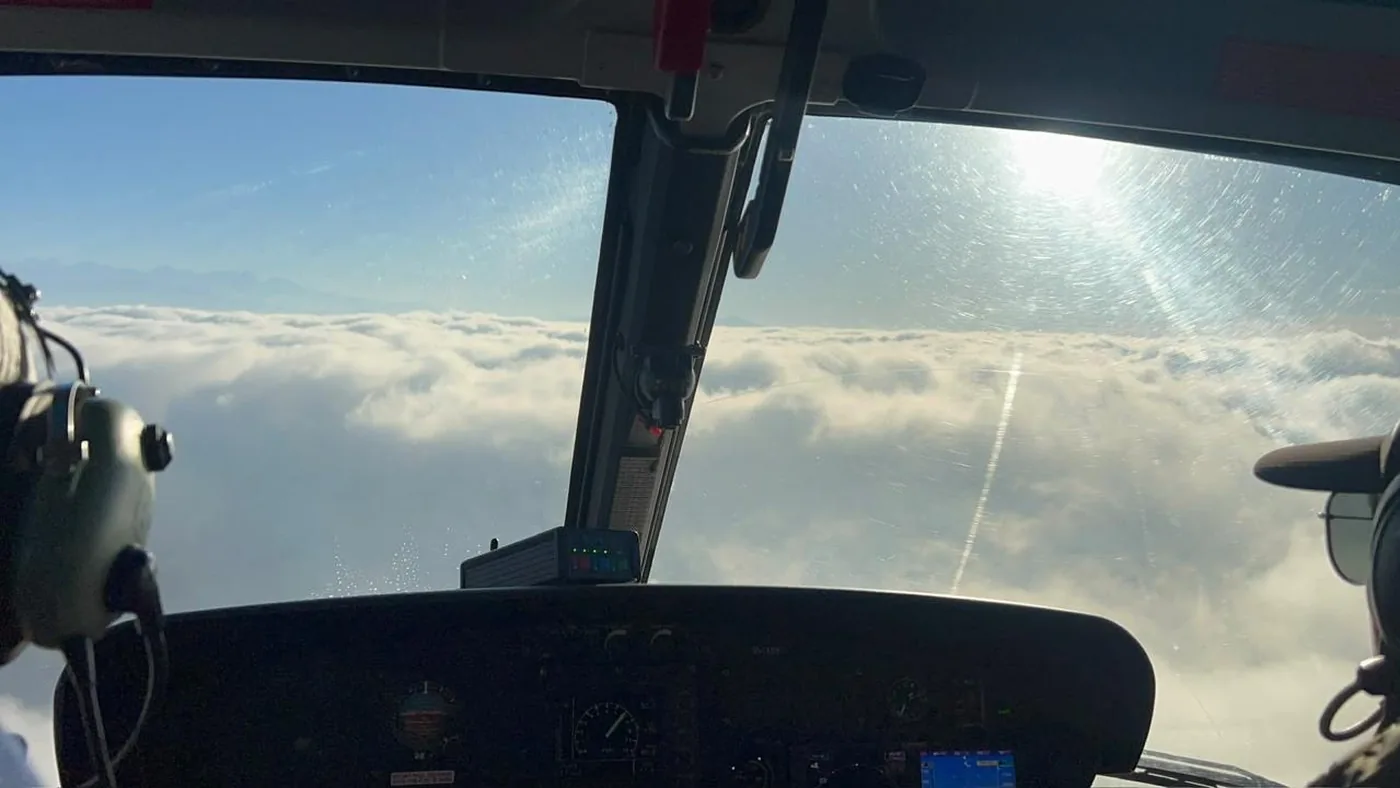
The flight itself, about one hour. Take-off, the eastbound cruise with the peaks on one side, the turn, and the return. Buddha Air advertises roughly an hour in the air; Shree Airlines advertises about fifty minutes. Both are the real thing.
Back at your hotel by 9:30 to 10:00 AM. That is the whole morning — up before dawn, over the highest mountains on Earth, and back at your hotel in time for a late breakfast and a full day of whatever else Nepal has planned for you. Anyone who has priced a helicopter day tour, which occupies roughly six hours door to door, will recognise what an advantage this is.
Who the Mountain Flight Suits Best
After more than a decade of arranging these flights, the pattern is clear. The mountain flight is the right choice for:
- Budget travellers who want real Everest views without the $1,260+ helicopter price tag.
- Elderly travellers and those with mobility limits — no fitness requirement, no altitude exposure (the cabin stays pressurized at cruise altitude), no walking. Three generations can fly together.
- Families with children — children fly the mountain flight from infancy; the certificate of achievement makes it an event.
- Travelers with a spare morning in Kathmandu — the 3.5-hour footprint fits between arrival-day and departure-day.
- Visitors ending a trek who want the aerial retrospective of everything they just walked through.
And equally, who it does not suit: if your goal is to stand on Himalayan soil, have breakfast at the Everest View Hotel, or touch Everest Base Camp itself, the mountain flight will leave you wanting — those experiences belong to the EBC helicopter day tour.
Mountain Flight vs Helicopter Tour: The Honest Comparison
We sell both, so we have no reason to upsell you the wrong product. The differences come down to three things: altitude, landing, and price.
The mountain flight cruises above 25,000 feet — higher than any helicopter flies — which paradoxically means the peaks sit below you, framed as a continuous wall. A helicopter flies among the peaks at 4,000–5,500 m, close enough to read individual moraines. Different perspectives; both genuinely spectacular.
More decisive is landing. The mountain flight never lands in the mountains. The EBC helicopter day tour lands at Kala Patthar, puts your boots on Himalayan ground, and serves breakfast at the Everest View Hotel with the world's highest face out the window. If landing matters to you, no amount of in-flight scenery substitutes for it — read our full helicopter vs plane comparison for the detailed breakdown.
Price settles most decisions: $260 versus $1,260. Our honest advice to most travelers: do the mountain flight this trip, and save the helicopter landing tour for the trip when you can justify it. Many of our clients do exactly that — mountain flight first, helicopter tour three years later.
How Booking Works
The mountain flight is an airline product; we book the seat for you as part of our tour-booking service. The practical steps:
- Send us your dates — ideally with two bookable mornings in case the first cancels.
- We confirm the airline and seat row and send you the booking confirmation with the departure time.
- Our car collects you at your Kathmandu hotel about 90 minutes before departure.
- We handle check-in and security at the domestic terminal. Bring your passport — it is required for all passengers including children, no exceptions.
- Fly, photograph, land, receive your certificate, and our car returns you to your hotel by late morning.
There is no office visit, no paper process, and nothing to arrange in person — everything is handled remotely before you even land in Nepal.
What Happens If the Flight Cancels
Weather cancellations are the mountain flight's one honest downside, and the policy is simple: full refund or free rebooking on the next morning's departure. You choose. The airline does not keep your money for weather, and neither do we.
The practical version of that policy: book the mountain flight early in your stay, not on your last morning. A cancelled final-morning flight with an international departure that afternoon is the one scenario we cannot fix — every other cancellation is a one-day delay.
A 2026 Booking Checklist
- Book a morning in the first half of your stay, never your last day.
- Book a second morning as a backup if your trip allows.
- Carry your passport on flight morning (required, including for children).
- Photographers: bring a polarizing filter and shoot burst mode.
- October–November and March–May travellers: book seats days or weeks ahead — clear mornings sell out.
- Monsoon travellers: accept that rebooking is part of the deal and build the buffer in.
- Nepali/SAARC passport holders: ask us for the local rate when you book.
To check availability for your dates or book seats, message us at bookings@helitoursnepal.com or call +977 9851144618 — we answer in Kathmandu hours, usually within the hour.
Photographing From the Mountain Flight: What Actually Works
Every flight carries at least one passenger with a serious camera, and the difference between good and frustrating results comes down to technique, not gear. The windows are the constraint: they are plexiglass, they scratch, and they reflect the cabin. Work with that:
- Shoot with the lens hood pressed lightly against the glass — the single biggest reflection killer. No hood? Cup your hand around the lens barrel against the window.
- Aperture wide open or one stop down. The mountains are far beyond any lens's infinity focus; depth of field is not your problem, shutter speed is.
- 1/1000s or faster. The aircraft vibrates constantly, and at 250 km/h ground speed even a steady-looking peak blurs at slower speeds.
- Manual focus set to infinity — autofocus hunts against layered glass and haze. Tape the ring if you need to.
- Skip the polarizer if the window is badly scratched — polarizers magnify scratch artifacts. Test a frame early and decide.
- Plan your two Everest minutes. The captain announces the bank in advance; have the camera raised and settings locked before the announcement finishes.
Phone photographers lose the least by comparison: modern phones handle the exposure automatically, and their wide lenses tolerate the window well. The certificate of achievement every passenger receives also photographs well — the airlines know what the flight is for.
A note on drones: they are prohibited from the aircraft, full stop. Cabin crew will collect them with your other loose items if asked. If aerial drone footage of the Himalaya is your goal, that is a private charter conversation with completely different rules — ask us separately.
For the official background on this landmark, see Everest (8,848.86 m). Handy background; your pilot will cover the operational side.
Pair this with Buddha Air Mountain Flight 2026: Price, Seats and the Local Rate, Everest Scenic Mountain Flight: What the 1-Hour Flight Is…, and Everest Scenic Mountain Flight vs Everest Helicopter Tour….
Frequently Asked Questions
How much does an Everest mountain flight cost?
From $260 per person for a premium window seat, with standard window seats from around $220 depending on airline and season. Nepali citizens and SAARC nationals pay substantially lower local rates that the airlines revise each season. The price includes the guaranteed window seat and the certificate of achievement.
Do Nepali citizens get a cheaper mountain flight price?
Yes. Both Buddha Air and Yeti Airlines publish reduced local rates for Nepali citizens and SAARC nationals, revised each season. Contact us when booking and we will arrange the local-rate ticket at no extra service charge.
Which airline is best for the Everest mountain flight?
Most photographers and first-time visitors prefer Buddha Air's Beechcraft 1900D for its large, close windows; Yeti Airlines' ATR-72 offers the same views at a generally lower fare with more cabin space. Both fly the same corridor with guaranteed window seats on every flight.
Is the mountain flight worth it versus a helicopter tour?
If you want to see Everest affordably in one morning, the $260 mountain flight is unbeatable. If you want to land in the mountains, stand at Kala Patthar, or have breakfast at the Everest View Hotel, only the $1,260 helicopter day tour does that. Many travellers do the mountain flight first and the helicopter tour on a later trip.
What happens if my mountain flight is cancelled?
You choose between a full refund or a free seat on the next morning's departure. Weather cancellations are common in monsoon (June–September) and rare in the October–November and March–May windows. Book early in your stay so a rebooking remains possible.
Can I book the mountain flight last minute in Kathmandu?
Often yes in the off-season, but the best rows on clear October and April mornings sell out days or weeks ahead. We recommend booking before you travel for peak-season dates; for last-minute bookings, message us the evening before and we will confirm whatever is available on the next morning's departures.
What is the mountain flight price in Nepal for Nepali citizens?
As of 2026, Buddha Air charges NPR 13,776 and Shree Airlines NPR 15,000 for Nepali citizens on the Everest scenic flight. The airlines revise these local rates each season in Nepali rupees, so treat the figure as the current-season benchmark rather than a permanent price. Book with us and we secure the local-rate ticket at no extra service charge.
Do Indian nationals get a special mountain flight rate?
Yes. Buddha Air's 2026 Indian/SAARC fare is INR 8,610 per person — well below the foreigner rate. Shree Airlines and Yeti Airlines publish their SAARC rates seasonally rather than as fixed year-round figures. Indian travellers present their passport at check-in to claim the rate.
Prices settled, the remaining question is usually what the hour is actually like in the air. Our Everest scenic mountain flight guide walks the route minute by minute — which peaks appear when, where to sit on the aircraft, and what the morning looks like from the window.