
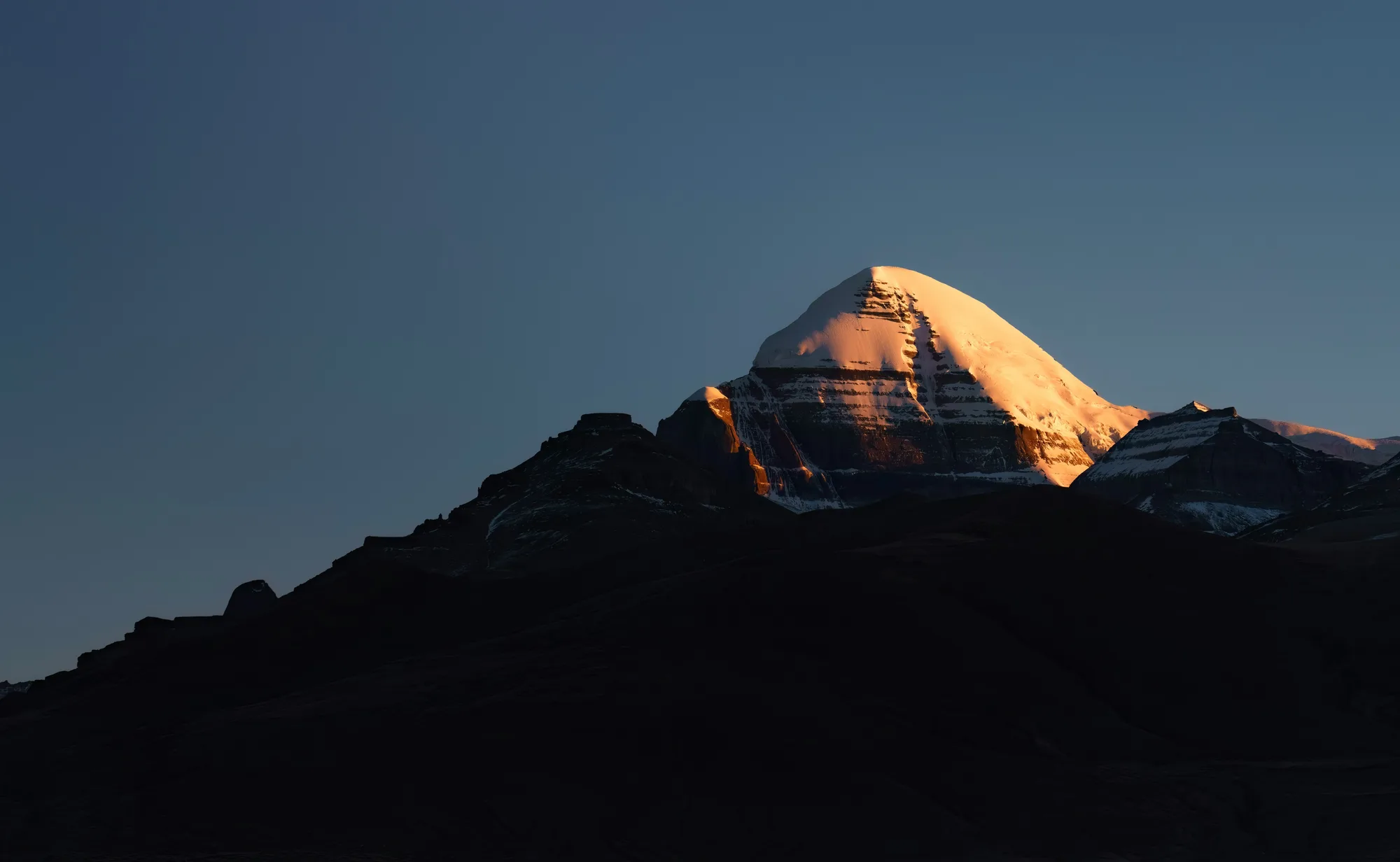
Short answer: A helicopter tour in the Himalayas from Kathmandu is one of four distinct products: a $260 one-hour fixed-wing scenic flyover with no landing, a $1,260 shared-seat landing flight that touches down at 5,545 m on Kala Patthar, a $4,500 private charter of the whole aircraft for up to five guests, or a multi-day trek-up-fly-back itinerary. For a first trip from abroad, the shared-seat Everest Base Camp day tour is the usual answer — roughly six hours door to door, a landing on snow at 5,545 m with Everest, Lhotse and Ama Dablam in the frame, and back at your Kathmandu hotel before lunch. Book seven days ahead for October to November and March to May, keep a spare morning for weather, and expect the Sagarmatha National Park permit and the Everest View Hotel breakfast to be paid separately.
- $1,260Everest Base Camp day tour, per seat
- 5,545 mKala Patthar landing height
- $260Scenic mountain flight, per window seat
- 8,848.86 mEverest summit, seen from the air
What a Himalayan Helicopter Tour Actually Is
Search for a helicopter tour in the Himalayas and you will find prices that appear to disagree with each other: $260 on one page, $860 on the next, $1,260 on a third, and $4,500 at the top of the range. None of those numbers is wrong. They describe four different products that all use the word "helicopter" on a booking page, and only one of them actually puts a rotorcraft on snow at 5,545 metres. The reason a foreign traveller ends up confused is not usually a bad quote. It is that a fixed-wing scenic flight, a shared-seat landing tour and a private charter of the entire aircraft are sold side by side without much explanation of what changes between them.
So let us be precise about the terrain first. The Himalayas are not one destination but a chain of separate massifs, and each one in Nepal has its own helicopter geography, its own landing altitudes and its own weather behaviour. Everest in the east is the highest and the busiest. Annapurna in the centre is a wide amphitheatre of 8,000-metre walls. Langtang and Gosaikunda sit closest to Kathmandu and fly the shortest. Manaslu is a restricted area that opens only to permitted parties. Muktinath is a pilgrimage site in Mustang, not a summit at all. A "Himalayan helicopter tour" can mean any of them, and the price, the altitude and the day length change completely depending on which one you choose.
The machine matters too. The workhorse of Nepal's tour fleet is the Airbus AS350 B3e, marketed as the H125, which is the same airframe used for high-altitude rescue work in the Alps, the Andes and the Rockies. It is prized here because it holds its performance at altitude better than almost any other light helicopter, and because at 5,000 metres a rotorcraft lifts roughly half what it lifts at sea level. The scenic Everest flight is different machinery entirely: a Beechcraft 1900 or an ATR flying a fixed line parallel to the crest. You look out of the window, you do not get out of the aircraft, and the price reflects that difference.
The Four Ways to Fly the Himalaya by Helicopter
Almost every booking that looks like a helicopter tour is one of four arrangements, and the differences between them are bigger than the price gap suggests. The first is the flyover: a fixed-wing scenic flight along the crest with a guaranteed window seat and no landing. The second is the shared-seat landing tour, where you buy one seat on a flight with up to four other passengers and the aircraft puts down on snow at altitude for ten to thirty minutes. The third is a private charter, where the aircraft is yours for the morning and the routing, the departure hour and the ground stop are yours to set. The fourth is the trek-up-fly-back format, where you walk into the high valley over several days and replace the walk out with a single helicopter flight.
Those four arrangements map onto different Himalayan massifs, so the table below is really the shortest useful answer to "which helicopter tour in the Himalayas should I book". The prices are the 2026 published figures for the live tours we operate, and the altitudes are the landing or maximum heights on each itinerary.
| Product | Time in the itinerary | Landing or maximum altitude | 2026 price |
|---|---|---|---|
| Everest scenic mountain flight (fixed wing, no landing) | 1 hour in the air, roughly 3.5 hours door to door | Fly-by only; the range seen from 8,848.86 m | $260 per person |
| Everest Base Camp helicopter day tour | About 6 hours door to door | 5,545 m (Kala Patthar) or 5,364 m (Everest Base Camp) | $1,260 per person, shared flight |
| Private Everest helicopter charter | About 5 to 6 hours | 5,545 m (Kala Patthar), with the 3,880 m Everest View Hotel stop | $4,500 per aircraft, up to 5 guests |
| Annapurna Base Camp day tour from Pokhara | About 3 to 4 hours from Pokhara | 4,130 m (Annapurna Base Camp) | $860 per person, shared flight |
| Muktinath helicopter pilgrimage | 1 day, about 90 minutes each way | 3,710 m (Muktinath Temple) | $1,080 per person, shared flight |
| Trek up, fly back: Everest | 10 days | 5,545 m, helicopter out from Gorak Shep to Lukla | $1,840 per person, shared flight |
| Trek up, fly back: Annapurna | 6 days | 4,130 m, helicopter exit to Pokhara | $1,199 per person, shared flight |
| Trek up, fly back: Manaslu | 13 days | 5,160 m (Larkya La), helicopter out from Samdo or Bimthang | $2,160 per person, shared flight |
Read that table in one direction and you see the price ladder: the more time you spend on the ground at altitude, and the more of the mountain you physically touch, the more the flight costs. Read it the other way and you see the shortcut ladder. The Everest Base Camp day tour replaces a twelve-day walk with a single morning. The Annapurna version replaces an eight-to-eleven-day trek in the Sanctuary with a Pokhara-to-Pokhara morning. The Muktinath flight replaces a multi-day jeep-and-trek approach through the Kali Gandaki gorge with a sunrise departure and two or three hours at the temple.
One practical note that catches out-of-season visitors: the charter version of the Everest day, quoted for the whole aircraft, starts at $3,500 for the Kathmandu to Everest region routing with Kala Patthar and the Everest View Hotel included. A private charter product with breakfast and full flexibility is quoted at $4,500 for the same morning. Those are different contracts for different aircraft, and the cheaper one still puts your group of up to five in the same cabin with the same view.
Where a Himalayan Helicopter Tour Actually Lands
The single biggest misunderstanding about these flights is where they stop. A helicopter tour of the Himalayas does not land on Everest. The summit of Mount Everest stands at 8,848.86 m, and no commercial helicopter flight in Nepal has ever landed on it, because no rotorcraft can carry enough fuel, or enough people, to operate from the summit plateau and then fly back. What you get instead is a stepped climb through the range with one deliberate landing high on the mountain, and a view of the summit from a few kilometres away.
The altitude ladder on the standard Everest day tour looks like this, and every figure on it is a real stop on the flight rather than an estimate.
| Point on the route | Altitude | What happens there |
|---|---|---|
| Kathmandu (Tribhuvan International) | 1,400 m | Hotel pickup, weight check and safety briefing, then departure from the airport helipad. |
| Lukla | 2,860 m | Refuelling and paperwork stop on the way into the Khumbu. |
| Everest View Hotel, Syangboche | 3,880 m | The breakfast stop, with Everest, Lhotse and Ama Dablam on the terrace. |
| Everest Base Camp | 5,364 m | Flown over, and the base plateau itself on the Khumbu Glacier below. |
| Kala Patthar | 5,545 m | The landing. Ten to fifteen minutes on the snow, on the highest ground we operate. |
| Mount Everest summit | 8,848.86 m | Seen from the air the whole time. Never landed on. |
That ten-to-fifteen minute stop is engineered, not accidental. Time spent at 5,545 m is the single biggest driver of altitude risk on a flight like this, so the ground time is kept short and the flight does not carry passengers up there on a schedule that puts them at high altitude for hours. You feel the altitude, you photograph the mountain, and you go back down. On the ground at 5,545 m a mild headache is possible; the protocol is simply to sit, breathe, and take the oxygen that is carried on every aircraft.
What an International Traveller Pays in 2026
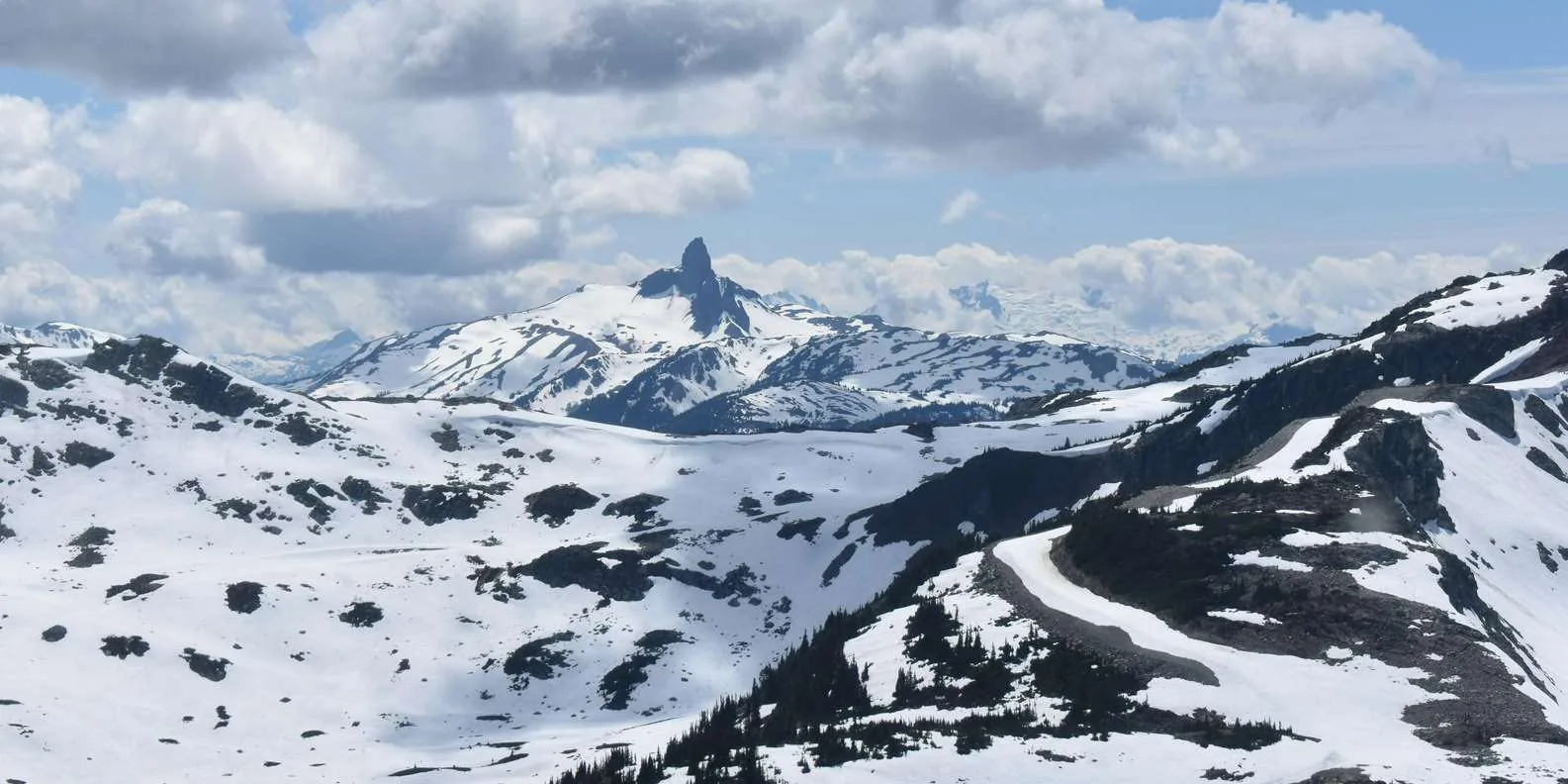
For anyone booking from outside Nepal, the price question is really two questions: what does the seat cost, and what does it cost per person once a group is on board. The published Everest region charter rate for the whole aircraft is $3,500, and the shared seat on the same morning is $1,260. The arithmetic in between is where most international families make their decision.
| Party size | Full aircraft | Per person on a charter | Per person on a shared seat |
|---|---|---|---|
| 1 traveller | $3,500 | $3,500 | $1,260 |
| 2 travellers | $3,500 | $1,750 | $1,260 |
| 5 travellers | $3,500 | $700 | $1,260 |
The crossover on the Everest region sits between two and five people. At two travellers the shared seat is still the cheaper buy; by five, the charter is roughly $560 cheaper per head than the shared seat. and you gain the aircraft, the hour you want to leave and the length of ground stop you want. Families with young children, photography crews that need circling time, and anyone whose schedule cannot absorb a weather delay are the groups for which chartering starts to make sense. A solo traveller or a couple whose goal is the view itself should take the shared seat.
Two costs sit outside the flight price and catch first-timers out. The Sagarmatha National Park entry permit is NPR 3,000 per person, which we arrange for you, and the breakfast at the Everest View Hotel is about NPR 4,600 per person, paid directly at the hotel on the day. International travellers should also budget the $50 Nepal entry visa for 30 days, which is issued on arrival at Kathmandu airport, and travel insurance that explicitly covers helicopter evacuation at altitude.
The Nepal and India Angle: Local Rates, Pilgrimage Demand and Group Joining
The same flights are bought by three different markets, and the Nepali and Indian market is the one most international visitors never see. The published local rates on the fixed-wing Everest scenic flight show the gap clearly: Buddha Air quotes USD 235 for a foreign national, INR 8,610 for an Indian national and NPR 13,776 for a Nepali citizen, while Shree Airlines quotes USD 230 for foreigners and NPR 15,000 for Nepali citizens. Those are airline-set local rates, revised each season, and they are honoured at the airline's own counters.
For helicopter tours we do not publish a standing Nepali-rupee rate, because the seat price genuinely moves with the day and the aircraft. If you hold a Nepali or SAARC passport, ask us for a current NPR quote for your date and we will tell you what is genuinely available on that departure. Indian rupees are widely accepted across Nepal at roughly 100 rupees to 160 rupees, and for helicopter bookings we invoice in USD or the INR equivalent as you prefer, confirmed in writing before you pay. Indian travellers do not need a visa for these flights.
Group joining is the default on the shared flights, and understanding why it exists removes a lot of friction. A seat at $1,260 is affordable because it is one of five seats on an aircraft that is flying anyway. You are buying a place on a scheduled departure, not a private aircraft, and the aircraft fills to make the economics work. That also means the departure dates are tied to the season and to how quickly each date fills, so flexibility on the date is worth real money in the shoulder months.
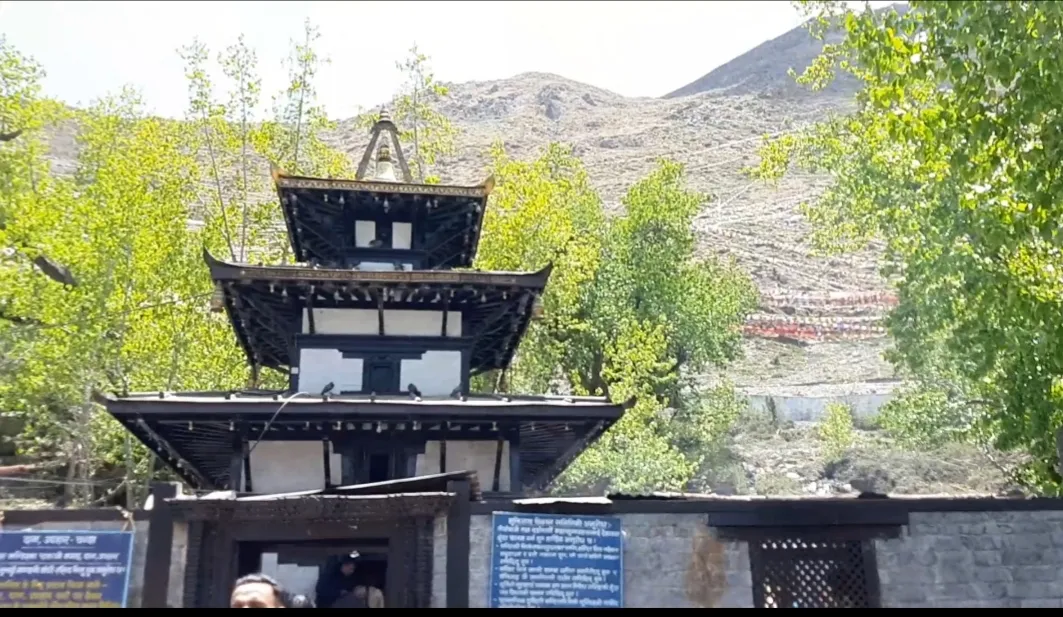
The pilgrimage market is the other local driver, and it shapes the Muktinath flight more than any other. Muktinath is one of the most important Hindu and Buddhist sites in the Himalaya, with 108 sacred water spouts and an eternal flame that burns on water. The flight is a sunrise departure around 6:00 to 6:30 in the morning, because the Kali Gandaki gorge develops its famous afternoon wind most days, and it puts you at the temple for two to three hours with time for darshan, the sacred waters and the Jwala Mai fire spring. Elderly pilgrims fly regularly, and it is the standard itinerary for Indian families combining darshan at Muktinath with an Everest darshan flight. The flight runs year-round, unlike the high-altitude mountain tours, which concentrate in the two clear windows.
How to Book a Himalayan Helicopter Tour from Kathmandu
Booking a high-altitude helicopter seat is not like reserving a sightseeing bus. You are taking a seat on a small aircraft flying into some of the most weather-sensitive airspace on earth, and the difference between a smooth booking and a stressful one comes down to what you confirm in writing before you pay. Here is what an international traveller needs to settle before the flight, in the order it matters.
Choose the product first. Decide whether you want a flyover, a landing, a private aircraft or a trek with a helicopter exit. The price ladder in the earlier table makes that decision mechanical. If you have one free morning and no strong interest in standing on snow, the $260 scenic flight is the sensible buy. If the landing itself is the point, the $1,260 Everest Base Camp day tour is the one. If your group is five or more and the aircraft matters, charter.
Pick the season honestly. October to November is the clearest and most reliable window in the Himalaya, and March to May is the second clear window. The June to September monsoon brings delays and cancellations on short notice. The mountain flight operates daily between 6:30 and 9:30 AM from the Kathmandu domestic terminal, and the helicopter tours fly in the morning for the same reason the airlines do: the air is calmest and the cloud is lowest shortly after sunrise. If you are flying out of Kathmandu on the same day, book the Himalayan flight for your second-to-last day, not your last, so a weather cancellation cannot jeopardise your international connection.
Get the insurance right. Travel and medical insurance with evacuation cover is mandatory, and it has to cover helicopter evacuation at the altitude you are flying to. For the Everest region that means cover up to 5,500 m; for the Annapurna Base Camp flight, cover above 4,500 m.
Weigh in honestly. Baggage limits are strict and they are a safety calculation, not a commercial one. On the Everest Base Camp day tour the allowance is about 15 kg per person, and a small camera bag is the right answer. On the Annapurna Base Camp flight from Pokhara the allowance is around 80 kg per person including hand luggage. Give real weights at booking, because the pilot balances the aircraft by weight, and a group that arrives heavier than it quoted can be left behind.
Leave a buffer. The landing site is confirmed on the day, based on weather and aviation regulations. If you build one spare morning into your itinerary, a cancelled departure becomes an inconvenience rather than a lost day. Our policy on the Everest Base Camp day tour and the scenic flight is a full refund or a free rebooking on the next available morning, and you should read the operator's terms before you pay a deposit so you know exactly what happens to your money and your date.
Confirm the details in writing. The four things to have in an email before you pay: the exact product and the landing altitude, the date and the pickup time, what is included and what is excluded, and the cancellation and rebooking terms. Language is not a barrier on the Everest day tour, where the guide speaks English, German, Spanish or French, and an English-speaking guide is available on request for the Annapurna Base Camp flight.
Which Himalayan Range Should You Choose?
With the product settled, the range becomes a question of what you want to see and how much walking, altitude and flight time you will accept. Everest is the flagship and the highest landing at 5,545 m, and it is also the busiest airspace in Nepal. Annapurna is the widest amphitheatre, landing at 4,130 m with a 15 to 30 minute stop in the Sanctuary, and it flies from Pokhara rather than Kathmandu, which is worth factoring into your trip plan. Langtang, beneath the 7,234 m wall of Langtang Lirung, is the closest true Himalayan valley to the capital and the quietest: the charter routing out of Kathmandu is a roughly two-hour block, and the people who go there usually go for the space and the culture as much as the altitude. Manaslu, the eighth-highest mountain in the world at 8,163 m, is a restricted area with a 13-day trek and a helicopter exit from the high valley, and it is not a casual booking.
Two smaller ranges complete the map for anyone who wants a sacred site or a lake rather than a summit. Gosaikunda at 4,380 m is the lake reached for the Janai Purnima festival, Rara at 2,990 m is the largest lake in Nepal, and Mardi at 5,587 m is the highest of the mid-range Himalayan objectives we fly. All three are covered in detail on our guide to helicopter tours beyond Everest, and if you are not chasing a summit, they are frequently the better-value choice.
Weather, Safety and the Cancellation Reality
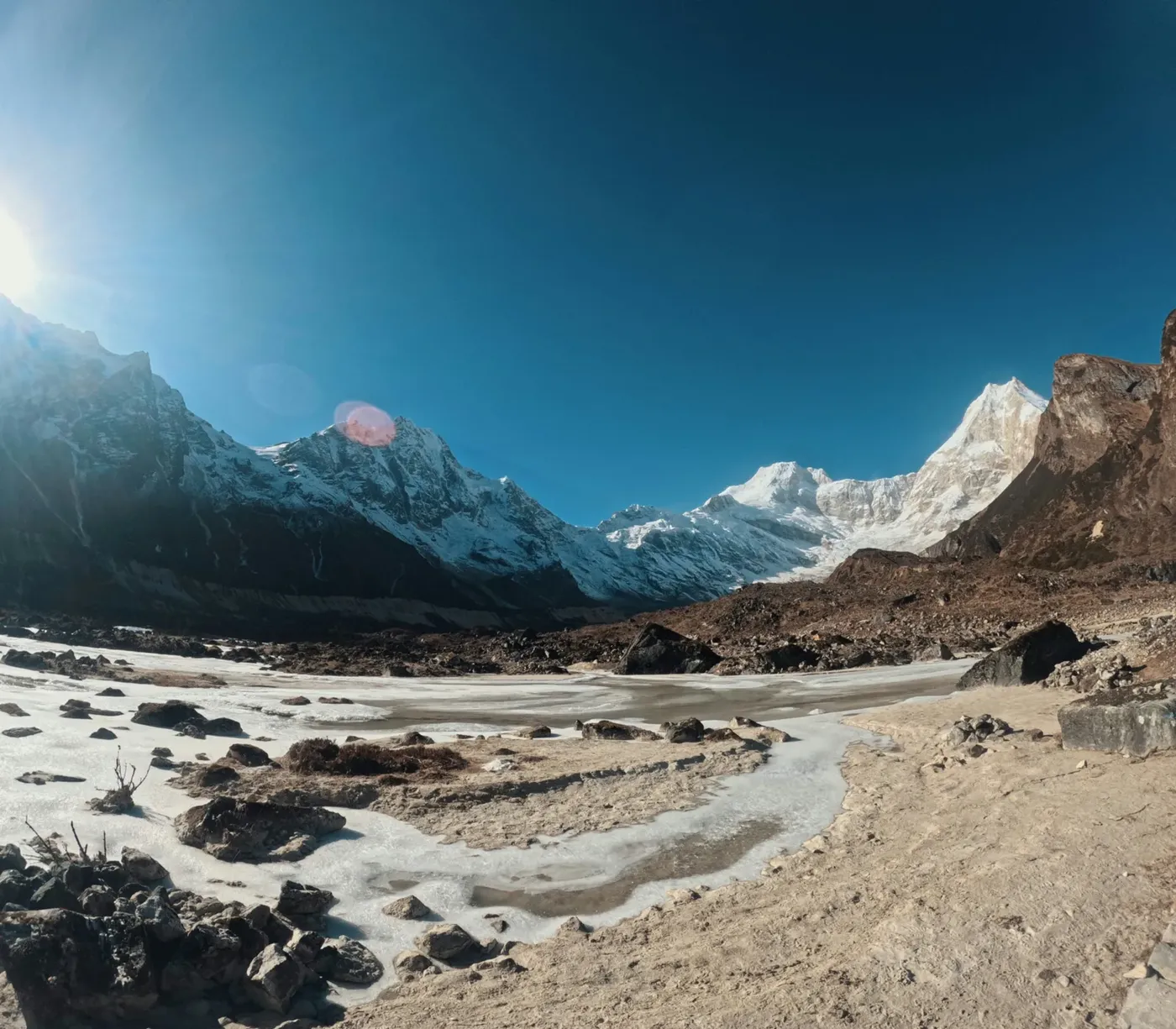
Every helicopter operator in Nepal holds an Air Operator Certificate issued by the Civil Aviation Authority of Nepal, and no operator may legally sell a single seat without one. That certificate is not a one-time formality: it is maintained through recurring audits of maintenance records, pilot training files and operational procedures, and it can be suspended or revoked if standards slip. The pilots who fly these routes are among the most experienced mountain pilots in the world, and the ones who have flown the Everest region for a decade are the ones who will simply not fly when the wind at Kala Patthar shifts in the late morning.
That does not make mountain helicopter flying risk-free. It is a high-altitude, weather-dependent activity, and the pilot's decision on the morning is final. Your responsibilities are simple and worth taking seriously: keep the buffer day, buy insurance that actually covers helicopter evacuation, tell the crew immediately if you feel a headache or dizziness at the landing, and disclose any heart or respiratory condition, pregnancy or existing altitude sickness before you book. Oxygen and a basic medical kit are carried on every flight, and short landings are designed to keep you below the level at which altitude sickness develops.
Frequently Asked Questions
Can a helicopter actually fly to the top of Mount Everest?
No. The summit stands at 8,848.86 m and no commercial helicopter has ever landed there; the fuel, payload and return reserves make it impossible. The closest commercial landing is Kala Patthar at 5,545 m, and the summit is seen from the air the entire time. We have a full guide on this specific question, including what aircraft have flown near the summit and why they did not land: can a helicopter fly to the top of Mount Everest.
What is the difference between a Himalayan helicopter tour and the Everest mountain flight?
The mountain flight is a fixed-wing aircraft on a fixed line parallel to the crest: $260 per person, one hour in the air, a guaranteed window seat and no landing. The helicopter tour is a rotorcraft that leaves the flight path and puts you on snow at 5,545 m for ten to fifteen minutes: $1,260 per person on a shared seat, about six hours door to door. The mountain flight is the cheapest Everest experience; the helicopter tour is the one where you stand under the mountain.
How much does a helicopter tour in the Himalayas cost in 2026?
From $860 per person for the Annapurna Base Camp day tour out of Pokhara, through $1,080 for the Muktinath pilgrimage and $1,260 for the shared-seat Everest Base Camp day tour, up to $4,500 for a private charter of the whole aircraft. The trek-up-fly-back formats sit at $1,199 for Annapurna, $1,840 for Everest and $2,160 for Manaslu. The $260 fixed-wing scenic flight is a separate product and is not a helicopter tour.
Which is the best Himalayan helicopter tour for a first trip from overseas?
The shared-seat Everest Base Camp day tour, at $1,260. It is one morning, it needs no trekking fitness, it includes the refuelling stop at Lukla and breakfast at the Everest View Hotel at 3,880 m, and it lands you at 5,545 m and back at your hotel before lunch. If you only have one morning free in Kathmandu and the landing itself is not the point, take the $260 scenic flight instead.
Can I join a group for a Himalayan helicopter tour instead of chartering the aircraft?
Yes, and on the shared tours it is the default way to fly. You buy one seat on a departure that is already scheduled and share the cabin with up to four other passengers. That is why the Everest seat is $1,260 while the whole aircraft is quoted from $3,500. Group joining works the same way on the Langtang Valley charter out of Kathmandu, where the quoted aircraft rate starts at $2,400 and the same sharing logic applies. It also means the departure dates follow how quickly each one fills, so flexibility on the date makes a place easier to secure.
What is the cheapest way to see the Himalayas from Kathmandu by helicopter?
From Kathmandu, the cheapest helicopter flight is the $1,080 shared-seat Muktinath pilgrimage. The $860 Annapurna Base Camp day tour is cheaper still, but it departs from Pokhara, so it only counts if your trip already takes you there. The cheapest way of any kind to see the range is the $260 fixed-wing scenic flight, which lands nowhere and shows you Everest from 8,848.86 m of altitude outside the window.
Is there a Langtang helicopter tour from Kathmandu, and is it worth the time?
There is a Langtang Valley day charter out of Kathmandu, a roughly two-hour block quoted from $2,400 for the aircraft, and it lands in the valley beneath the 7,234 m wall of Langtang Lirung. It suits anyone who wants a true Himalayan valley without the crowds and without the altitude: the flight is short, the valley is quiet, and the landing is at Kyanjin Gompa, the last permanent settlement at roughly 3,800 m. Our dedicated Langtang helicopter tour guide covers the route, the costs and the booking details in full.
Do these helicopter tours land in the Himalaya, or do they only fly over it?
Both kinds exist. The $1,260 Everest Base Camp day tour lands at 5,545 m on Kala Patthar, the Annapurna Base Camp flight lands at 4,130 m for 15 to 30 minutes, and the Muktinath flight puts you down at the temple for two to three hours. The $260 scenic flight is a pure flyover with no landing at all. On every landing tour the ground stop is deliberately short, because time at altitude is the main risk on the flight.
How do I book a Himalayan helicopter tour from another country?
Send the date, the number of travellers and each passenger's full name and passport details, then ask for the product, the landing altitude, what is included and excluded, and the cancellation terms in writing before you pay. Allow seven days of lead time, more in October to November. The Nepal visa is $50 for 30 days on arrival, insurance must cover helicopter evacuation at the altitude you are flying, and one spare morning in your itinerary protects you against a weather cancellation.
What happens if the weather cancels my flight?
The pilot makes the call on the morning of departure, because the aircraft has to be able to land and return safely. Our policy is a full refund or a free rebooking on the next available morning, and the landing site is confirmed on the day based on weather and aviation regulations. Cancelled flights are common in the June to September monsoon and rare in the October to November and March to May windows.
Do Nepali and Indian travellers pay less than foreign tourists?
On the fixed-wing Everest scenic flight, yes: Buddha Air quotes INR 8,610 for Indian nationals and NPR 13,776 for Nepali citizens, against USD 235 for foreigners, and Shree Airlines quotes NPR 15,000 for Nepali citizens. For helicopter tours the seat price moves with the day and the aircraft, so ask us for a current NPR quote for your date and we will confirm what is genuinely available. We invoice helicopter bookings in USD or the INR equivalent as you prefer.
Is a Himalayan helicopter tour safe?
Properly booked with a licensed operator, it is a routine and well-managed activity. Every commercial operator in Nepal holds a CAAN Air Operator Certificate that is audited on a recurring basis, the fleet is modern high-altitude machines flown by pilots with extensive mountain experience, and oxygen and a medical kit are carried on every flight. The honest caveat is that it is weather-dependent and high-altitude, so buy evacuation insurance, follow the buffer-day advice and disclose any health condition before you book.
That is the whole map: a $260 flyover if you want the cheapest Everest view, a $1,260 shared seat if you want to stand on snow at 5,545 m, a $4,500 charter if the aircraft and the schedule matter more than the price, and the trek-up-fly-back formats if you want the mountain on foot first. Every one of them starts in Kathmandu except the Annapurna Base Camp flight, which starts in Pokhara, and all of them fly in the morning, in the two clear seasons, with a spare day in your itinerary behind them. If you want the full breakdown of the Everest products, the landing points and the current 2026 seats side by side, the one-day Everest Base Camp helicopter tour page is the place to start, and our Everest helicopter tours guide links every Everest flight we operate in one place. For the other Himalayan ranges, the guide to helicopter tours beyond Everest covers Langtang, Gosaikunda, Rara and Lumbini, and our Langtang helicopter tour guide goes deeper on the closest valley to the capital. If you are still working out the budget, the 2026 charter price table by route shows the full-aircraft numbers, and when to fly a helicopter tour in Nepal covers the seasons in detail.