
The Kathmandu–Pokhara Route: Nepal's Busiest Tourist Corridor
Every traveller in Nepal makes this decision: Kathmandu to Pokhara, 200 kilometres apart, with the Annapurna range waiting at one end. The road takes six to eight hours — longer in monsoon, longer still behind a slow truck on the Prithvi Highway. The flight takes 25 to 35 minutes. And then there is the third option most travellers never consider until they are already here: the helicopter transfer, which turns the corridor itself into the experience.
- $860ABC day tour, per seat
- 4,130 mAnnapurna Base Camp
- 4,919 mTilicho Lake
- 3-4 hrsFlight window from Pokhara
We arrange all three. This guide is the honest comparison — including the cases where the $100 airline seat is the smarter buy, and the cases where the helicopter pays for itself.
What a Helicopter Transfer Actually Is
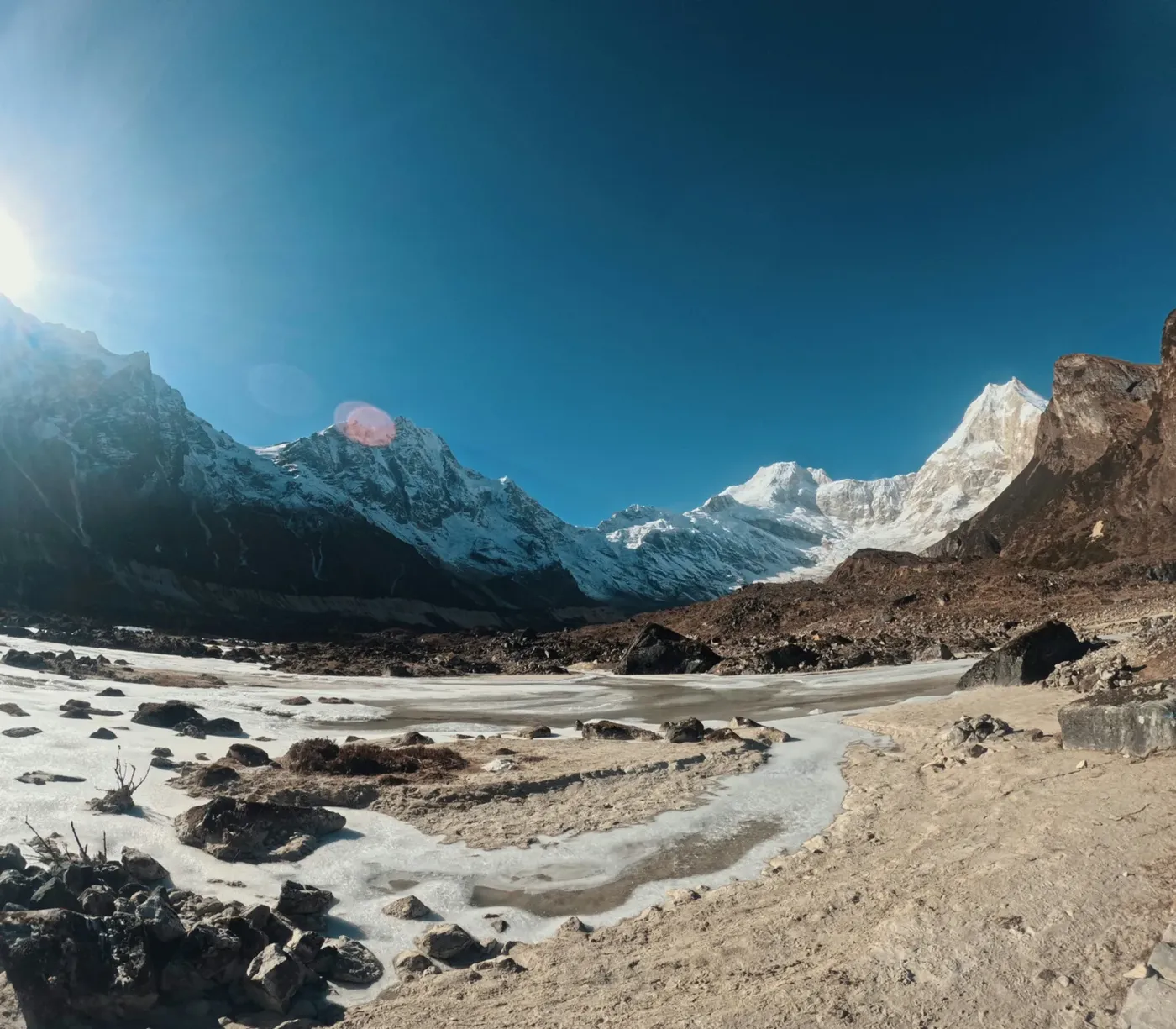
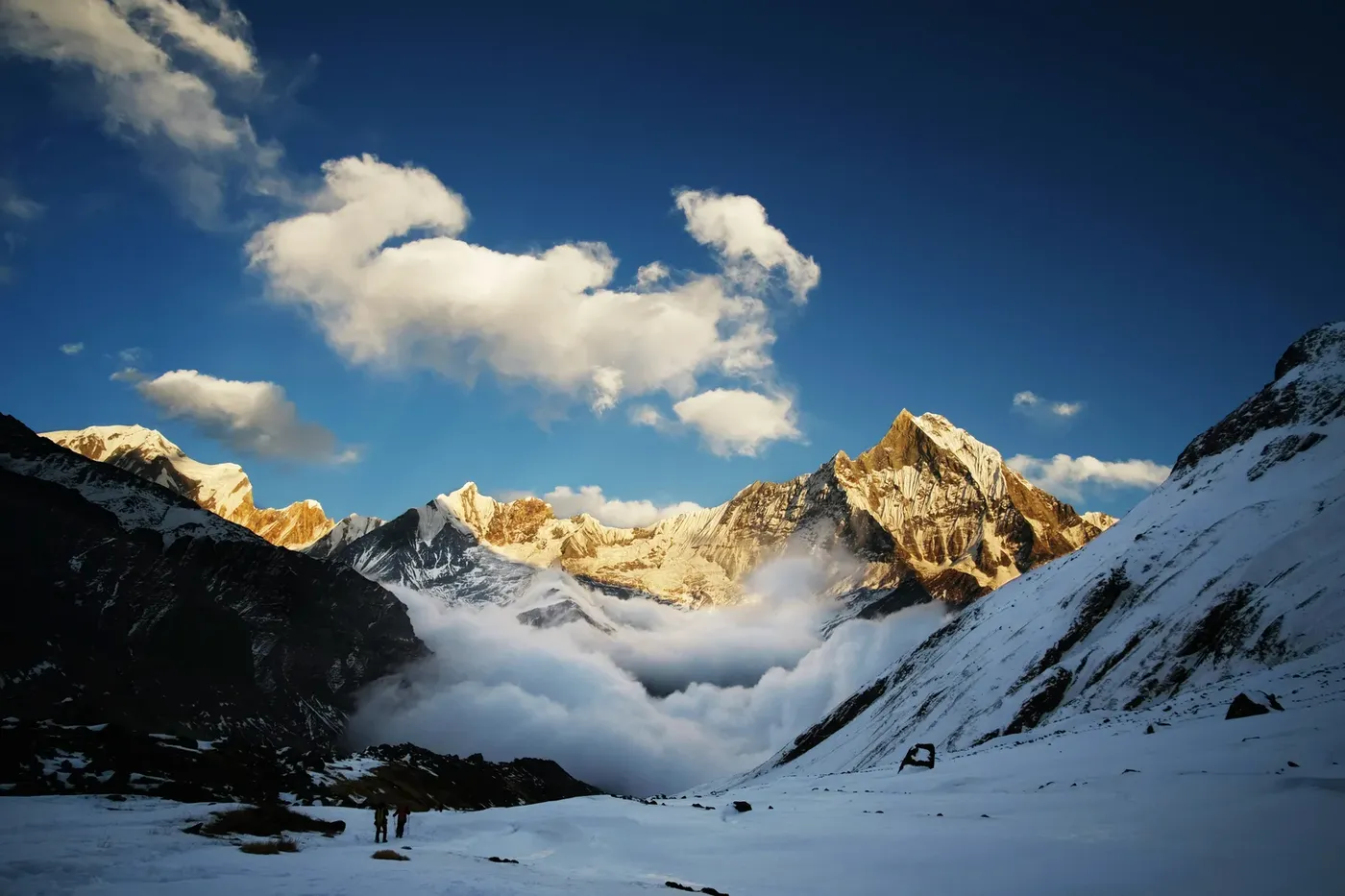
There is no such thing as a shared helicopter seat between Kathmandu and Pokhara — the route is charter-only, which means the entire aircraft is yours. The Airbus H125 carries 4–5 passengers plus bags, flies direct in 35–40 minutes from Kathmandu's domestic terminal, and lands at the new Pokhara International Airport's helipad area or the lakeside-adjacent domestic operation, depending on permissions and your final destination.
Unlike a fixed-wing ticket, a charter runs on your schedule: you choose the departure window (mornings are clearest), the pickup point (our car collects you at your Kathmandu hotel), and the routing. On clear mornings the scenic routing is available at no extra flying time — the corridor passes the Annapurna foothills with Machhapuchhre's fishtail profile dead ahead for most of the flight.
The Four Ways to Do the Journey
| Mode | Duration | Price basis | Best for |
|---|---|---|---|
| Tourist bus | 6–8 hours | Cheapest — a seat | Backpackers, no schedule |
| Private car | 5–6 hours | Per car | Groups of 3–4, stopping en route |
| Fixed-wing flight | 25–35 min | Per seat, ~$90–120 | Solo travellers, budget flyers |
| Helicopter charter | 35–40 min | Per aircraft (custom quote) | Groups of 4–5, time-critical, scenic value |
The honest headline: for a solo traveller, the fixed-wing seat wins the value comparison, and pretending otherwise would be dishonest. The helicopter argument starts at two passengers and becomes genuinely strong at four or five, when the charter split approaches airline-seat-per-head territory while adding hotel-door pickup, schedule control, and a flight path that is itself the day's highlight.
How Charter Pricing Works (Why We Quote, Not List)
Every Nepal operator quotes the Kathmandu–Pokhara charter per aircraft, and the price moves with real factors:
- One-way versus return — the aircraft has to get home; a one-way quote prices the round trip unless another client books the return leg.
- Waiting time — if the helicopter waits in Pokhara to fly you back the same day, waiting hours are billed. Drop-and-depart costs less, always.
- Repositioning — where the aircraft starts its morning changes the quote.
- Season and fuel — peak-season mornings and fuel prices move the number.
We send written quotes within hours, with the routing and terms spelled out. Weather cancels follow the same rule as all our flights: full refund or free rebooking.
Why the Helicopter Wins in Specific, Common Cases
1. Tight schedules
The traveller with three days for Pokhara and a morning flight out of Kathmandu cannot absorb a seven-hour bus delay or an airline cancellation. The charter departs at the hour you choose, from the city itself, and lands 40 minutes later with the day intact.
2. Groups of four or five
The math changes with the passenger count: the same charter that is expensive for two becomes, split four ways, a modest premium over four airline seats — and it includes hotel pickup, baggage without check-in limits within weight rules, and no terminal hours. For families and friend groups, this is the configuration where the charter is the rational choice, not the indulgent one.
3. After the monsoon
The Prithvi Highway corridor is landslide-prone in and after heavy monsoon rain; the road closes for hours or days at a stretch some seasons. The flight paths do not care about the road. Travellers moving between Kathmandu and Pokhara in the monsoon shoulder weeks frequently call us the night before a planned bus journey.
4. The post-trek return
Our single most common Kathmandu–Pokhara helicopter direction: trekkers finishing an Annapurna region route — ABC, Mardi Himal, Poon Hill, or the Annapurna helicopter return trek — exhausted, with a fixed international departure from Kathmandu. The charter from Pokhara collapses the return leg to 40 minutes and converts the last day from travel to recovery.
5. Photography and the flight itself
The corridor is one of Nepal's most scenic low-altitude flights: the Ganesh Himal and Manaslu ranges to the north, the Annapurna wall ahead, Machhapuchhre framing the approach. Photographers booking the transfer get a private flight platform with windows that open per pilot permission and a routing that banks for the shot. Some clients book the transfer as the excursion.
The Pokhara Airport Situation in 2026
Pokhara's new international airport opened in January 2023, and the domestic operation moved with it. Fixed-wing airline flights land there today; helicopter transfers use the approved helipad areas and lakeside-adjacent operations. What this means practically: the fixed-wing arrival is a 20–30 minute drive from Lakeside depending on traffic, while a charter can sometimes land you closer to your hotel area — our team confirms the exact landing point on booking, and hotel pickup or drop in Pokhara is arranged either way.
For travellers continuing onward — helicopter tours from Pokhara to Muktinath, Annapurna Base Camp, or the mountain viewpoints — the transfer often folds into the tour routing: arrive Pokhara by charter in the morning, continue to Muktinath the same day. Combining legs is one of the quiet ways a charter saves money; ask us to price the combined routing rather than booking legs separately.
What the Fixed-Wing Flight Gets Right (Fairness Section)
Buddha Air, Yeti, Simrik and Shree Airlines fly Kathmandu–Pokhara with fares that start around $90–120 one way, multiple daily frequencies, and a 25–35 minute flight time that is actually faster than the helicopter (fixed-wing aircraft cruise higher and more directly). If you are one or two people, value-driven, and flexible on timing, the airline seat is the correct answer and we will happily tell you so — we book those seats too, as part of wider itineraries.
The fixed-wing trade-offs are the ones regulars know: security and check-in time at Kathmandu's congested domestic terminal (arrive 90 minutes early), weather cancellations in monsoon, and a rigid schedule. The helicopter's advantages — door-to-door timing, schedule control, group economics — only outweigh those trade-offs in the cases listed above.
Luggage, Weight, and the Practicalities
- Weight limit is ~80 kg per person including bags — the same physics that governs every Nepal helicopter operation. Pack the charter with real weights in mind.
- Morning departures are strongly preferred: clearest air, calmest winds, and a full buffer day if weather intervenes.
- Hotel pickup in Kathmandu is included; in Pokhara we drop you at your Lakeside hotel or arrange the onward connection.
- Children fly with no age restriction on charters; car seats are not certified for helicopter use, children ride on laps or in their own seats per pilot instruction.
- Weather policy: full refund or free rebooking, decided by you, applied to every charter we operate.
Booking: What We Need From You
- Travel date and preferred departure window (morning recommended).
- Passenger count and real body weights with bags.
- One-way or return — and whether the helicopter should wait in Pokhara or drop and depart.
- Your Kathmandu hotel name for pickup, and your Pokhara destination.
Written quote within hours, during Kathmandu working time: bookings@helitoursnepal.com or +977 9851144618.
Best Season for the Transfer
The corridor flies year-round, but the experience differs sharply by season — and the choice interacts with your road alternative:
- October–November: post-monsoon clarity, the busiest tourist season, and the best flying weather. Both airlines and charters run at capacity; book the charter days ahead. The road is at its driest too — the flying choice here is about time and scenery, not necessity.
- March–May: the second peak. Morning clarity is excellent, haze builds by late day, and the Annapurna wall photographs brilliantly in spring light. Road conditions are good.
- December–February: winter brings the clearest air of the year to the corridor — sharp, cold, and reliable morning windows. The tourist bus in winter is a cold, long day; this is a quietly popular charter season for exactly that reason.
- June–September (monsoon): the season that generates our urgent enquiries. The Prithvi Highway landslide risk peaks, airline cancellations cluster, and the road can close for days. Morning charters fly between weather systems but expect delays and build buffer time. If your trip falls in monsoon, keep the transfer date flexible and let us watch the forecast with you.
The one-sentence version: fly mornings, prefer October–May, and treat monsoon travel on this corridor as a scheduling exercise rather than a fixed appointment.
Folding the Transfer Into a Bigger Trip
The most economical charters are the ones that replace two legs with one aircraft-day. Common patterns we quote weekly:
- Transfer + tour: charter Kathmandu → Pokhara in the morning, continue directly to a Muktinath or Annapurna heli tour from Pokhara — the transfer becomes the first leg of the tour instead of a separate cost.
- Trek + fly home: trek the Annapurna circuit or ABC route, walk out to Pokhara, and charter back to Kathmandu the day before your international flight — the post-trek recovery day that bus travellers lose.
- Group split-days: part of the group buses or flies fixed-wing, the charter carries the bags, the elder family members, and the schedule-critical traveller — a hybrid that often beats one big charter on price and beats the all-bus plan on sanity.
Tell us the whole itinerary, not just the transfer — the quote that covers the full routing is usually cheaper than legs booked separately, and we price the combination by default.
Safety and the Aircraft
The corridor is flown by the same Airbus H125 fleet that operates every mountain tour and rescue in Nepal — the workhorse type that holds the Everest summit landing record. On the Kathmandu–Pokhara route specifically, the flight stays below the Himalayan wall, in airspace with no mountain-pass approaches, which makes it one of the most weather-tolerant helicopter sectors in the country. Every flight carries the standard charter configuration: pilot and first officer per operator practice, supplemental oxygen on board, and a weather assessment before every departure — the same procedure, on every sector, every day.
Charters depart from Kathmandu's domestic terminal under the same CAAN oversight as the scheduled airlines, and our operator's insurance and licensing documentation is available to any client who asks — we would rather show the paperwork than have anyone wonder.
Background worth reading before you plan: the Annapurna Massif. It will not change the itinerary, but it explains what you are looking at.
Related reading in this cluster: Annapurna Base Camp Helicopter Day Tour from Pokhara: Price &…, Annapurna Base Camp Helicopter Tour: Cost, Options & How to…, and Helicopter Tours from Pokhara 2026: Everest, Annapurna &….
Frequently Asked Questions
How much is a helicopter from Kathmandu to Pokhara?
The route is charter-only — you hire the whole aircraft, not a seat. The price depends on one-way versus return, waiting time, repositioning, season and fuel, so reputable operators quote per aircraft rather than listing fixed prices. Send us your date, passenger count and direction and you will have a written quote within hours.
Is there a shared helicopter from Kathmandu to Pokhara?
No — there are no shared-seat helicopter flights on the Kathmandu–Pokhara route. Scheduled shared helicopters exist only on the mountain tour corridors. For a single traveller, the fixed-wing airline seat (from around $90–120) is the practical option; charters make economic sense from around four passengers.
How long is the flight?
About 35–40 minutes in the helicopter, versus 25–35 minutes by fixed-wing aircraft (airlines cruise faster). But door-to-door the helicopter usually wins: hotel pickup, no 90-minute early check-in at the congested domestic terminal, and drop near your Pokhara destination. The drive takes six to eight hours.
Is the helicopter worth it versus the airline?
For one or two people: usually not — the $90–120 airline seat is the rational choice. For groups of four to five, the charter split approaches airline-per-seat pricing while adding door-to-door service, schedule control, and a far more scenic flight path. Time-critical travellers and post-trek groups also benefit from the charter's schedule certainty.
What happens if weather cancels the flight?
Standard Nepal aviation terms, which we apply to every charter: full refund or free rebooking for the next available window — your choice. Morning departures give the best odds and leave a buffer day; monsoon travellers should keep schedule flexibility on this route.
Can the helicopter wait in Pokhara for my return?
Yes — waiting time is billed by the hour and quoted in advance, and it changes the economics of a same-day return. Many clients prefer drop-and-depart with a fresh charter for the return leg, or fold the return into an onward tour routing. Tell us your full plan and we will price the cheapest honest combination.