

Short answer: The best time to go Everest Base Camp is the post-monsoon window from early October to late November, when the summer cloud has finally left the Khumbu and the morning sky over the peaks is usually clear. The second window is March to April, after winter and before the pre-monsoon haze builds. Both windows work for the ten-day trek with a helicopter return and for the one-day landing flight at $1,260 per person, which puts you on the ground at Kala Patthar, 5,545 m, and back in Kathmandu the same morning. December to February is brilliantly clear but bitterly cold, and June to September is the monsoon, the one stretch we will not book on a fixed date.
- 5,364 mEverest Base Camp altitude
- 5,545 mKala Patthar landing point
- $1,2601-day helicopter tour per person
- ~6 hrsTotal day tour, hotel to hotel
The best time to go Everest Base Camp is not one date on a calendar, it is a two-part decision: which season the Khumbu is willing to show you its peaks, and which product you can actually put in that season. Those two answers are not always the same. A month that is superb for walking to Base Camp on foot can be mediocre for a landing at 5,545 m, and a month that is too cold for a comfortable trek can be the clearest flying window of the year. This guide takes the twelve months of the Everest region one at a time, then maps them against every Everest product we run, from the $260 scenic mountain flight to the $4,500 private charter.
Best Time to Go Everest Base Camp: The Two Windows That Actually Work
For practical purposes the Everest region has two reliable seasons, and everything else is a compromise. The first runs from the end of September into late November. The summer monsoon has exhausted itself, the jet stream has not yet dropped south, and the air over the Khumbu becomes stable and dry. Local pilots describe this as the honest season: the mountain is where the map says it is, the valley floor is visible all the way to Lukla at 2,845 m, and a 6 a.m. departure from Kathmandu almost always gets its landing.
The second window runs from early March to the end of April, sometimes into the first days of May. Winter snow is still on the upper trails, the rhododendron forests below Namche are in bloom, and the mornings are clear for longer than they are in summer. The catch is the afternoon: from March onward, warm air rising off the valleys starts to build cloud over the high peaks by early afternoon, which is exactly why every itinerary in this region begins before sunrise.
Between those two windows sit three imperfect options. December, January and February are cold, clear and quiet. May is warm and increasingly hazy. The last week of September is a gamble that often pays. Everything from June to the middle of September is monsoon, and no honest operator will promise you a landing in it.
Why the Everest Region Has Two Flying Seasons, Not Four
Nepal is usually described as having four seasons, but the Khumbu is governed by two weather systems that matter more than the calendar: the South Asian monsoon, which arrives from the Bay of Bengal in June and withdraws in September, and the winter jet stream, which pushes a fast band of high-altitude wind over the Himalaya from December. Between those two systems there are gaps of settled, dry, low-wind weather, and those gaps are the seasons that trekkers and pilots both use.
This is why a helicopter calendar and a trekking calendar look similar but are not identical. A trekker needs a trail that is dry underfoot and lodges that are open; a pilot needs low wind at altitude, a cloud base high enough to clear the ridges, and visibility down the valleys. October delivers both. April delivers both, with more afternoon cloud. January delivers the pilot’s half of the bargain and tests the trekker.
The other local factor is the valley itself. Almost everything in this region happens in the morning. Cloud that forms over the peaks by midday fills the deep gorges that a helicopter must follow, and the aircraft in this fleet, the Airbus H125, flies those gorges single-file with one line of approach. A clear forecast at 7 a.m. is worth more than a perfect season average at 11 a.m.
Month by Month at Everest Base Camp
What follows is the pattern our pilots and guides work to across a normal year in the Khumbu. Treat it as a planning map rather than a forecast: any individual week can break the pattern, which is why the booking policy on every one of our Everest departures is built around weather flexibility rather than a fixed-hour promise.
| Month | Sky over the Khumbu | On foot to Base Camp | Helicopter day tour |
|---|---|---|---|
| January | Clearest skies of the year, severe cold at altitude | Quiet trails, frozen ground, coldest nights of the season | Flies well, but the landing at 5,545 m is for people dressed for real winter |
| February | Dry, stable, deepest snow cover on the peaks | Cold and quiet, superb photography light | One of the best months for availability and clarity |
| March | Clear mornings, first cloud building after midday | Rhododendrons opening at lower elevations, mild days | Strong month, morning slots only |
| April | Peak spring clarity, busiest weeks of the year | Best all-round trekking conditions of the spring | Excellent, and the first month that sells out |
| May | Clear early, haze and cloud building into afternoon | Warm, dusty, pre-monsoon cloud on the high peaks | Good before 9 a.m., unreliable later |
| June | Monsoon cloud and frequent rain | Wet trails, obscured summits, leeches in the lower valleys | Weather-dependent, frequent cancellations |
| July | Deep monsoon, dense cloud in the gorges | Not recommended for a fixed-date trip | Day-by-day decisions only |
| August | Deep monsoon with occasional late clearings | Saturated trails, landslide risk on some sections | Day-by-day decisions only |
| September | Early month behaves like August, late month turns settled | Improves sharply in the last ten days | Book the final week, not the first |
| October | The clearest month of the year | Perfect trekking weather and the heaviest crowds | Peak quality, reserve well ahead |
| November | Clear and colder, thinning crowds | Excellent walking, cold nights above Namche | As good as October with easier availability |
| December | Clear, dry, very cold at the landing sites | Quiet, short daylight, frozen trails | Flies well, serious cold-weather kit needed |
Read that table twice, because the two right-hand columns disagree in three months. May is better for a flight than for a trek. January is the reverse in comfort terms, superb in the air if you are dressed for it, brutal on foot. And September is the one month where the date inside the month matters more than the month itself.
October and November: The Photographers’ Window
If you have one shot at this trip and no flexibility, take October or the first half of November. The monsoon has scrubbed the atmosphere, the jet stream is still north, and the summit of Everest at 8,848.86 m stands out against a sky that photographs without a filter. The light at dawn on the Khumbu glacier is the reason so many of the images on this site were taken in these eight weeks.
October is also the busiest month in the Everest region, full stop. Lodges on the trekking route fill, helicopter seats on the one-day landing tour are committed weeks in advance, and the permit counters at Monjo are at their longest. November is the quieter twin: the weather pattern is essentially the same for the first three weeks, the crowds thin after the Dashain and Tihar holidays, and a landing at Kala Patthar becomes noticeably easier to arrange at short notice.
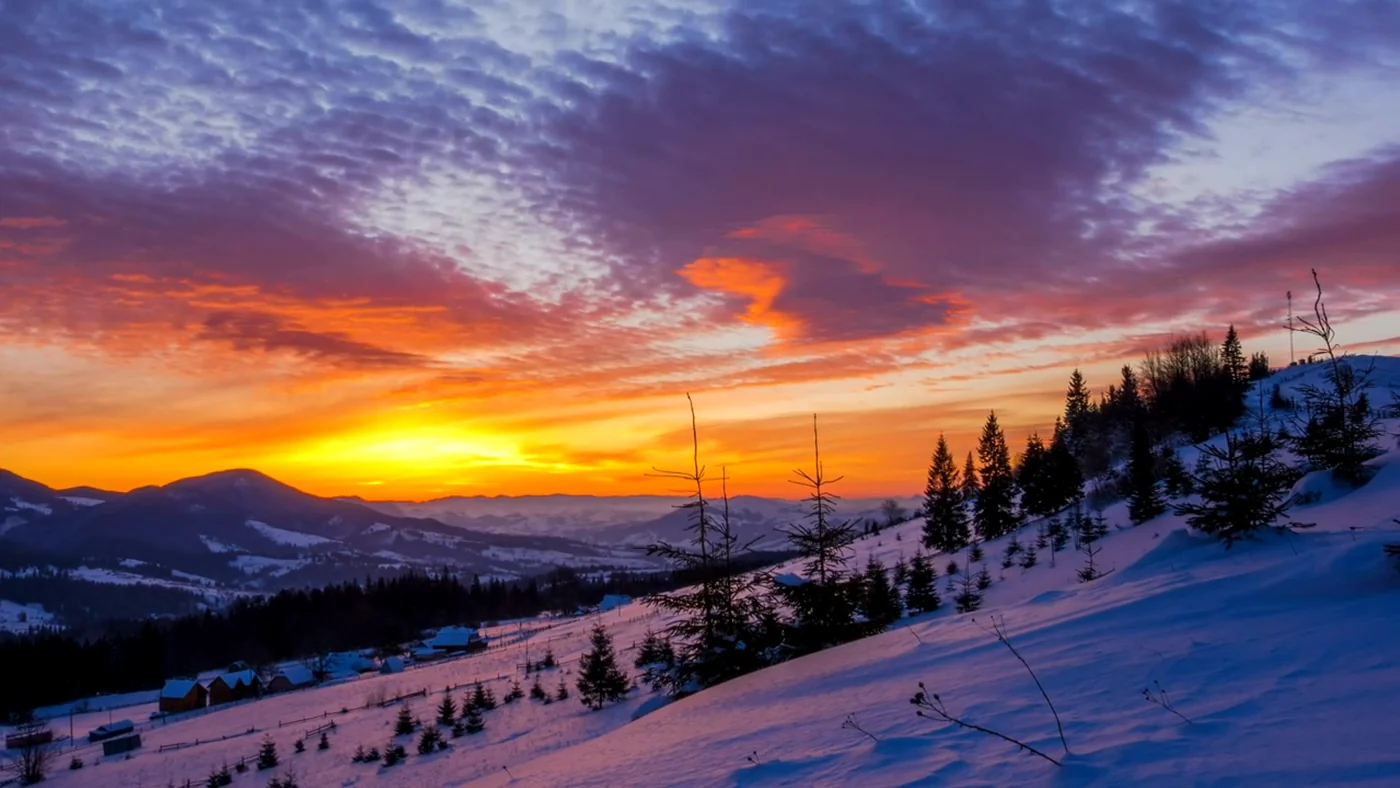
What changes toward the end of November is temperature, not clarity. Nights above Namche drop hard, the wind on the ridge at Kala Patthar picks up, and the ground time on the landing gets shorter for everyone. That is a kit problem, not a flying problem. Bring the layers described in our packing guide and the November flight is every bit as good as October.
March to May: Spring, Rhododendrons and Afternoon Cloud
Spring is the second great window and the one most European and North American travellers end up choosing, because it fits a school holiday or a spring break better than autumn does. March is the sleeper month: mornings are clear, daytime temperatures in the middle hills are mild, the forests below Namche are starting to flower, and the trekking crowds have not yet arrived.
April is the best all-round month for a trek with a helicopter return. Clear mornings, warm days, blooming rhododendrons and long daylight make the walking legs enjoyable in a way that winter never quite manages. It is also the month when the one-day landing tour is hardest to buy at short notice, so if April is your plan, the seat should be confirmed before you book flights to Kathmandu.
May is where spring starts to fold. The mornings still work, but pre-monsoon moisture is accumulating and the afternoon cloud over the high peaks arrives earlier each week. A 6 a.m. departure from Kathmandu still lands at Kala Patthar most days; a 10 a.m. departure in late May is a gamble. Nothing about the aircraft changes, only the width of the window.
December to February: Clear Skies, Bitter Cold, Empty Trails
Winter in the Khumbu is the most misunderstood season on the calendar. The skies are frequently cloudless, the visibility is effectively unlimited, and the trails are quiet in a way that October never is. What winter takes away is warmth. At Base Camp, 5,364 m, and at the Kala Patthar landing, 5,545 m, daytime temperatures sit well below freezing and the wind chill at altitude is severe.
That splits the season neatly by product. The one-hour scenic mountain flight at $260, where you stay inside a heated cabin and look out of a window seat at the range including Everest, is genuinely excellent in January. So is a private charter that climbs, orbits and returns. A tour that includes ground time at 5,545 m is a different proposition: it still flies, and the photographs are extraordinary, but you need expedition-grade layers, and the pilot will keep the stop on the ridge short.
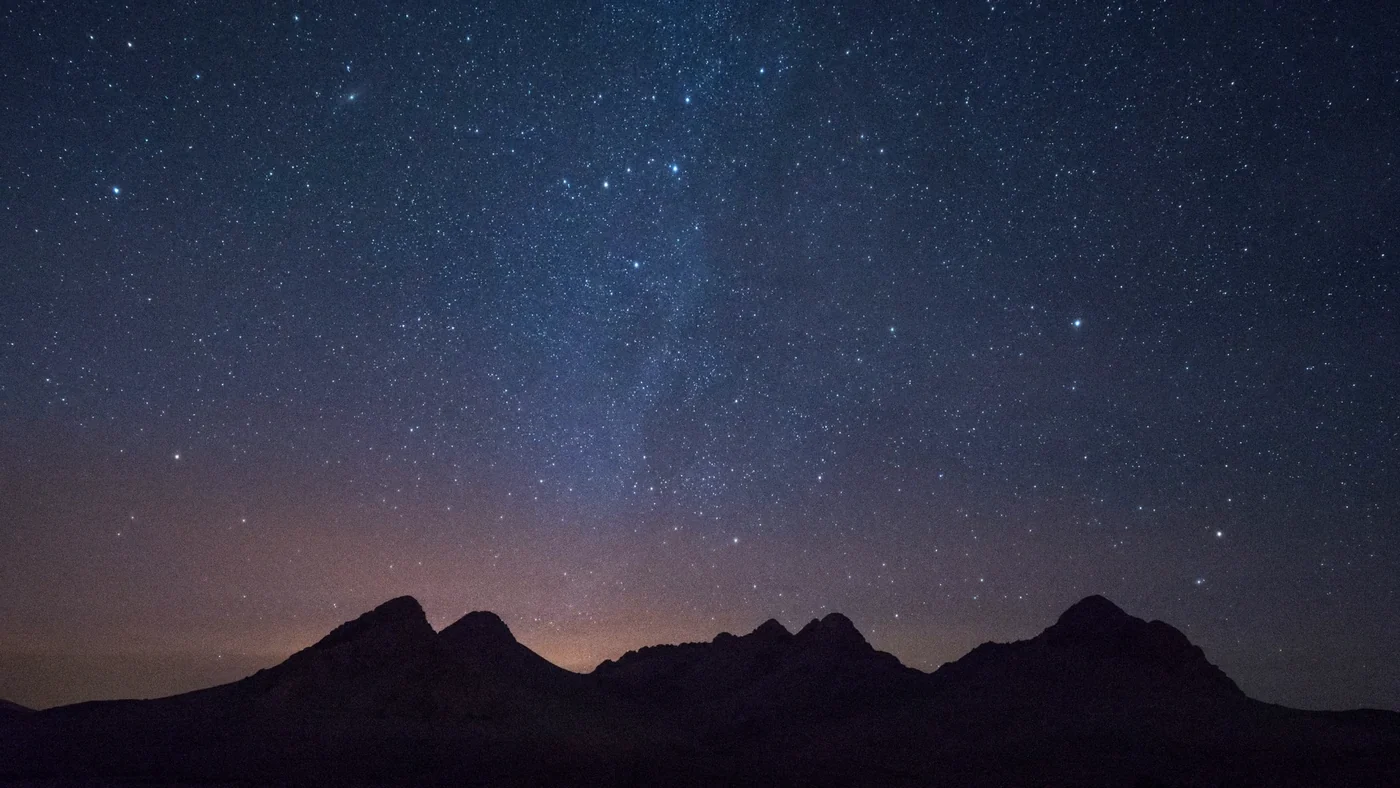
For the trek, winter is a specialist choice. Lodges are open but thin on guests, some high teahouses close, and the daylight is short enough that walking days have to be planned more tightly. If your goal is simply to stand at Base Camp and you are fit and well equipped, February is the underrated month: dry, stable, deep snow on the peaks, and a calm that the peak seasons never deliver.
June to September: What the Monsoon Really Does to an EBC Trip
We are deliberately blunt about the monsoon, because the alternative is taking money for a flight that has a good chance of never leaving the ground. From June to mid-September the South Asian monsoon parks moisture over the Himalaya. Cloud forms inside the gorges a helicopter must follow, rain is frequent, and visibility drops to the point where the visual flight rules that govern these routes simply do not allow a departure.
This is not a marketing position, it is meteorology. The same cloud that makes the middle hills green and fills the terraces in the Kathmandu Valley is the cloud that closes the Khumbu. For a trekker the monsoon means wet trails, obscured summits, and leeches in the lower valleys. For a helicopter passenger it means the schedule becomes a day-by-day negotiation, with the flight operating on the good mornings and standing down on the bad ones.
September is the hinge. The first ten days usually still behave like August; the last ten often deliver the first properly settled post-monsoon mornings. If your dates are fixed to September, aim for the final week. If they are fixed to July, book a product you are content to lose, or move the trip.
March and April 2027: the spring window, dated
Spring 2027 is the second clear-sky window of the year and the one most European and North American travellers use, because it lines up with school holidays and spring breaks. The flying season opens in early March and runs to the end of April, sometimes into the first days of May.
March 2027 is the sleeper month: mornings are clear, the middle hills are mild, the forests below Namche are starting to flower, and the trekking crowds have not arrived. If you want spring conditions without the April premium, this is the month.
April 2027 is the busiest month for helicopter tours in Nepal, and it earns it — the best all-round conditions of the spring, with more afternoon cloud than March. That popularity has a cost: seats on the one-day landing tour are hardest to buy at short notice, so the seat should be confirmed before you book flights to Kathmandu.
Two practical rules for a spring 2027 booking. First, every flight in this region leaves before sunrise, because warm air rising off the valleys builds cloud over the high peaks by early afternoon. Second, for April — as for October — confirm the seat several weeks ahead rather than several days.
Trekking Season and Flying Season Are Not the Same Window
Here is the part most season guides skip. The best month to walk to Everest Base Camp and the best month to fly to it overlap, but they do not coincide, and the product you buy should follow the season rather than the other way around.
| Everest product | 2027 price | Time | Altitude at the landing | Best months |
|---|---|---|---|---|
| Everest Base Camp helicopter day tour | $1,260 per person, shared flight | 1 day, about 6 hours | 5,545 m at Kala Patthar | October, November, March, April |
| Everest scenic mountain flight | $260 per person, window seat | 1 hour | No landing, 8,849 m views | All twelve months, best in winter clarity |
| Private Everest helicopter charter | $4,500 per aircraft, up to 5 guests | 1 day, about 5 to 6 hours | Everest View Hotel, 3,880 m | October to November, February to April |
| Everest View Hotel stay with Kala Patthar landing | Quoted per group | 2 days, 1 night | Overnight 3,880 m, landing 5,545 m | October, November, March |
| Everest Base Camp helicopter trek, trek up and fly back | $1,840 per person, shared flight | 10 days | Max 5,545 m | March to May, October to November |
| Everest Base Camp wedding by helicopter | $5,100 per couple | 1 day, about 6 to 8 hours | Kala Patthar, 5,545 m | October, November, April |
Two things follow from that table. First, if your travel dates are locked to a low season, there is still a good Everest product for you, it is just not necessarily the landing tour. Second, if you want the ten-day trek with a helicopter exit, the season is doing half the work for you: the same clear mornings that make the flight reliable are the mornings that make the walk enjoyable.
The comparison in our helicopter tour versus base camp trek guide covers the trade-off in detail, and the ten-day itinerary is priced out in the trek up, fly back cost guide.
Landing at 5,545 m: What the Season Does to Your Body
The season changes more than the view. At 5,545 m the air holds roughly half the oxygen of Kathmandu, and the difference between a comfortable five-minute stop and a miserable one is usually temperature and wind rather than fitness. In October and November the ridge can be walked in a down jacket with a decent pair of boots. In January and February the same stop demands insulated trousers, a proper shell, a warm hat and gloves that stay on.
This is why every serious operator keeps ground time at Kala Patthar short. It is not a cost-saving measure and it is not a rushed itinerary; it is the altitude protocol. You land, you walk a few metres to the viewpoint, you take the photographs, and you get back in. The view is the point: from that ridge you see the Everest summit 2,300 vertical metres above you, Lhotse and Nuptse to the east, Pumori to the west, and the entire Khumbu glacier pouring south toward Lukla at 2,845 m.
If altitude is a worry, the Everest View Hotel at 3,880 m is the gentler landing, and the overnight version of that trip gives your body time to adjust before the ridge. Read the Kala Patthar landing guide if the ridge itself is your goal, and the Everest View Hotel guide if you would rather breakfast at altitude than stand on it.
Booking From Abroad: When to Reserve a Seat in USD
Almost everyone reading this is planning from outside Nepal, in dollars, euros or pounds, and the timing question is practical rather than poetic. For October, the single most requested window, seats on the shared one-day landing tour should be confirmed several weeks ahead, and April behaves much the same way. For November, December, January and February you can usually decide closer to the date and still find space.
Prices on this site are quoted in US dollars per person for shared flights, and per aircraft for private charters, which is what makes the private option worth understanding: at $4,500 for up to five guests, the per-person figure falls the fuller the aircraft is. Payment, confirmation and the weather policy are all handled before you fly to Nepal, so the only decision left on the morning is whether the sky cooperates.
The booking checklist matters more in peak season than in low season. Confirm in writing what the quoted price includes, whether the landing is at Kala Patthar or at the Everest View Hotel, what happens if the flight is cancelled for weather, and whether your travel insurance covers helicopter evacuation. Our day tour cost and booking guide walks through each of those points.
Aircraft and Departure Time Matter More Than the Month
A traveller who books the perfect month and a 10 a.m. departure has made a worse decision than one who books February and a 6 a.m. departure. The Khumbu flies in the morning. Cloud builds over the ridges as the valleys warm, and by early afternoon the gorges that give a helicopter its approach line are full of it. Every itinerary in this region, for that reason, begins with a hotel pickup between 5 and 6 a.m.
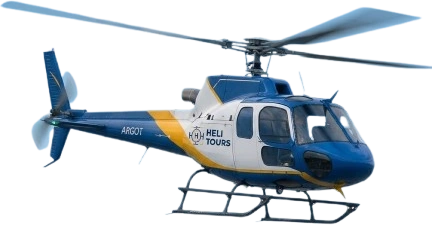
The aircraft itself is part of the answer to the season question. The Airbus H125, the AS350 B3e, holds the high-altitude performance record in Himalayan commercial aviation and is the standard machine on these routes. Five seats is five seats, though, which is why shared departures fill quickly in October and why a private charter is priced per aircraft rather than per head.
Morning also beats month in another way: the first flight of the day usually has the least wind and the best visibility, and if the weather does close in, an early departure still leaves the whole day for a second attempt. Read the nationwide month-by-month flying guide for the wider picture across Annapurna, Langtang and Muktinath.
Permits, Closures and Paperwork That Ignore the Season
Three things in the Everest region do not care which month you choose. The first is the permit structure: a Sagarmatha National Park entry and the Khumbu Pasang Lhamu rural municipality fee apply to anyone entering the park, on foot or by air, and they change on the government schedule rather than the tourist one. The second is the weather-driven closure of Lukla flights, which is precisely why so many travellers now plan around a helicopter instead.
The third is altitude itself. No permit and no season changes the fact that 5,545 m is high, that the air is thin, and that a medical evacuation capability belongs in your planning. The permit picture route by route is set out in our helicopter flight permits guide, and the national park framework is described on the Sagarmatha National Park reference page.
Frequently Asked Questions
What is the best time to go Everest Base Camp?
Early October to late November is the best time to go Everest Base Camp for most travellers, with March to April a close second. Both windows give clear mornings, stable air and reliable helicopter departures. October is the clearest month of the year and the busiest; November is slightly colder and noticeably quieter.
Is October or November better for Everest Base Camp?
October has the best weather statistics of any month and the heaviest crowds. November matches it for clarity through the first three weeks, is colder on the ridge, and is much easier to book at short notice. If your dates are flexible, November gives you the same mountain with fewer people.
Can you go to Everest Base Camp in winter?
Yes. December, January and February are dry and frequently cloudless, and the trails are quiet. The constraint is temperature rather than access: at Base Camp, 5,364 m, and at the Kala Patthar landing, 5,545 m, daytime temperatures sit well below freezing. A scenic mountain flight or a private charter in winter is comfortable; a landing needs full winter kit.
Is it possible to visit Everest Base Camp during the monsoon?
It is possible but it is not plannable. From June to mid-September, cloud sits inside the gorges a helicopter has to follow, and flights operate day by day at best. Treks continue, but with wet trails and obscured summits. We do not sell fixed-date departures in that window.
When is the best time to fly to Everest Base Camp by helicopter?
The flight itself is best in the same two windows as the trek, October to November and March to April, because the landing at 5,545 m needs clear air and low wind. Departure time matters as much as the month: every itinerary leaves Kathmandu between 5 and 6 a.m., before cloud forms over the ridges.
Where does the helicopter land on an Everest Base Camp flight?
On the one-day tour the landing is at Kala Patthar, 5,545 m, the ridge above Base Camp that looks directly at the summit. Base Camp itself sits at 5,364 m inside a glacial valley under the Khumbu Icefall and is not used as a landing site. Some itineraries also include a low pass over the Base Camp area.
Can a helicopter land on Everest itself?
No. No commercial helicopter lands on the summit of Everest at 8,848.86 m. The highest landing point used on these routes is Kala Patthar at 5,545 m, which is already a performance-critical manoeuvre near the top of the aircraft envelope.
How far ahead should I book an Everest Base Camp helicopter tour?
For October and April, confirm your seat several weeks before you fly to Nepal, because those are the months that sell out. November through February usually has space closer to the date. The private charter is easier to secure at short notice than the shared landing tour, since it is priced per aircraft rather than per seat.
What does the one-day Everest Base Camp helicopter tour cost?
$1,260 per person on a shared flight, for a day of about 6 hours hotel to hotel, with the landing at Kala Patthar at 5,545 m. A private charter for up to five guests is $4,500 per aircraft, and the one-hour scenic mountain flight with Everest views but no landing is $260 per person.
How cold is Kala Patthar in the peak season?
Cold enough that the stop is kept short. Even in October and November the ridge is below freezing with wind chill, and in January and February it is severe. Insulated layers, a windproof shell, warm gloves and a hat are standard for the landing in every month of the year.
Should I trek to Base Camp or fly there by helicopter?
Fly if your time in Nepal is short, if you want the summit view without two weeks of walking, or if altitude is a concern. Trek if the walking is the point. The ten-day trek with a helicopter return at $1,840 per person gives you both: the trail up and the flight out of the Khumbu.
Which month gives the best photographs of Everest?
October and November, when post-monsoon air is at its clearest, followed by January and February, when the peaks carry their deepest snow. April is excellent for light and colour but the afternoon cloud arrives earlier, so the photographs have to be taken in the morning.
The Bottom Line on the Best Time to Go Everest Base Camp
Choose October or the first half of November if clarity is your priority, March or April if you want a warmer trek, and January or February if you value empty trails and do not mind real cold. Avoid June to mid-September for anything with a fixed date. Then book a 6 a.m. departure, because in this valley the hour of the day is half the season.
If you are still deciding which Everest product fits your dates, start with the Everest helicopter tours hub, where every route in the region is compared side by side. The one-day landing flight itself, the option most travellers end up choosing, is detailed on the Everest Base Camp helicopter day tour page with current 2027 departures, and the cold-season alternative is covered in our winter helicopter tours guide.